Nailed: Transforming Beauty Industry Waste into New Design Material


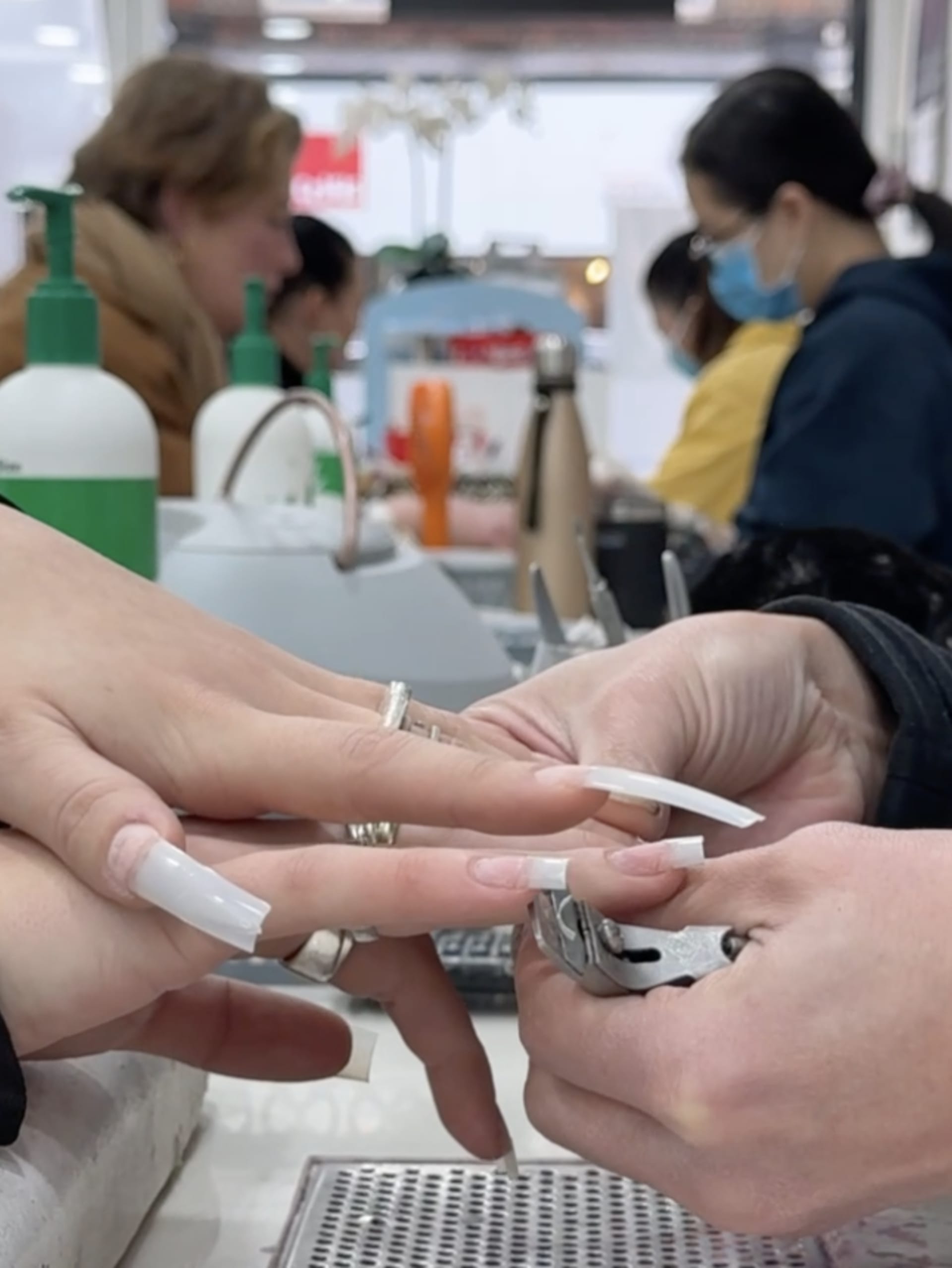
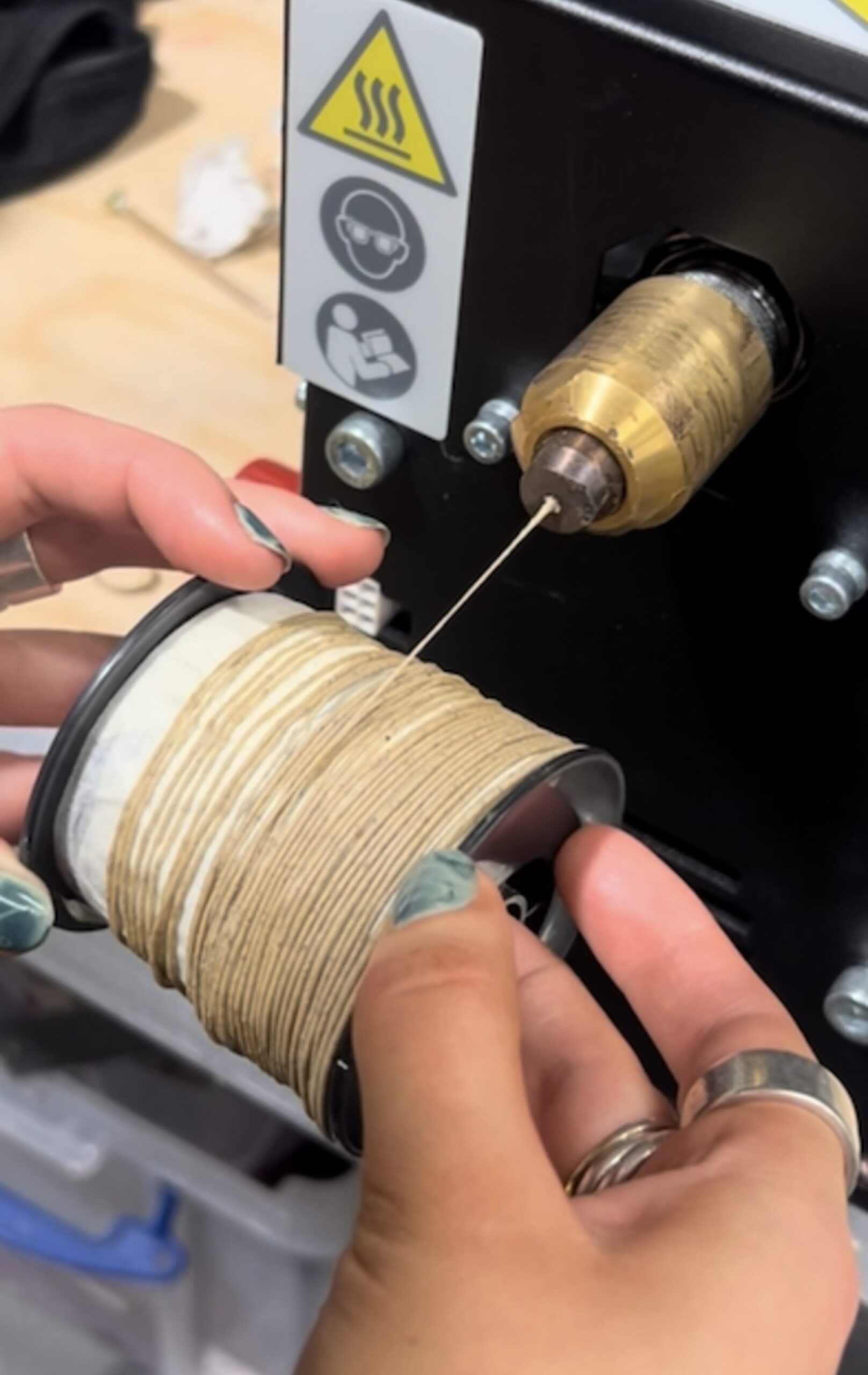
Nailed is a material innovation project by designer and researcher Genevieve Carr (MA Material Futures, Central Saint Martins). It reimagines nail salon waste as a resource for 3D printing. Carr converts discarded acrylic powders, gels and plastic tips into a new filament. This allows her to create sculptural forms inspired by botanical drawings. The project highlights how synthetic waste can become a circular material for future design applications.
From Waste Stream to Printable Material
Nail salons generate large amounts of mixed resin and plastic waste. Most of this material cannot enter conventional recycling systems. To address this, Carr developed a method to reprocess the waste into a stable filament for desktop 3D printing.
As a result, the material can produce delicate and organic geometries. These shapes resemble natural botanical structures. They would normally require resin casting or labour-intensive handcraft. By redirecting nail salon waste into additive manufacturing, the project opens new possibilities for small-batch and customised objects with a lower environmental impact.
Applications Beyond the Beauty Industry
While the sculptural nails serve as conceptual pieces, the research behind them has relevance across several design disciplines. Product and fashion designers can explore the filament for lightweight accessories, jewellery or other detailed components. Interior and spatial designers may experiment with it for decorative elements, lighting parts or modular forms.
Overall, the work encourages designers to treat waste as a starting point rather than an obstacle. It aligns with the shift towards closed-loop systems, resource efficiency and nature-inspired aesthetics.
Redefining Waste in a Circular Future
Nailed shows how emerging designers can rethink both the origin and afterlife of synthetic materials. Through experimentation and creative reuse, Carr invites design disciplines to explore new, unexpected waste sources. In doing so, the project supports a more regenerative and circular material future.
Source & photos: Central Saint Martins (UAL)

Comments