Plant-Based Nanocellulose Enables Sustainable Recovery Of Rare Earth Elements
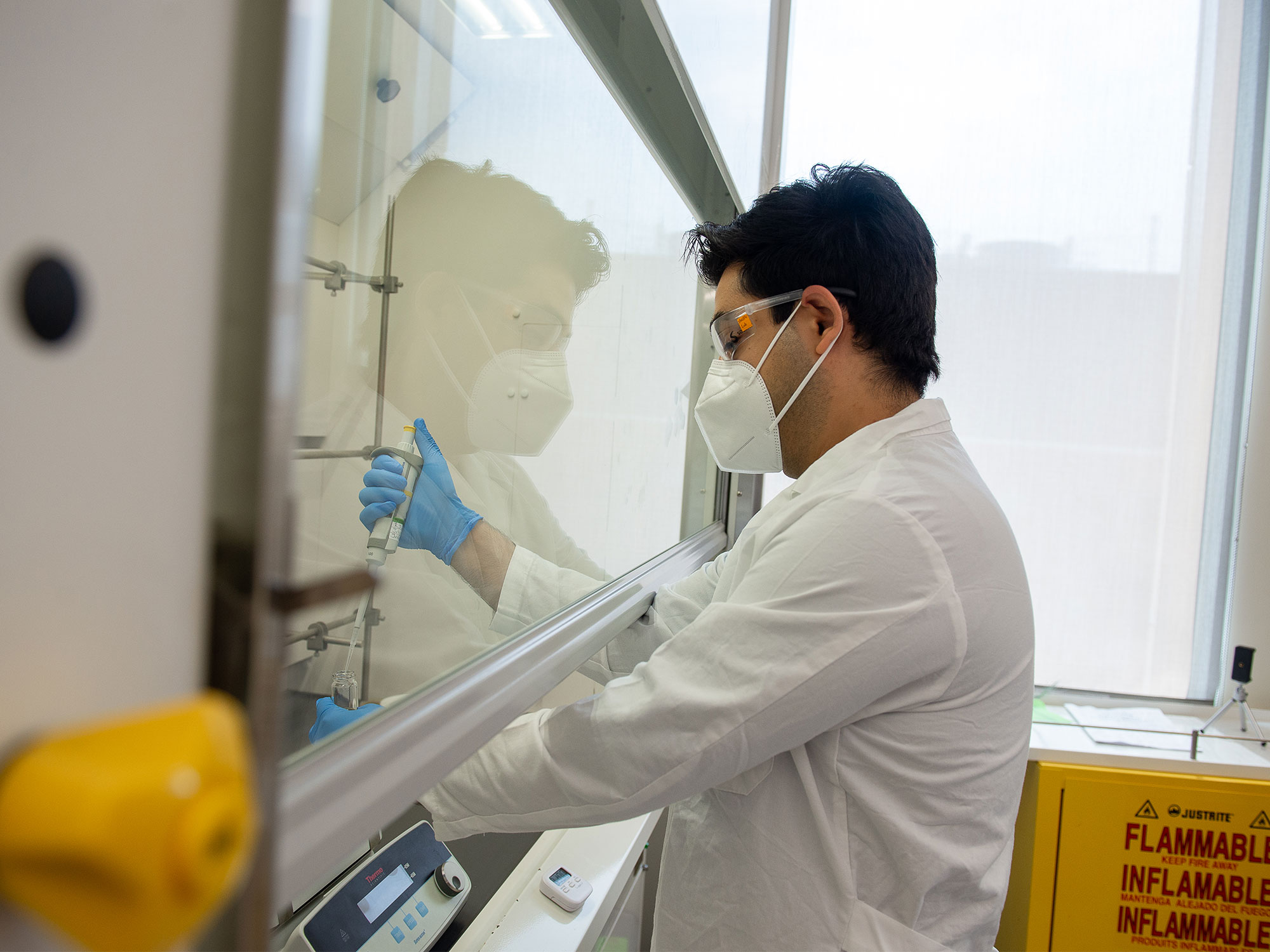
Researchers at Penn State have developed a plant-based material capable of selectively recovering dysprosium, a heavy rare earth element widely used in semiconductors, electric motors, generators and other high-performance technologies. The innovation offers a more sustainable and environmentally responsible alternative to conventional extraction and separation methods.
Addressing A Critical Materials Challenge
Rare earth elements are indispensable in products ranging from smartphones and wind turbines to electric vehicles and advanced building systems. Dysprosium, in particular, is used to enhance the thermal stability and performance of powerful magnets and electronic components. Forecasts suggest that global demand for dysprosium could increase by more than 2,500% over the next 25 years.
However, separating rare earth elements from mined ores or recycled waste streams is technically challenging. Their chemical similarities make conventional separation processes highly complex, energy-intensive and reliant on large volumes of solvents and chemicals. These methods often require extensive industrial infrastructure and generate significant environmental impact.
Nanocellulose As A Bio-Based Separation Material
The Penn State team turned to cellulose, the primary structural component of plant cell walls and one of the most abundant renewable polymers on Earth. By tailoring cellulose at the nanoscale, the researchers created so-called anionic hairy cellulose nanocrystals (AHCNC): crystalline particles approximately 100 nanometres in length, featuring fine, hair-like molecular chains on both ends.
When introduced into a water-based solution containing both neodymium (a light rare earth element) and dysprosium (a heavy rare earth element), the modified nanocellulose selectively adsorbed dysprosium ions. Remarkably, the material’s structural configuration — rather than solely its chemical functional groups — proved decisive in achieving this selectivity. The nanocellulose chains contracted in response to dysprosium, effectively acting as a targeted filter.
According to the research team, this represents the first known example of a cellulose-based adsorbent capable of distinguishing between heavy and light rare earth elements in this way.
Implications For Circular Design And Material Innovation
For designers working with electronics-integrated products, electric mobility, renewable energy systems or smart building technologies, the recovery and reuse of rare earth elements is becoming increasingly important. Developing scalable, biobased recovery systems could reduce dependency on virgin mining, lower environmental impact and support circular material flows in high-tech manufacturing.
The researchers aim to further optimise the nanocellulose platform and explore its application to other critical minerals, with the long-term goal of scaling the technology for industrial use. If successful, this plant-derived material could contribute to cleaner rare earth recycling streams — an essential step towards more sustainable product lifecycles in design and manufacturing.
Source & photo: Penn State

Comments