Poured Earth: Casting a Sustainable Future for Architecture

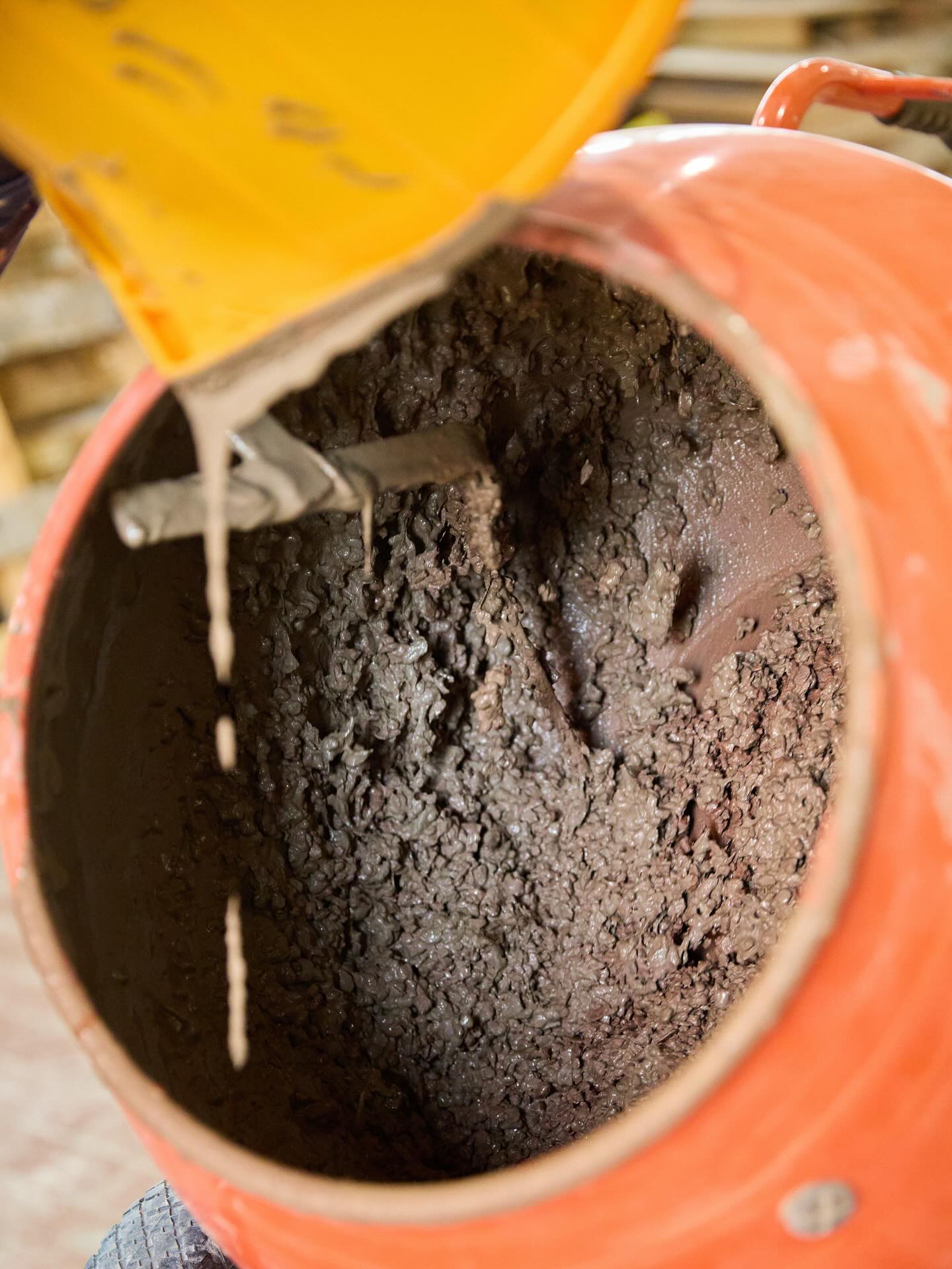
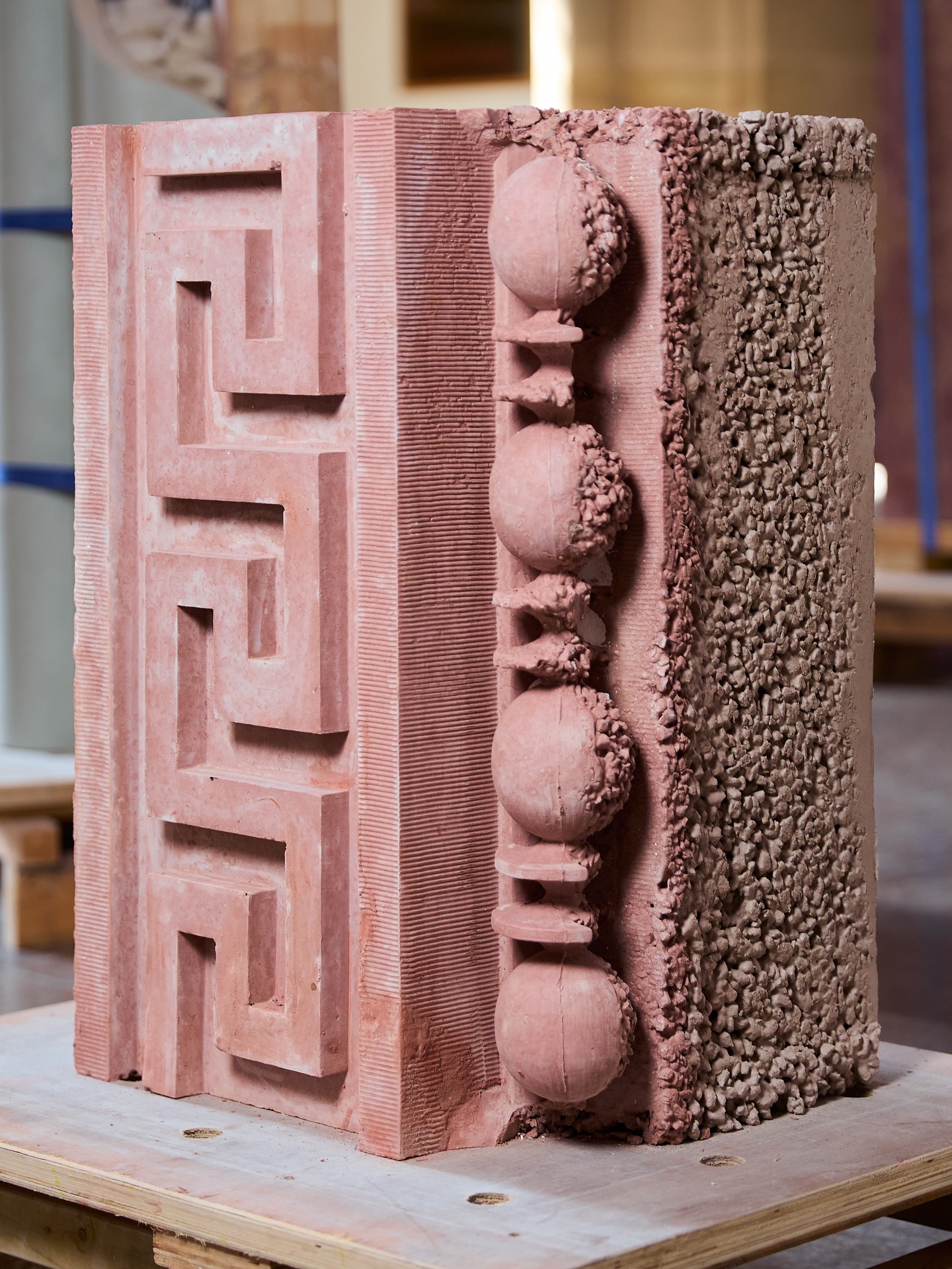

Material research studio Matter at Hand, together with ceramic manufacturer Darwen Terracotta, has developed Poured Earth. This prototype reimagines earthen building as a castable, fluid material similar to concrete, but without the heavy carbon footprint. It was unveiled at the National Festival of Making in Blackburn, UK.
A New Approach to Earth Construction
Traditional methods such as cob and rammed earth are praised for their sustainability, yet they remain labour-intensive and hard to scale. Poured Earth solves these challenges by adapting ceramic slip-casting techniques. In this process, liquid clay is poured into moulds, allowing gravity and vibration to shape the material. By borrowing equipment already used in concrete construction—mixers, formwork and vibrators—earthen building becomes both practical and accessible.
Material Innovation and Sustainability
The system combines clay, recycled aggregates, sand and natural fibres. Crucially, it avoids cement or gypsum binders, so components can be recycled, reformed, or returned to the earth. The innovation lies in the use of deflocculants such as sodium silicate or tannins. These agents allow dense clay mixes to flow without extra water. As a result, the material retains its strength and dries faster, with minimal shrinkage.
At the Blackburn exhibition, prototypes included a dual-layer wall with a 200mm structural mix of clay and aggregates, paired with a 250mm insulating layer of wood chip, hemp shiv and foamed recycled glass. Other tests showcased hollow blocks, timber-framed cassettes, and richly textured surfaces that highlight clay’s aesthetic and functional potential.
Towards Mainstream Adoption
Poured Earth could potentially be used in full-scale buildings that prove how low-carbon, circular materials can work in modern construction. The approach merges ancient earthen traditions with industrial know-how, opening design possibilities that go beyond standard earth building.
Source: Dezeen / Matter at Hand
Photos: Matter at Hand

Comments