Sneakers Made from Rusted Leather
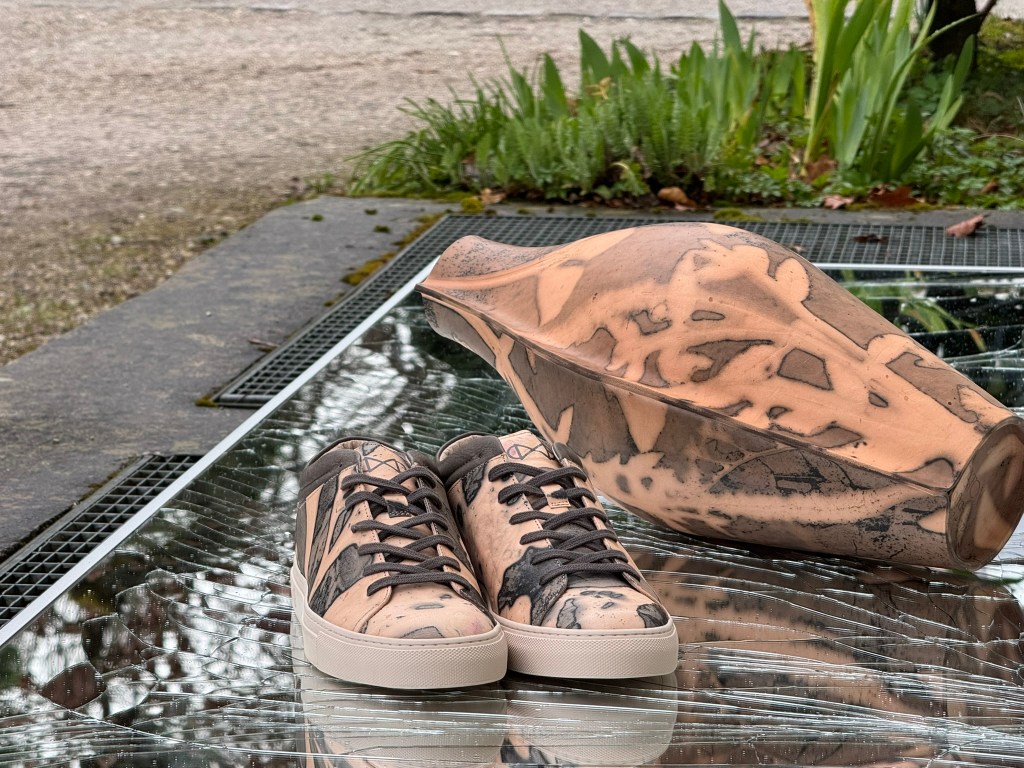
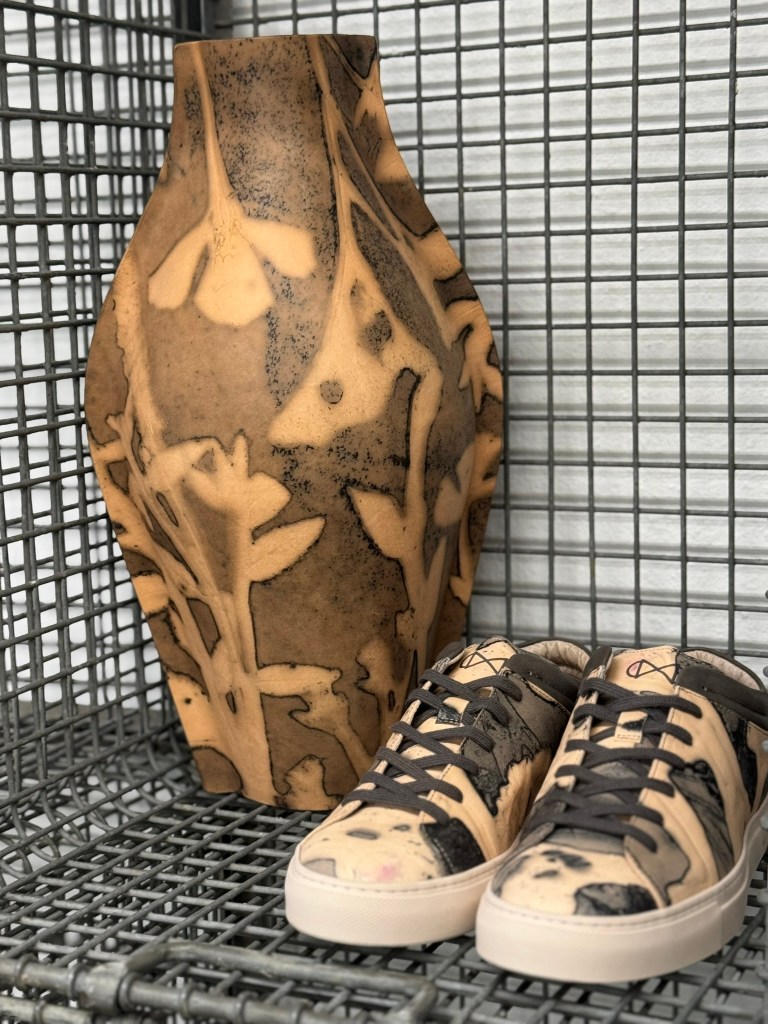
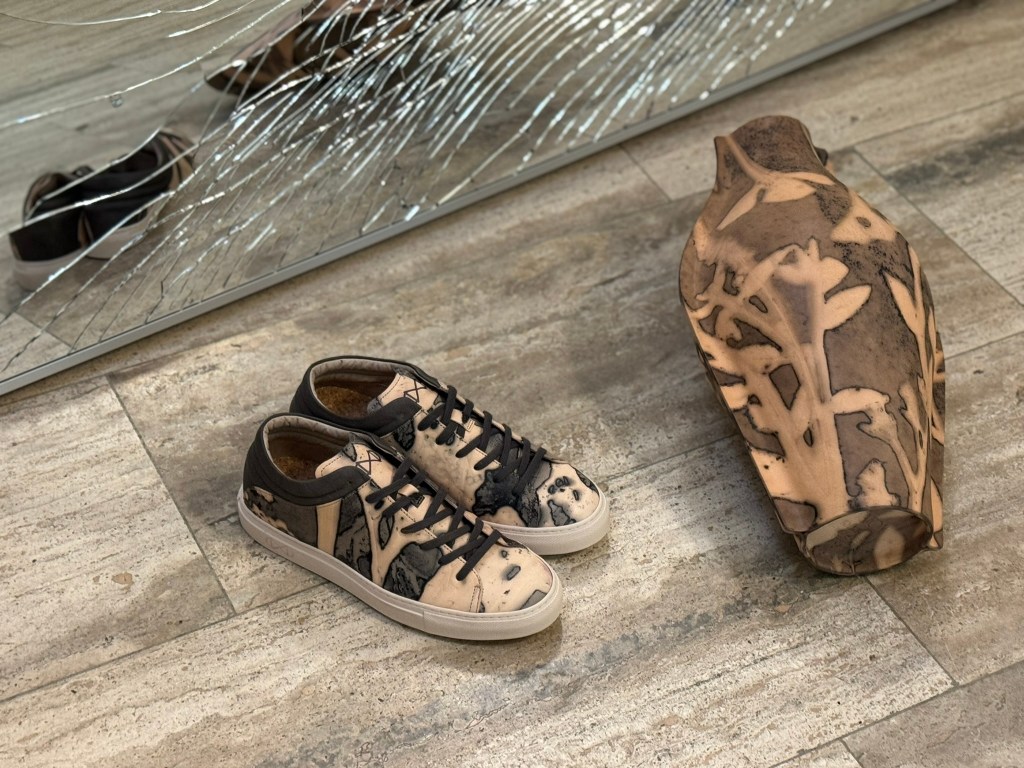
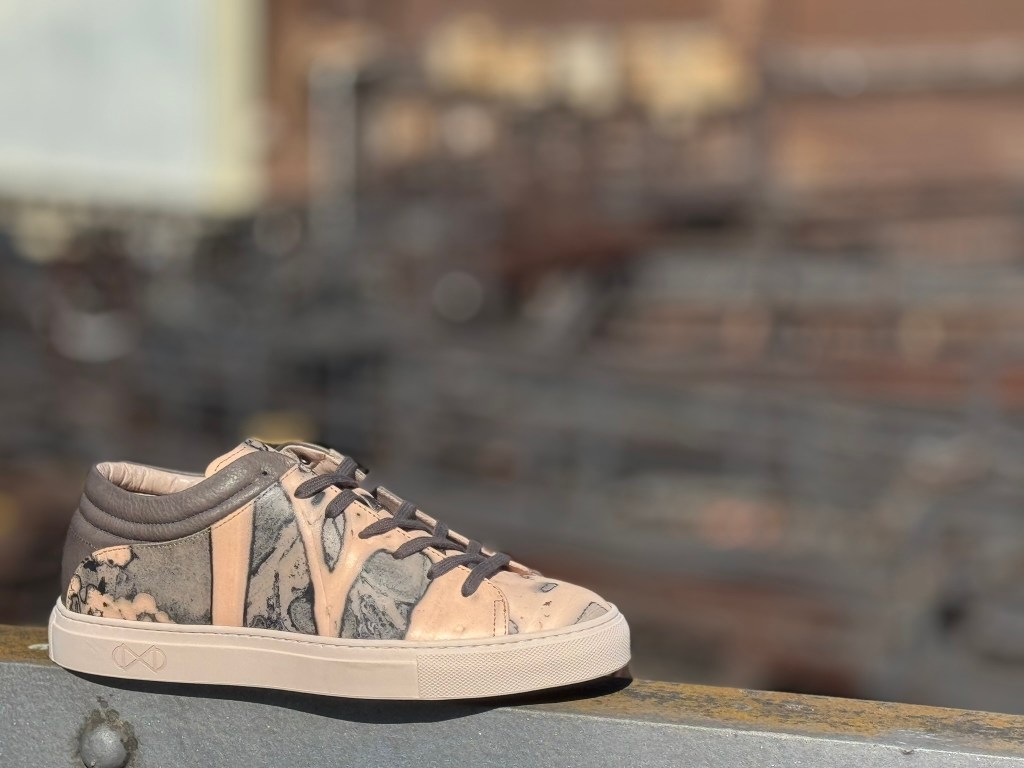
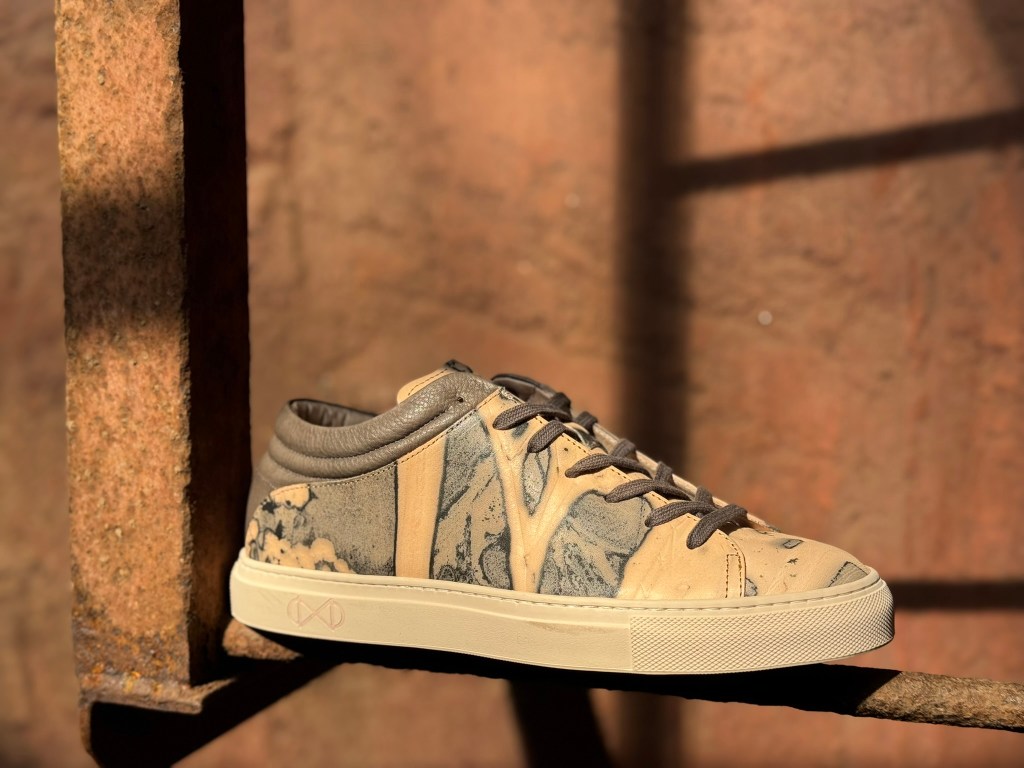
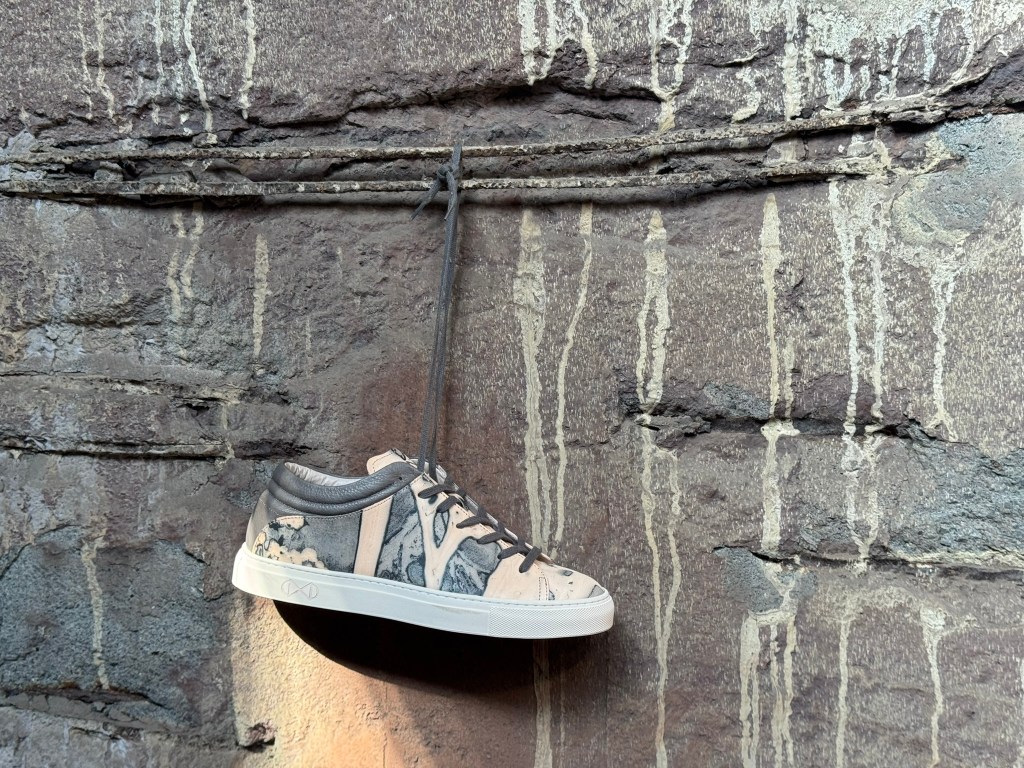
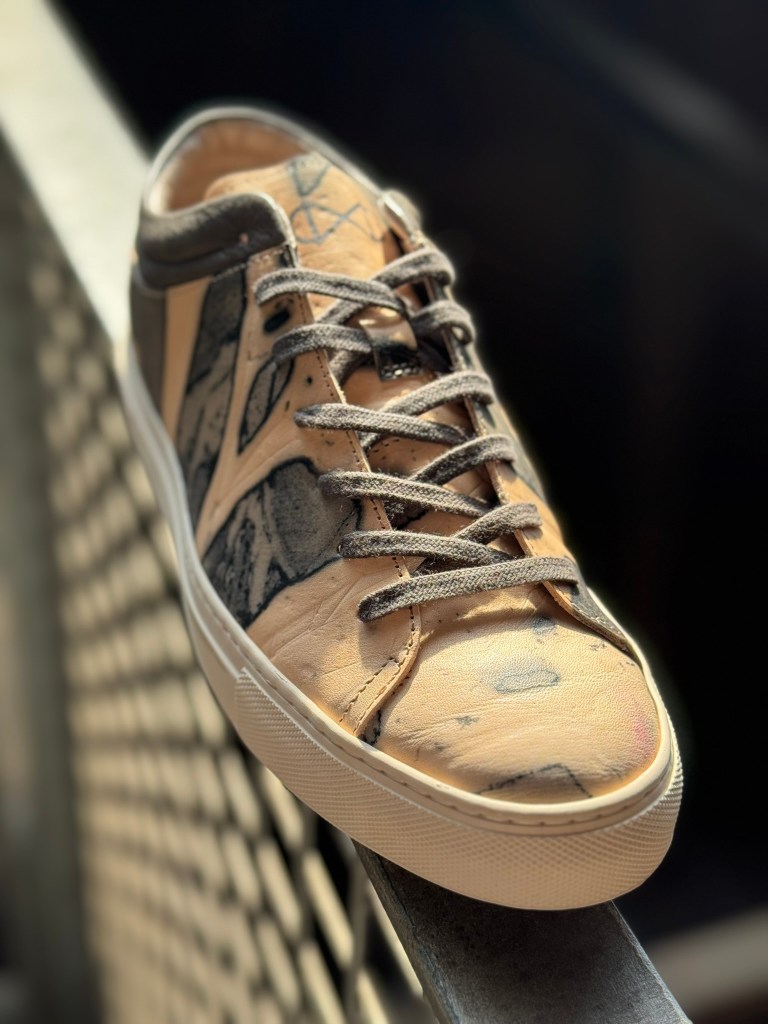
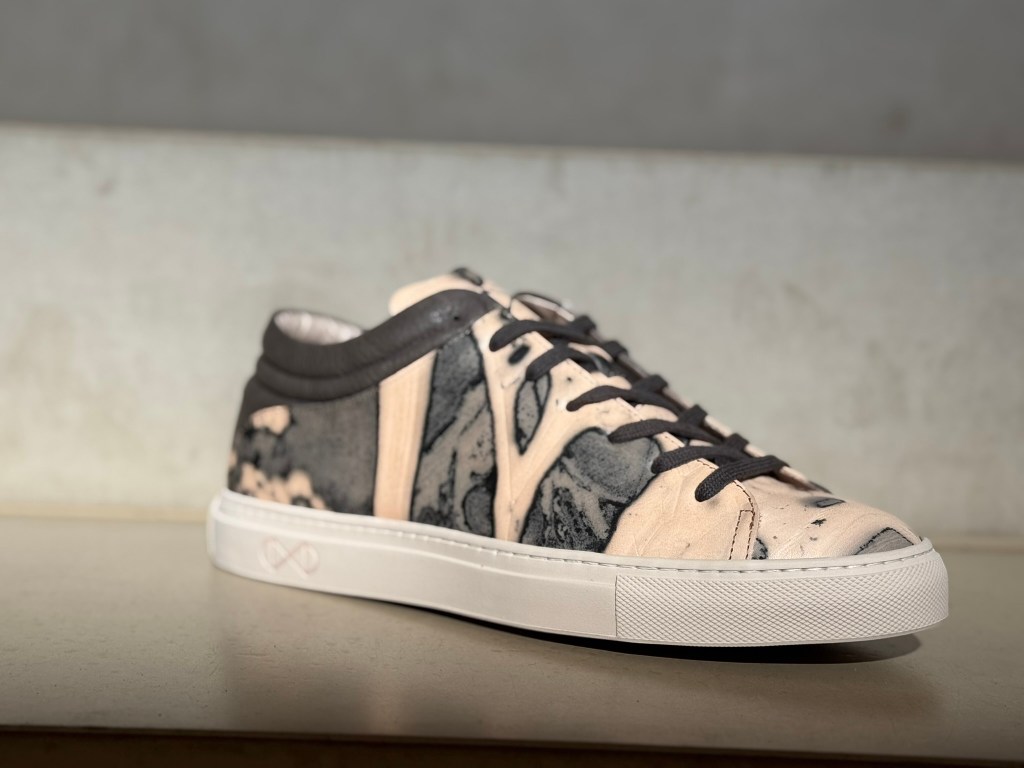
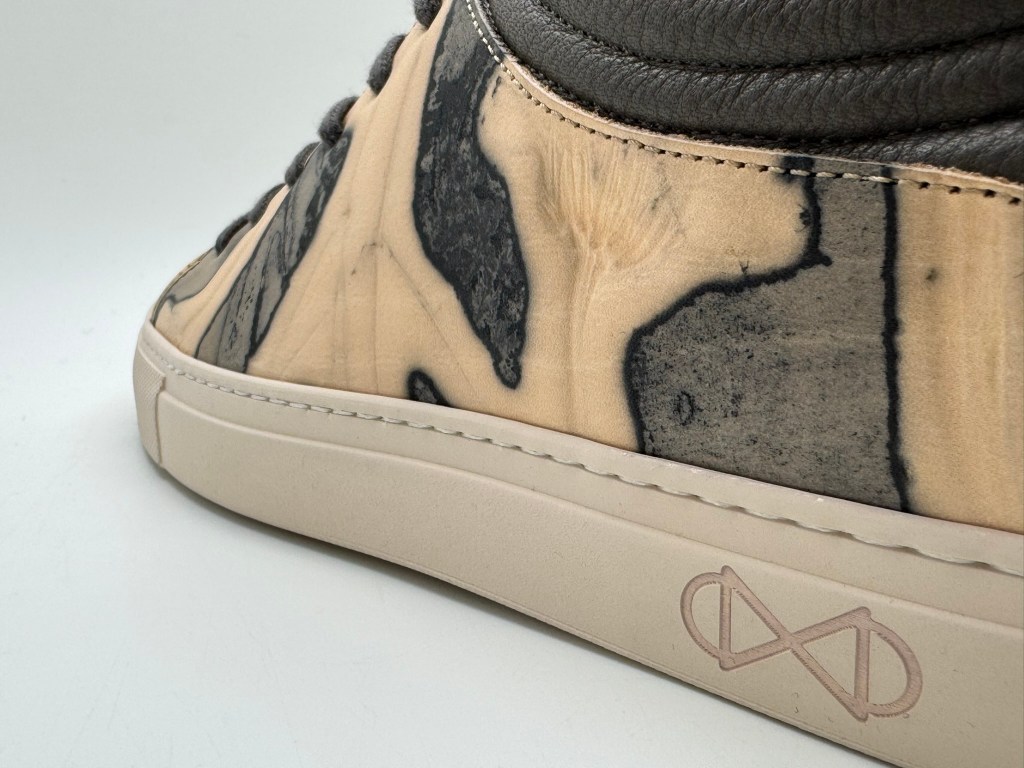
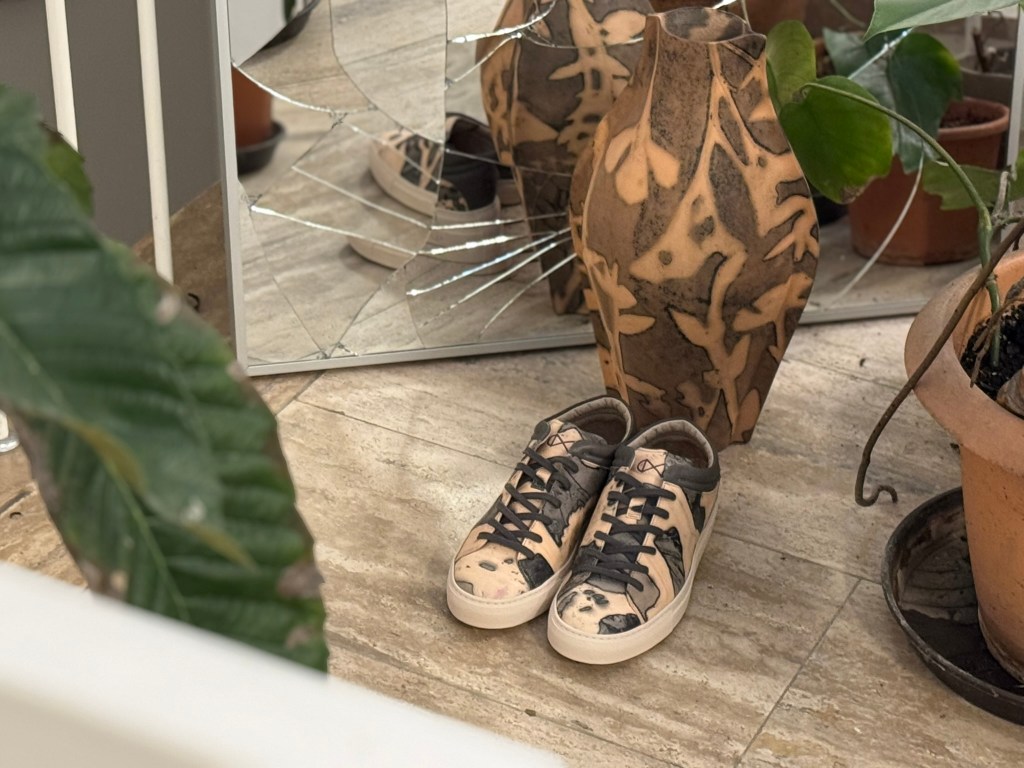
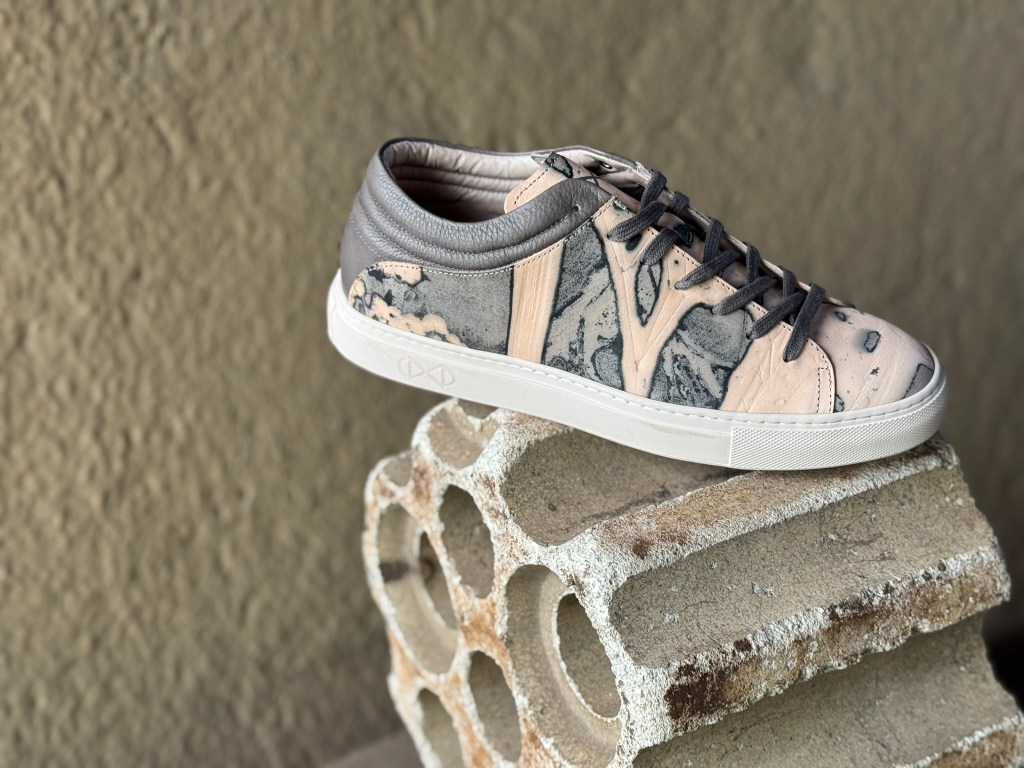
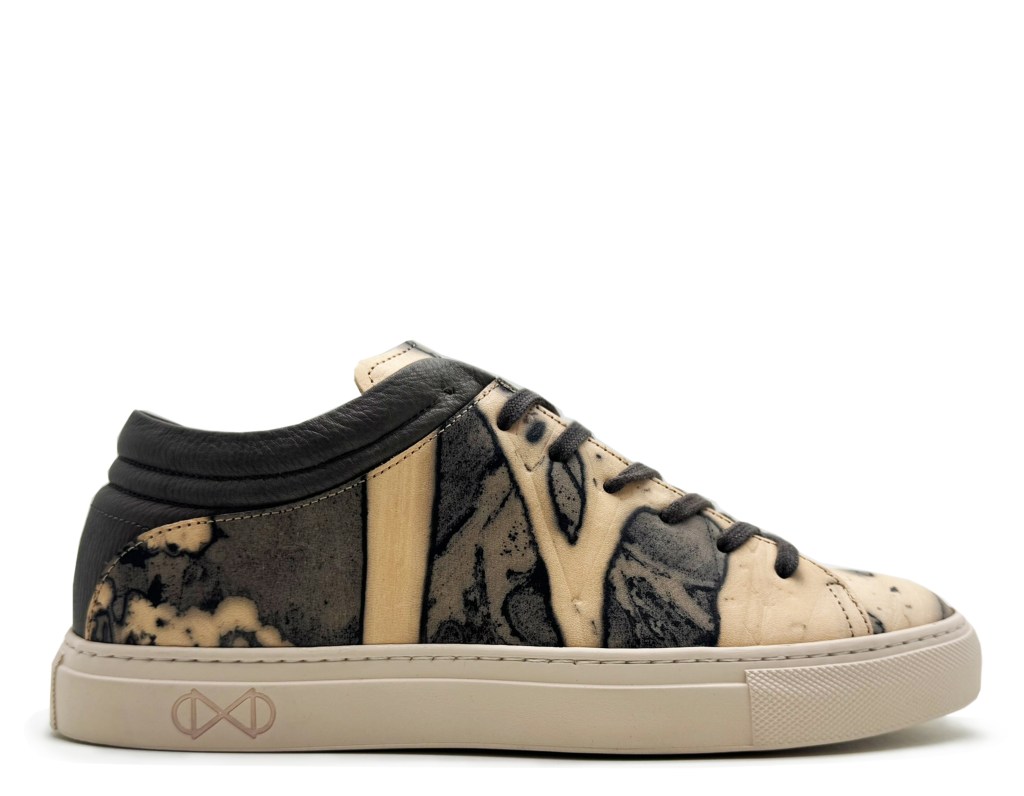
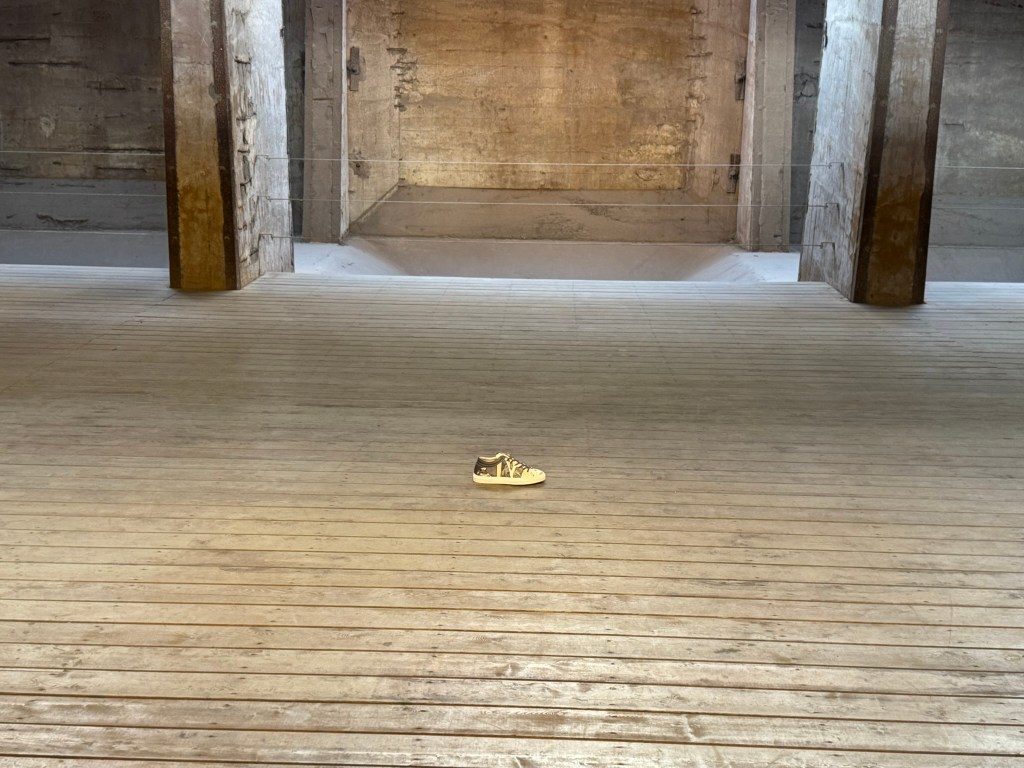
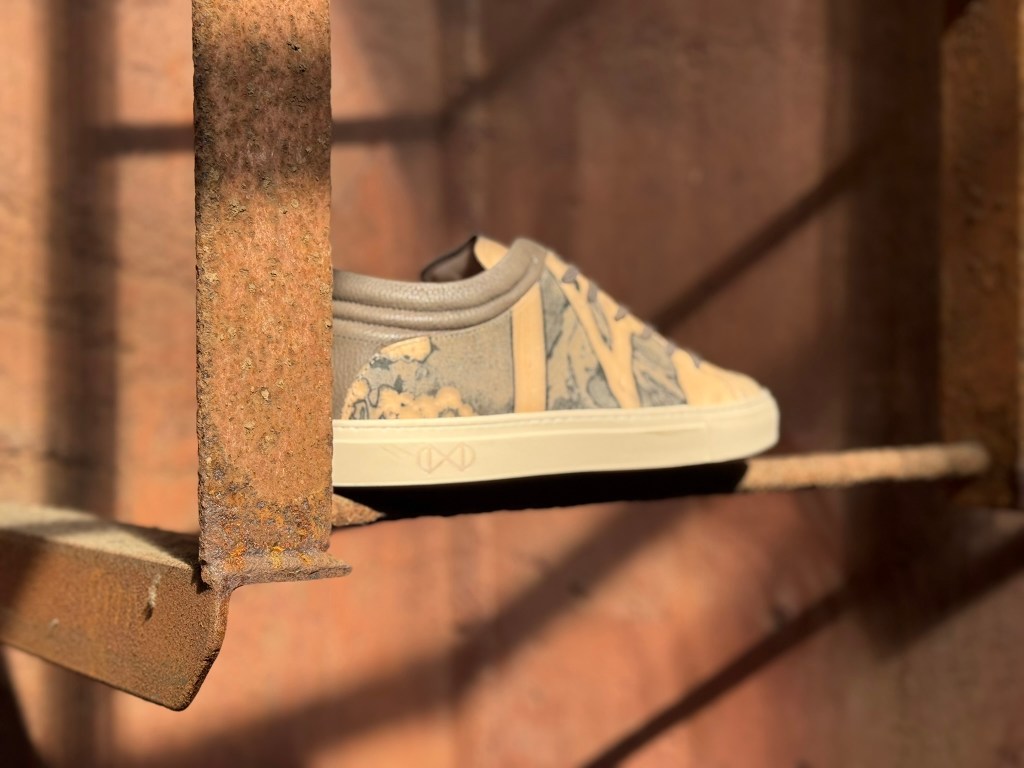
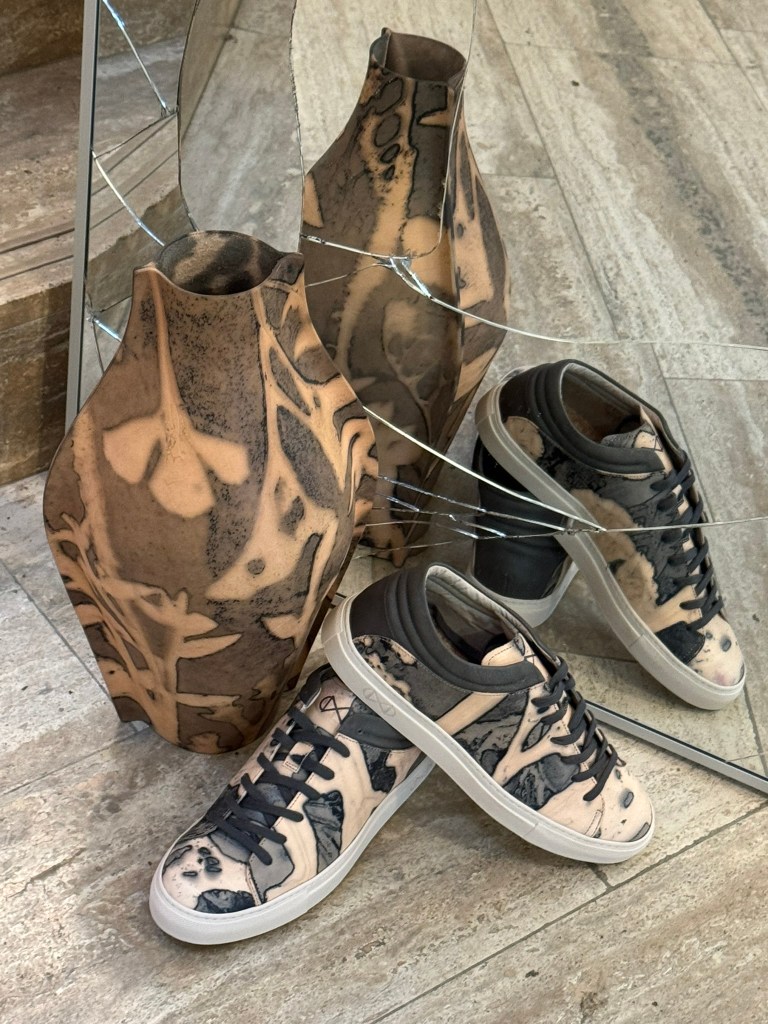
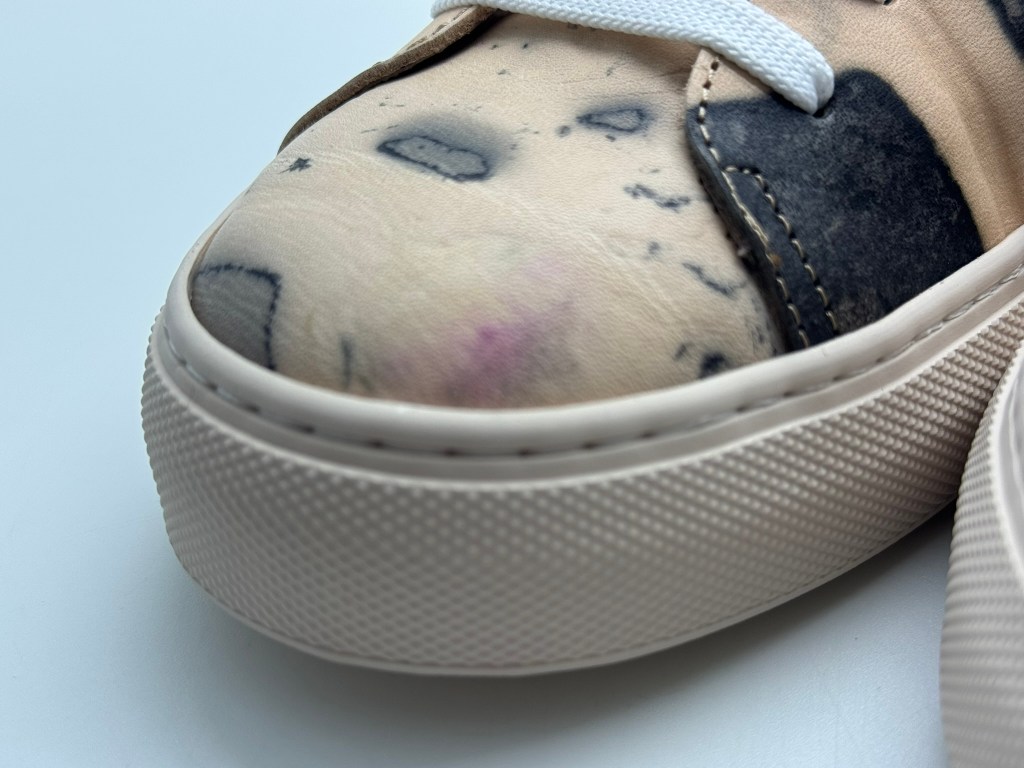
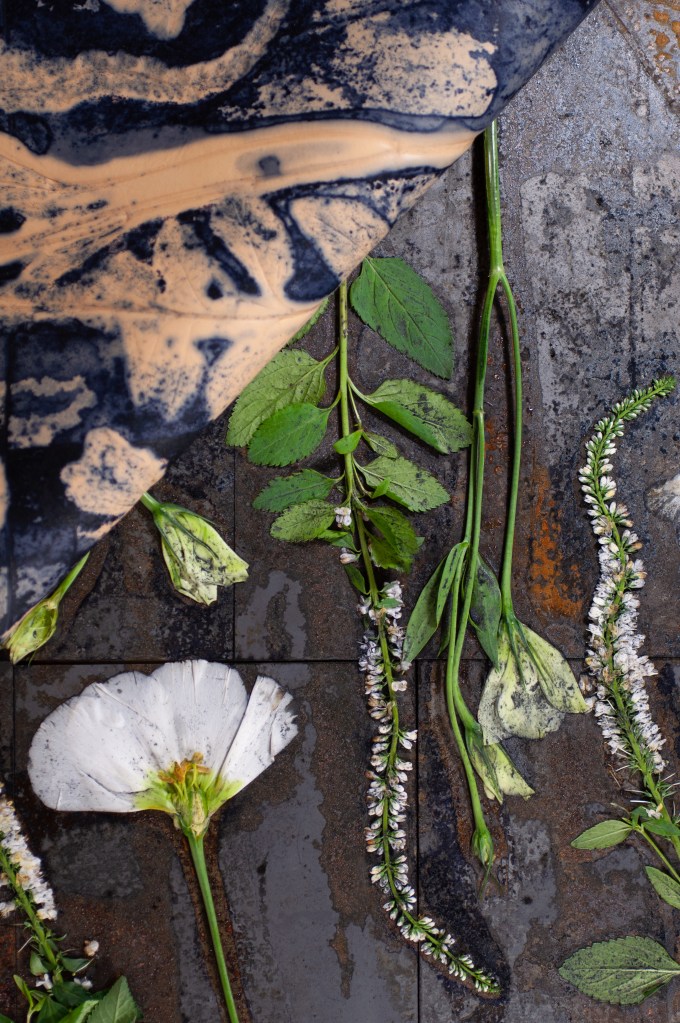
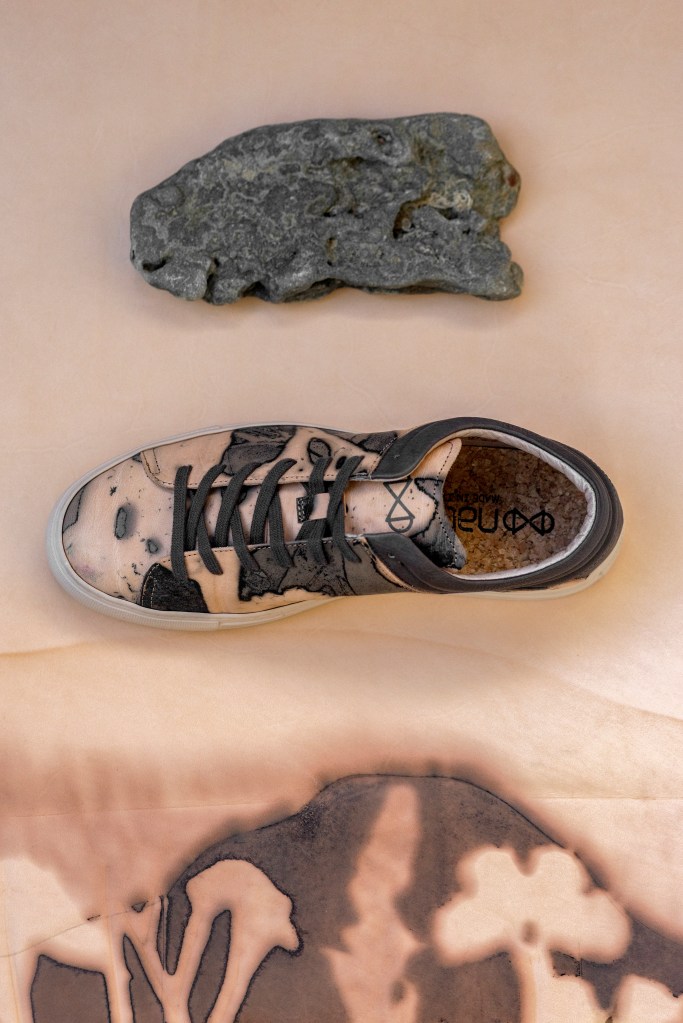
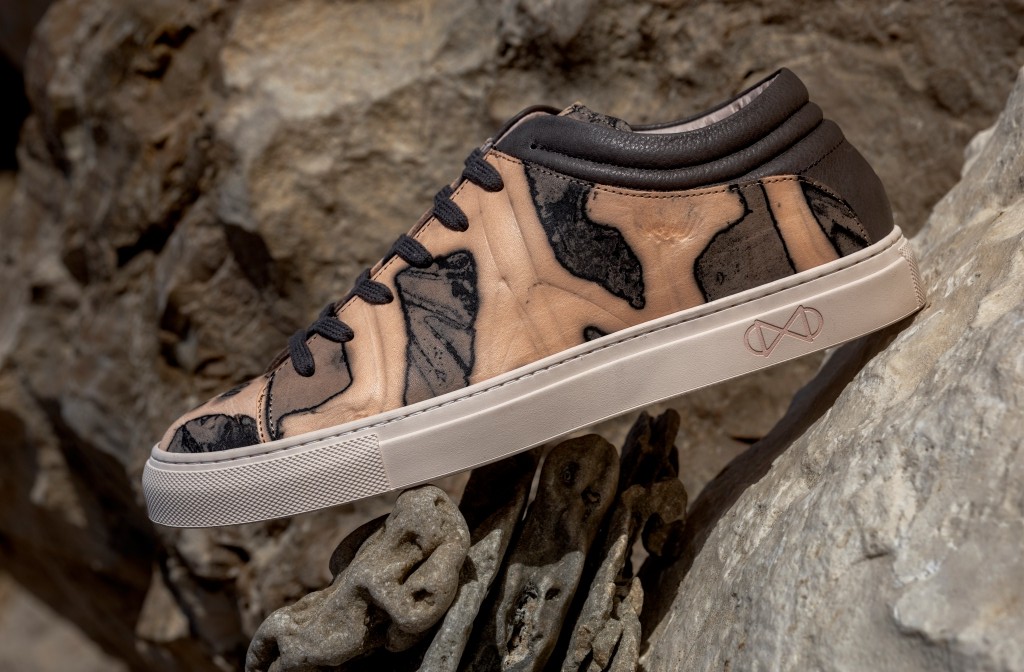
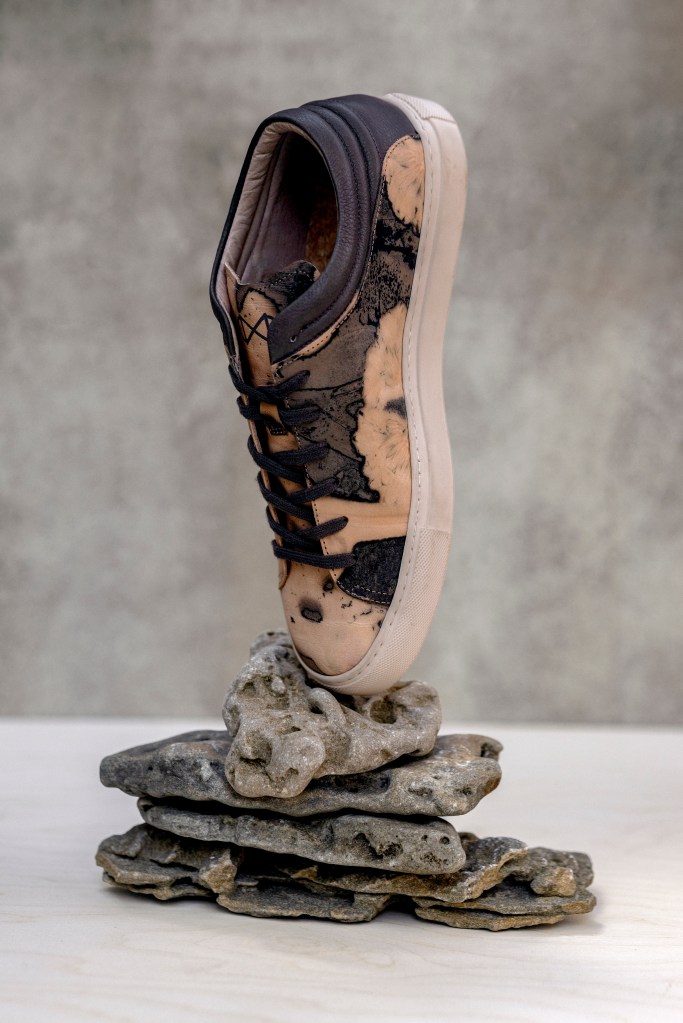
Munich-based footwear brand nat-2 has collaborated with designer Talia Luvaton to develop a series of handmade sneakers featuring an experimental material technique known as Rusted Leather. The project explores new aesthetic and material possibilities within vegetable-tanned leather through natural oxidation and botanical imprinting.
Designed by nat-2 founder Sebastian Thies, the sneakers are produced on request in Italy using responsible manufacturing processes. The collaboration highlights how material experimentation can create distinctive surface qualities while maintaining craftsmanship and local production values.
Rust and Botanical Imprints as a Natural Dyeing Process
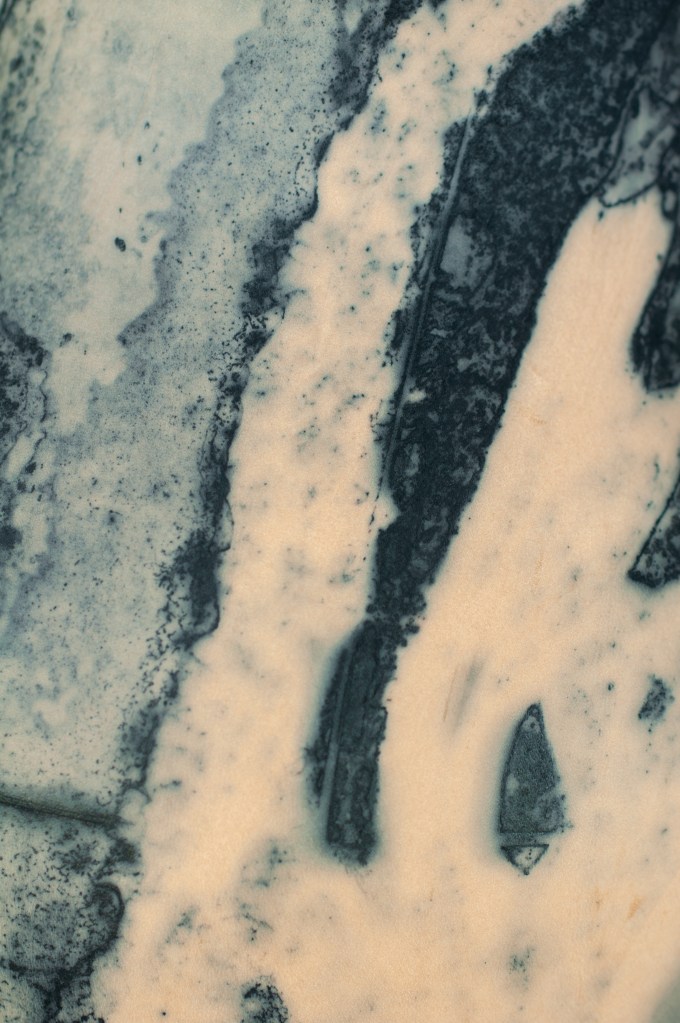
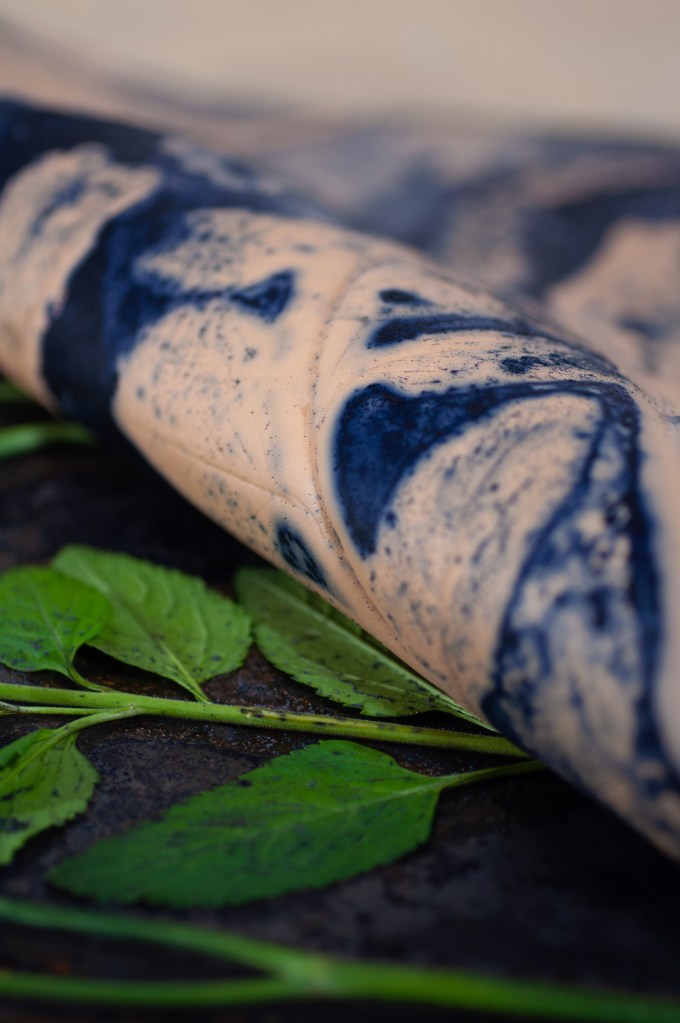
The Rusted Leather technique was developed by Talia Luvaton’s studio as part of ongoing material research into the physical and chemical behaviour of vegetable-tanned leather. The process involves placing wet leather in contact with oxidised metal elements. As moisture activates the interaction, rust transfers onto the leather surface, forming organic patterns and tonal variations.
Because the reaction occurs naturally, the resulting marks are unpredictable and cannot be replicated precisely. This makes each piece visually unique, emphasising the role of time, chance and transformation in the material.
The technique is further combined with fresh flowers, which leave botanical imprints during the process. These plant-based impressions interact with the rust oxidation, creating layered textures that highlight the material’s organic origin. The method effectively functions as a natural dyeing approach, relying on direct contact between leather, metal and plant matter rather than synthetic pigments.
Craftsmanship and Responsible Production
The sneakers are handmade in Italy using components sourced locally around the nat-2 workshop. Elements such as the outsoles, removable insoles, linings and laces are produced through responsible supply chains.
Each pair is made to order, reducing unnecessary inventory and supporting a slower production model. According to the designers, the project aims to combine material innovation, craftsmanship and sustainability within the context of luxury footwear.
Material Innovation Through Collaboration
The collaboration demonstrates how experimental material processes can generate new design expressions while drawing from natural chemical reactions. For designers, techniques such as oxidation printing and botanical imprinting offer opportunities to rethink surface treatments for leather and other materials.
Beyond footwear, similar approaches could inspire applications in accessories, interior products or material finishes where organic, non-repeatable patterns are desirable.
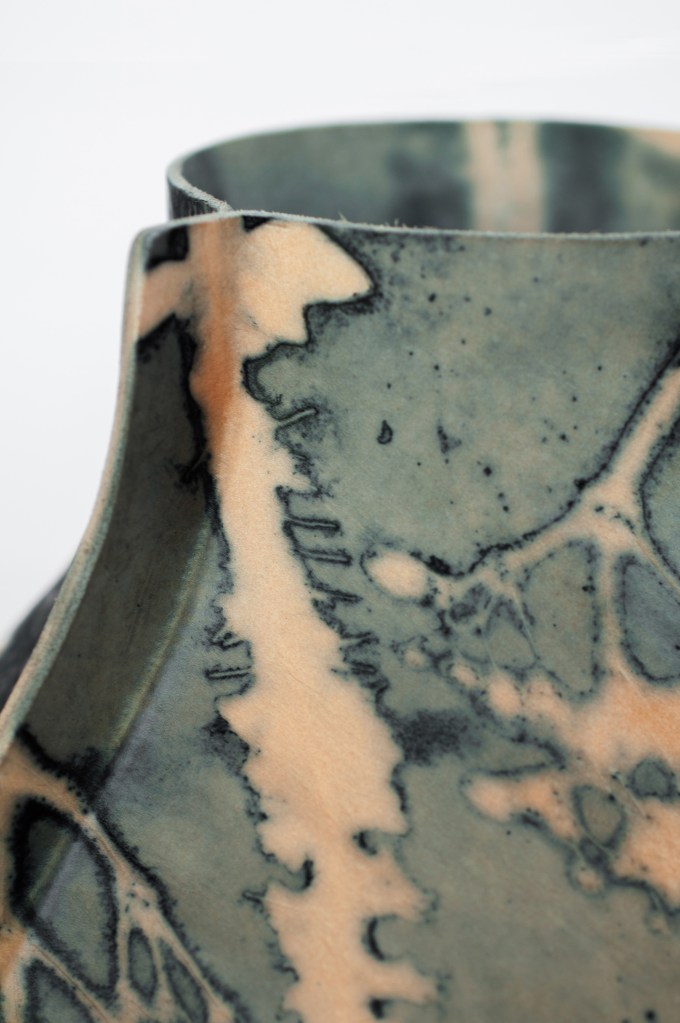
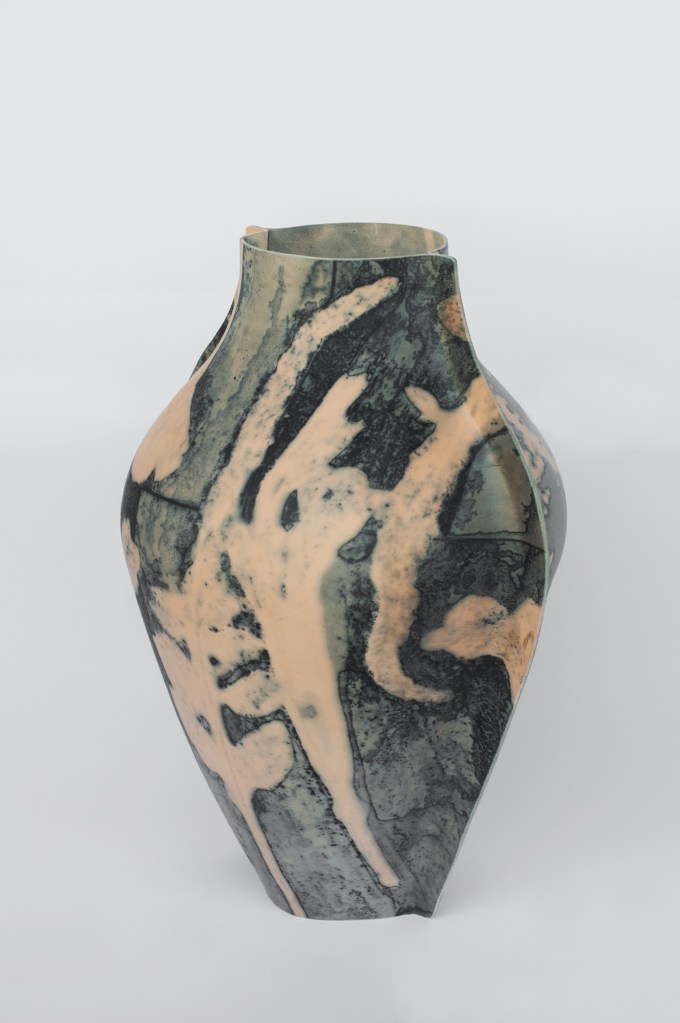
The collection includes the handmade sneakers as well as complementary objects such as vases and keychains, all featuring the same rust-based material treatment.
Source: nat-2
Photos: Sebastian Thies

Comments