Urban Shade Inequality: Why Tree Placement Matters For Climate-Responsive Design
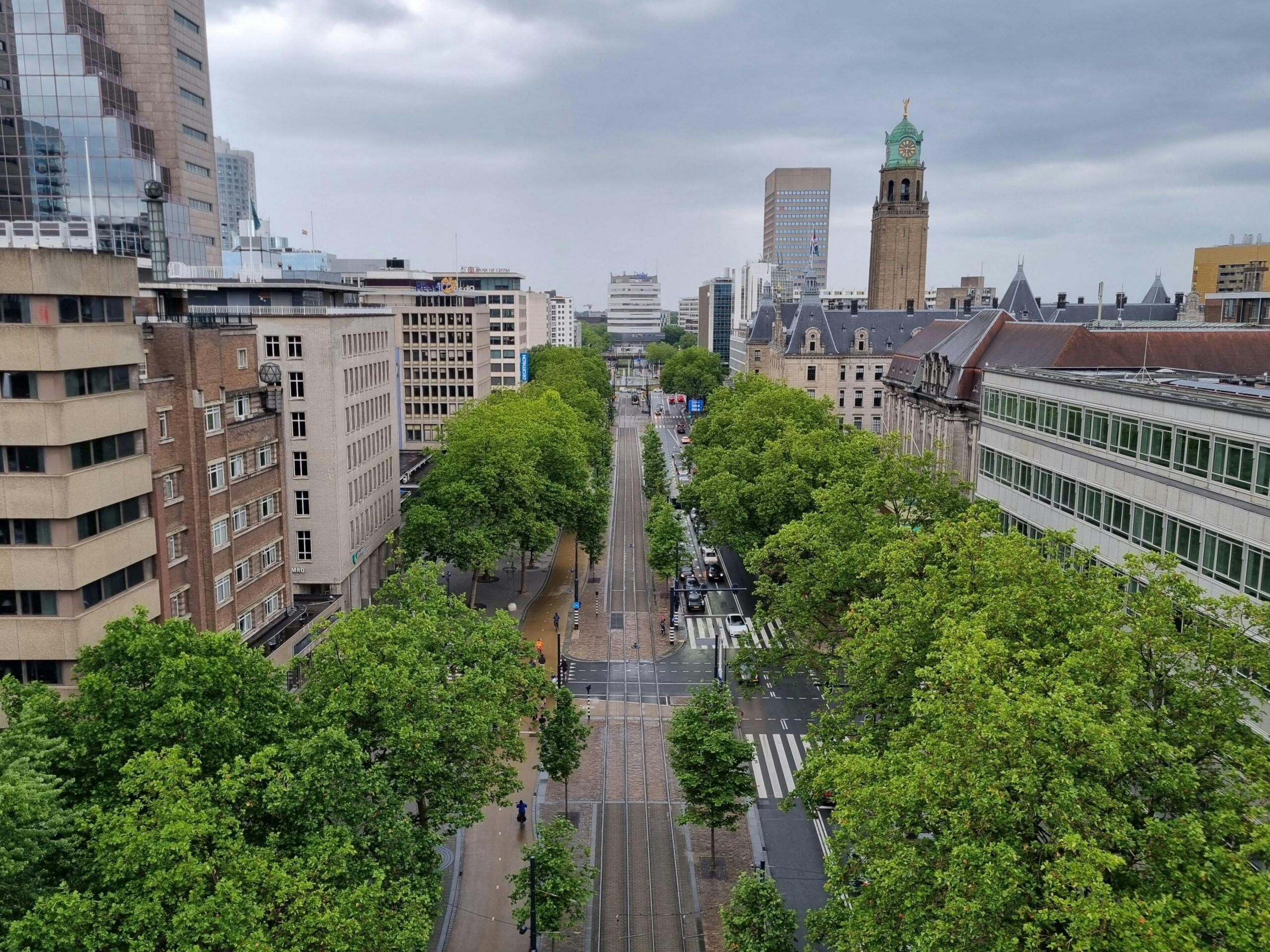
A recent international study led by MIT highlights a growing challenge for cities worldwide: unequal access to urban shade. While trees are widely recognised as a simple and effective way to reduce heat in cities, their distribution is far from equitable. The findings reveal important implications for architects, landscape architects and urban designers working on climate-adaptive environments.
Shade As A Critical Urban Material
Trees function as more than greenery—they act as a natural, biobased infrastructure that directly influences microclimates. By lowering surface temperatures and reducing heat stress, tree canopies play a key role in mitigating the urban heat island effect. This is particularly relevant as cities face rising temperatures and increasing pressure to create liveable public spaces.
The study, published in Nature Communications, analysed nine cities across four continents, including Amsterdam, Barcelona, Stockholm and Sydney. Using satellite data and urban mapping, researchers assessed the amount of shade available on pavements during peak heat conditions. Sidewalks were chosen as a focus due to their importance as everyday public infrastructure.
Inequality In Urban Cooling
Across all cities studied, a consistent pattern emerged: wealthier neighbourhoods benefit from significantly higher levels of tree cover and shade. This disparity persists regardless of a city’s overall greenery. Even in relatively well-shaded cities such as Stockholm and Amsterdam, lower-income areas experience noticeably less shade.
The research introduces a shade index ranging from 0 to 1. In Stockholm, many neighbourhoods score between 0.6 and 0.9, while parts of Rio de Janeiro fall below 0.1. Yet the most striking finding is not the variation between cities, but the inequality within them. In some cases, disparities are even more pronounced in wealthier cities.
For designers, this highlights a critical gap between environmental performance and social equity in urban planning.
Designing For Climate Equity
The study proposes a clear, actionable strategy: prioritise tree planting along public transport routes and pedestrian corridors. These areas serve populations that rely most on walking and public mobility, often overlapping with lower- and middle-income communities.
This approach reframes trees as functional design elements rather than purely aesthetic features. Removing mature trees in high-use pedestrian areas—even if replaced elsewhere—can reduce their climatic and social value. Shade, in this sense, becomes a form of public infrastructure, comparable to transport or utilities.
Implications For Designers
For architects and landscape architects, the findings reinforce the importance of integrating biobased solutions into urban design at a systemic level. Tree placement should be considered early in the design process, aligned with movement patterns, urban density and social needs.
As cities continue to densify, the role of natural materials such as trees in regulating climate will only grow. Ensuring their equitable distribution is not just a matter of sustainability, but of public health and urban resilience.
Source: MIT
Photo: Lauren Hoeks

Comments