Icelandic Wool Acoustic Textiles
Request Information
Please sign in first or register for free to contact KULA by bryndis.
- story by MaterialDistrict
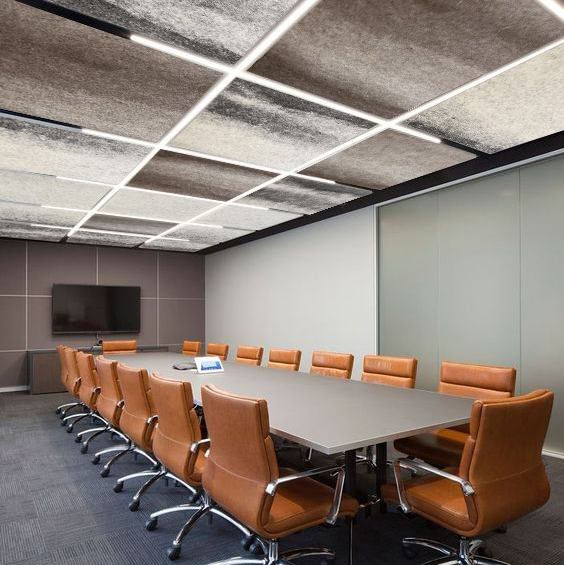
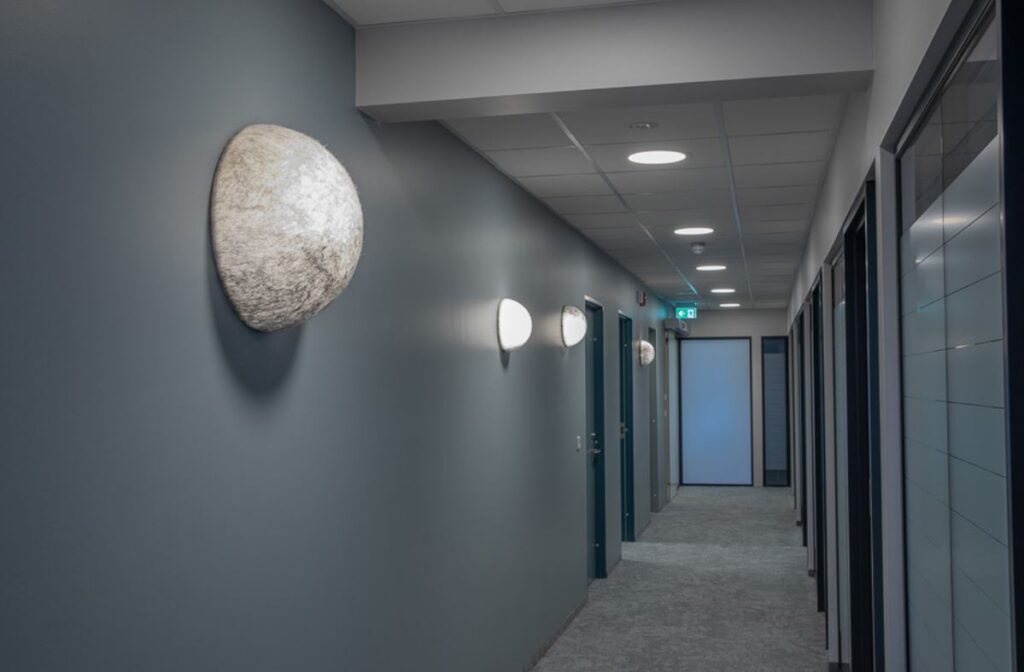
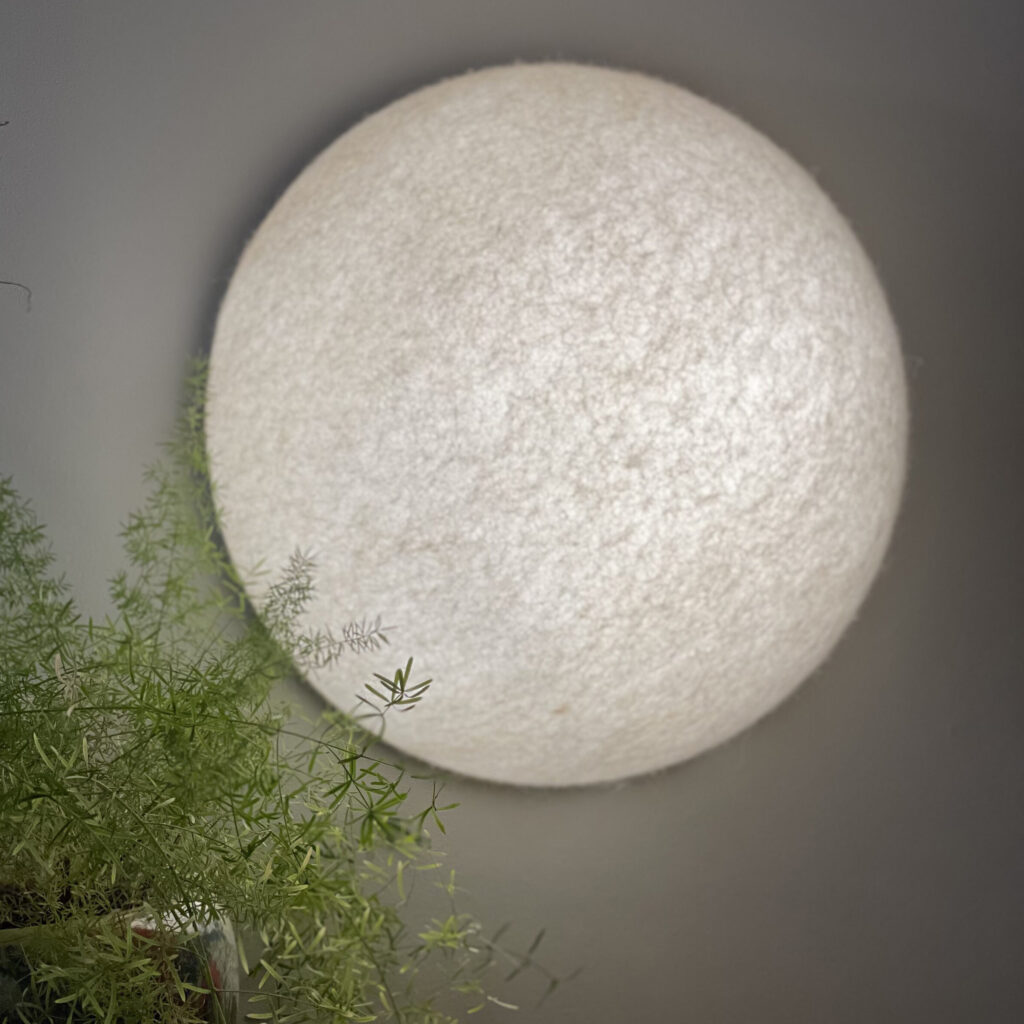
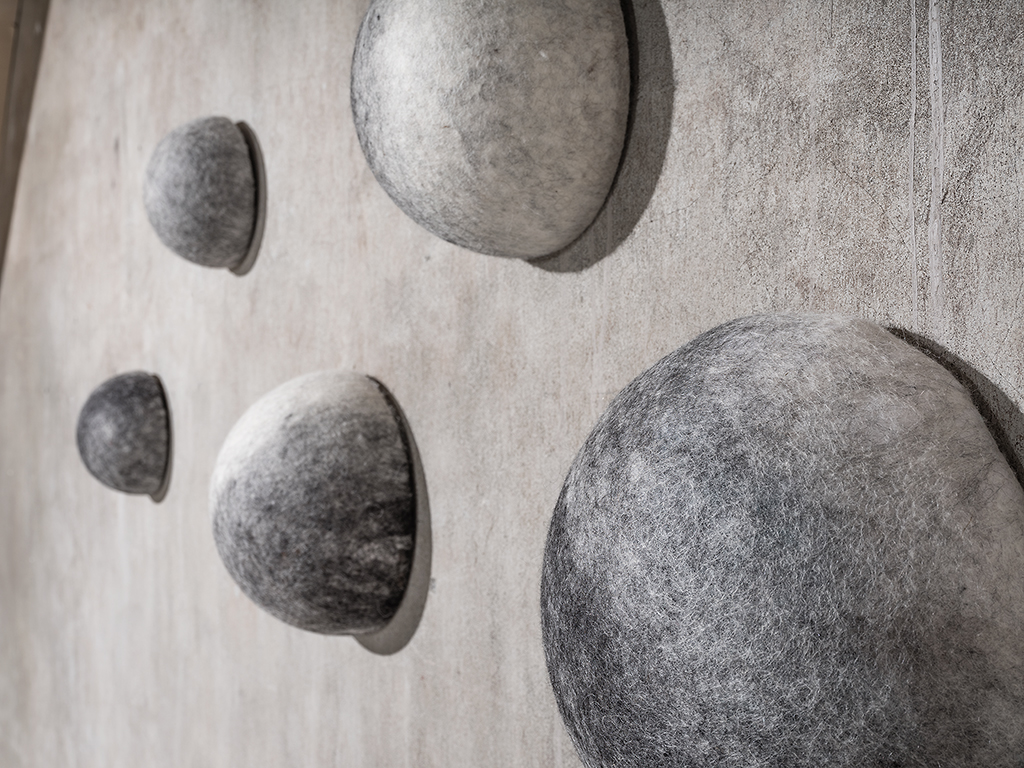
The soft felted Icelandic sheep wool used for the top layer of the products has unique absorption qualities, which are reinforced during the production process. It should be noted that the production of wool does not require the use of oil or gas.
The production process is aimed at forming fabrics that are strong enough to stay in place, while maintaining as much softness as possible to ensure the highest level of sound absorption. This results in a material that is soft, with a more organic texture than usual.
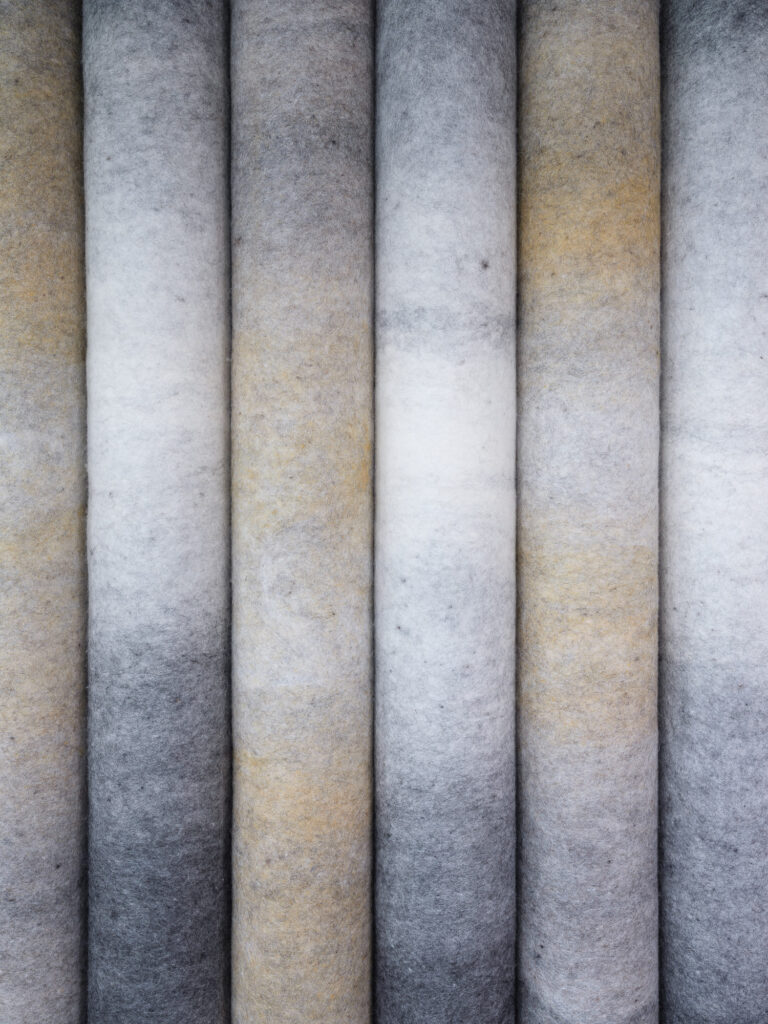
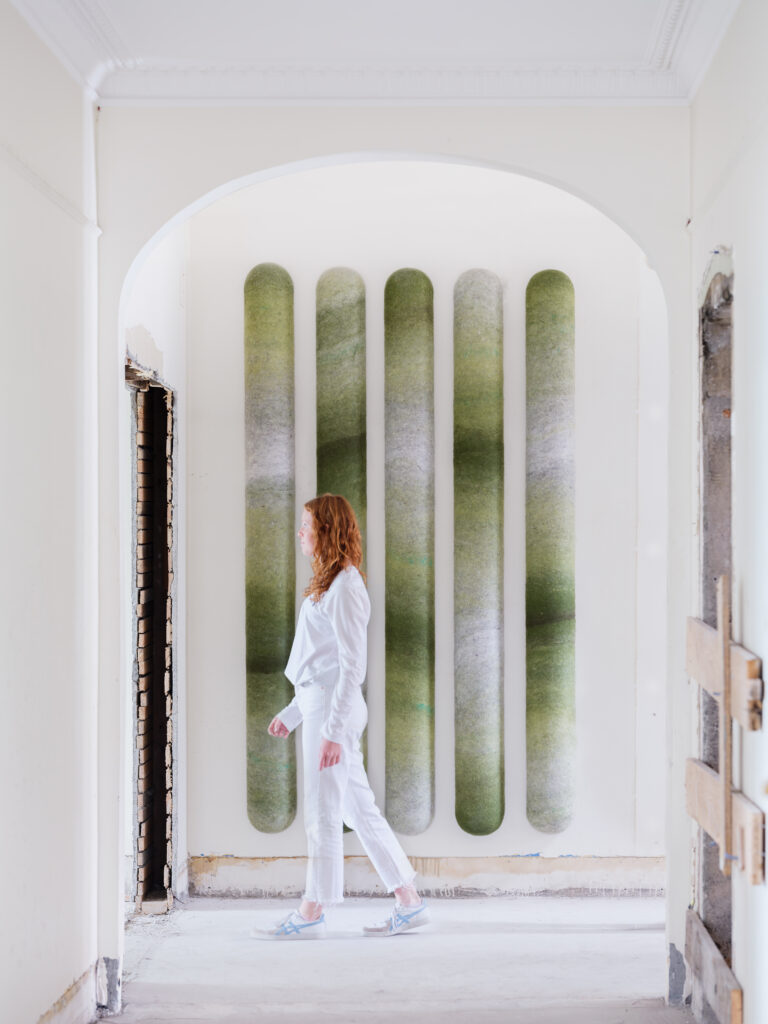
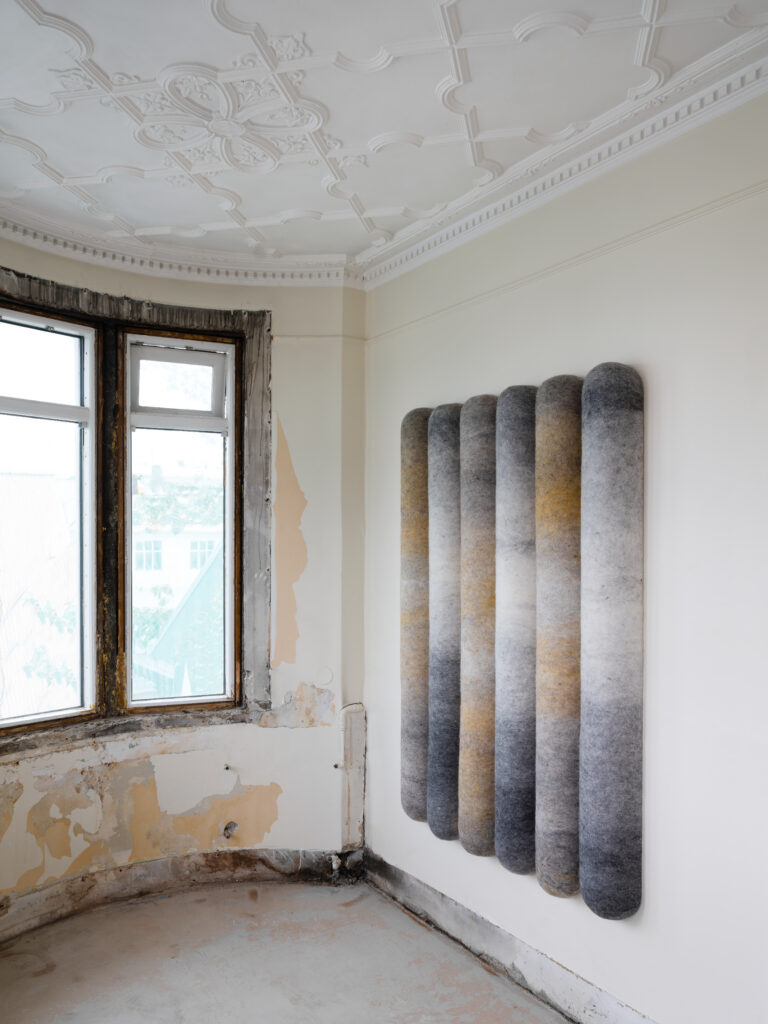
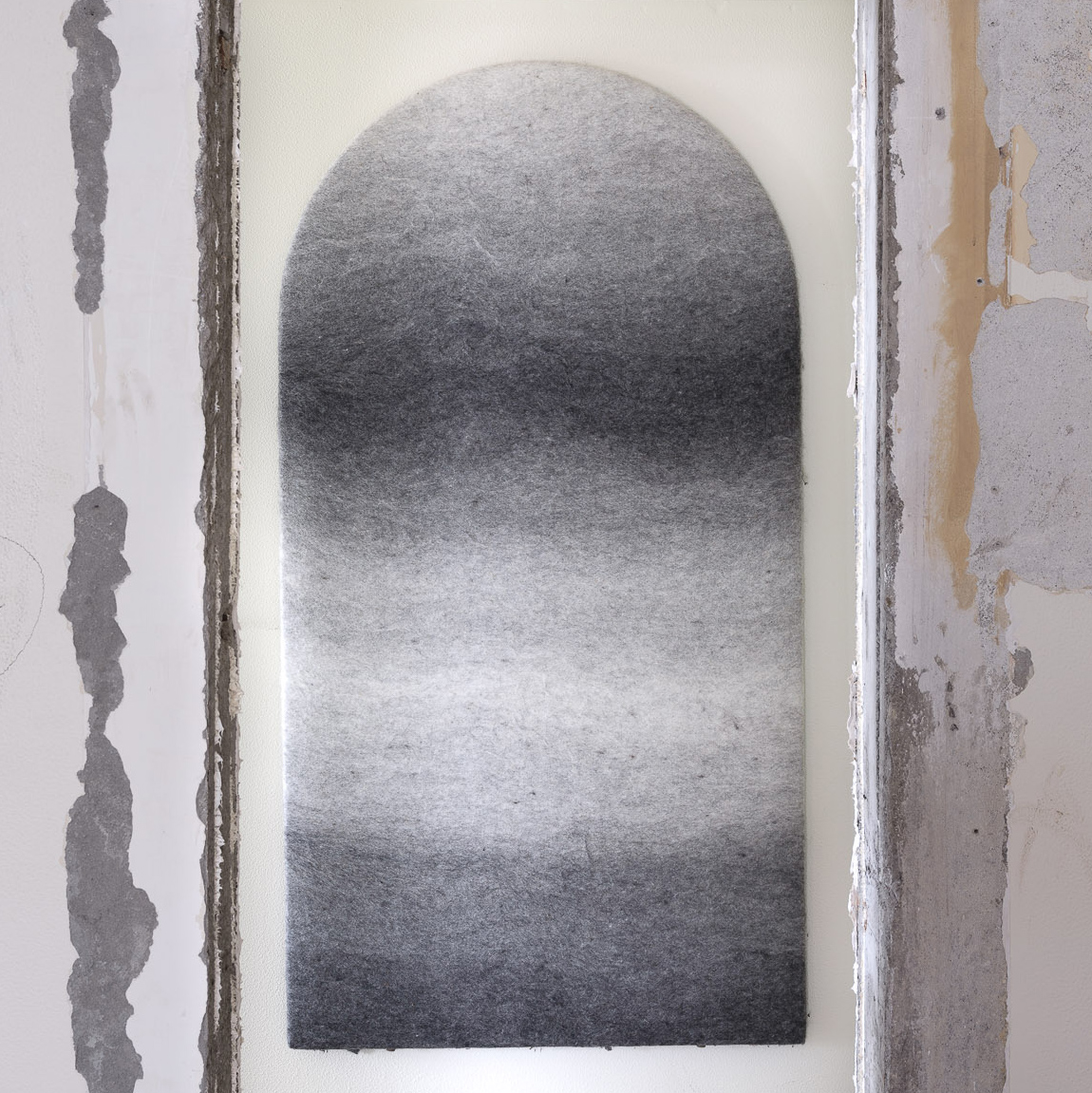
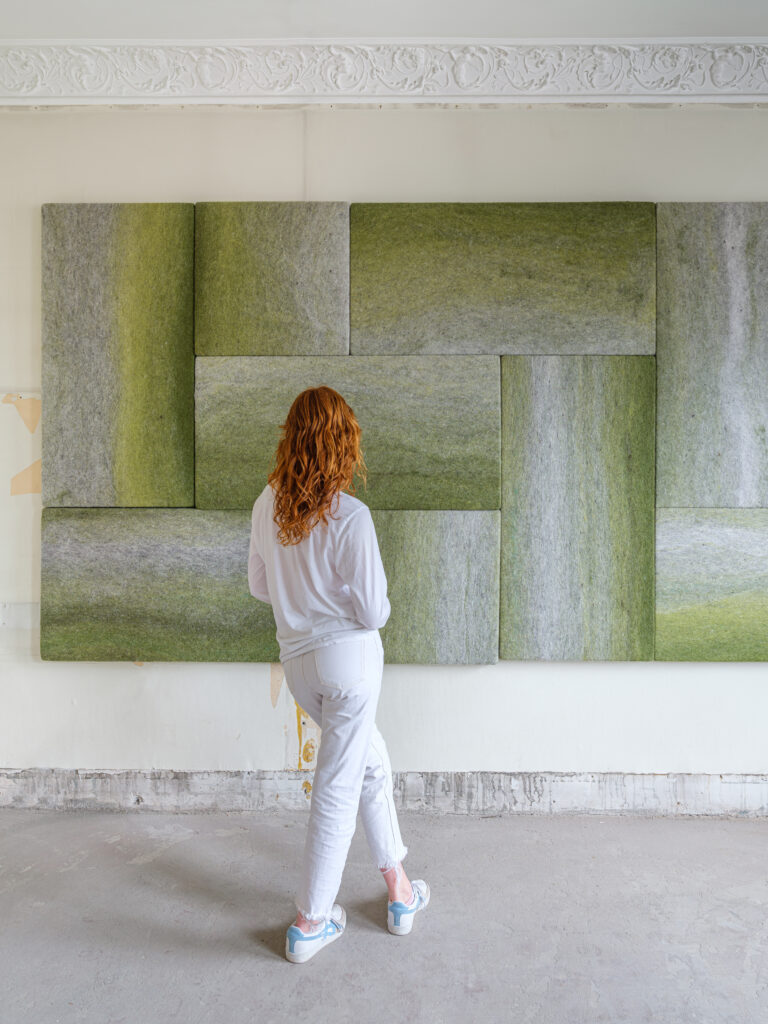
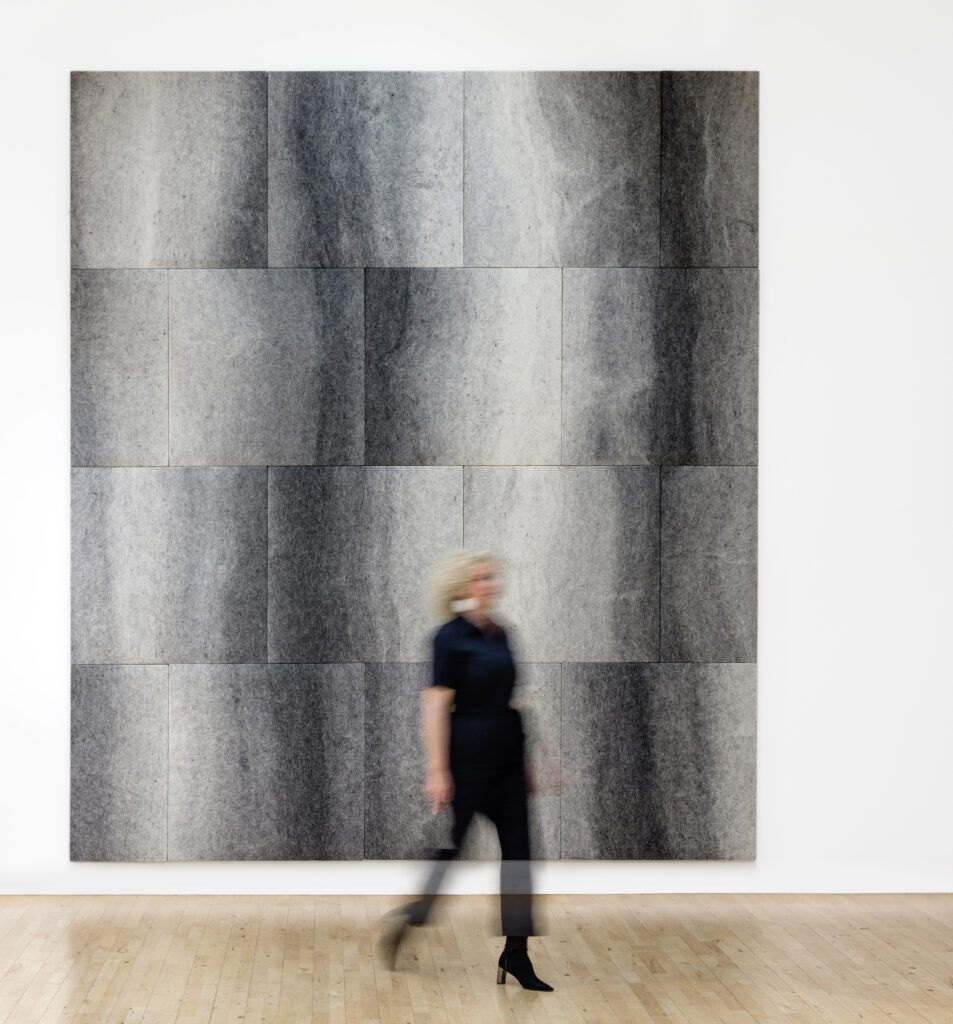
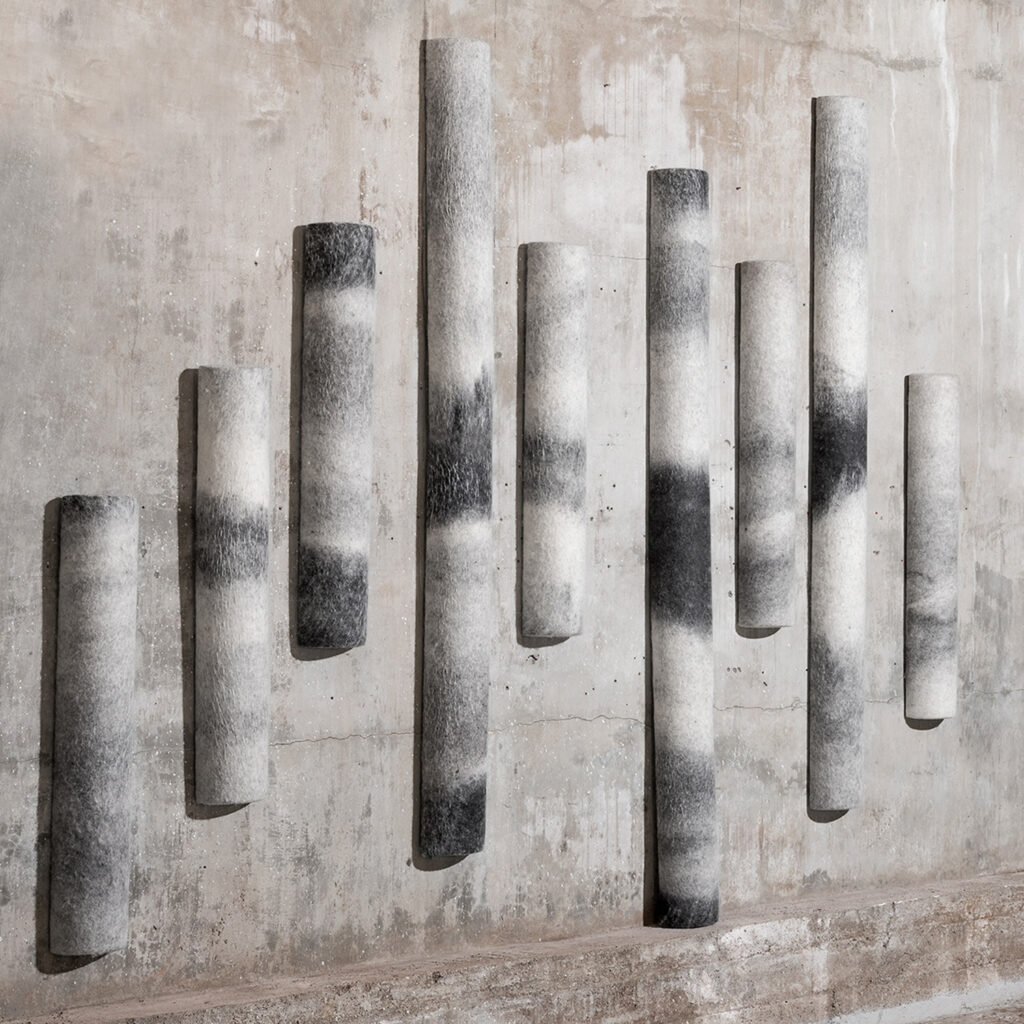
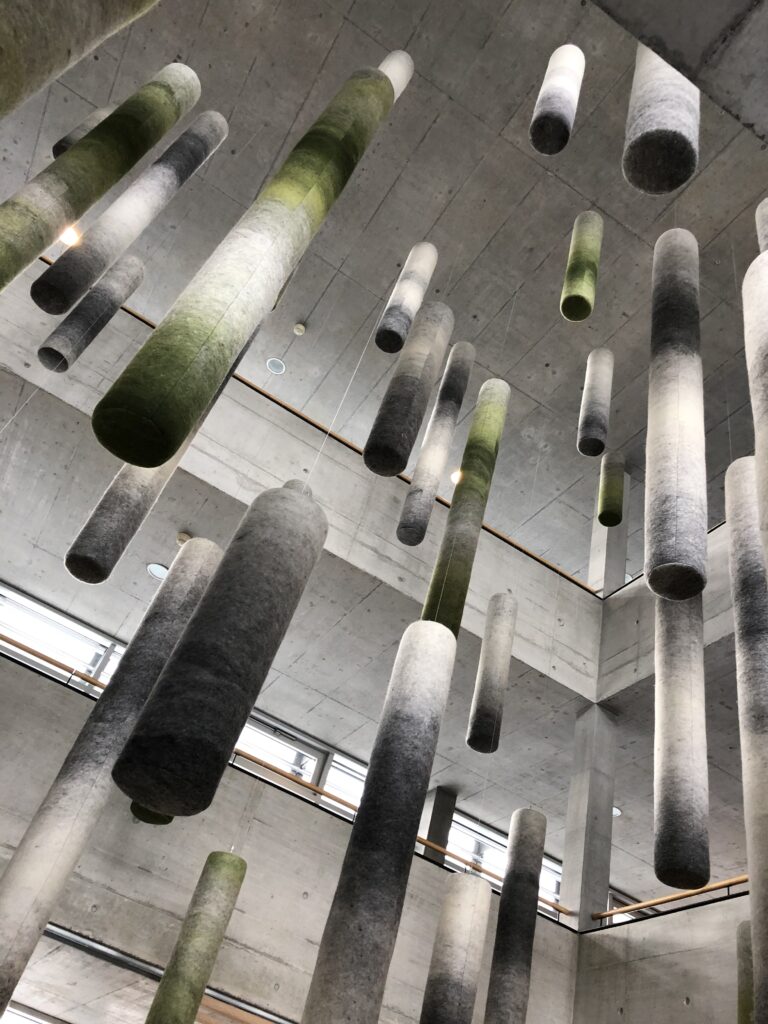
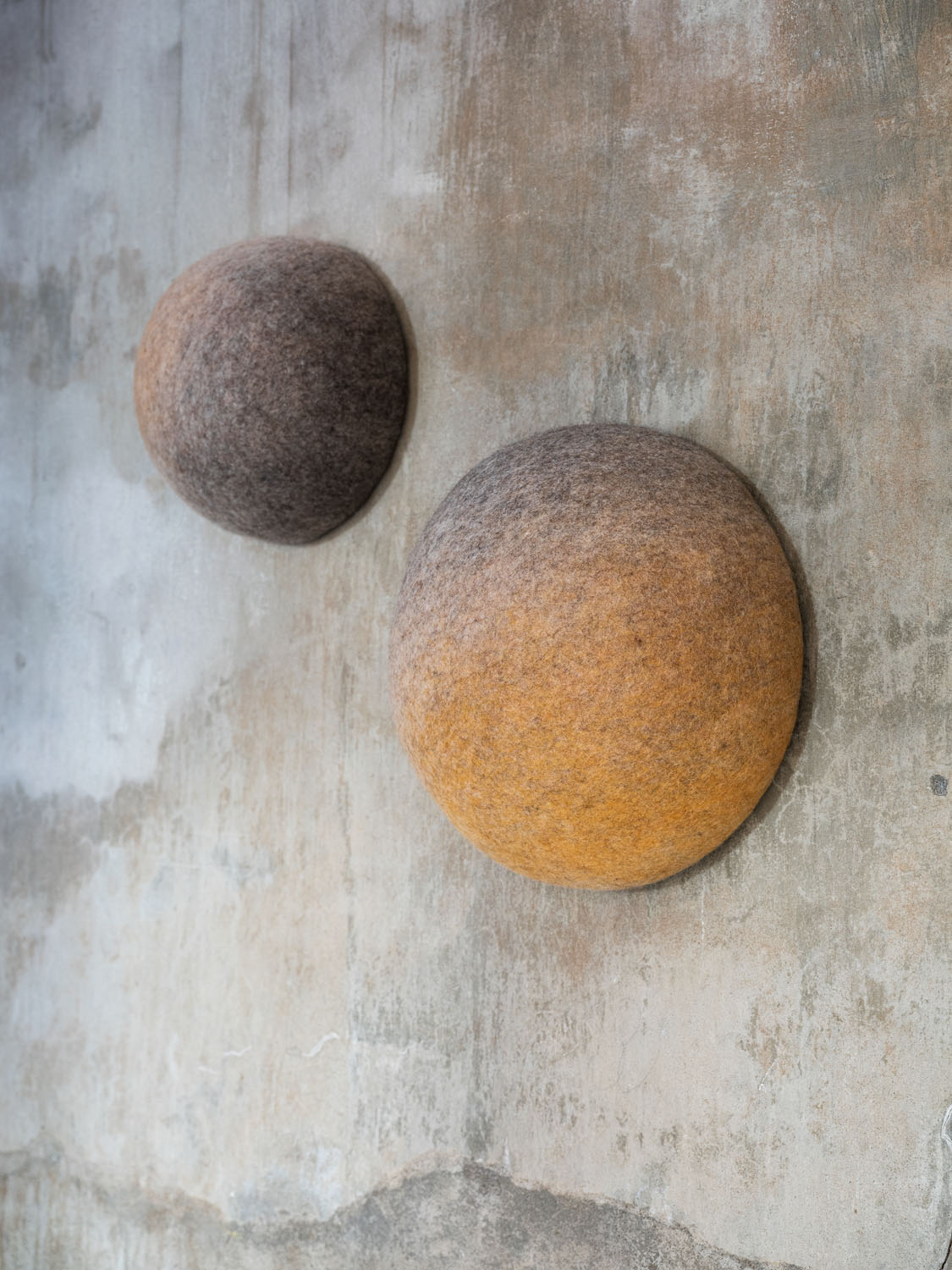
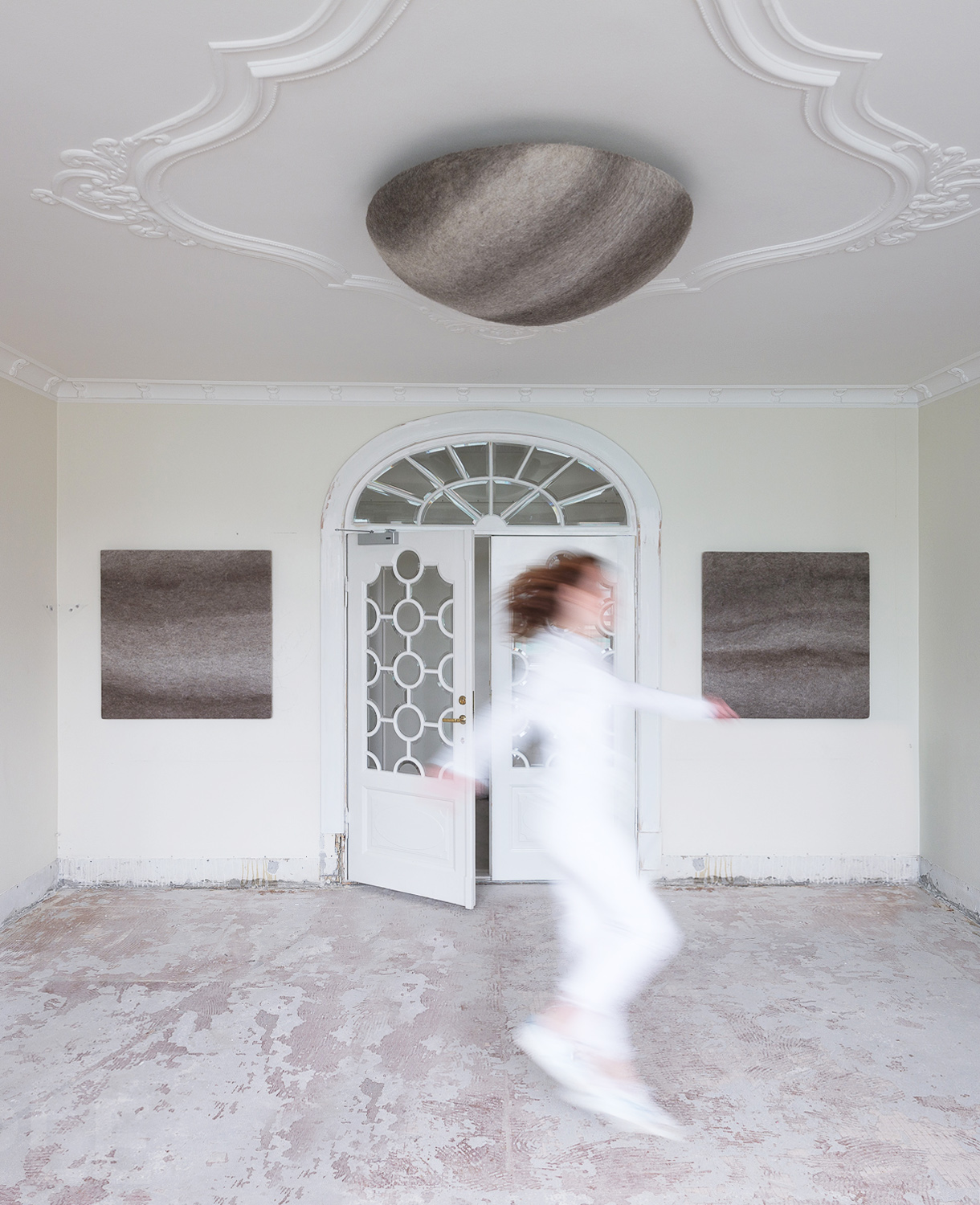
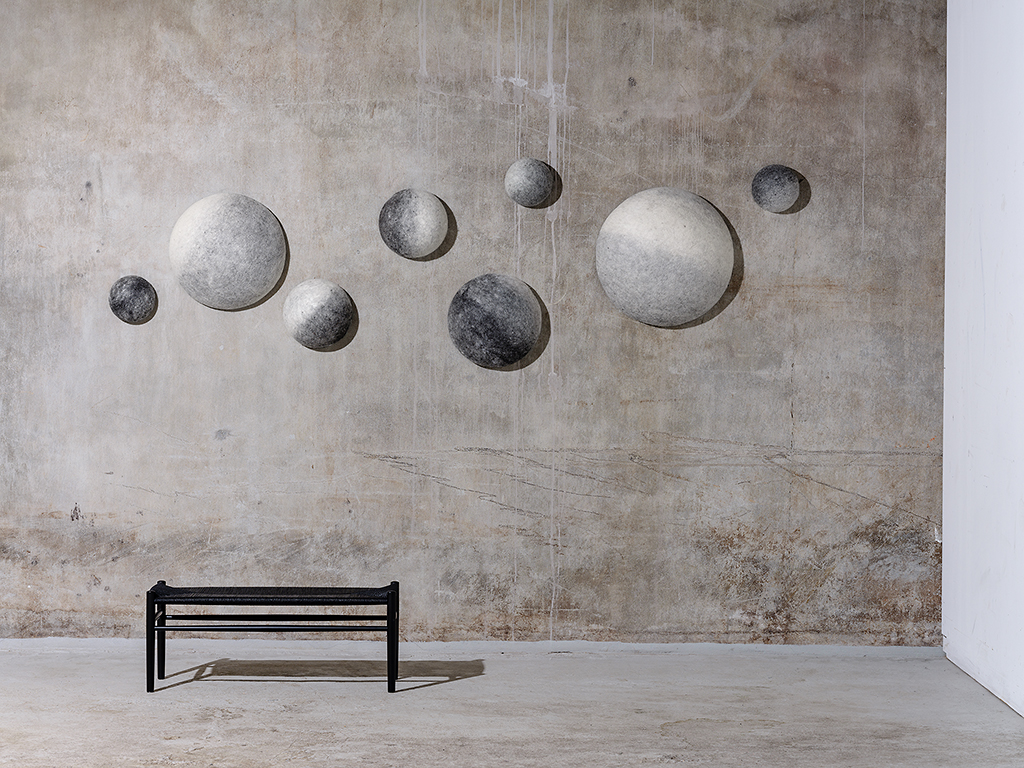
In the felting process, it is also possible to add layers of different colours that blend into each other, always creating a unique pattern, as seen for example in the Earth Matters textile range. As a result of the soft felting process, the textiles are highly stretchable, making it possible to wrap them easily around three-dimensional shapes without the need for stitching.
Each material is unique, as the zero-waste fibres mix differently each time.
The silent natural landscapes of Iceland are a key source of inspiration, brought into interior spaces. The aim is to introduce sustainability into the world of sound-absorbing materials, embracing the concept of slow production and using only materials provided by nature. The main raw material is Icelandic sheep wool, which has distinctive properties.
The wool consists of both long, coarse fibres and short, soft fibres. These include inner fibres, which are soft, fine, and highly insulating, and outer fibres, which are long, glossy, and water-repellent. This combination increases the amount of air within the wool, improving its ability to absorb vibration. A soft felting technique is used to ensure these properties are preserved without overly compacting the material.
The products are inspired by Iceland’s landscapes, including plateaus, mountain peaks, fresh lava, hot springs, and fertile lowlands. Their shapes, textures, and colours reflect the diversity of the landscape, from deep fjords to high glaciers.
Iceland is one of the least populated countries in Europe, with a large part of its surface uninhabited. The materials and products reflect this connection to nature and a sense of calm and tranquillity.
The aim is to combine the aesthetic qualities of natural materials with effective acoustic performance.