ZAINZURIAK
Request Information
Please sign in first or register for free to contact Amelie Traub in collaboration with the Basque BioDesign Center.
- story by MaterialDistrict
April – for many people in the Northern Hemisphere, this month marks the awakening of spring. But for some, it means much more: Finally, it’s asparagus season. With its comparatively long and tensile fibers, asparagus presents an attractive natural source for the fiber component of a fiber (composite) material.
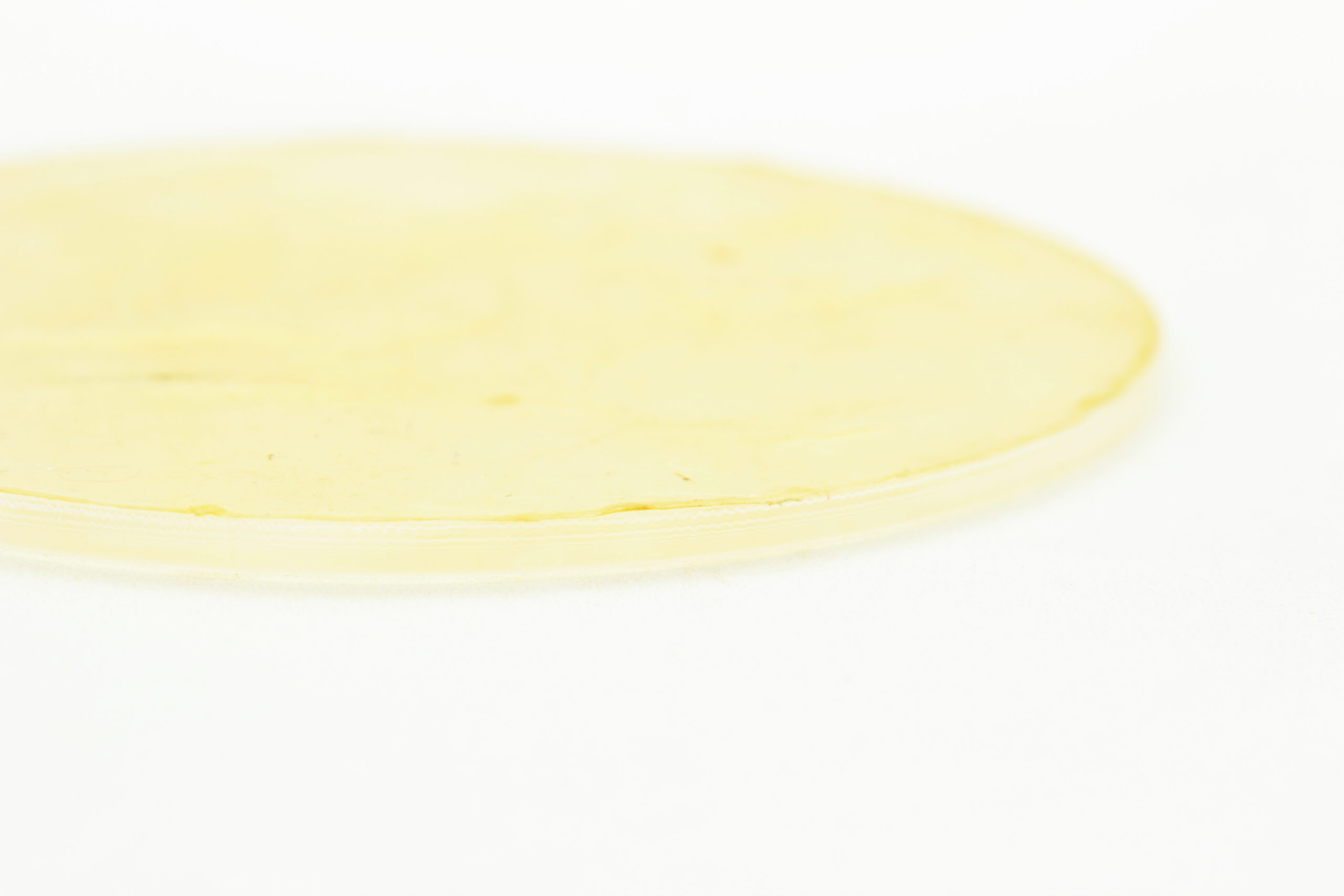
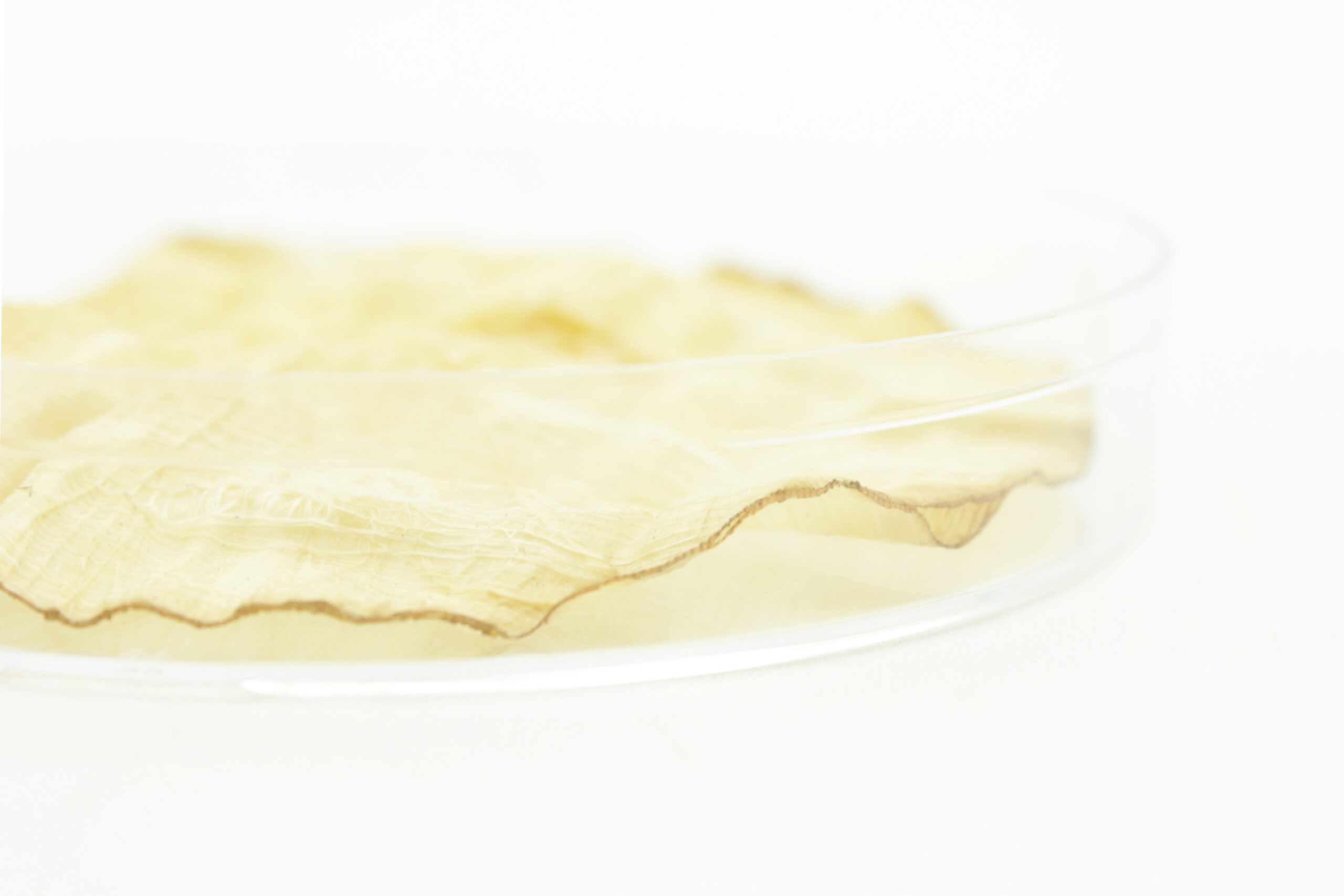
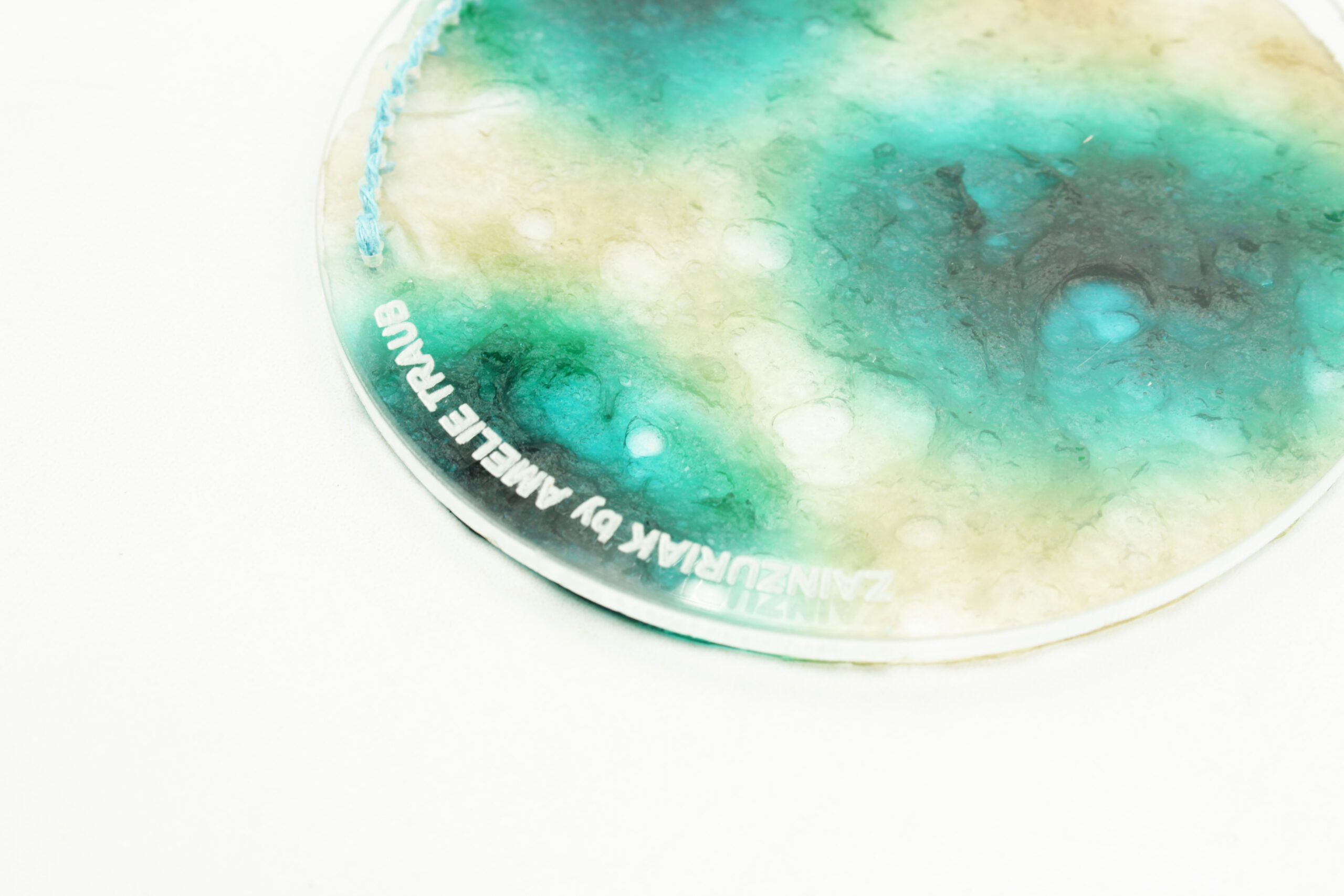
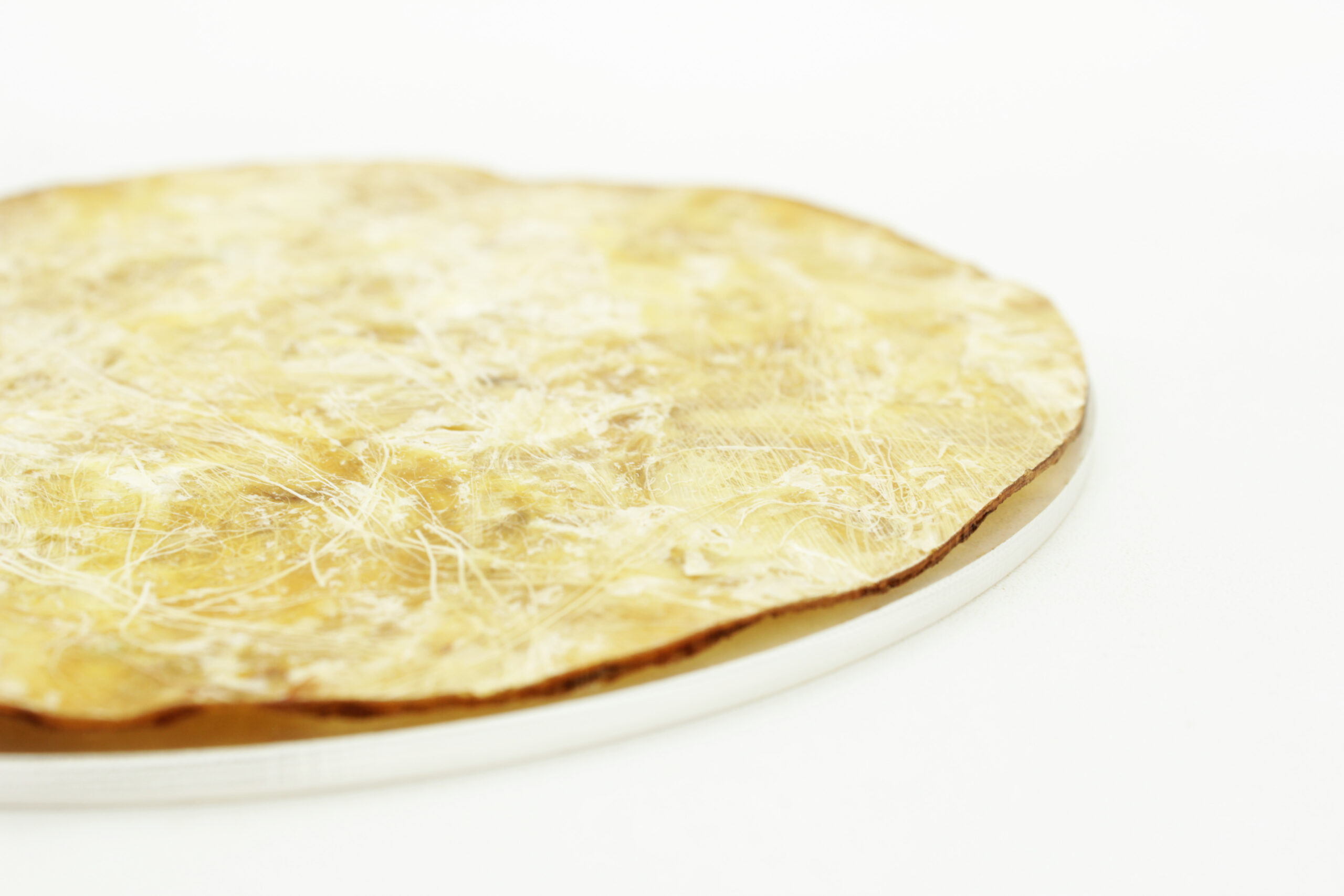
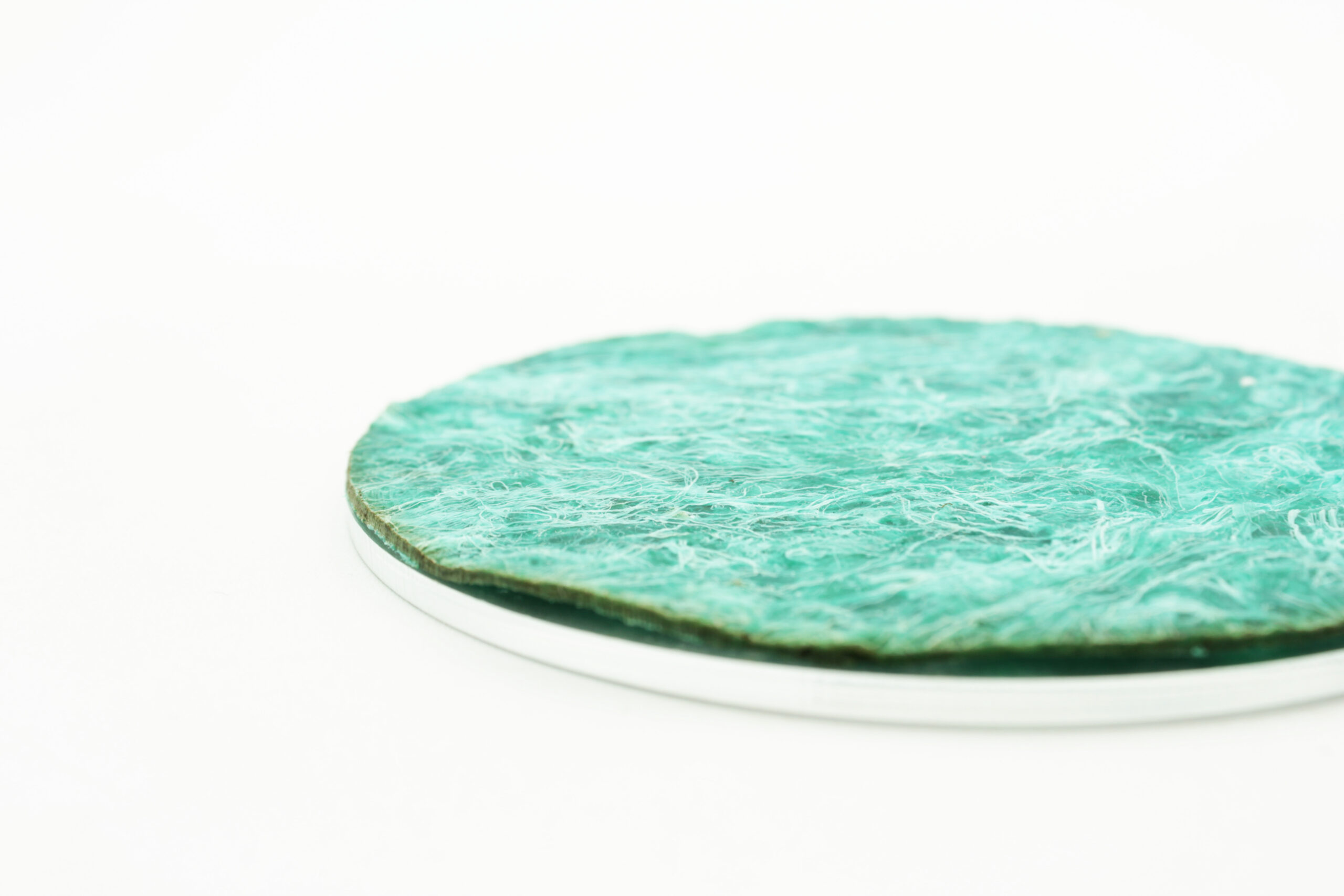
A lot of “waste” is generated in the asparagus industry. Although the condition of the vegetable may not allow its consumption in some cases, it might still be wonderfully suitable for material engineering purposes. The material samples represent the results of experiments with various approaches to transform asparagus, its individual components and byproducts of its production into materials with promising property profiles.
The goal of this project was not to find a single ideal asparagus material, but rather to investigate the production processes within the asparagus industry, identify various types of waste generated at different stages, and creatively explore their potential for manufacturing uses.
The result is a diverse array of materials: some focus on the fibres, others on the peel. Some samples are pure asparagus fibers without any additional binding substances, while others utilize the nutrient-rich asparagus cooking water as a base for bioplastics or even for cultivating bacterial cellulose via kombucha. These materials are woven, layered, or pressed, but they all share a common origin: ZAINZURIAK (the Euskera word for “asparagus”).