Channels
Browse materials, stories, brands, events and talks grouped by theme.
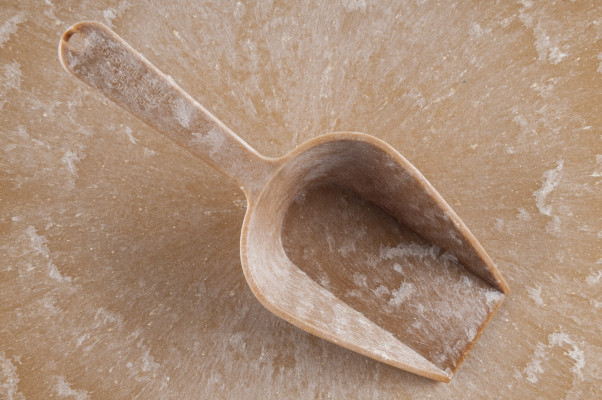
Bio-based materials
Materials grown rather than extracted. From established bio-based sources — hemp, flax, cork, bamboo, wool, straw — to living and biofabricated materials such as mycelium, algae and bacterial cellulose. Renewable by origin, and increasingly capable of matching conventional materials on performance.
All channels

Materials designed to be used again. Reuse and recycled content, design for disassembly, material passports, urban mining, and products made from waste streams. As circularity moves from ambition into regulation, this is where the practical answers are.

Materials that absorb, insulate and shape sound. Panels, felts, textiles, perforated surfaces and structural solutions for offices, schools, healthcare and hospitality — where acoustic comfort is increasingly part of the brief from the outset.

Materials that react. Surfaces that change with temperature, light, moisture or touch, embedded sensors, self-healing and shape-shifting materials, and interactive surfaces that turn a building element into an active component.
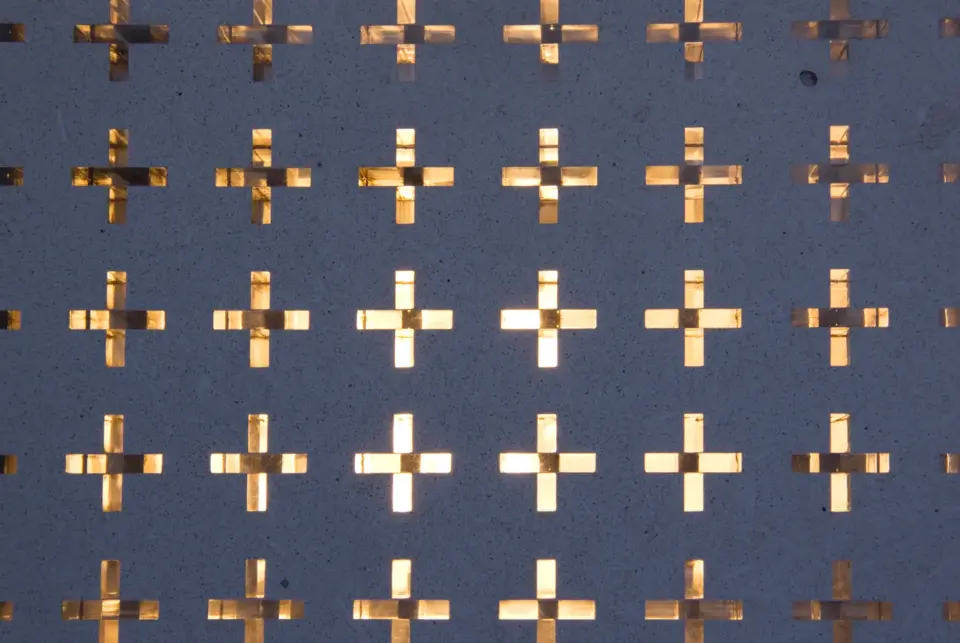
Sense & Sensibility features materials that stimulate the senses through colour, texture, sound, scent or other sensory qualities. These materials create engaging, tactile and emotionally resonant experiences within products and spaces.
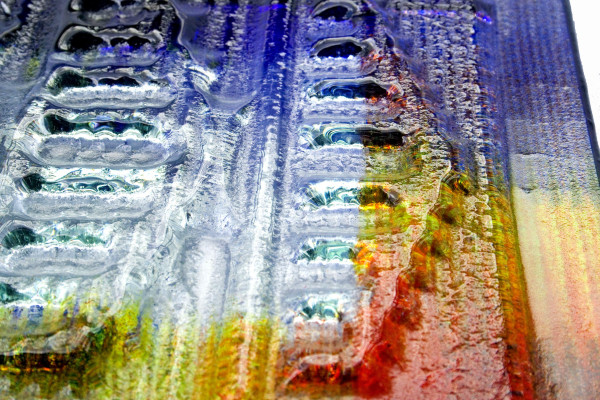
Where materials are heading. Speculative and experimental work, early-stage research, biomimicry and nature-inspired design, and the cultural shifts that decide which materials we will be specifying in ten years' time.

How materials are produced is changing as fast as the materials themselves. 3D printing and digital fabrication, robotics, local and on-demand production, new forming and finishing techniques, and the return of craft through digital tools.
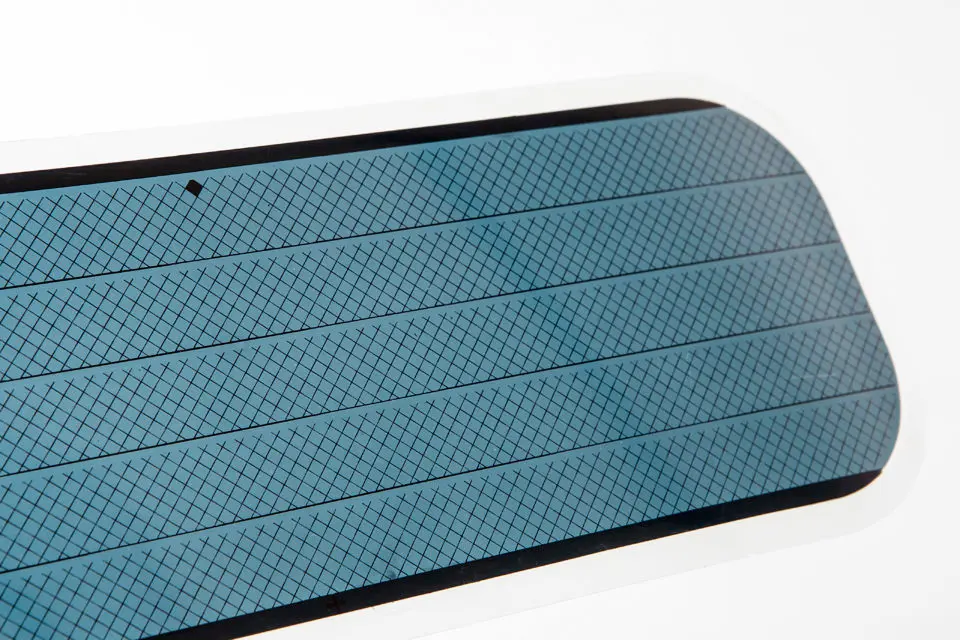
Materials that generate energy or withstand what is coming. Building-integrated photovoltaics, solar glass and energy-harvesting surfaces, insulation and thermal performance, and materials built for heat, water and extreme weather.
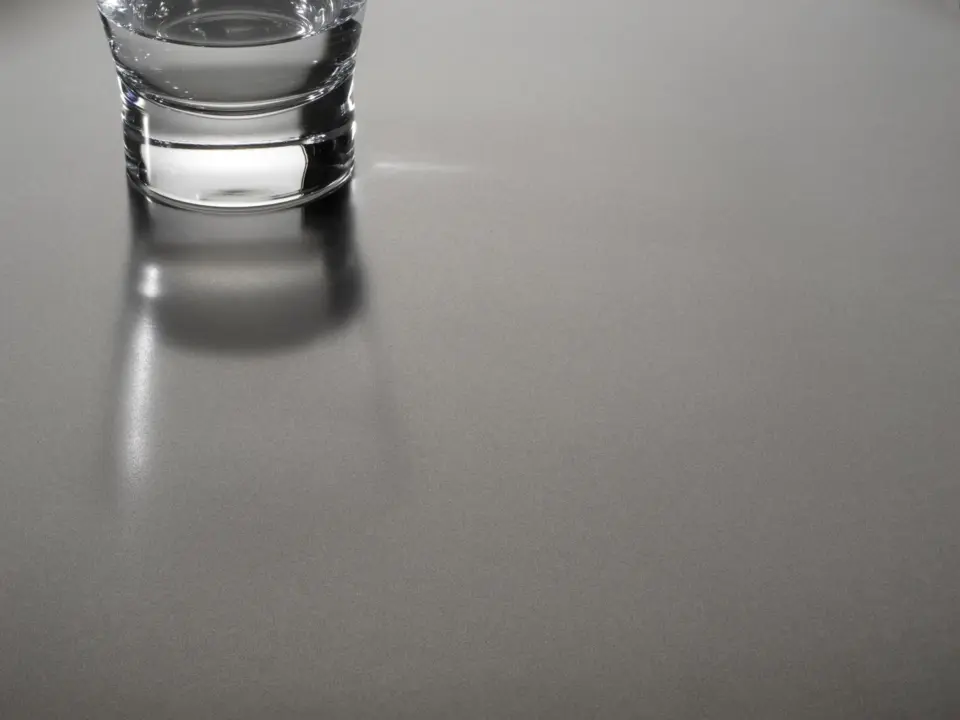
Materials that do no harm. Low- and zero-VOC finishes, formaldehyde-free boards, lead- and phthalate-free surfaces, antibacterial and antimicrobial materials, and products with verified emissions testing. Where biophilic design is about how a space feels, this is about what a material releases into it.
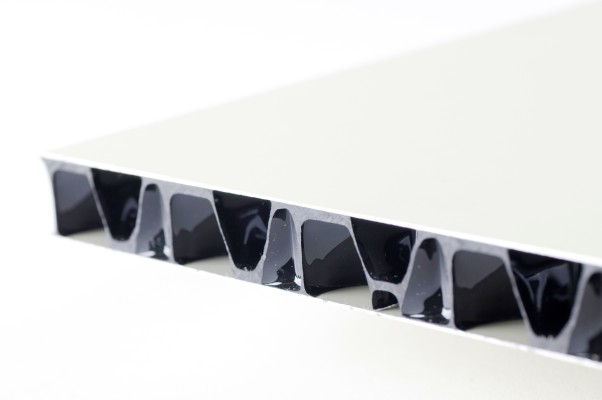
As buildings continue to grow to unprecedented heights, weight is an increasingly important factor in the material choice of these gravity-defying buildings. Lightweight materials are essential for buildings reaching new heights. Production considerations are also important. The ‘less is more’ principle is certainly true - less material means less waste and a design that is often cheaper to produce as well as being better for the environment.
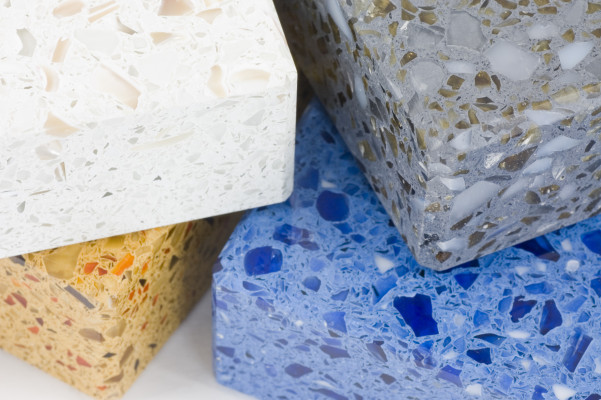
Embracing sound ecological principles in materials is one of the most revolutionary recent developments in the built environment. The world is increasingly focused on the health of the environment and materials are of great importance in creating a cleaner, more ecologically sound world. Buildings often use great quantities of a single material so it is important that such materials are targeted for reuse, returning them back to a cycle of contribution to society rather than discarding them into landfills.
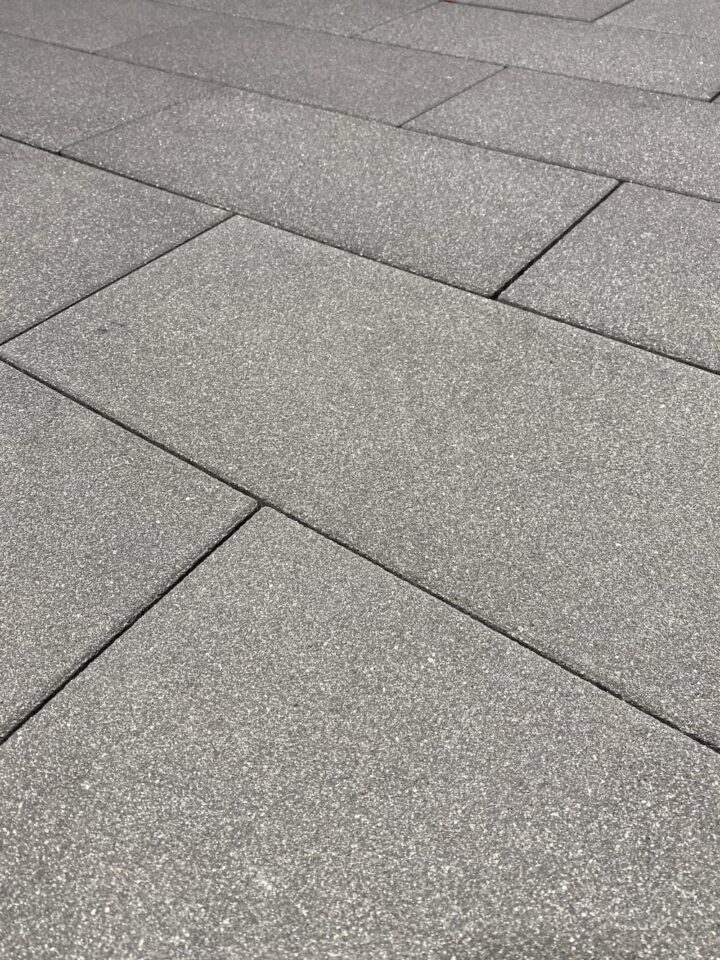
The carbon question, material by material. Embodied and whole-life carbon, EPDs and environmental data, low-carbon cement and steel, carbon-storing and carbon-negative materials, and the decisions that determine a project's footprint before construction begins.
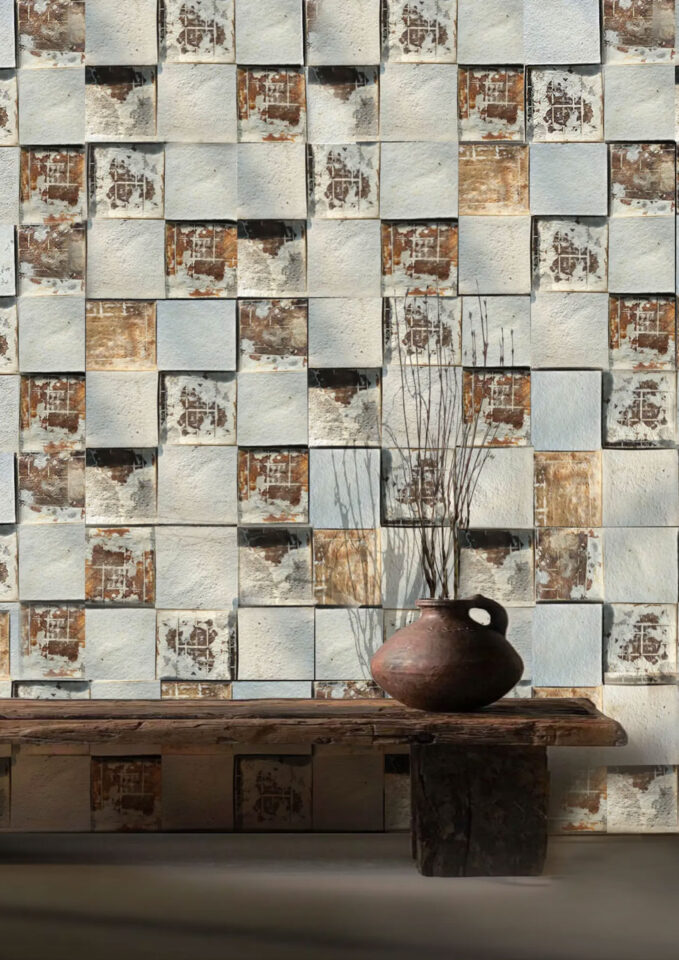
Living Materials explores materials grown from or made with living organisms, including algae, moss, mycelium and bacteria. This theme highlights how biological growth processes can create renewable materials with new properties, aesthetics and applications.

Materials chosen for the people who live with them. Biophilic design, natural textures and daylight, healthy indoor air, low-emission and non-toxic materials, tactile comfort and acoustic wellbeing. Design that supports health rather than merely avoiding harm.

Beyond sustainable, towards net positive. Materials and systems that restore rather than deplete: regenerative agriculture and forestry as a material source, soil and ecosystem health, and nature-inclusive building. The leading edge of where the field is moving.

Materials which transmit, refract of reflect light, or allow light through by means of transparent elements in a material, are increasingly popular in the designed and built environment. Design enhancements to translucent materials such as colour-changing agents or layers of solar, thermal, acoustic and even antibacterial protection add to the quality of buildings, spaces and objects both aesthetically and functionally.
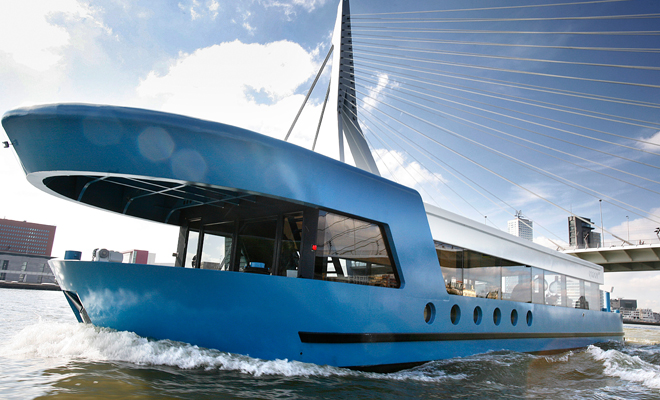
The hospitality industry has a broad scope. Many complex issues are at hand: overcapacity and the economic climate, yet new hotels are constantly being built. How is this possible? There are socio-demographic changes in the needs of guests, so what new concepts and opportunities are there? Spa & wellness, hotels, resorts, restaurants, cafes, museums, theaters, yacht building, all have a place in this themed period. New concepts, the finest materials for the best experience, the craziest projects, and top architects and designers: we have a programme full of Leisure & Hospitality activities for everyone.
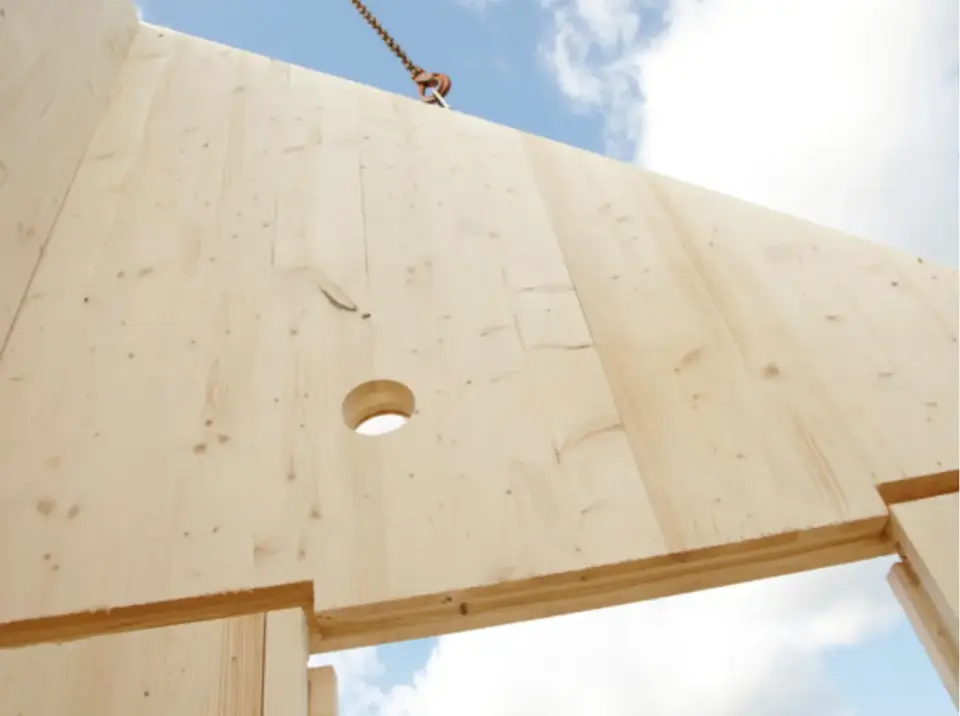
Building with wood. Mass timber and cross-laminated timber, engineered wood, timber towers and hybrid structures, modified and fire-treated wood, cladding and facades. The fastest moving field in structural design, and one of the few that stores carbon while it builds.
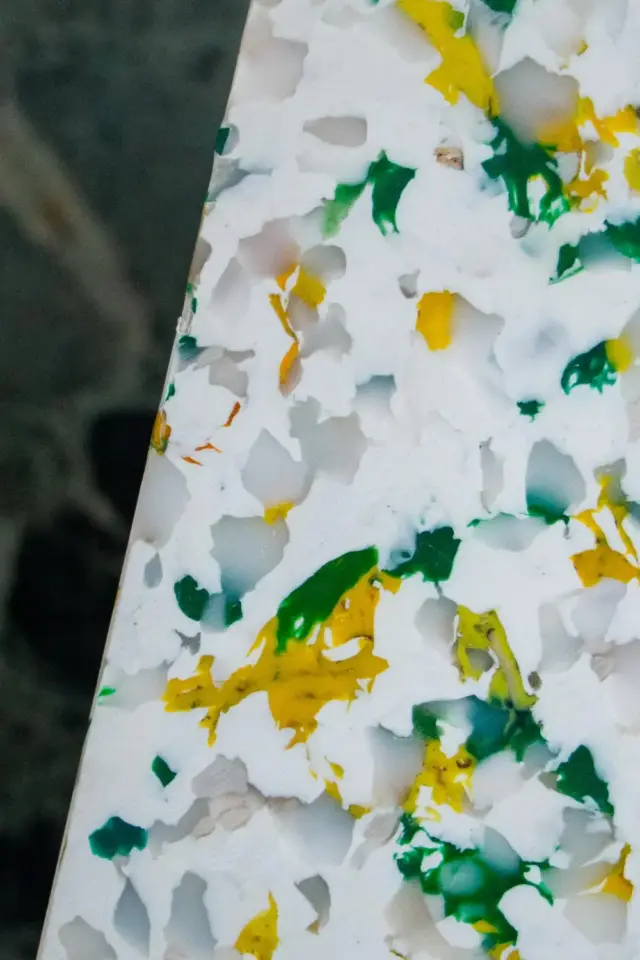
Recycling gives discarded materials a new purpose by transforming them into resources for new products and applications. This channel explores innovative processes that reduce waste, preserve raw materials and support a more circular economy.