Search
122 results for “recycled textile”
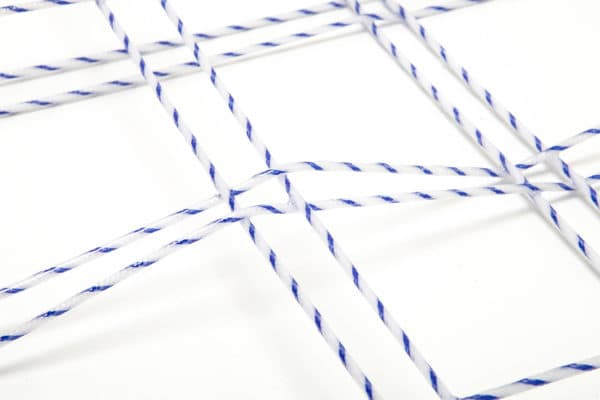
- Standing textilesThe strong and sturdy structure gives the suggestion of a solid volume, but the lack of support and hollowness make them seem on the edge of breaking. The volumes are built up, thread by thread, on a custom-made weaving loom.
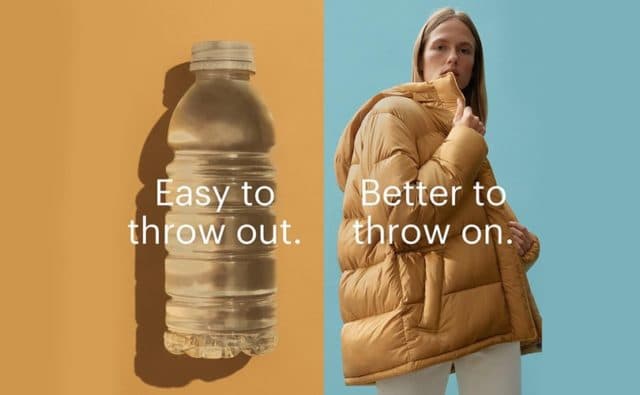
- How sustainable is recycled polyester?Author: Marjorie van Elven from FashionUnited About 49 percent of the world’s clothing is made of polyester and Greenpeace forecasts this percentage to nearly…
- Wood Fibre TextilesTextiles made of wood include Tencel, Viscose, Lenzing FR and Lenzing Modal. Tencel is more absorbent than cotton, softer than silk and cooler than linen. Viscose is naturally botanic, absorbs moisture well and is pleasant on the skin. Lenzing FR offers protection from different kinds of heat: fire, radiant heat, electric arcs, molten metals and flash fires. Lenzing Modal is extracted from beech wood.
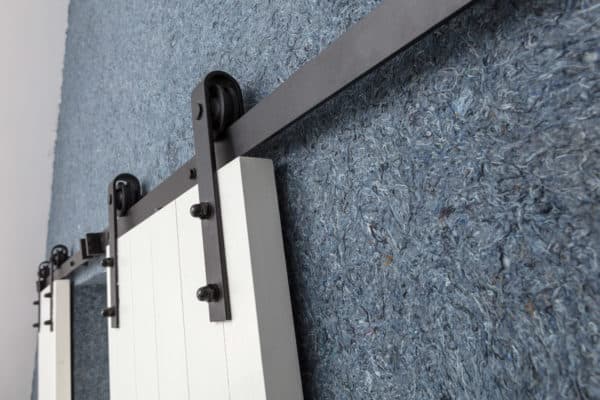
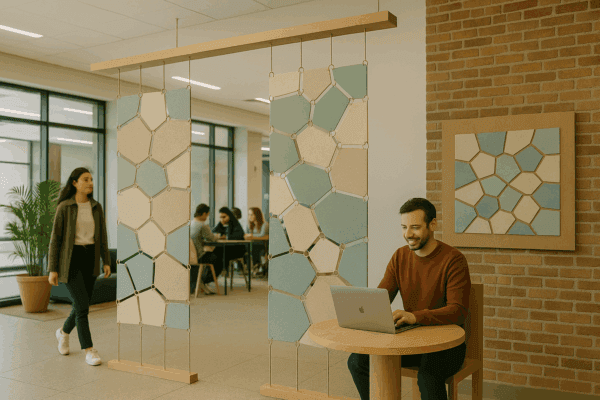
- Recycled Jeans on The WallRecycled Textile on the Wall and Recycled Jeans on the Wall are sustainable wall and ceiling decorations made of textile fibres. Discarded clothes and jeans are turned into a decorative and acoustic wall covering by unraveling the clothes and mixing the resulting fibres with a biobased glue. By using fibres of different colours and with additions to the fibres, interesting decorative effects can be created.
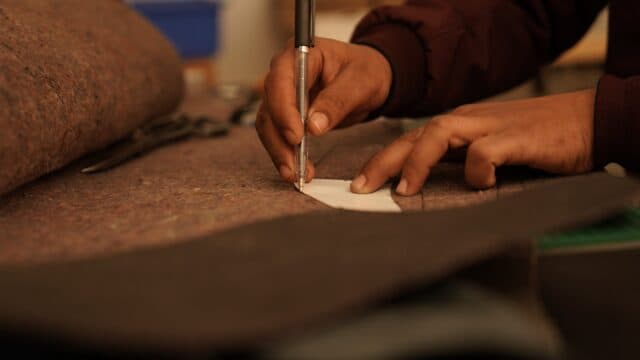
- UNWASTE™ – Cushioning from Post-Consumer TextilesUNWASTE™ is a cushioning material developed by A BLUNT STORY as an alternative to conventional plastic-based foams used in footwear uppers. It uses 100% post-consumer garment waste that is unsuitable for resale or conventional recycling. Mixed and damaged textile waste is processed and transformed into a cushioning material for lifestyle footwear, diverting it from incineration or landfill.
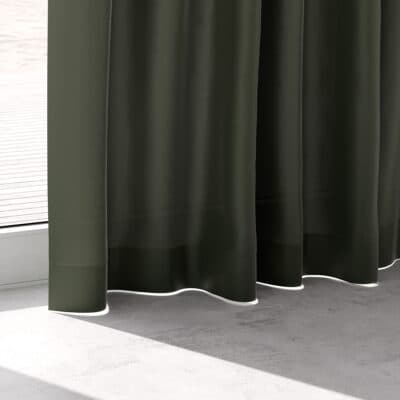
- Stella CS recycled fabricStella CS is a semi-transparent taffeta fabric by Nya Nordiska, developed for both residential and contract interiors. The textile is available in a palette of 28 solid colours, ranging from light, understated neutrals to deeper, more saturated tones, allowing for a wide range of colour combinations and applications. The fabric is woven from 100% recycled polyester Trevira CS yarn and weighs approximately 100 g/m².
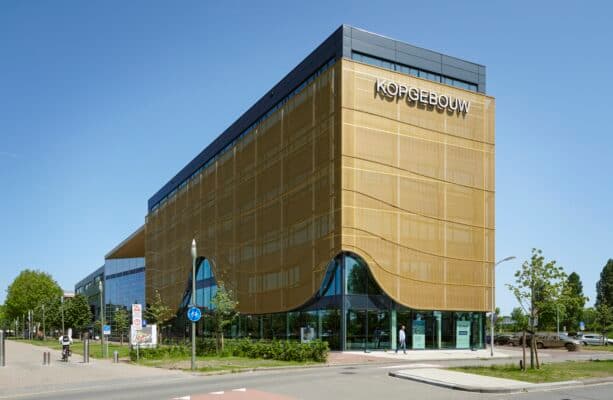
- Air-Purifying Textile Façade by Schüco Reduces NOx by 30%German building systems manufacturer Schüco has developed a textile façade that purifies the air by breaking down harmful nitrogen oxides (NOx). Using sunlight, the…
- DePoly to Launch Showcase Facility for Fossil-Free PET RecyclingSwiss cleantech company DePoly will open a 500-tonne-per-year demonstration plant this summer in Monthey, Switzerland. The facility is designed to validate its chemical recycling…
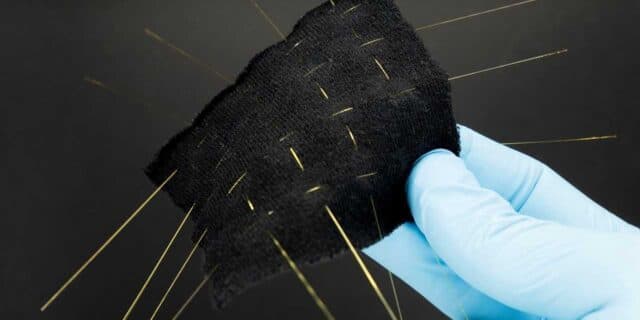
- Sustainable Smart Textiles: A Material Innovation for Wearable and Interactive DesignResearchers at ETH Zurich have developed a new class of sustainable smart textiles that operate using acoustic waves rather than electronics. Known as SonoTextiles,…
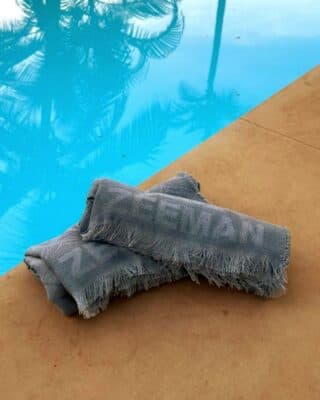
- Circular Hamam Towel from Zeeman: Locally Made in Twente Using Recycled DenimFrom 18 April 2025, Dutch fashion retailer Zeeman will offer a new hamam towel in all its stores in the Netherlands—a towel with a…
- Minimal art – Recycled PET feltThis material is made from recycled plastic bottles. PET is easy to process and sound-absorbing. No use of water or drying machines in the felting process. The felt wall covering collections are specially designed to use Féline's felt for wall, ceiling or panel applications. All the felt can be produced into acoustic wall covering.
- Natural textile dyeNatural textile dye uses dyestuff extracted from plants and animals like trees, flowers, etc. The dyes are won from exclusively natural non-edible materials like stems, skins and roots of plants. The plants include Natural Indigo, Gallnuts, Madder Root, Lac, Pomegranates, Himalayan Rhubarb, Myrobalan and Catechu. Not all fabrics are suitable for natural dyeing.
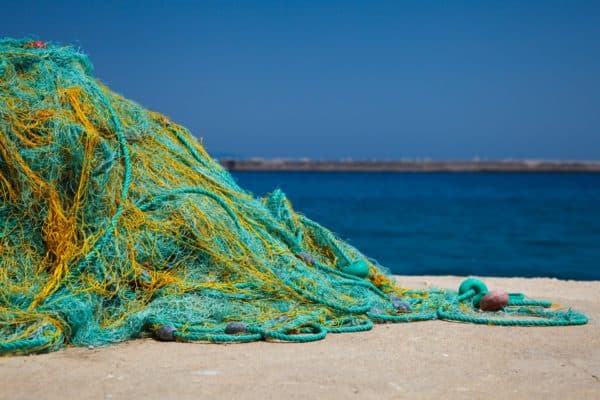
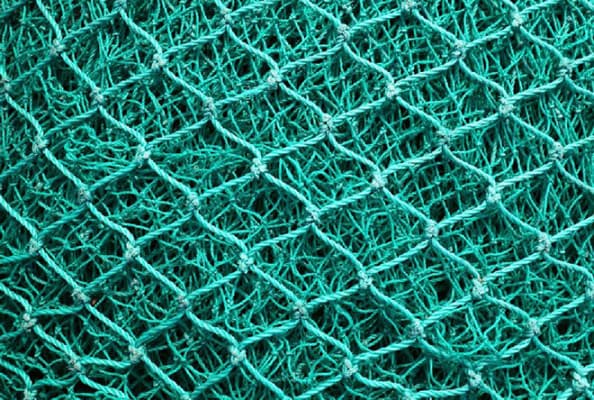
- Recycled fishing nets on Nylon Stockings DayToday (15 May) is Nylon Stockings Day. While nylon offered a stronger alternative to silk stockings in the 1930s, here at MaterialDistrict we are…
- Recycled fishnets?Discarded fishing nets are a finding a host of new and exciting applications in products, from carpets and textiles to shoes and clothing. Some…
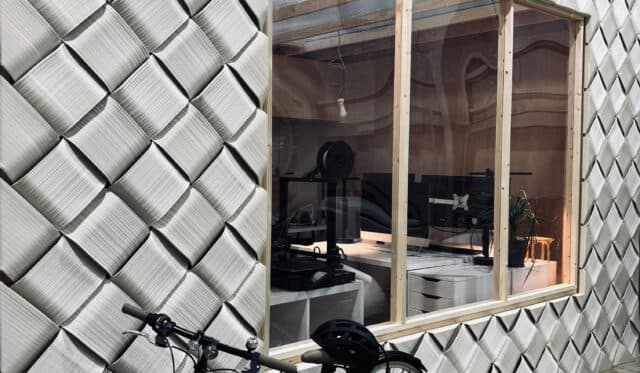
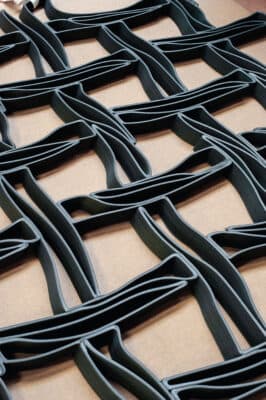
- Large-Scale 3D Printed Wall Covering Incorporating Recycled EggshellsCIRCULUS, an atelier founded under Yuko Oka Architectural Design in Tokyo, has developed KNIT, a fabric-like exterior wall finish created with a robotic-arm large-scale…
- Neo-Textura: Transforming Textile Waste into Circular Interior SystemsThe fashion industry produces more than 92 million tonnes of textile waste each year, most of which ends up in landfill. At the same…
- What Not to Miss at Dutch Design Week 2024: Textile Innovation and ModularityDutch Design Week 2024 takes place from 19 to 27 October in Eindhoven, the Netherlands. Here, we present some of the most innovative material…
- ARCHISONIC® TextileARCHISONIC® Textile is an eco-friendly fabric solution made in Italy to the highest quality standards using 100% recycled PET materials. In an effort to…
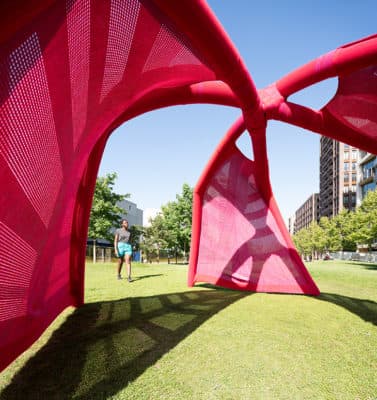
- A pavilion made of recycled colourful yarnThe 3DKnit pavilion, a collaboration project between Jane Scott of Responsiveknit and Stephanie Chaltiel of MuDD Architects, aims to highlight new fabrication methods that…
- Fly more comfortably thanks to smart textile chairsBenjamin Hubert of strategic design agency Layer designed Move, a prototype for economy class seating made with smart textiles for Airbus. The seats consist…
- 3D Printed Recycled Custom FaçadeAectual produced a custom 3D printed façade for the BOSS store at İstinye Park in Istanbul, designed in collaboration with Ippolito Fleitz Group. The 73 m² façade consists of 136 individually printed elements made from recycled post-industrial polypropylene.
- Scalable Mycelium Textile Offers Compostable Alternative To LeatherResearchers have developed a leather-like nonwoven textile made from fungal fibres. The material combines durability with compostability and can be produced continuously using existing…
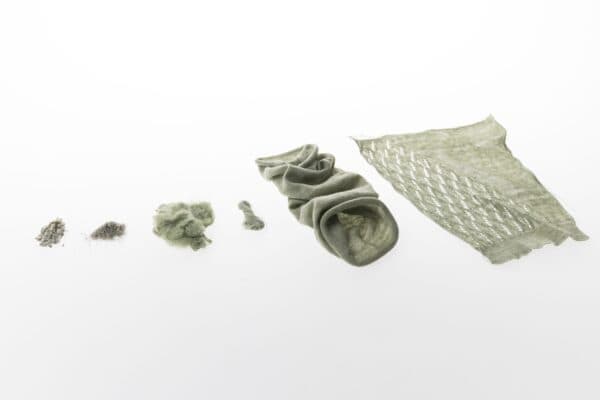
- From banknotes to textilesThe estimated lifetime of a banknote is around three years, after which polymer-based ones are recycled, and cotton-based ones are incinerated. This has motivated the research team to investigate the chemical recycling of cotton-based banknotes using Ioncell®, a technology developed for the sustainable production of synthetic cellulose fibres. Its green colour comes from the original colour of used banknotes.
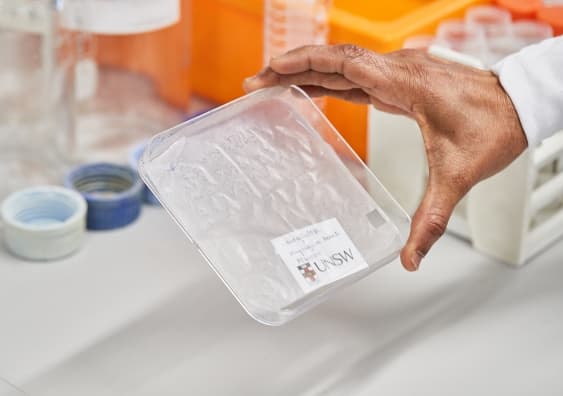
- Biodegradable and recyclable bioplastic made of banana wasteResearchers at UNSW Sidney developed a method to turn banana plantation waste into a biodegradable and recyclable packaging material. The production of bananas generates…