Search
9 results for “capillary” in materials
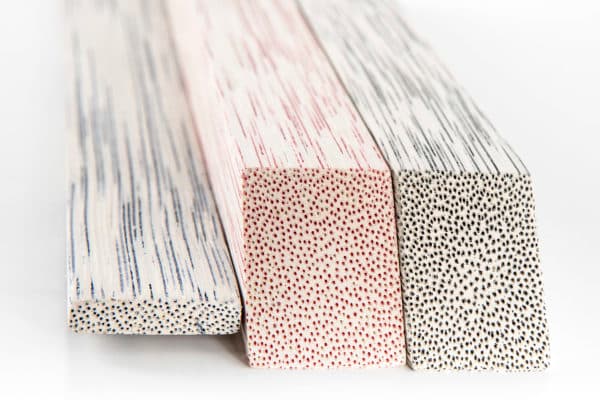
- KaruunRattan’s structure is comparable to a bundle of tubes. The rattan palm can transport water up to 200 metres through its long capillaries. When the capillaries are injected with various bulking agents, rattan is transformed from a wood with limited use to a versatile, innovative material. Karuun is firmer, harder and has a colouration which is injected through the capillaries. It can be processed into weaving, veneers and boards.
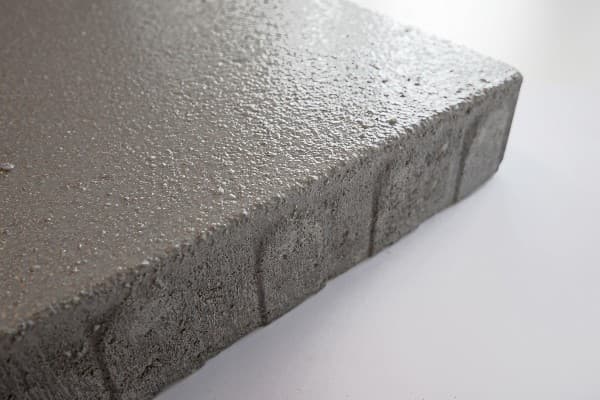
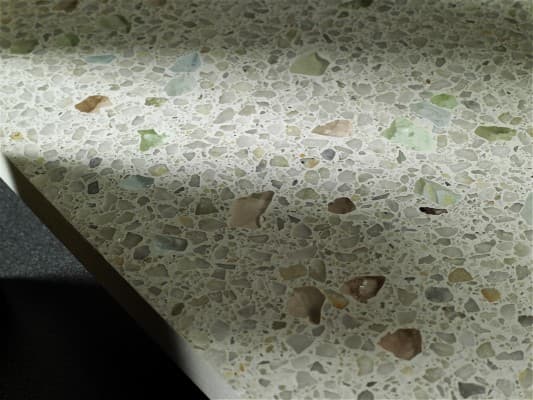
- Belpasso Premio, CleantopLike natural stone, concrete has fine capillaries which can be penetrated by moisture and dirt. CleanTop® system is a component of the production process and therefore permanently bonded with the stone.
- Self healing polymersSelf healing polymers have a micro-encapsulated healing agent that is embedded in a structural composite matrix. A crack ruptures the microcapsules, releasing the healing agent into the crack plane through capillary action. The healing agent contacts a catalyst, triggering polymerization that bonds the crack faces closed.
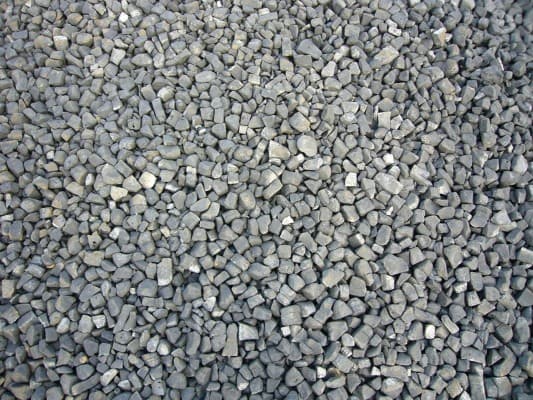
- Coarse ConcretePolymer concrete can be used for facade cladding, tiles and floor covering. Because of its non capillary properties it will not attract water or dirt. Coarse Concrete has a very rough texture made in a special model.
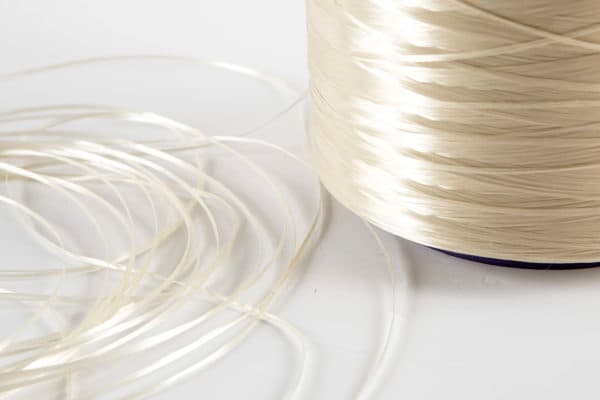
- VectranVectran is a high-performance multifilament yarn spun from liquid crystal polymer (LCP). This fibre has impressive strength and rigidity. Pound for pound, Vectran fibre is five times stronger than steel and ten times stronger than aluminium. The material has high strength and modulus, excellent creep resistance, high abrasion resistance, and minimal moisture absorption.
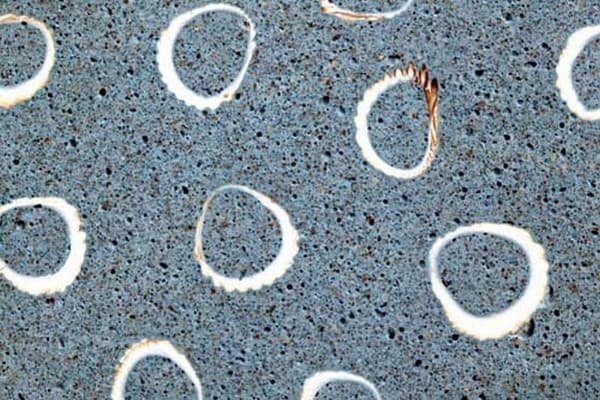
- Geocell Glass foamFoamglas thermal insulation is made from cellular glass. Very fine glass granulates are melted at 1200 ˚C. Carbon is added to the liquid glass and this mixture is cooled and divided into blocks, which are then placed in an oven, where a chemical reaction takes place and air in the blocks expands.
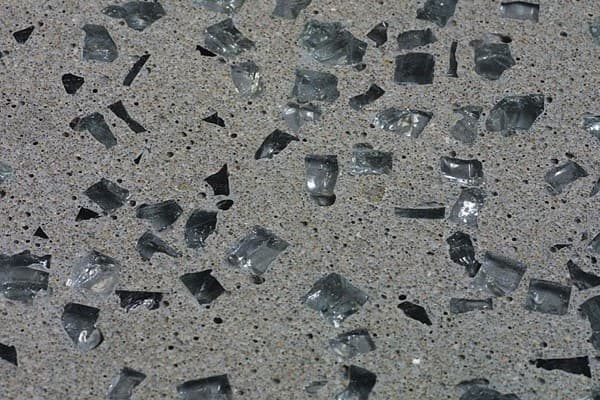
- Polymer concrete glassBroken reinforced glass is added to polymer concrete and the resulting material is polished on both sides. The effect is translucent and sparkling.
- Polymer concrete ‘coins’Polymer concrete is an artificial concrete made with synthetic polymers instead of lime cement. It can be reinforced with fibreglass. Polymer concrete can be used for facade cladding, tiles and floor covering.
- Luminous ConcreteLuminous concrete has glass beads in the surface that has been treated with photoluminescent and fluorrescent materials. These photos show the variation with glassbeads which will glow up when exposed to blacklight. Without this light, the bright colours are hidden. In the dark, only the photoluminescent materials will glow.