Search
12 results for “eps” in materials
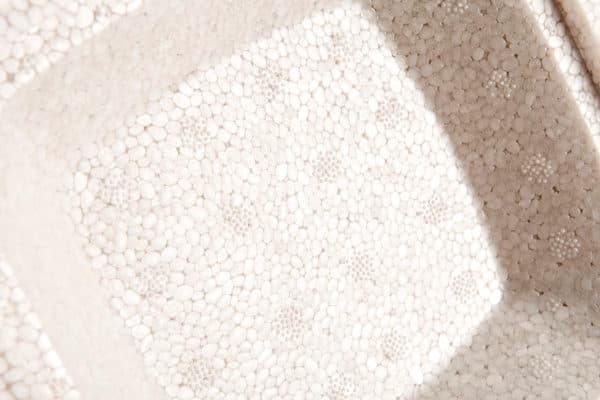
- BioFoamBioFoam is a foam that is comparable to EPS (expanded polystyrene). It looks similar in structure and has more or less the same properties as EPS. The major difference is that EPS is made of polymers based on fossil raw materials, whereas the raw material for BioFoam consists of biopolymers made of vegetable materials. It is the first foam to have an organic base, and has a Cradle-to-Cradle certification.
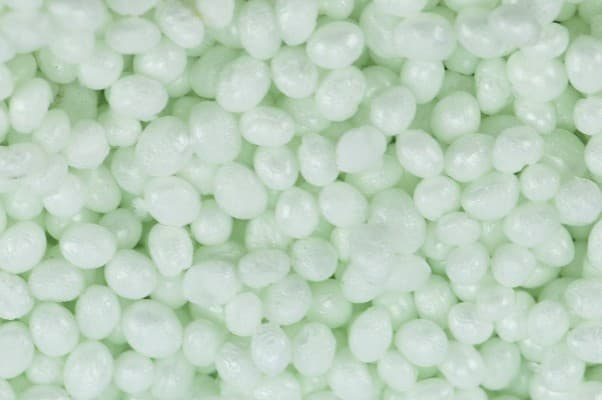
- BioFoamPearlsGrey BioFoamPearls® is a 100% recyclable, cradle-to-cradle insulation material with an extremely high insulation value (0,036 W/mK). This biofoam material is made of EPLA (Expanded Polymerized Lactic Acid) and is synthesised from organic waste.
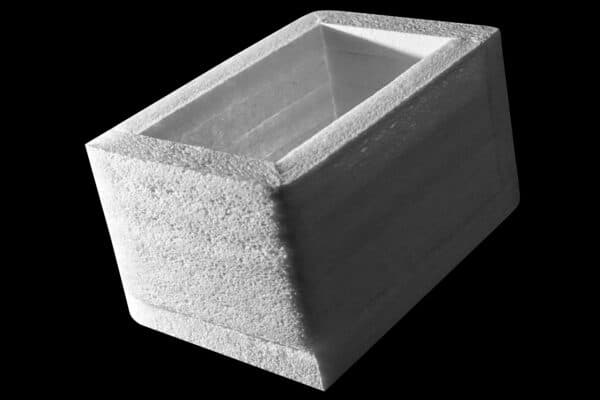
- CompacfoamCompacfoam is a thermoplastic foam with a density of 100 - 400 kg/m3 based on the polymer polystyrene (PS). Its physical structure and chemical composition correspond entirely to that of the well-known expanded polystyrene (EPS , Styropor®). The tiny closed-celled foam plastic balls of less than 1 mm in diameter are thermally welded to each other at their cell walls, forming a massive block.
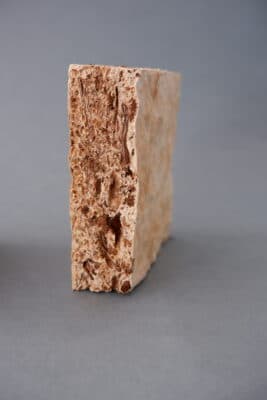
- MykoFoamMade of mycelium, MykoFoam is stronger than EPS and more water resistant than hemp, wool and straw insulation. Its thermal performance is estimated to be competitive with mineral wool while its estimated sound-absorption is 75% at 1000Hz. It possesses good water permeability and it is non-toxic, VOC free and fire safe (estimated Euroclass B).
- Acrylic OneAcrylic One is a water based resin and contains no solvents. With this material a unique natural look can be achieved. Think of sandstone, slate, concrete, wood. The layer Acrylic One is only four, five millimetres thick. Numerous options are possible: a round wall, a bend in a panel or an undulating panel.
- VIP (Vacuum Insulated Panel)With a thickness of only 20 mm a R value of 4.76 m2K / W, vacuum insulation panels (VIPs) insulate roughly five times better than insulating PIR and about eight times stronger than mineral wool insulation. For the insulating effect, fumed silica - which is a micro-fiber based silica - is used. These extremely low heat circulating fibers are compressed, after which a very damp-proof barrier film wrapped around it.
- Mushroom MaterialsEcovative grows materials made from agricultural by- products and mushroom mycelium. Mycelium is a natural, self-assembling glue, digesting crop waste to produce cost-competitive and environmentally responsible materials that perform. Unlike plastics, Mushroom Materials start with plant-based farm waste and can end up in your garden, fully compostable.
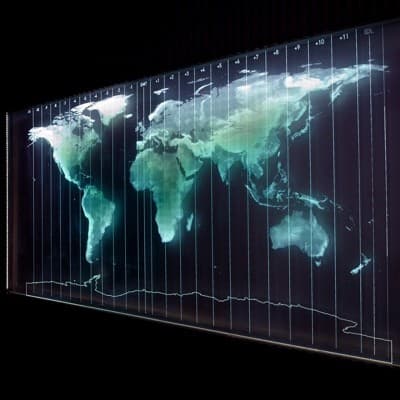
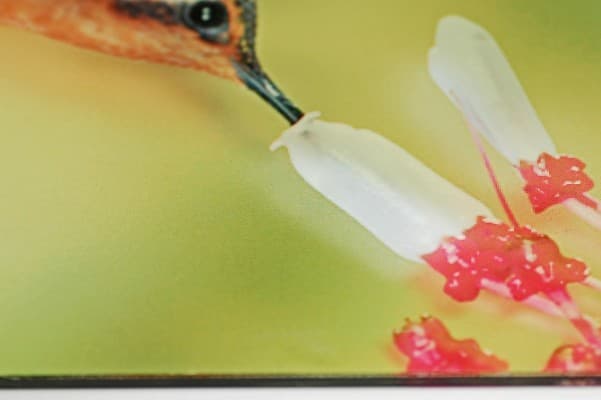
- Vitrics ScreenVitric uses laser technology to engrave inside glass creating a wide range of customised products. It varies from engraving large screens for the corporate environment to designer products and smaller intricate.
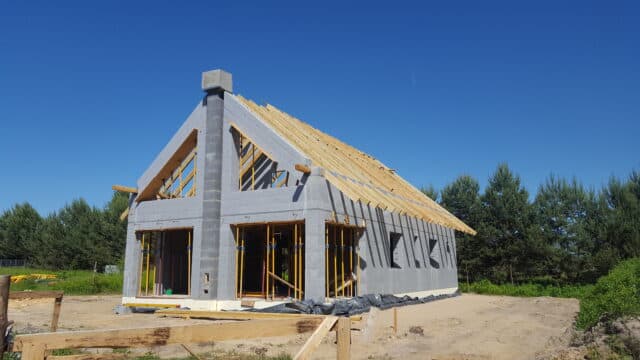
- Izodom ICF solutionsEnergy costs, construction timelines and long term building quality have become key criteria when choosing construction technologies for individual investors and developers worldwide. Izodom…
- VitricsVitrics is the trademark of 3D engraved architectural and designed glass engraved by Sky Design. Using laser technologies they engrave inside glass to create a wide range of customised products to rigid specifications.
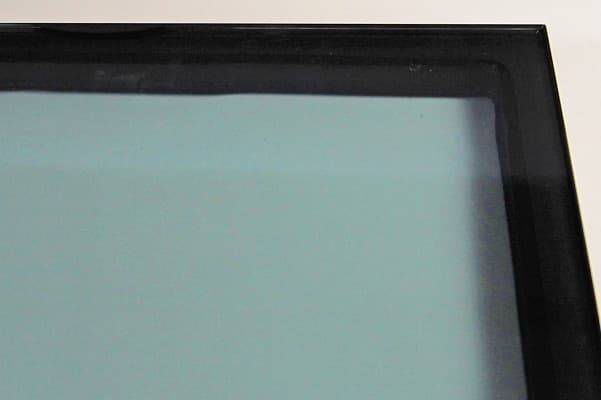
- SGG VarioSaint Gobian Glass Vario is a patented insulating glass which typically creates the appearance of a complete glass facade. The glass itself is manufactured by Saint Gobain Glass and supplied by Eckelt.
- Cruz FoamCruz Foam is a high-performance, protective, sustainable, foam product for the shipping of impact-sensitive, cold-chain goods, and more. It is the first fully compostable packaging foam, matching the performance and characteristics of expanded polyethylene (EPE) while ensuring safe delivery of high-value goods and meeting sustainability demands. With 70% upcycled ingredients, Cruz Foam is ASTM D6400 tested compostable, setting a new bar for sustainability.