Search
19 results for “pla” in materials
- CREAMELT® PLA-HICREAMELT® PLA-HI is a biobased 3D printing filament with high impact strength. It is made from natural resourced PLA (Polylactic Acid), which is additionally modified with impact modifier that makes it more impact resistant rather than most other PLA on the market.
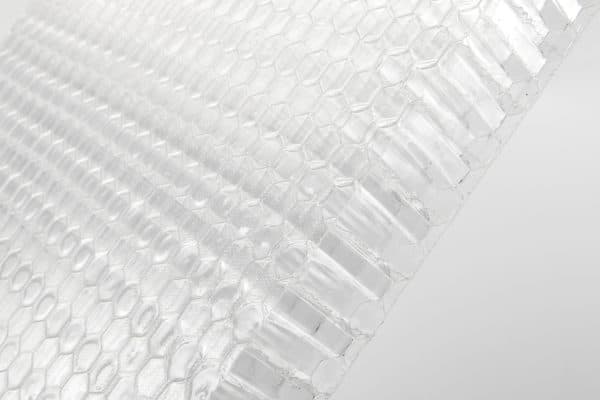
- EconCore 100% bio-basedThis sandwich panel has a core of PLA based hexagonal honeycomb made in a continuous production process. Only moments after the core is produced, skin layers are added in a second step of the continuous production process. These skins can be made from unfilled PLA material to make a mono material panel or, in case a higher performance is required, can be replaced with consolidated flax in a PLA matrix.
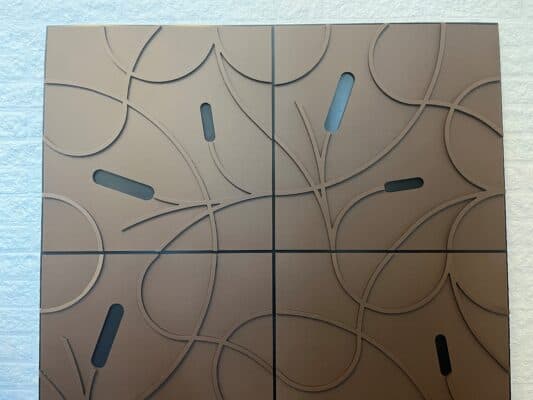
- Coffee PanelsThese coffee panels are composite materials produced from coffee grounds and a biopolymer, polyactic acid or polylactide (PLA). Due to the characteristics of the materials used, these coffee composites have similar properties to MDF and may be machined by various techniques such as CNC, acquiring numerous forms and geometries reliefs. Coffee PLA composites are 100% biodegradable.
- Circular Coated FabricsThe presented material is a replacement of the traditional fossil-based coating with poly(lactic acid), a biobased plastic that is chemically recyclable. The objective was to demonstrate, within one year, the technical feasibility of a PLA-coated film that can be converted after use into high-quality raw materials through an environmentally friendly recycling route (alcoholysis).
- Micromoulded biocompositesDesigner Bas Froon developed a micromoulding machine that makes it possible to locally change material qualities from a soft material into a strong and lightweight plastic. By doing this, he can keep the tactile qualities of the raw material, while giving it more strength to be used in furniture, fashion and textile applications. The material consists of natural fibres or recycled textiles and biobased plastic like PLA.
- SizopregSizopreg is a bio-composite made of high-quality poly lactic acid (PLA) and jute. These decorative panels are dimensionally stable in typical conditions, but also retain excellent ductility in the higher temperature ranges. Sizopreg has a workable temperature range from -30 to 80 degrees C. It is also thermally deformable and biodegradable.
- BiotexBiotex are a series of natural fibre reinforcements/biocomposite materials, including yarns, tapes, fabrics/textiles and preconsolidated sheets. The standard product range is based on flax, flax/PP and commingled flax/PLA. Components can be made from the fabrics or tapes using conventional moulding techniques. Biotex are recyclable and in some cases fully biodegradable.
- Special FilamentsThe ability to 3d print with various materials on your desktop 3d printer appears to be a very important aspect for many users. Therefore, Colorfabb ventured into the world of composites for 3d printing at home with materials such as woodFill, bronzeFill, copperFill and bambooFill.
- Bio-FlexBlends of co-polyester and PLA with, depending on the particular grade, a very high contend of natural resource material
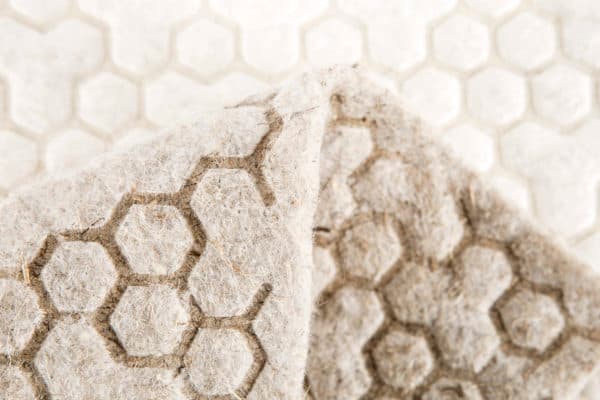
- BiopanelBioPanel is a biodegradable sheet material suitable for many different applications. It consists of 100% biobased materials with industrial hemp and a lactic acid thermoplastic biopolymer (PLA) as components. These are rapidly renewable plant- materials, most of which can be produced locally. BioPanel was originally developed as a sustainable and environmentally friendly panel material for sign applications.
- BioCaifBioCaif is a composite material consisting of ground coffee waste and a bio-polymer, Polylactic Acid (PLA). Due to constant growth within the coffee industry, the problem of waste is growing in conjunction with it. BioCaif is a 100% biodegradable material that is a sustainable solution to a growing problem.
- NuatanNuatan is a 100% biobased, biocompatible and biodegradable plastic. The material is petroleum free, and consists of cornstarch, sugar and cooking oil. Essentially, it’s a blend of two biopolymers, Polyacid Acid (PLA) and Polyhydroxybutyrate (PHB). The material can be formed by injection moulding and 3D printing, biodegrades in 90 days in an industrial composter and is safe to eat.
- Flaxco flax compositeFlaxco is a flax fibre reinforced thermoplastic prepreg for the composite industry. The materials are manufactured from woven flax fibre, pre-impregnated and consolidated with polypropylene or PLA resins. The materials can be delivered in rigid sheets or on rolls. The mechanical properties of these lightweight bio-based materials are high stiffness, strength, vibration and noise absorbing.
- ArcBiox BGF30-A1 and ArcBiox A17ArcBiox BGF30-A1 is a composite material with 30% of biodegradable glass fibre as reinforcement. The material is designed for injection moulding. ArcBiox A17 is impact modified PLA based material. The material is not reinforced with fibres. It is a good alternative to replace ABS.
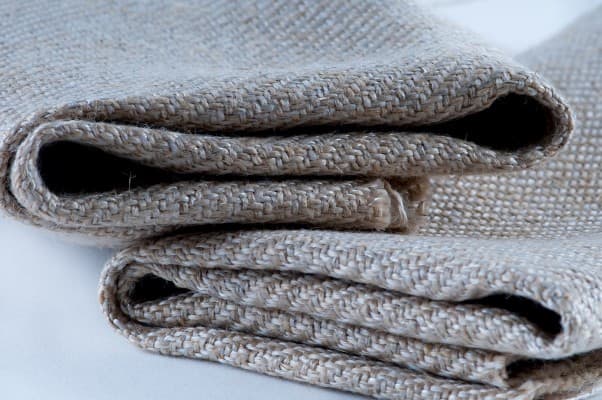
- FlaxcompositesThese lightweight composites are made of flax and biobased resin. It is partly biobased polyester and full biobased PLA (Polylactic Acid). Flaxcomposites blends PLA natural resin with natural linen (flax) yarns to obtain a meltable flexible thick sheet that can be moulded into various shapes. You simply need a source of heat to put in shape the textile (few minutes with a powerful hair dryer!).
- DuraPulpDuraPulp is a bio composite mainly consisting of selected wood fibres and a bio-polymer called PLA (Polylactic Acid). The ingredients are from renewable, non-fossil based raw materials. The DuraPulp comes from FSC and PEFC certified forests.
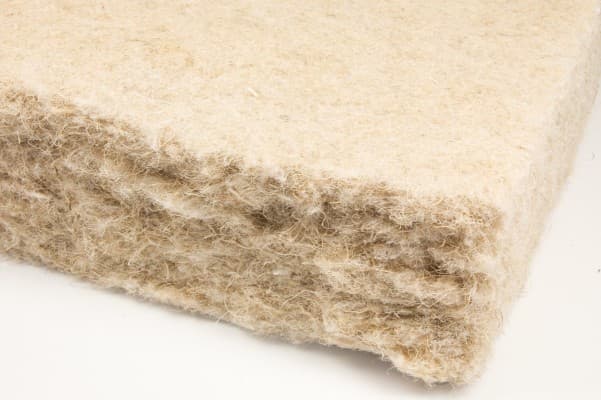
- HempFlax Nature InsulationHempFlax Nature Insulation is made out of 100% hemp fibres, produced from the non psychoactive hemp plant. Hemp fibres are lighter then glass fibres. The fibres are able to absorb and release water easily. The mats can be produced with a synthetic binder or biobased (PLA) binder.
- 3io3io is a material system developed from renewable resources, merging biological matter with robotic precision, to create expressive, high-performance objects. The blends combine a wide spectrum of biobased materials including: PHA, PCL, PLA, bio-PE, bio-PA, lignin, cellulose, natural resins, waxes, oils, and plant fibres, resulting in thermoplastic composites consisting of up to 100% renewable content.
- Novijec™ – PLM20100% bio-sourced material (zero petrochemicals in the recipe), intended for injection moulding, with a PLA base loaded with Miscanthus plant fibers, grown and made in France. The plant fibres are visible on the surface of the objects, bringing a golden note, without adjuvant.