Search
6 results for “rice straw” in materials
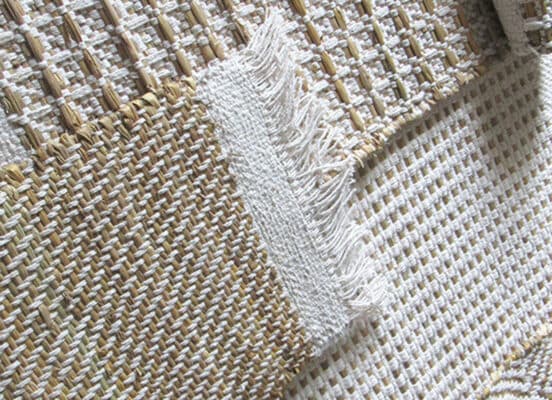
- Upcycled Rice Straw TextilesThe project addresses the environmental impact of parali—rice straw residue left after harvesting. Rather than being incinerated, the rice straw is upcycled into biodegradable and compostable textiles. Parali by Aarushi works directly with farms to reduce transport-related carbon emissions and follows a circular production system in which manufacturing offcuts are reused to produce tags, paper and packaging materials.
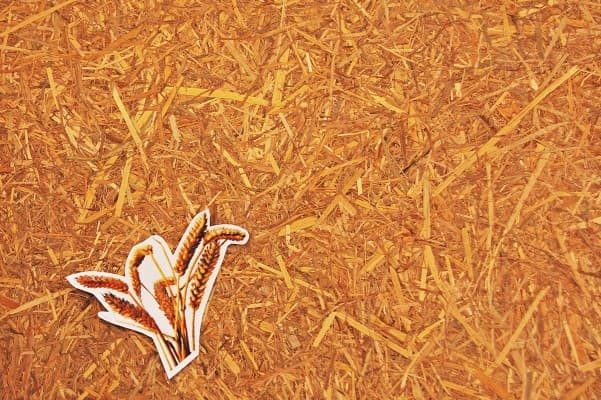
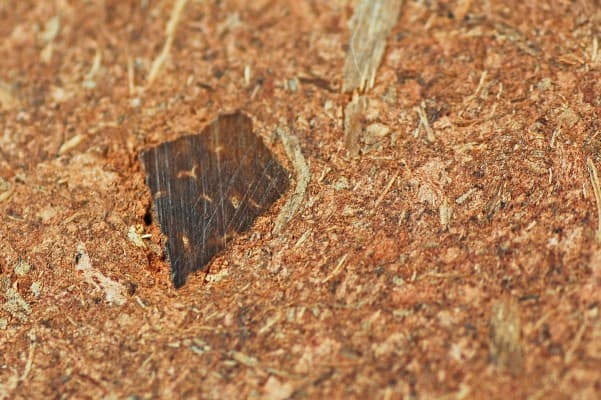
- Straw BoardKokoboard Straw board made of rice straw, cocodust or vetiver grass. These materials are connected without use of formaldehyde.
- BioflexiThis high density panel is a recyclable and compostable freeform fiberboard for architectural applications.The fibreboard consist of 80 % to 90 % straw, a natural fibre and residual material which is available worldwide. No formaldehyde and isocyanate components are applied, making it the ideal solution for different indoor applications.
- KokoboardKokoboard is a bio-composite board. It is made out of rice straw board, vetiver grass board, coco dust board and other agricultural fiberboards.
- mogu Floor FlexFrom agro-industrial residues to luxury living environments, Mogu Floor are two collections of biobased resilient tiles and roll for interior design and architecture. The proprietary formulation of the bio-based resin utilised in Mogu Floor products replaces traditional industrial pigments with low-value biomasses, such as corn crops, rice straw, spent coffee grounds, discarded seaweed and clam shells.
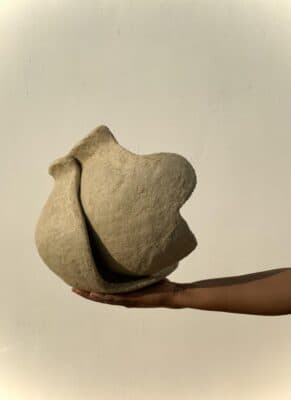
- Paper & Boiya CollectionThe Boiya Collection revives a nearly lost craft tradition from Haryana. Historically, boiya referred to lightweight utility objects made from locally available natural materials. PBA reinterprets this technique using upcycled fibres and circular production methods. The collection includes decorative objects such as vases.