Search
16 results for “sand” in materials
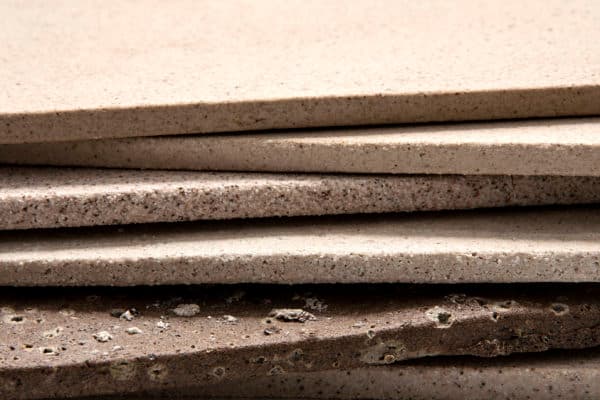
- UnwastedWith 65-100% waste content, the clay and glaze embrace natural variations and a closed-loop system, where broken tiles can be re-circulated. Unwasted redefines ceramics in the built environment, blending sustainability, function, and circular design.
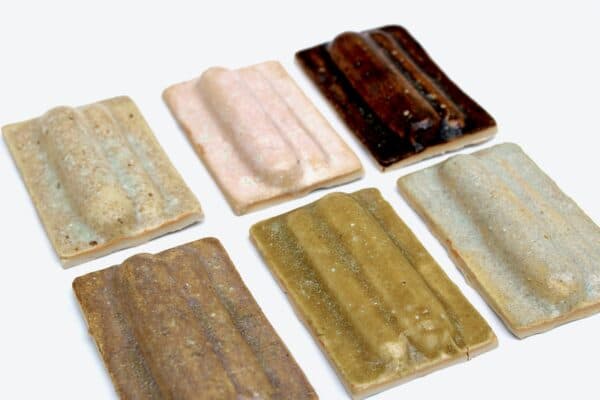
- Ceramic sandCeramic sand explores the question what the effect of sand is on the colour and structure of ceramic pieces. Using various kinds of sand from various places, designer Marin Jansen experimented with adding sand to clay. In addition, she also used sand to make glaze. The same sand added in a glaze but fired in different ways (oxidation, 1260 C, reduction and oxidation 1050 C) gives different results.
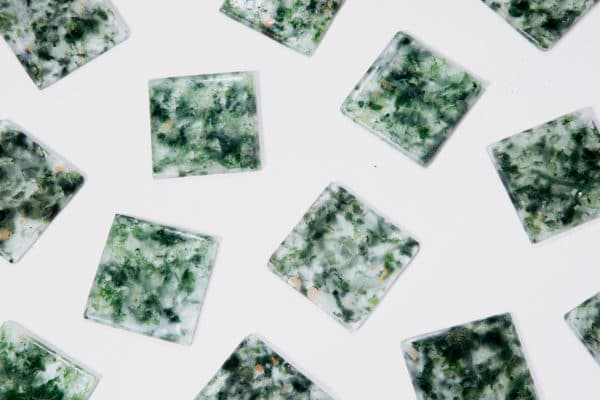
- Common Sands – ForiteCommon Sands – Forite evolved as a collaborative research project between Studio Plastique, Fornace Brioni and Snøhetta, with the aim of exploring the potential applications of recycled E-waste glass. Made from recycled glass from microwave ovens, the tiles have been developed in two different sizes. The tiles are both opaque and transparent, each with a unique pattern and expression.
- AGT Glow SandAGT Sand is an encapsulated photo-luminescent pigment which has been specially designed for use in concrete, epoxy and other water-based matrices. It features the highest luminosity and glow duration, in its class, in the world.
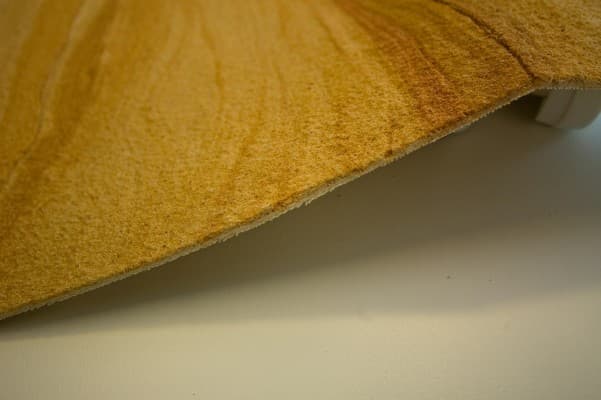
- Stoneplex SandThe natural product Stoneplex Sand is a flexible structured wall covering with a cotton weaved backing.
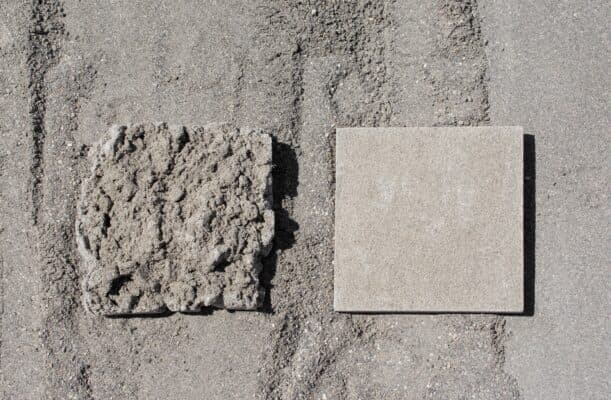
- Ocean ArticulatedOcean Articulated is a recyclable and load-bearing material with locally extracted salt, sand and plant based natural binder. It is water dissoluble and sensitive to the humidity over 80%. Considering the environmental impact of sand extraction and the associated transportation costs, the question arose whether there is a way to use sand as a reusable material and communicate this aesthetically in a form appropriate to the material.
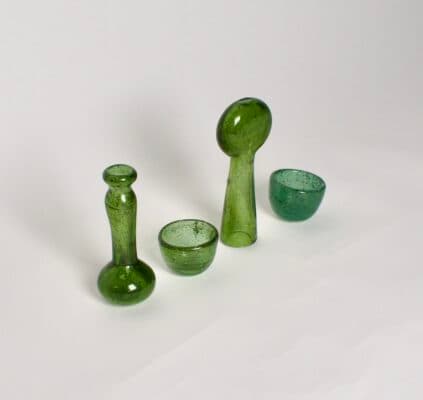
- Sea GlassSea Glass is a biobased glass developed through an alternative glassmaking process that replaces mined sand with silica naturally produced by microalgae. Instead of extracting a finite geological resource, the material is grown: microalgae are cultivated, they form silica through their natural biological processes, and this biogenic silica is then used for glass production.
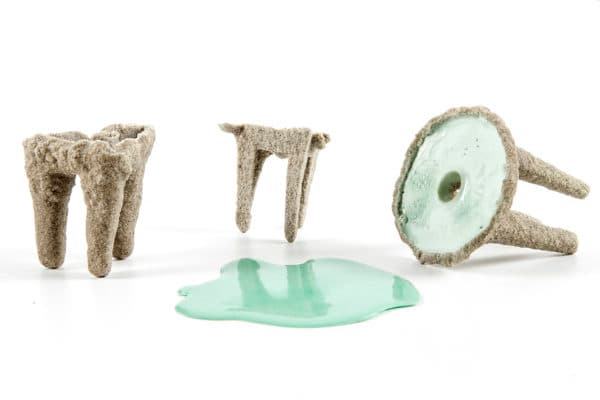
- RootsRoots are based on the notion of growth. The first stool is the mould of the next one and so on, allowing the product to evolve within the series, developing its own shape based on the sand it has been poured in. The material consists of G27 Polyurethane, vegetal oil and sand.
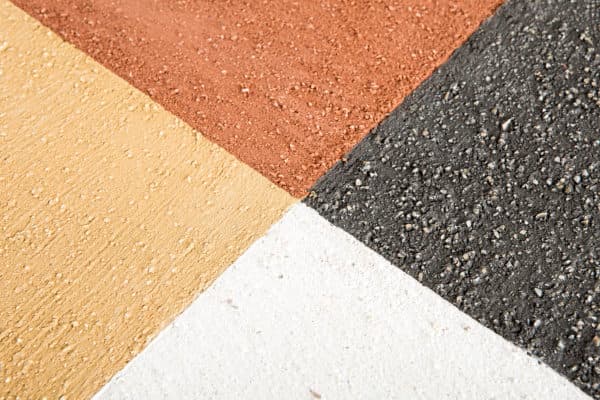
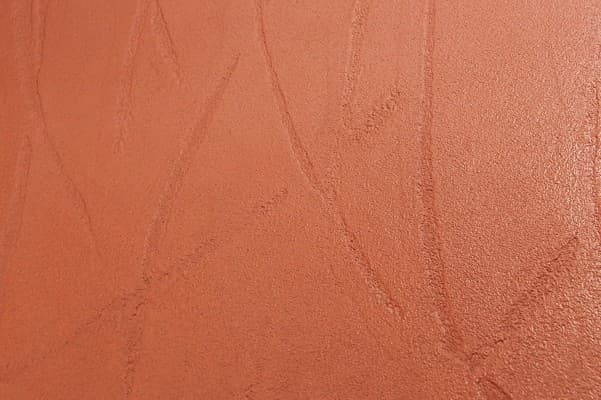
- T-paint Loam textured paintT-Paint is a loam textured paint for interior use. The T stands for texture. The loam is mixed with specially selected sand, which gives it its granular texture. The colour and glossiness of the sand remain visible in the paint. The loam in the paint is vapour-permeable and moisturising. The paint's granular texture helps reduce echo.
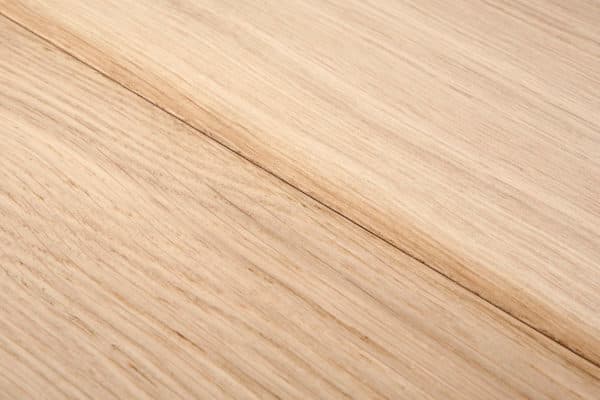
- Skylt – invisible varnish protectionSkylt is the most invisible parquet varnish available, as matt as freshly sanded wood. At whatever angle or with whatever light source you look, you won't see a film or varnish. The coating is so transparent that wood, cork and other (even mineral) surfaces retain their natural look. The material is a 2-component polyurethane varnish and it is extremely durable and wear-proof due to its solid content. It is a perfect finish for heavy-duty floors and other surfaces.
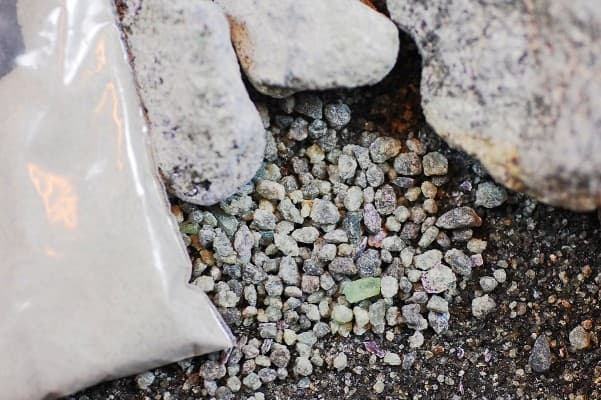
- greenSandGreensand is the mineral olvine in the form of sand. It is the most egological sound mineral known to people. It can be used in materials to reduce CO2 in the form of sand, pebblestones, garden soil, etc.
- Basalt TilesThese very hard tiles are made for very heavy industrial use, but also feature a beautiful metallic sheen. The pavement tiles are made by melting natural basalt and are cast into metal moulds. The basalt tiles are produced with three types: With rough grooving / raster, with fine grooving and without raster – so-called smooth tiles.
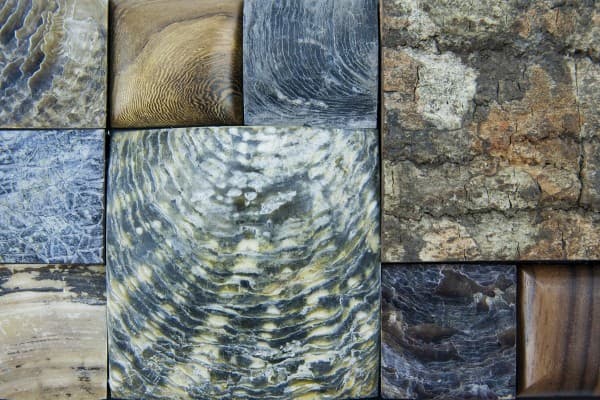
- Esia Natura WoodEsia Natura Wood by Azzurino has a luxurious look and feel. It is a combination of different natural woods fixed on a backing. The wood is hand-cut and sanded into shapes of 3 cm x 3 cm or 6 cm x 6 cm.
- Baileo Envi Neo PyramidBoth Envi Neo Pyramid Espresso and Envi Neo Pyramid White Wash panels are handmade, durable, easy to maintain and easy to apply. They can be used in outdoor applications, however only on surfaces that are not subject to a large amount of precipitation. These panels are composed of diagonally halved, cube shaped wood pieces measuring 30 x 30mm. The wood is painted and sanded to finish. Further to this, the natural colour of the wood can be made more vibrant with the use of a matte, transparent varnish. The wood for the production of these panels is obtained from wood waste generated by sawmills, as well as waste wooden crates and shipping boxes.
- Kabekobo Shikkui PlasterKabekobo series is a series of 3 Shikkui Japanese lime plasters made of slaked lime of high calcium purity, and a variety of ingredients diatomite powder and sand. Widely used in Japan for in- and exterior in temples and castles, as well as for ceilings and decorative purposes for over one thousand years.
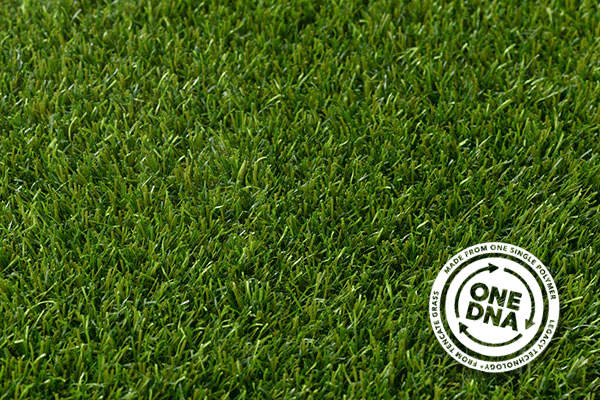
- ONE-DNA™ artificial grassLimeGreen® artificial grass is the world’s first 100% circular artificial grass. LimeGreen® ONE-DNA™ artificial grass for Play and Landscaping applications consists of one raw material: 100% PE. The result is a lower carbon footprint in production and maximum recyclability when the grass is considered ‘end of life’.