A Single-Use Earplug Made From Seaweed Wins Funding
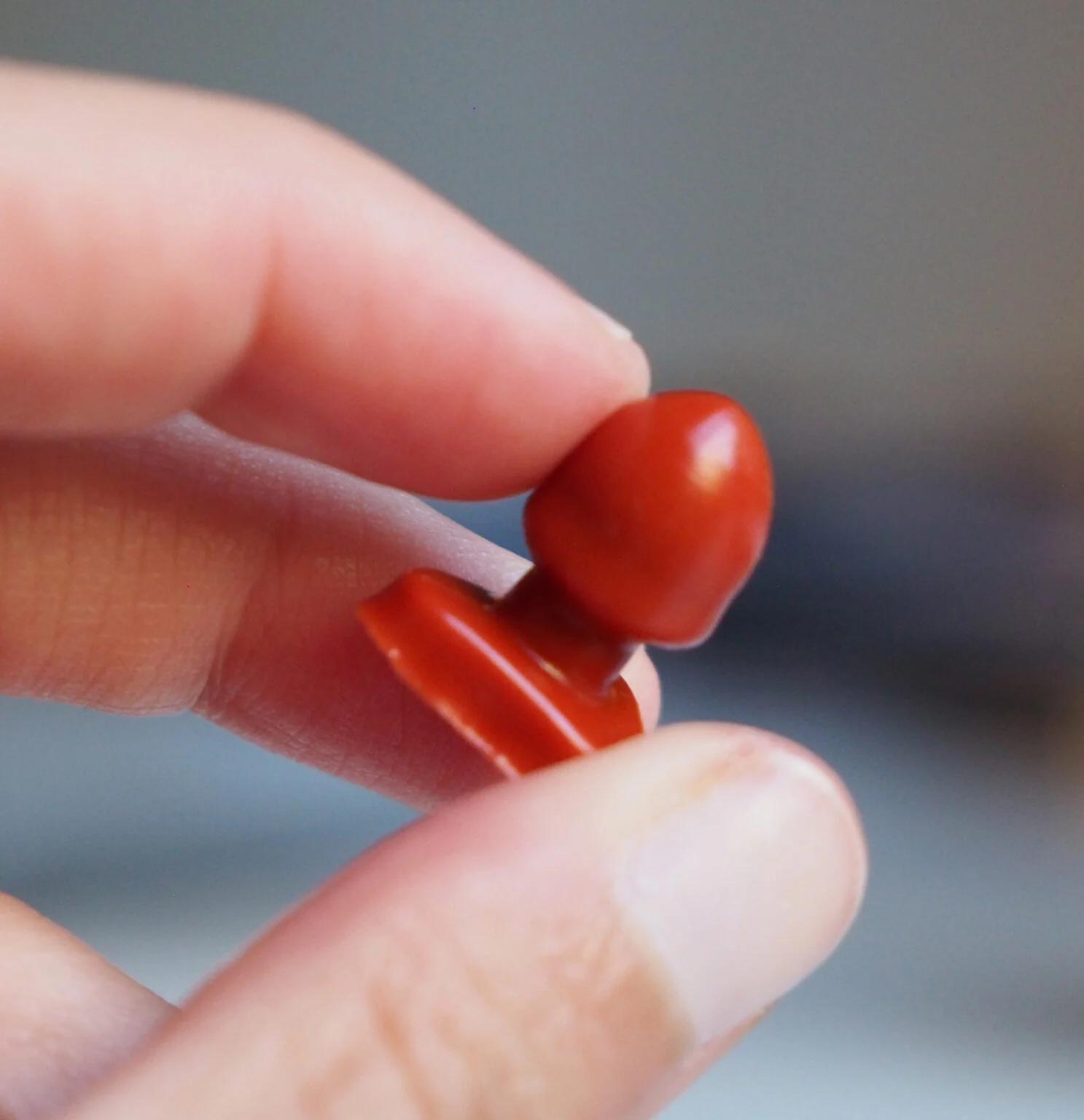
A soft, mouldable earplug made from seaweed is meant to do what foam and silicone ones cannot: disappear once thrown away. SearoSoft, by Cambridge-based Searo Labs, is a single-use earplug that the company says biodegrades in water or soil after 30 days.
A Seaweed Alternative To Plastic Earplugs
SearoSoft is still a prototype. Searo Labs describes it as the first seaweed-based single-use earplug. According to the company, it contains no microplastics or chemicals.
The company also says the material is designed to hydrate the ear canal. Plastic-based earplugs, it points out, can be drying. The earplug is soft and can be shaped by hand, so it is closer to a pliable material than to a moulded plastic part.
Seaweed is the raw material, and Searo Labs calls it a regenerative crop. Growing it needs no land, freshwater or fertiliser, the company explains. That is a claim from the maker, not an independent assessment.
Nine Months Of Funding For Testing
The earplug is one of four prototypes to win a Design Museum grant. Together the UK studios share £280,000 from the museum’s Future Observatory programme, announced in November 2026. The programme is run with the Arts and Humanities Research Council. The winners were chosen from 140 submissions.
Searo Labs will use the money for fit tests, an independent hearing-protection test and a pilot production line. Funding runs from November 2026 until July 2027. After that, the prototypes are tested and start the commercialisation process.
The reasoning is practical. Francis Field, speaking about the project, points to roughly 40 billion earplugs used worldwide each year, a figure that makes even a small change in material significant. Whether SearoSoft passes the hearing-protection test is the open question for the coming months.
The other three grant winners focus on building materials: two plant-based insulations and a homegrown timber kit-of-parts for low-rise housing. They are covered separately.
Source: Dezeen / Wallpaper* · Images: Searo Labs