ZOAK
Water-permeable ceramic pavers and pavement tiles made from waste from ceramic tile production.
ZOAK pavers and pavement tiles are fired from waste left over from ceramic tile production, and they let rain straight through. Dutch manufacturer TileSystems, based in Hegelsom, supplies the Z-Series on pallets for streets, squares and gardens.
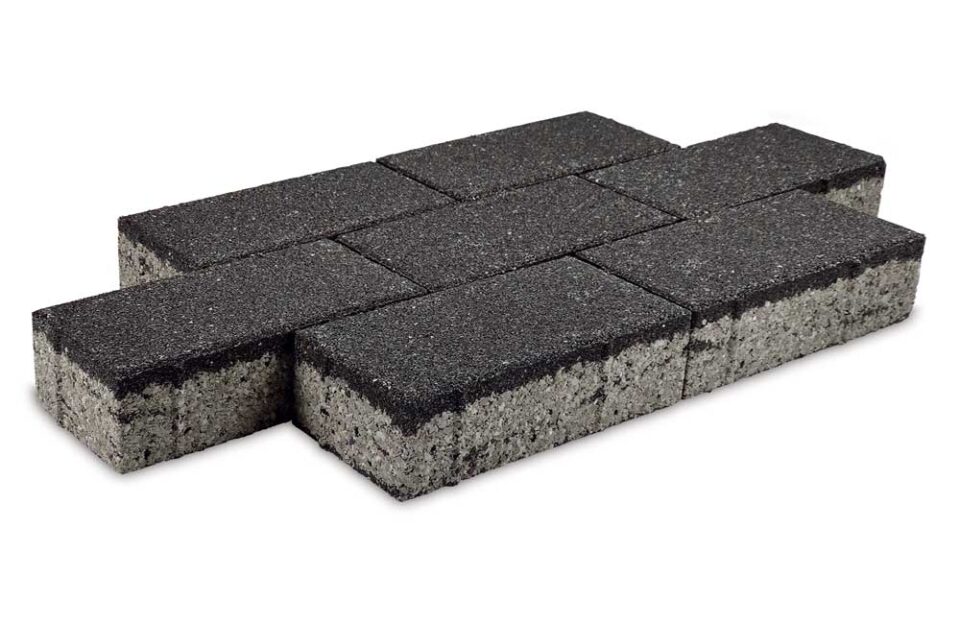
The name abbreviates the Dutch for “very open waste ceramic”. Fired at 1200°C, the granulate forms an open, coarse body under a coloured top layer, both visible on a cut edge. The maker states that water passes through at up to 30 mm per minute per square metre, into a buffering sub-base of broken sand, chippings, lava or crate systems rather than into the sewer.
Stronger Than Concrete Pavers
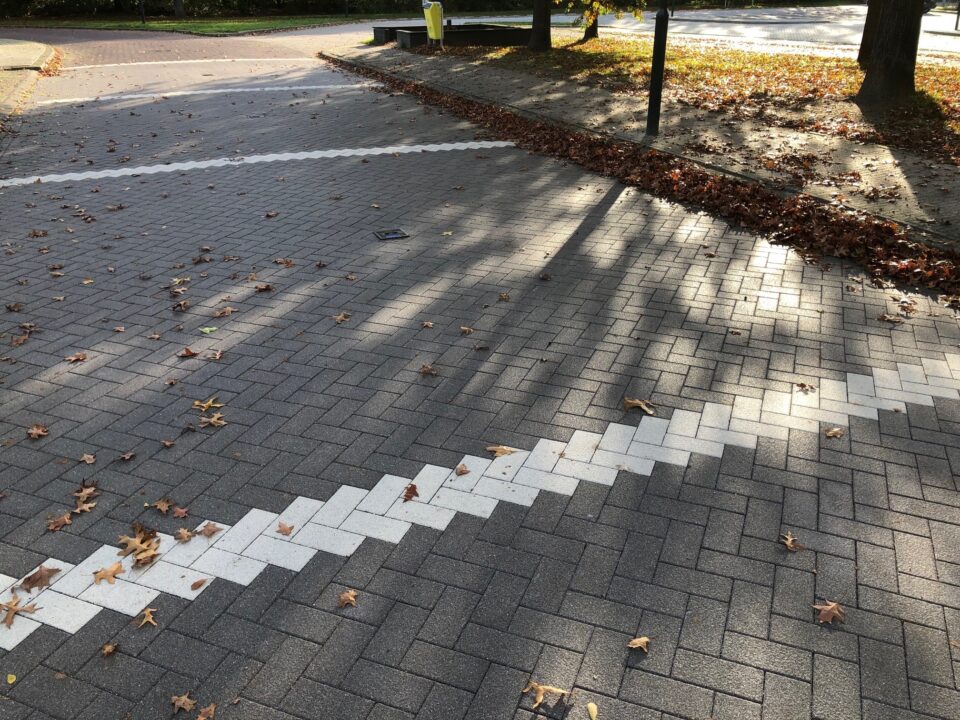
Tests by TCKI under EN 1344, reported by Kiwa in 2019, gave a splitting tensile strength of 7.0 MPa, against 3.6 MPa for solid concrete pavers and 2.5 MPa for permeable ones. Abrasion and breaking load reached the highest classes, A3 and T4. The surface is frost- and slip-resistant, and can be machine-laid.
Pavers measure 200 × 100 × 55 mm in seven colours, from white and yellow to coffee and black; a 70 mm version is available on request. Tiles come in 400 × 200, 300 × 300 and 600 × 300 mm. The paving weighs around 100 kg/m² and can be crushed into new ZOAK. It already lies in Horst, Ter Aar and Amsterdam’s Kromme Mijdrechtstraat. A Spanish take on the idea appears in Permeable Ceramic Paving Offers New Approach to Urban Flood Mitigation; see also YiBrick.
Source & images: TileSystems
Material properties
Sensorial
Technical
Environmental