Search
50 results for “pigment”
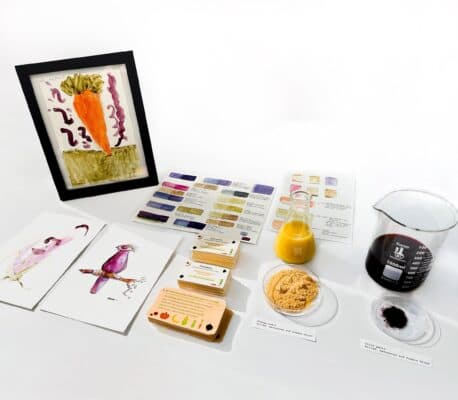
- Turning Waste into Colour: Virginia Tech’s Toolkit Transforms Compost into PaintA team of industrial design researchers at Virginia Tech has developed an innovative toolkit that transforms school food waste—primarily fruit and vegetable scraps—into natural…
- Coffee Waste Transformed into Sustainable Ink for PackagingA Finnish collaboration has pioneered a new material innovation that could transform the packaging industry. Natural Indigo Finland, Tampere University of Applied Sciences (TAMK),…
- OurCarbon BlackOurCarbon Black is a pigment made from organic waste that was diverted from landfill. OCB is made in a passive process that fixes, or sequesters, the biogenic carbon in organics. Organic material breaks down as methane in landfill conditions. Diverting organic material from ending up in landfill to create OurCarbon Black avoids significant greenhouse gas emissions.
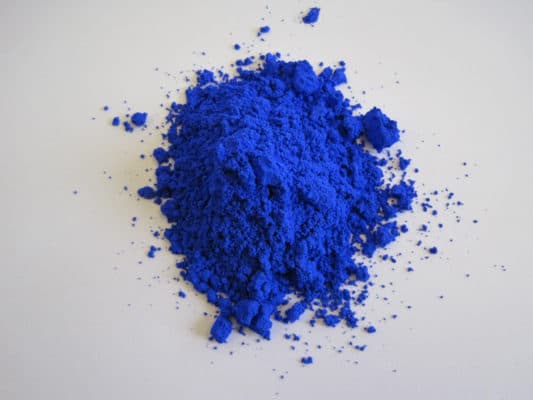
- Scientists Accidentally Invent A Brilliant Blue That Will Never FadeProfessor Mas Subramanian and his student team from University of Oregon who were experimenting with manganese oxides while looking into their electronic properties accidentally discovered…
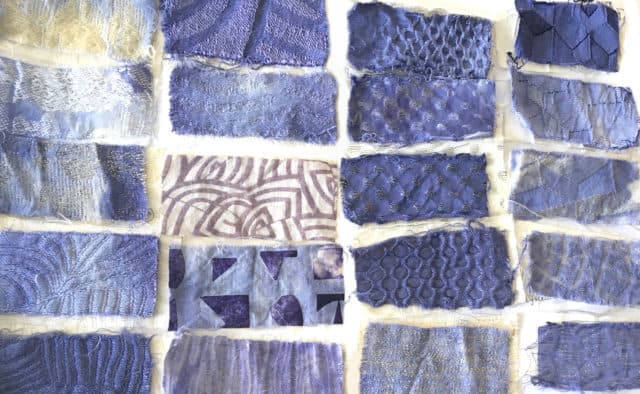
- Indigo & Buckthorn Bio-InkThis textile features a sap green biobased ink formulated from two botanical pigment sources and applied through screen printing on linen fabric. It demonstrates the potential of plant-derived colorants as sustainable alternatives to synthetic textile inks. The ink combines pigment extracted from Japanese Indigo leaves (Persicaria tinctoria) and Buckthorn seeds (Rhamnus petiolaris).
- The world’s first T-shirt dyed with black algaeInnovative clothing company Vollebak, in collaboration with bioscience company Living Ink, launched what they say is the world’s first T-shirt that is dyed using…
- Dyeing with bacteriaAustrian designer Julia Moser is working with pigment-producing bacteria to dye textile without harmful chemicals and pollution. Fashion colours change each year, yet one…
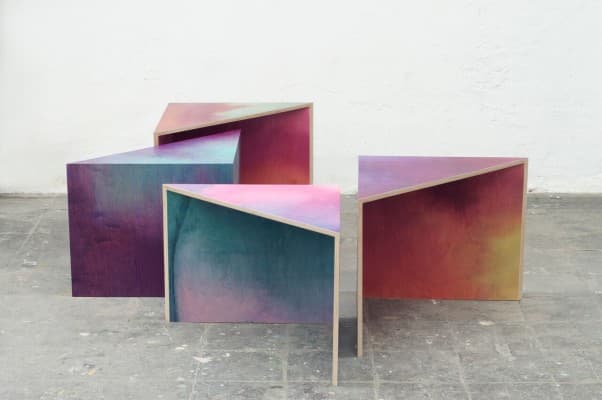
- Wooden Aquarelle @ DDW2015Provoked by the movement of pigments and water the compositions are formed by an autonomous colour-dynamic. Wooden aquarelle, a colouring technique for wooden surfaces…
- MINERALDYE: A Natural Dyeing Innovation Using Marble and MineralsTo coincide with the 55th Earth Day (22 April), themed “Our Power, Our Planet”, Italian luxury brand Ferragamo has introduced a limited-edition capsule collection…
- Environmentally-friendly multicolour colourants inspired by butterfliesResearchers from the University of Central Florida (US) created the first environmentally friendly, large-scale and multicolour alternative to pigment-based colourants, inspired by butterfly wings.…
- Fabulous Fungi dyeFabulous Fungi employs fungi in order to create sustainable and safe textile dye, without the use of harmful chemicals. The biochemical processes of these fungi produce pigments. These pigments, which form the basis of the textile dye, are biodegradable. The panel shows textile (50% lyocell/50% organic wool) dyed with natural dye based on red and yellow fungal pigments. Washable, preferable cold. Slightly light sensible.
- 100% bacterial dye“LAB_MADE” illustrates the potential of grown pigments. These samples have been dyed with pigments obtained from bacteria. Bacteria can be grown instead of produced and their rapid production rate makes them an interesting resource to work with.
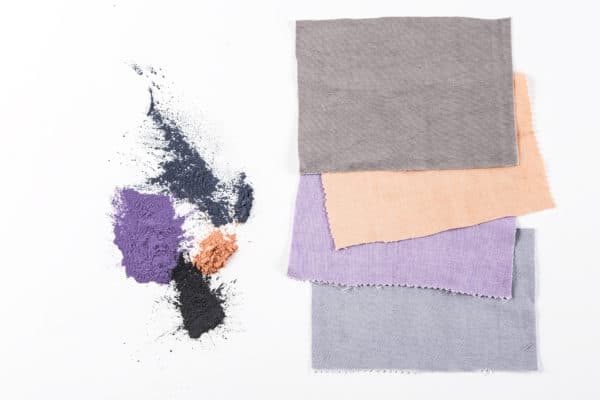
- Recycrom fabric dyeRecycrom creates a full range of pigment powders using textile fibres from used clothing and manufacturing waste. Through a process using only natural chemicals, fabric fibres are crystalised into a fine powder that can be used as a pigment dye for fabrics of cotton, wool, nylon or any natural fibre. Recycrom can be applied using exhaustion dyeing, dipping, spray, screen printing and coating.
- TFL Cool SystemThe TFL COOL SYSTEM® is based on a sun reflective technology whereby energy is reflected in the invisible part of the solar spectrum. It consists of a range of selected dyes and pigments, namely SELLA® COOL dyes and RODA® COOL pigments.
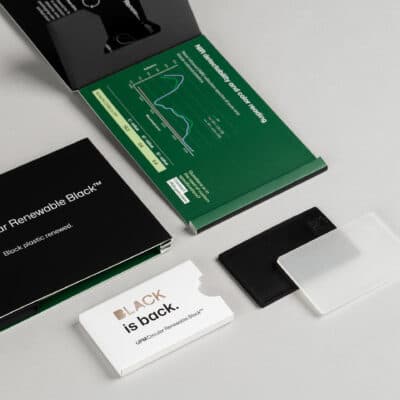
- UPM Circular Renewable Black™UPM Circular Renewable Black™ is a biobased black pigment developed by UPM Biochemicals for applications in plastics and rubber, particularly in packaging. The material is derived from lignin, a natural polymer found in wood, and is sourced from FSC™ and PEFC-certified forests.
- Helicone HCIn the consumer market, the trend towards more effect colours is continuing relentlessly. Helicone HC effect pigments create special colour effects; depth of gloss, heightened brilliance and a distinctive colour transition (colour changes with viewing angle).
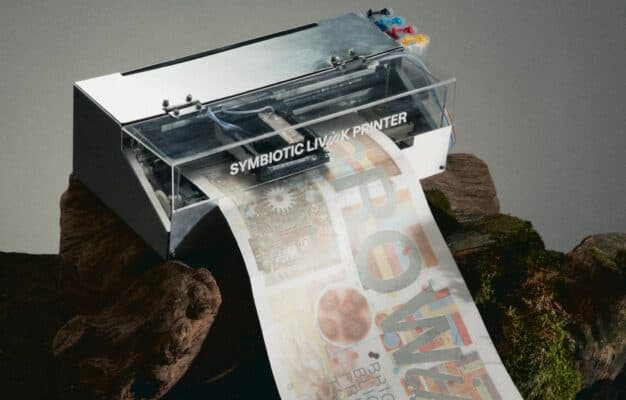
- GROWinK: Living Ink that RegeneratesGROWinK is a material research project developed by Peerasin Punxh Hutaphaet during the MA Material Futures programme at Central Saint Martins. The project explores…
- NedZink NUANCE BrownNedZink NUANCE Brown is pre-weathered titanium zinc with pigments. This results in a zinc with a uniform brown colour nuance. Moreover these subtle pigments also provide additional protection to the pre-weathered zinc. NedZink NUANCE has the same natural properties as the other zinc products of NedZink: maintenance-free, timeless, good deformation properties and 100% recyclable.
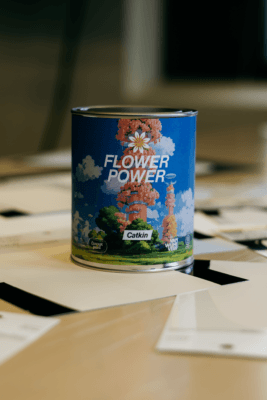
- Flower Power wall paintFlower Power is an innovative wall paint that is 99% fossil-free. It was developed by Koninklijke Van Wijhe Verf, which focuses on sustainability and environmental friendliness. This paint is part of the Concept Paints line and is designed to significantly reduce environmental impact. It has a carbon footprint of only 24 Kg CO2Eq per 100 Kg of product, which is significantly lower than that of traditional paints.
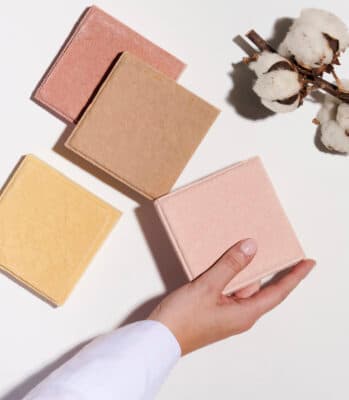
- ARCHISONIC® CottonCottonTex represents a unique approach to the sustainable use of materials. The first type features a standard ARCHISONIC® Cotton layer, offering a refined finish. The second type presents a rawer aesthetic. Both varieties are united by their composition, a blend of 60% cellulose and 40% recycled textiles. A product of the Impact Lab, Impact Acoustics' in-house experimental materials research.
- Printing with coffeeDutch start-up CaffeInk developed an environmentally friendly ink as an alternative to black ink made from fossil-based carbon black pigment. Worldwide, coffee is the…
- Breaking the boundaries between biology, design, and technology19-21 September, London-based Open Cell hosts an exhibition called #Biodesign HereNow, during London Design Festival. The expo will show all sorts of emerging ideas…
- ChromashineThis is a completely new type of metallic pigment that has aluminium flakes as the base material. The surface of the flakes is covered with a silica layer, which are plated with metal particles. The photos show images by Christian Moser Photographer and are screen printed with CHROMASHINE by Lorenz Boegli.
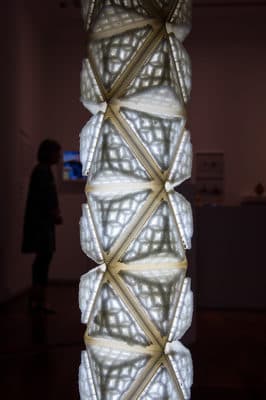
- Clear woodClear wood is the facade material of today. Its use, however, asks much more of the architect’s knowledge of materials. Modern preservation and production…