Search
96 results for “mycelium”
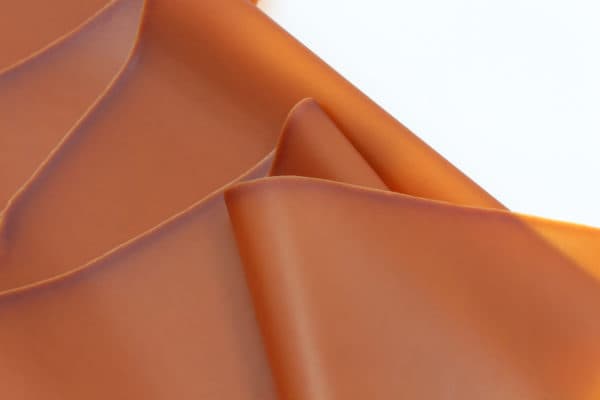
- A continuous sheet of mushroom leatherResearchers at the Finnish VTT Technical Research Centre managed to develop technology that enables the continuous manufacturing of mycelium leather sheets by the meter…
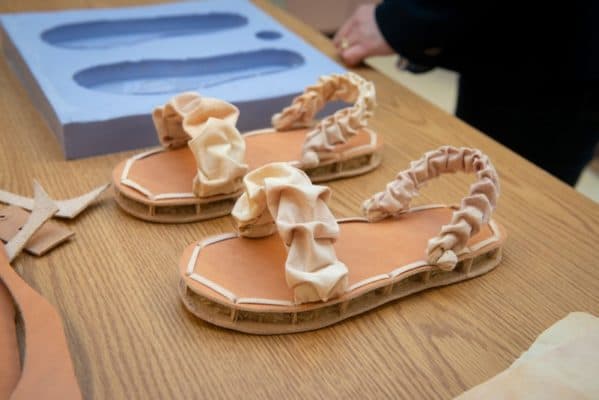
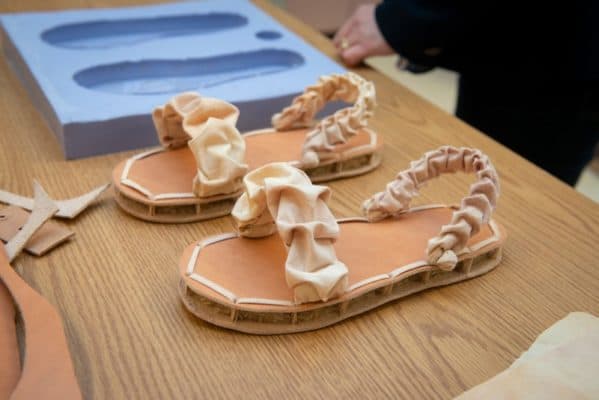
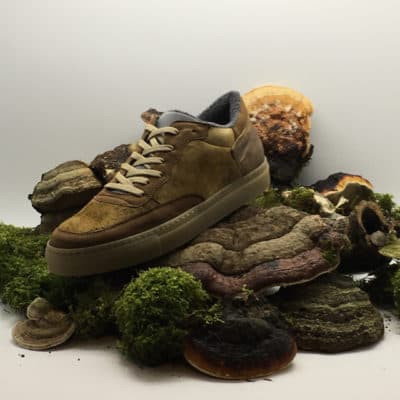
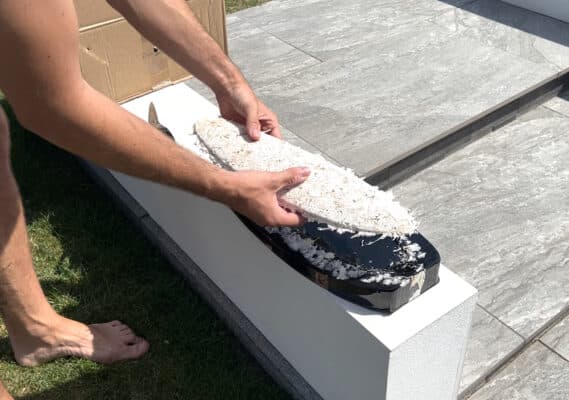
- Best of 2019: Hay sneakers & baked mushroom sandalsOriginally published on 4 February In the world of shoes, we see a lot of experiments using interesting materials. Today, we discuss sneakers made…
- Material highlights at Dutch Design Week 2019Tomorrow, Dutch Design Week 2019 kicks off. The largest design event in Northern Europe is once again a feast for creative professionals seeking material…
- Hay sneakers & baked mushroom sandalsIn the world of shoes, we see a lot of experiments using interesting materials. Today, we discuss sneakers made from hay and sandals with…
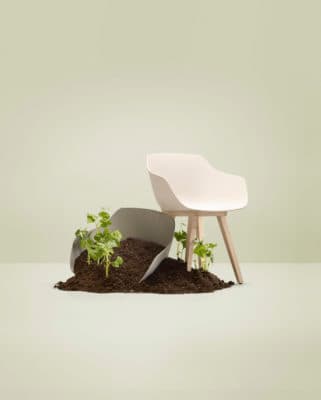
- Sitting on sustainable seatsWhether it is in the office, in a car or binge-watching your favourite show, sitting is a large part of our life. While sitting…
- Be fabulous with bags and shoes made from mushroom leatherMycelium, the root system of mushrooms, is getting increasingly popular in the architectural and design world. While the material is great for, for instance,…
- Mushroom MaterialsEcovative grows materials made from agricultural by- products and mushroom mycelium. Mycelium is a natural, self-assembling glue, digesting crop waste to produce cost-competitive and environmentally responsible materials that perform. Unlike plastics, Mushroom Materials start with plant-based farm waste and can end up in your garden, fully compostable.
- MYXMYX consist of plant fibre and mushroom-mycelium. The material is grown into shape during a period of 2-3 weeks, where the mushroom mycelium grows together the plant fibres into a flexible and soft living textile. After 2 weeks you can harvest the healthy Oyster mushrooms. The waste product can then be dried and used as a lightweight material, that is both organic, compostable and sustainable.
- Grown Materials and Biological Making at Dutch Design Week 2026Explore DDW 2026 grown materials, from bacterial biopolymers and mycelium interiors to colour-changing wearables.
- A surfboard made of mushroomsWelsh designer Steve Davies is working on the development of a surfboard made from mycelium, the root system of mushrooms. Common surfboards are made…
- Mogu PLUMAMogu PLUMA is a new collection of 100% circular, slim wall covering panels, with sound absorbing properties. The distinctive feature of these panels is the complete possibility of customisation, making them not only a valid alternative to normal wall finishes, but also a design product capable of renewing any type of space, without forgetting the technical performance of the mycelium.
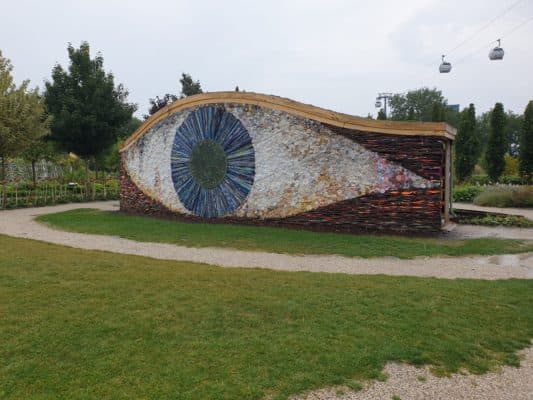
- MaterialDistrict goes Floriade Part 3The International Horticulture Exhibition Floriade is hosted every ten years and this year it is held in Almere, the Netherlands, until 9 October. While…
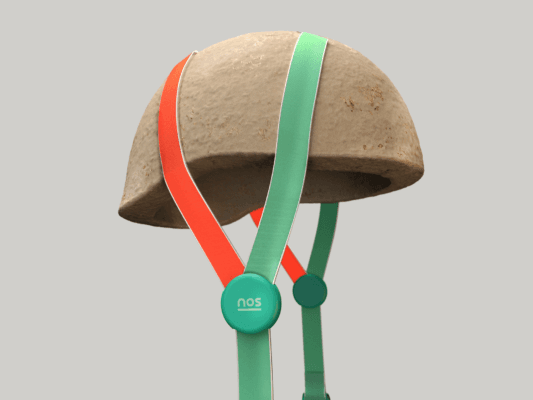
- Grow your own compostable bike helmetMexico-City based design studio NOS Design designed a bio-fabricated bike helmet called Grow It Yourself, which you can grow yourself from mycelium. Mycelium is…
- The must for mushrooms in material designThe State of the World’s Fungi 2018 report, the first of its kind and written by scientists from Kew Royal Botanical Gardens in London,…
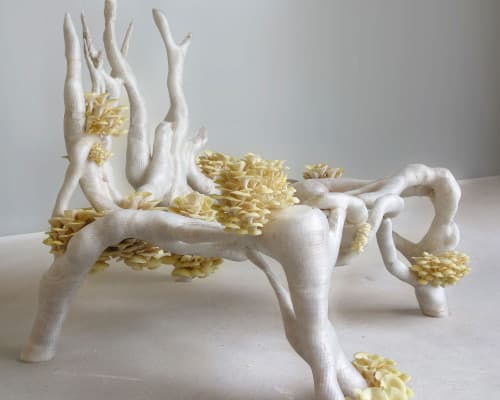
- New material source meets new techniqueCombinations of existing technologies can make two already good ideas really stand out. Take a look at the printed mycelium chair. In this project,…
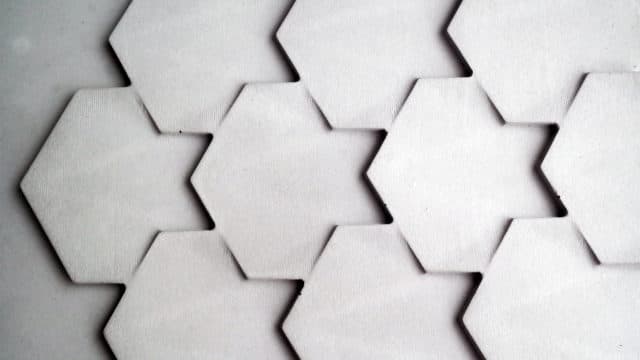
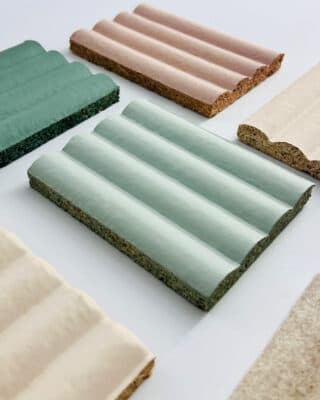
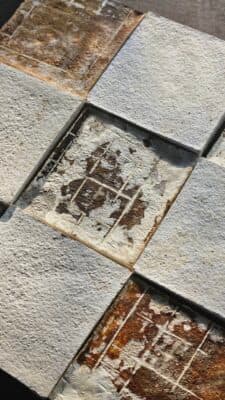
- Mush Art TilesMush Art Tiles are decorative wall elements. The tiles are produced using mycelium, the root-like network of fungi, which grows into lightweight yet structurally coherent forms. Rather than concealing this biological process, the tiles emphasise the organic textures and patterns created during growth, resulting in subtle variations that make each tile unique.
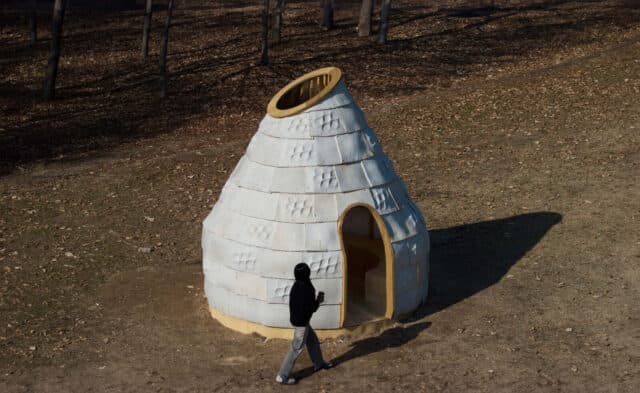
- Mycelial Hut: Growing Architecture with Fungal MaterialsDesigned by Yong Ju Lee Architecture with the Robotic Fabrication Studio (RFS) at Seoul National University of Science and Technology (SeoulTech), the Mycelial Hut…
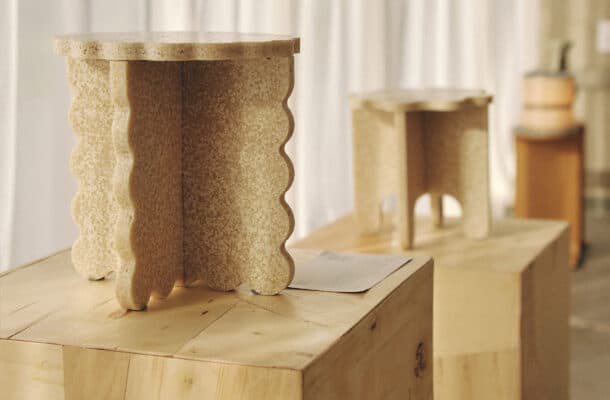
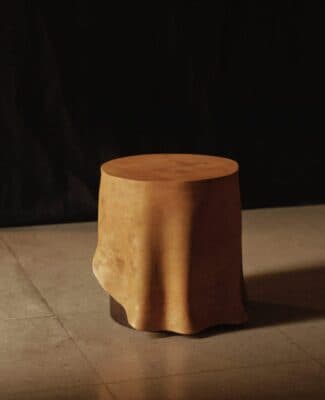
- Sculptural Furniture Blending Illusion and Biomaterials: Studio TOOJ’s Duk x Reishi SeriesDuring Milan Design Week 2025, design studio Studio TOOJ presented the Duk x Reishi collection, a series of sculptural furniture pieces developed in collaboration…
- MyCeraMyCera is a composite material made from clay, wood sawdust and mycelium. Using mycelium as an intelligently oriented fiber reinforcement increases the structural performance of 3D printed unfired clay elements and allows for bio-welding of fired clay elements after assembling.
- BiocompositesBiocomposite is a collective term to refer to fibre-reinforced materials with a natural origin. Basically any material that consists of fibres and a binding component (i.e. resin) can be called a composite. If both the fibres and the resin are extracted from biomass, it classifies as a biocomposite. Preferably residual waste is used to obtain raw materials. Sample mycelium executed by Joppe Weeber, student AKV|St. Not for publication.
- We’re at Milan Design Week: growing a structure like a mushroomMaterialDistrict is currently in Milan, looking for the best material innovations. Today: an architectural structure made of mushroom mycelium, installed in the centre of…
- Today’s materials for tomorrow’s architecture!Insulation material made from Typha, communicating façades, printed roof tiles, walls made from fungi… During MaterialDistrict Rotterdam 2019 (12-14 March in Rotterdam Ahoy, the…
- Pare chair: sitting on mushroomsUsing mushrooms as a seat is no longer reserved only for faeries and goblins! The Pare Chair, designed by Glenn Catchpole, is a zero…
- Myco BoardMyco Board is an alternative to engineered wood containing formaldehyde and other structural materials. With Myco Board, Ecovative grows - not glues - materials with natural, rapidly renewable mycelium technology, delivering structural biocomposites that perform without harsh chemical resins. This material is then compressed with heat and pressure into boards or molded shapes.