Search
5 results for “biocomposites” in materials
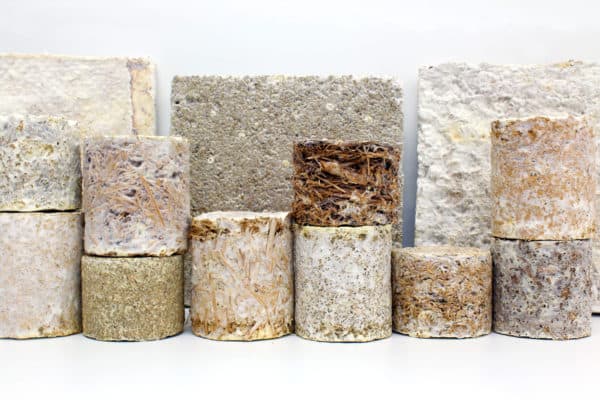
- BiocompositesBiocomposite is a collective term to refer to fibre-reinforced materials with a natural origin. Basically any material that consists of fibres and a binding component (i.e. resin) can be called a composite. If both the fibres and the resin are extracted from biomass, it classifies as a biocomposite. Preferably residual waste is used to obtain raw materials. Sample mycelium executed by Joppe Weeber, student AKV|St. Not for publication.
- GIRIA Tree bark biocompositeGIRIA is a unique biocomposite made from tree bark and a mix of organic binders, designed to bring the essence of the forest into everyday objects. The material is warm, tactile, and versatile, with a texture that evokes natural surfaces. Developed through extensive material research, GIRIA combines pine, oak, and ash bark with leaf powder pigments.
- Environ BiocompositeEnviron biocomposite is a solid board product that utilizes a bio-based technology and is made from recycled paper-products and rapidly renewable agricultural resources. This material offers an appearance with the warmth and feel of an exotic hardwood.
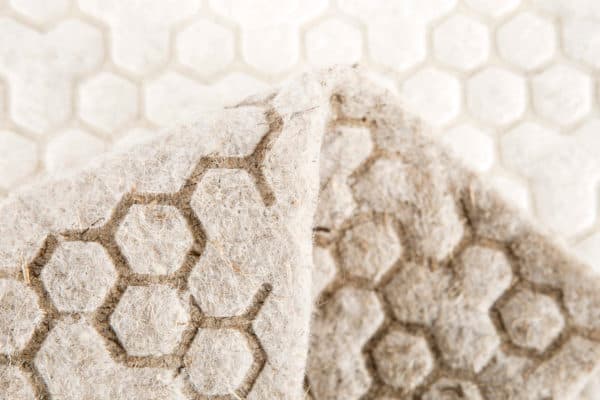
- Micromoulded biocompositesDesigner Bas Froon developed a micromoulding machine that makes it possible to locally change material qualities from a soft material into a strong and lightweight plastic. By doing this, he can keep the tactile qualities of the raw material, while giving it more strength to be used in furniture, fashion and textile applications. The material consists of natural fibres or recycled textiles and biobased plastic like PLA.
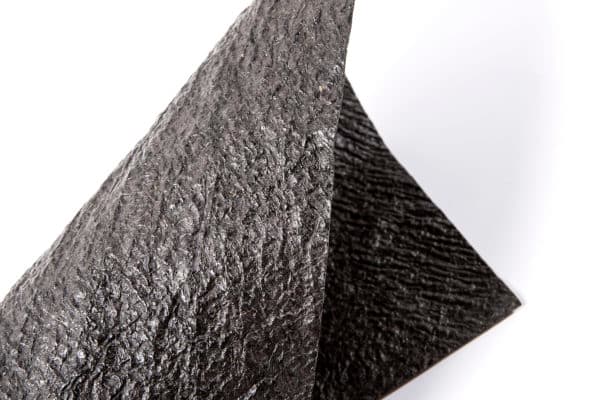
- Malai biocompositeMalai is a flexible, biocomposite material made from organic bacterial cellulose, grown on agricultural waste sourced from the coconut industry in Southern India. The material has a feel comparable to leather or paper. It is water resistant and certified vegan.