Search
8 results for “biophilic” in materials
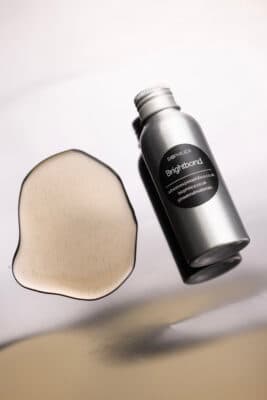
- Brightbond®Brightbond® is a 100% biobased adhesive with excellent bonding results but without the environmental impact. Offering the same bonding performance that you would expect from a traditional PVA glue, Brightbond® is suitable for gluing Treekind®, conventional leather, paper, cardboard, textiles and wood.
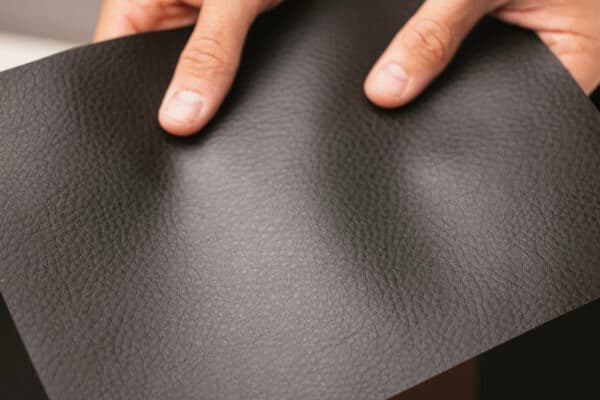
- Treekind®Treekind® is a low-carbon, waste-based alternative to leather that is completely free of plastics and harsh chemicals. The material is made for the mainstream market using urban plant waste, agricultural waste and forestry waste.
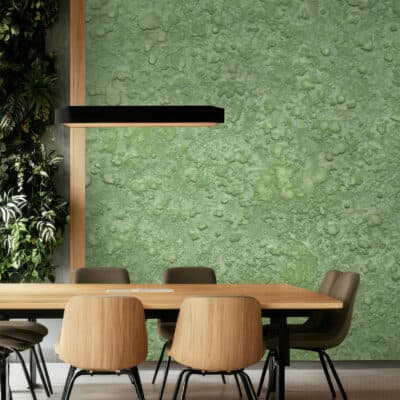
- Biophilic WallpaperThis design is then transformed into high-quality, easy-to-apply non-woven wallpaper, manufactured by our specialist British producer. Every wallpaper from Nuna Walls is entirely unique. The bespoke wallpaper serves as a striking design element. For connoisseurs of Biophilic Design, Nuna Walls wallpaper aligns with at least five of the fifteen Biophilic Design patterns.
- Hybrid collectionAt 2tec2, they are influenced by the world around us to create unique and enticing flooring patterns that will capture the essence of your…
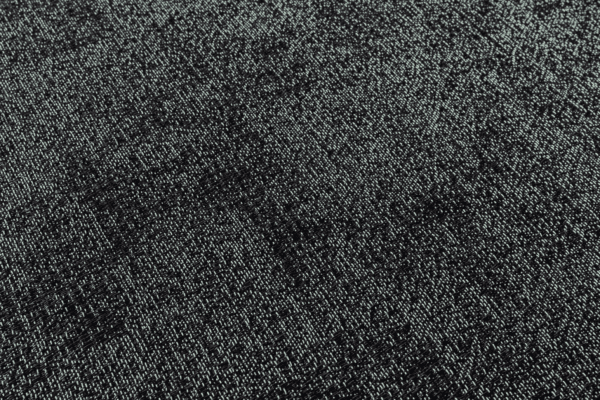
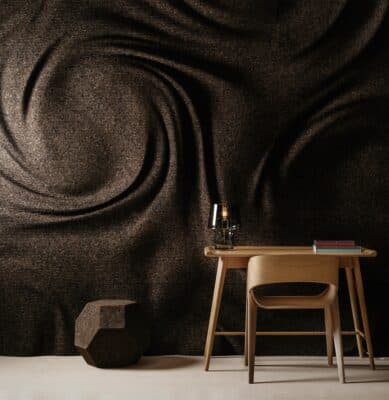
- Gencork cork surfacesThe brand combines expanded black cork agglomerate with computational design tools, including algorithmic systems and artificial intelligence, to produce interior wall coverings and design installations. The core material used is expanded black cork, a 100% natural cork agglomerate manufactured without synthetic additives.
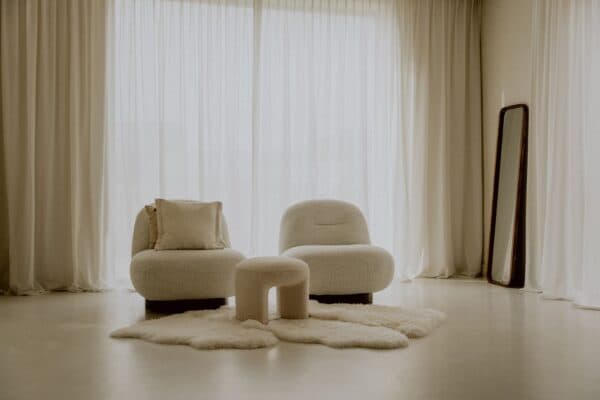
- NatureplastNatureplast is a premium, natural clay-based finishing plaster developed by Stone Age for seamless wall and ceiling applications. Crafted with a deep respect for tradition and a modern eye for design, Natureplast brings earthy textures, organic colour tones and a unique tactile experience into contemporary spaces.
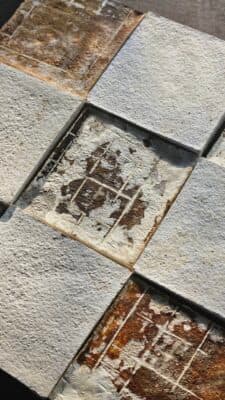
- Mush Art TilesMush Art Tiles are decorative wall elements. The tiles are produced using mycelium, the root-like network of fungi, which grows into lightweight yet structurally coherent forms. Rather than concealing this biological process, the tiles emphasise the organic textures and patterns created during growth, resulting in subtle variations that make each tile unique.
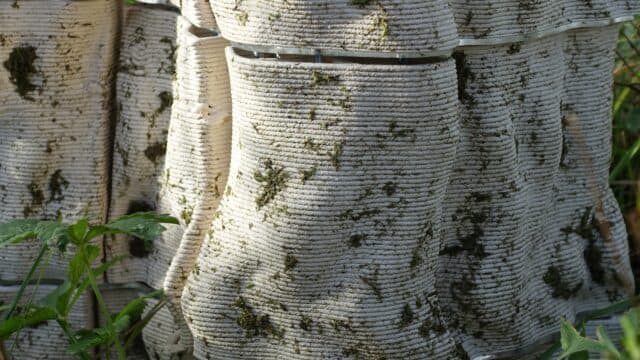
- Bio-receptive 3D printed ceramicsThis material merges traditional craftsmanship with advanced technology, using natural, recyclable clay and living moss to create sustainable, functional, and visually captivating surfaces. The process begins with 3D printing, powered by parametric design, which enables the creation of intricate, customized geometries that would be impossible to produce through traditional methods.