Search
26 results for “recycled textile” in materials
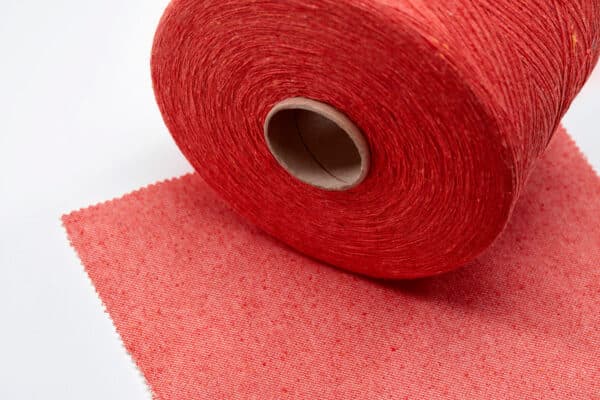
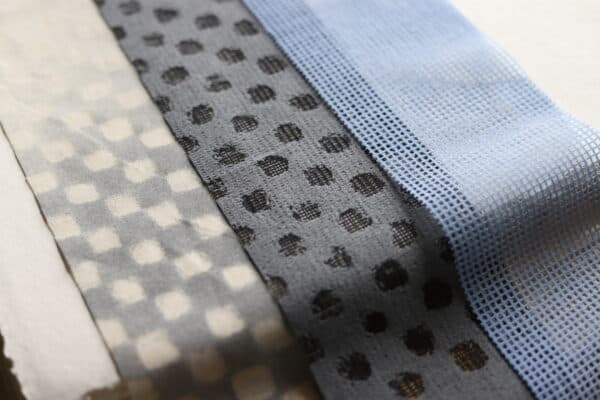
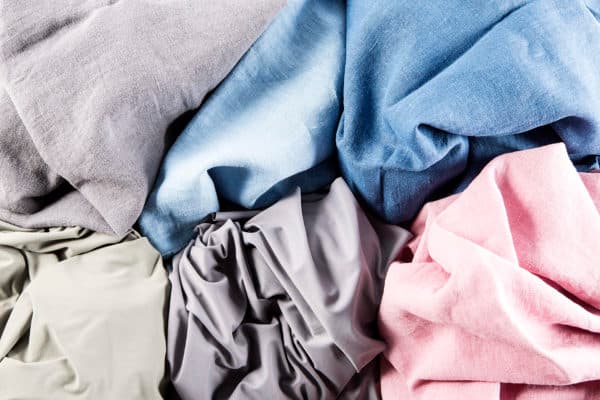
- Wolkat post-consumer textile-to-textile recycled fabricsWolkat’s recycled textile fabrics are circular materials produced from post-consumer textile waste. Discarded garments and textiles are transformed into new fabrics with a reduced environmental footprint. The fabrics are manufactured through a mechanical textile-to-textile recycling process that operates without dyes or chemical treatments.
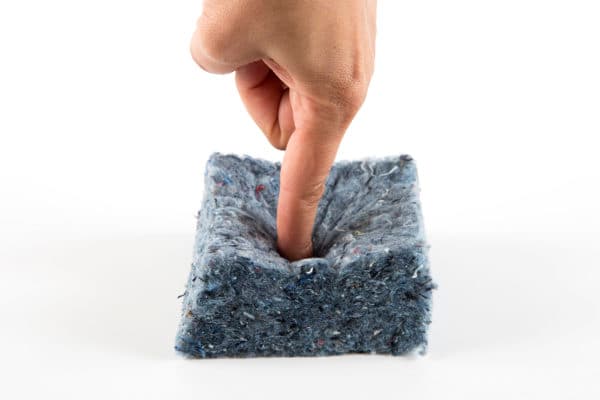
- Métisse recycled textile insulationMétisse insulation consists of leftover jeans and sweaters, a sustainable material that scores 3 out of 3 on the three pillars of sustainability. The clothing isn't burned but reused (Environment), the production of the material helps people with a disadvantage on the labour market (Society), and the material lowers the energy bill (Economy).
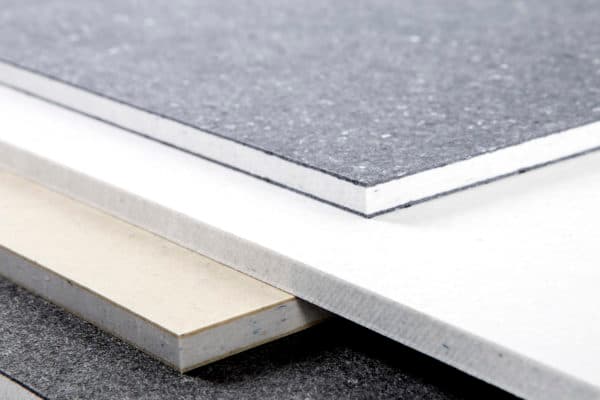
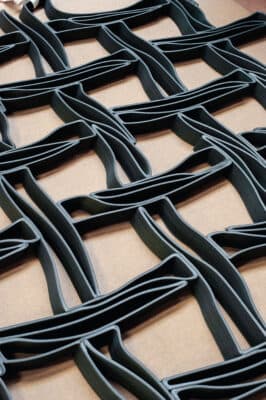
- Solid textile boardSolid Textile Board is a high-density material made from end-of-life textiles and cut offs from Kvadrat. Considering current textile waste streams, the board is made up of cotton and wool as these textiles are typically downgraded in existing recycling processes. The board can be an alternative to a variety of existing materials depending on the application.
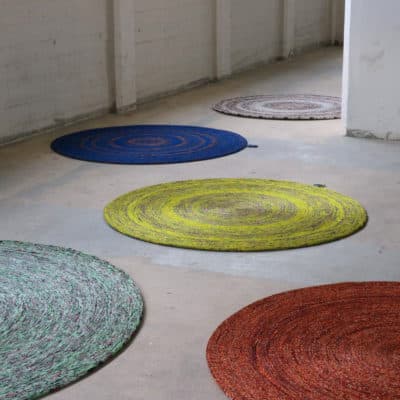
- Vlisco Recycled Carpets‘Vlisco Recycled Carpets’ builds on extensive material research Simone Post initiated into the leftover textiles of Vlisco, a Dutch-based textile manufacturer of high-end wax-printed fabrics mainly exported to Africa. Simone Post has developed a line of high-quality carpets using Vlisco’s rejects.
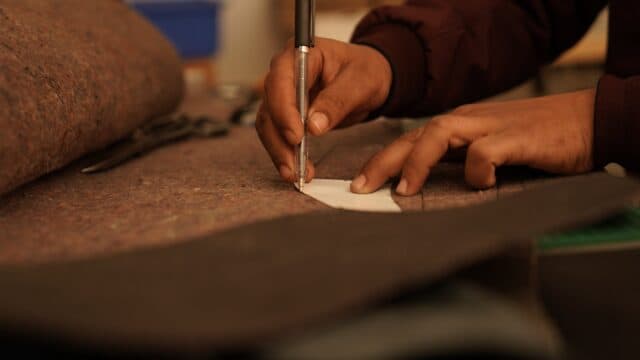
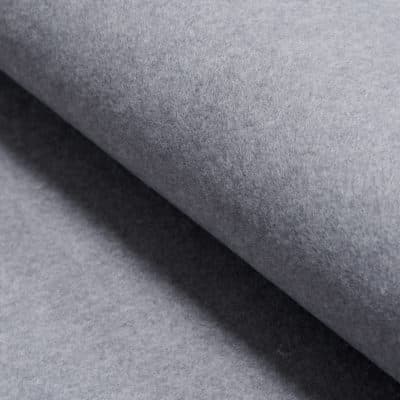
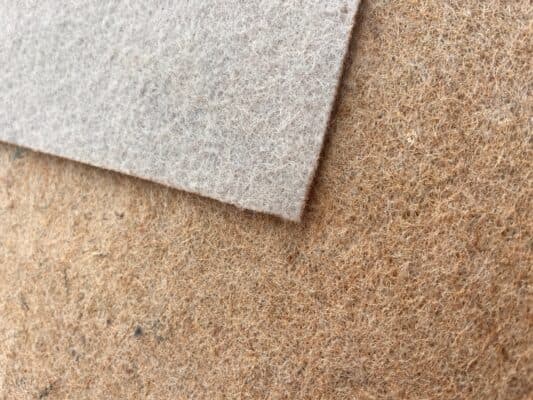
- i-did feltThe recycled felt developed by i-did is special because it is made from discarded textiles and corporate clothing. Many types have already been made of: old KLM clothing, written-off army uniforms, hospital uniforms, mixed consumer clothing, sorted black consumer textile and now even Efteling corporate clothing!
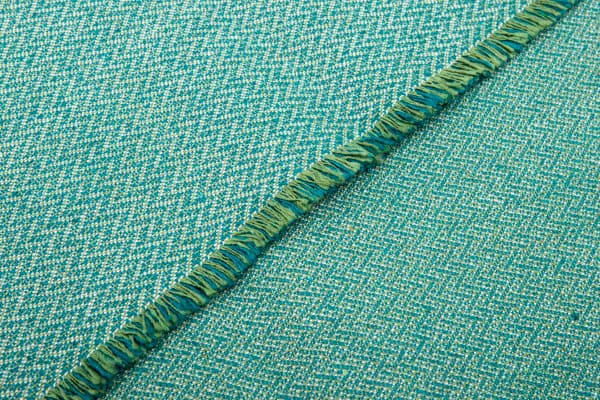
- Forza recycled fabricThe Surprise! collection is an upholstery collection created in collaboration with Enschede Textielstad, a weaving mill in the east of the Netherlands. This collection is made from recycled cotton. In the development of the collection, designer Roos Soetekouw and Enschede Textielstad set the goal to make the collection as festive and colourful as possible. All of that by not using a single drop of dyestuff; the colour in the textile comes from the recycled fibers in the yarns.
- Recycled PET blendWaste2Wear is specialized in the recycling of plastic waste into high quality, yarns, woven and non-woven fabrics and finished textile products. The recycled PET (RPET) blended fabrics consist of at least 30% RPET. Waste2Wear fabrics are made from very high twisted filament yarns, with a high number of fibers. This increases breathability and makes them very comfortable to wear.
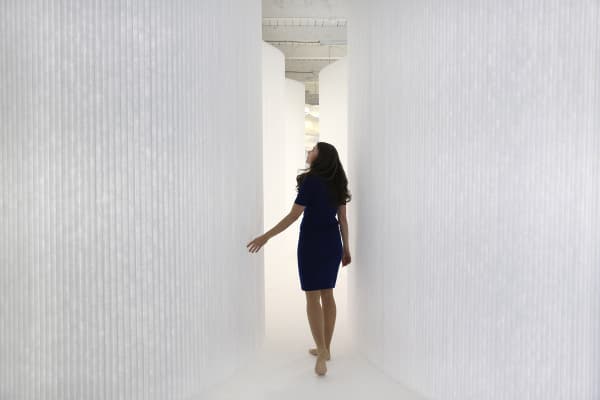
- TEXTILE SOFTWALL + SOFTBLOCKA 100% polyethylene non-woven textile material with a lightweight paper-like look and feel. A modular space shaping system utilizing flexible honeycomb structures that expand contract and flex, forming sculptural spaces and seating spaces.
- FLOCC: Recycled Cotton FlockFLOCC is a sustainable textile innovation that transforms cotton waste from heritage lace production into soft, luxurious flock fibres for interiors, fashion, and surface applications. Using electrostatic flocking, FLOCC creates rich, velvety surfaces applied to MYB Textiles’ fabrics, turning production waste into tactile, design-ready materials suited to both experimental and high-value applications.
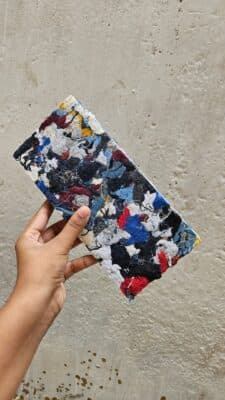
- Textile brickThe textile brick is a sustainable and eco-friendly building material made from recycled textile waste and natural binders. It offers thermal insulation, sound reduction, and good mechanical strength, making it ideal for indoor applications. By utilising waste textiles, this project helps reduce landfills and contributes to a more eco-friendly environment.
- Recycled PETThe 100% recycled PET (RPET) collection comes in a variety of fabrics. Waste2Wear is specialised in the recycling of plastic waste into high quality, yarns, woven and non-woven fabrics and finished textile products.
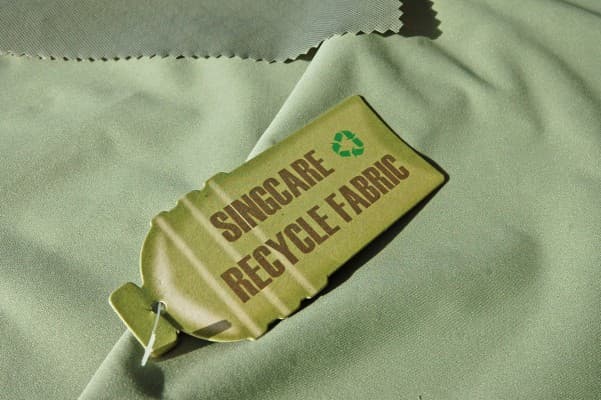
- Recycled FabricSingtex® recycle polyester fabrics use PET bottles and scrapped polyester textiles as raw material to manufacture recycled fiber in order to produce green product.
- Standing textilesThe strong and sturdy structure gives the suggestion of a solid volume, but the lack of support and hollowness make them seem on the edge of breaking. The volumes are built up, thread by thread, on a custom-made weaving loom.
- Wood Fibre TextilesTextiles made of wood include Tencel, Viscose, Lenzing FR and Lenzing Modal. Tencel is more absorbent than cotton, softer than silk and cooler than linen. Viscose is naturally botanic, absorbs moisture well and is pleasant on the skin. Lenzing FR offers protection from different kinds of heat: fire, radiant heat, electric arcs, molten metals and flash fires. Lenzing Modal is extracted from beech wood.
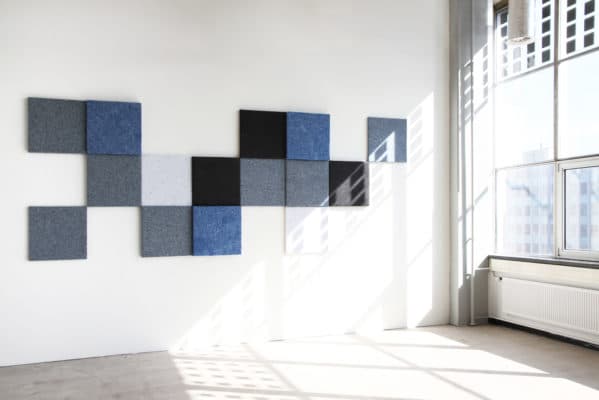
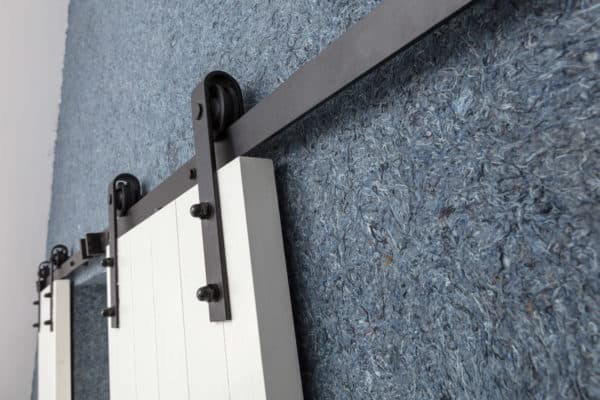
- Recycled Jeans on The WallRecycled Textile on the Wall and Recycled Jeans on the Wall are sustainable wall and ceiling decorations made of textile fibres. Discarded clothes and jeans are turned into a decorative and acoustic wall covering by unraveling the clothes and mixing the resulting fibres with a biobased glue. By using fibres of different colours and with additions to the fibres, interesting decorative effects can be created.
- UNWASTE™ – Cushioning from Post-Consumer TextilesUNWASTE™ is a cushioning material developed by A BLUNT STORY as an alternative to conventional plastic-based foams used in footwear uppers. It uses 100% post-consumer garment waste that is unsuitable for resale or conventional recycling. Mixed and damaged textile waste is processed and transformed into a cushioning material for lifestyle footwear, diverting it from incineration or landfill.
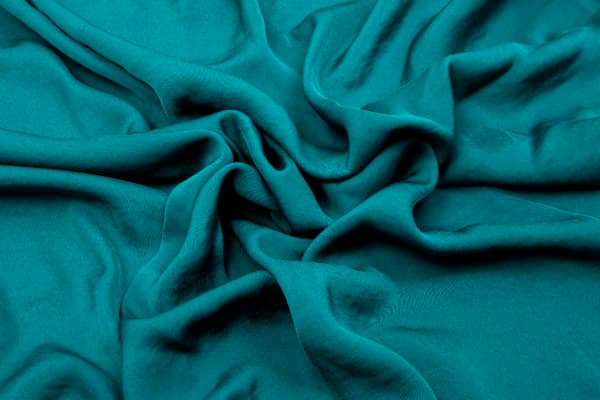
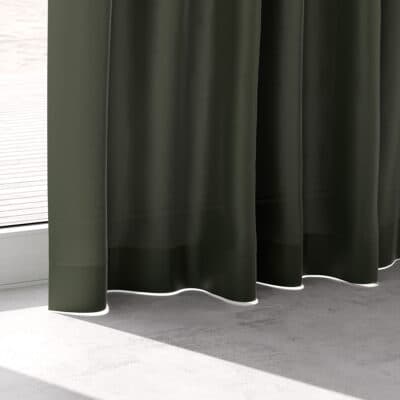
- Stella CS recycled fabricStella CS is a semi-transparent taffeta fabric by Nya Nordiska, developed for both residential and contract interiors. The textile is available in a palette of 28 solid colours, ranging from light, understated neutrals to deeper, more saturated tones, allowing for a wide range of colour combinations and applications. The fabric is woven from 100% recycled polyester Trevira CS yarn and weighs approximately 100 g/m².
- Minimal art – Recycled PET feltThis material is made from recycled plastic bottles. PET is easy to process and sound-absorbing. No use of water or drying machines in the felting process. The felt wall covering collections are specially designed to use Féline's felt for wall, ceiling or panel applications. All the felt can be produced into acoustic wall covering.
- Natural textile dyeNatural textile dye uses dyestuff extracted from plants and animals like trees, flowers, etc. The dyes are won from exclusively natural non-edible materials like stems, skins and roots of plants. The plants include Natural Indigo, Gallnuts, Madder Root, Lac, Pomegranates, Himalayan Rhubarb, Myrobalan and Catechu. Not all fabrics are suitable for natural dyeing.
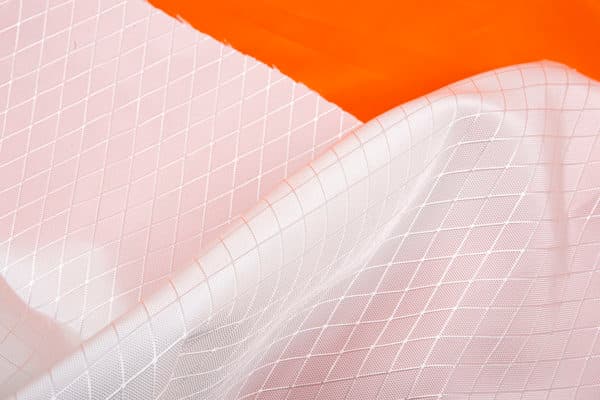
- Pet TextileRecycled Pet Textille is an eco- friendly fabric made of recycled pet bottles. The fabric has coating that is flame- retardant, water-repellent, waterproof and breathable.
- ARCHISONIC® TextileARCHISONIC® Textile is an eco-friendly fabric solution made in Italy to the highest quality standards using 100% recycled PET materials. In an effort to…
- 3D Printed Recycled Custom FaçadeAectual produced a custom 3D printed façade for the BOSS store at İstinye Park in Istanbul, designed in collaboration with Ippolito Fleitz Group. The 73 m² façade consists of 136 individually printed elements made from recycled post-industrial polypropylene.
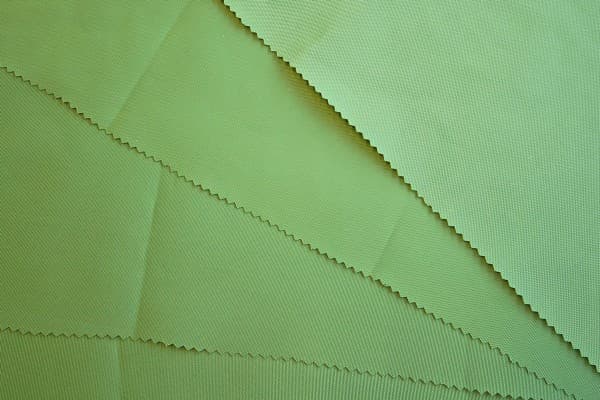
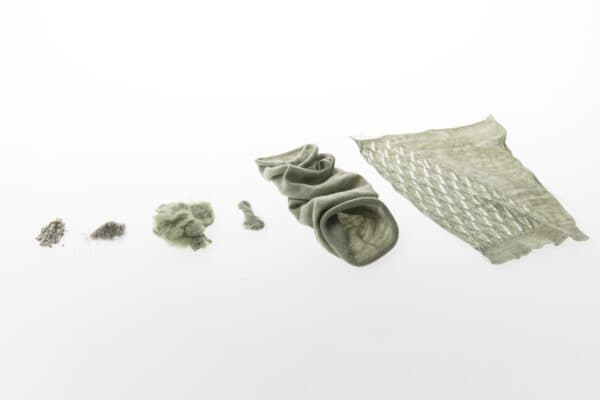
- From banknotes to textilesThe estimated lifetime of a banknote is around three years, after which polymer-based ones are recycled, and cotton-based ones are incinerated. This has motivated the research team to investigate the chemical recycling of cotton-based banknotes using Ioncell®, a technology developed for the sustainable production of synthetic cellulose fibres. Its green colour comes from the original colour of used banknotes.
- Recycled & biobased felti-did transforms discarded textiles into high-quality felt for interior and product design. At MaterialDistrict Utrecht, the company presented two new recycled biobased felts: a…