Search
7 results for “seagrass” in materials
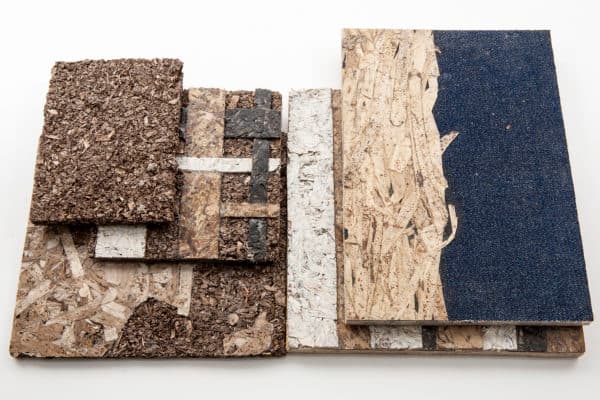
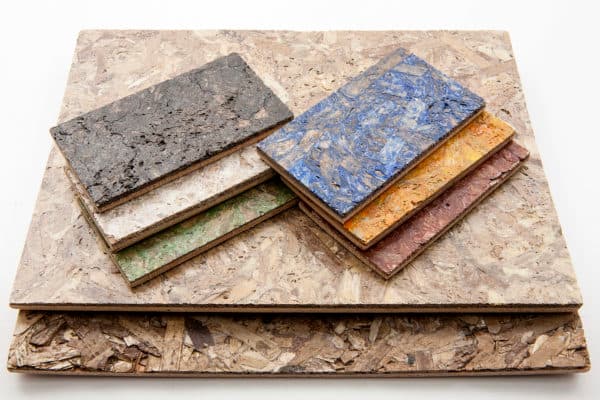
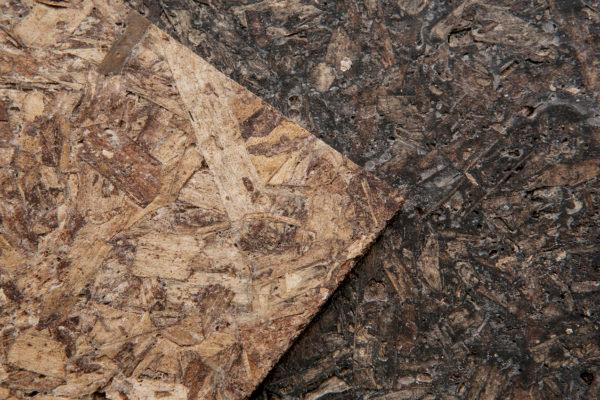
- Seagrass baseMetis Seagrass produces rectangular panels using the seagrass Posidonia oceanica and 100% bio-based bonding materials. These panels can be used as wall coverings and due to their natural hue, they are very pleasing to the eye with a strong aesthetic appeal. As the panels are 100% bio-based, they do not produce hazardous fumes in interior spaces.
- Seagrass on plywoodThese panels can be used as wall coverings and due to their natural hue, they are very pleasing to the eye. As the panels are 100% bio based, they do not produce hazardous fumes in interior spaces. These products are unique 100% eco friendly end products made from the Mediterranean seagrass Posidonia oceanica, with a strong backing of plywood.
- Metis seagrassMetis Seagrass produces rectangular panels using the seagrass Posidonia oceanica and 100% bio-based bonding materials. These panels can be used as wall coverings and due to their natural hue, they are very pleasing to the eye with a strong aesthetic appeal. As the panels are 100% bio based, they do not produce hazardous fumes in interior spaces.
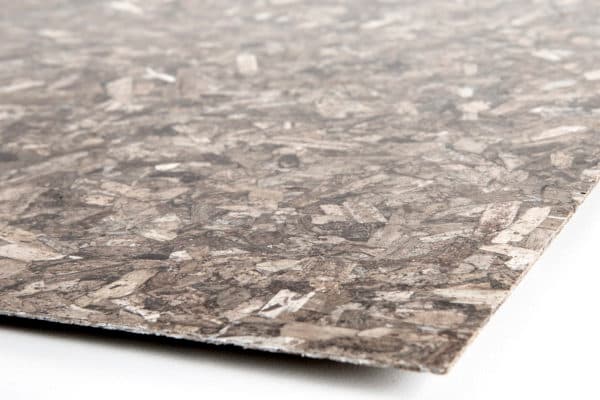
- Phee seagrass boardPhee board is a flat panel made from the leaves of seagrass Posidonia Oceanica and biological resins. To make the board, the seagrass is collected, cleaned and dried. The seagrass is then compressed with bioresin into a board material.
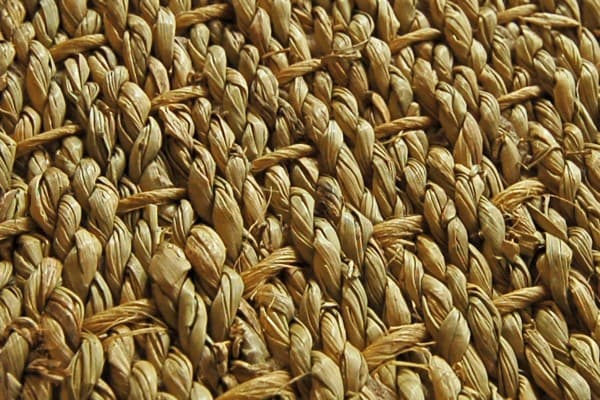
- Seagrass CarpetsSeagrass carpet is a woven carpet made of 100% seagrass. The raw material is a long grass species growing along the coasts of China.
- StrandgutStrandgut is a fabric crafted from marina seaweed, offering versatile applications. It is insulating, have an anti-bacterial effect, is resistant to mould, flame and moisture. The natural waste product seaweed washed up on the Baltic coast has to be removed by the coastal communities to keep the beach attractive to tourists.
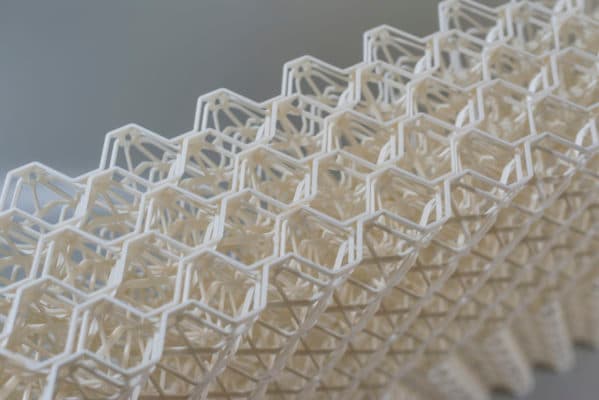
- BESE-elements®These Biodegradable Elements for Starting Ecosystems, or BESE-elements®, consist of stackable layers that build up into a biodegradable matrix structure. The modular design combines porosity with a complex structure. The renewable raw material, Solanyl, is biodegradable, carbon neutral and non-toxic, being made of potato waste from the French fry industry.