Search
8 results for “tree shaping” in materials
- BarktexBarkcloth combined with the water-based acrylate resin Acrodur opens up new design possibilities. The Bark cloth is harvested from the permanently renewable bark of the East African “Mutuba” fig tree and produced in cooperation with small-scale organic Ugandan farmers. The bark is harvested once a year without felling the tree. Each strip of bark produces one cloth, each with its own history.
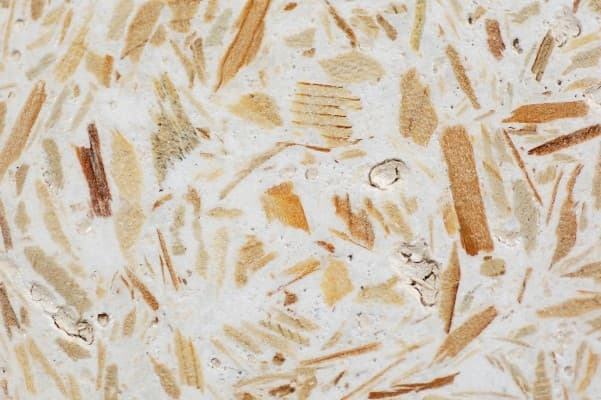
- Beetlecrete – MPBWCMountain Pine Beetle Wood Concrete (MPBWC), or ‘Beetlecrete’, is a wood concrete composite, using the trees killed by the mountain pine beetle. The result is a hybrid material that is shaped with molds. Beetlecrete can be worked with woodworking tools. It is moisture and fire resistance, and weighs half of ordinary concrete.
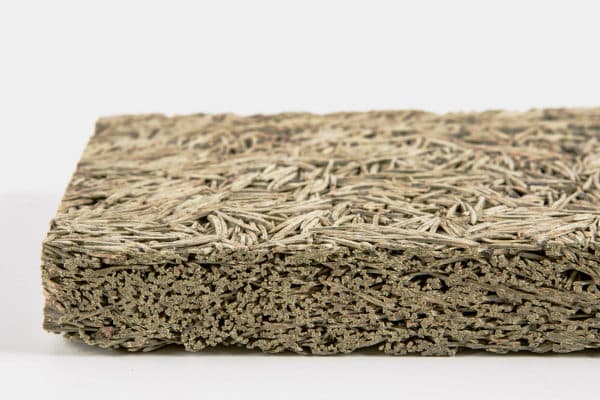
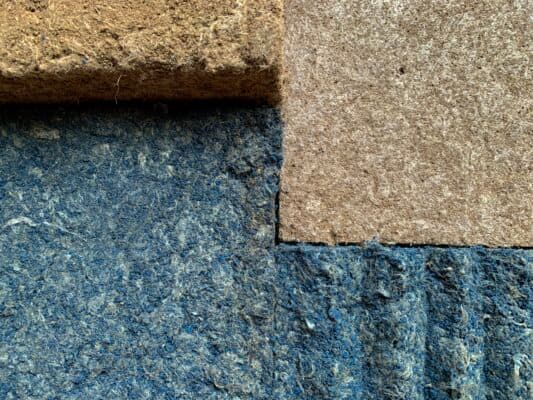
- Conifer needles panelsEocoustic conifer panels are decorative, sound-absorbing panels made from conifer needles. The panels focus on sustainable material usage without harming the environment. The needles of felled trees, which are usually discarded as waste, are collected and turned into wall panels. The sound-absorbing fibre material is based on conifer-needle and biodegradable binder.
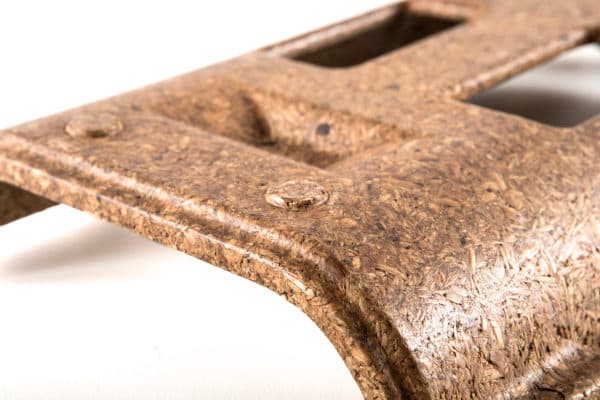
- Moulded woodMoulded wood is a modern composite which, thanks to a moulding technique, allows to create different products with different shapes. The material is made out of 92% of virgin wood coming from local coniferous trees and 8% of binders of different qualities. The wood can be used to create numerous objects, from furniture to packaging material.
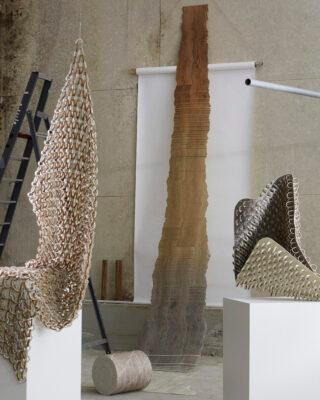
- Material Identity Crisis‘Material Identity Crisis’ is a collection of unique vinyl samples that play with the characteristics of the printed material. Through experimentation with shaping, cutting, folding, braiding and weaving, Wies van den Maagdenberg demonstrates how discarded vinyl can be transformed and take on new identities.
- LinoPulpoLinoPulpo is an eco-conscious composite material made from pulped linoleum, jute, and repurposed cotton canvas, all sourced from recycled Forbo Flooring Systems linoleum waste. The material includes cork flour-based and wood flour-based linoleum, combining sustainable elements into a versatile and durable product. The linoleum used is a natural, non-toxic material made from tree rosin and linseed oil, known for its environmental benefits.
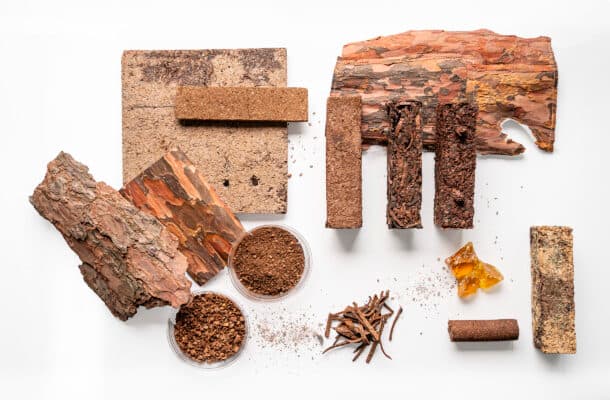
- TRI – the material that touches youWe live in a time in which the availability of natural ressources is severely limited and the earth‘ ability to regenerate is therefore significantly exceeded. It is essential to address the issue of ressource scarcity with new, sustainable concepts. "TRI – the material that touches you" deals with exactly these topics very intensively and innovatively. The previously largely unused but widely available ressource of tree bark with its many positive qualities was combined with a natural binder as part of a long-developed material study.
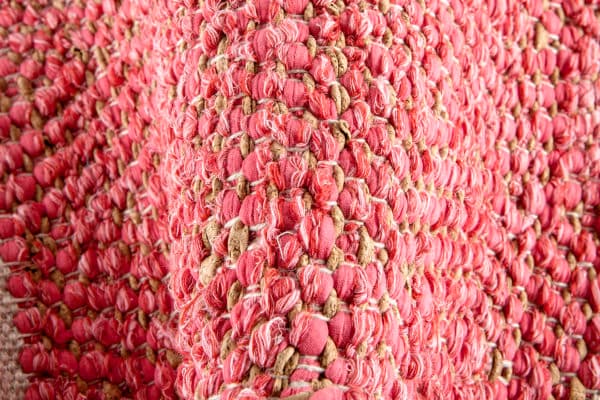
- Cork rugsThese contemporary and functional design cork rugs are made of a combination of cork and natural fibres such as (recycled) cotton, linen, and wool. The rugs come in a variety of colours and with various patterns. The sizes can be custom ordered, with a max width of 200 cm. The trimming of the rugs can be sewed or with fringes.