Martin Kechayas Named Designer of the Year for Furniture From Residual Wood
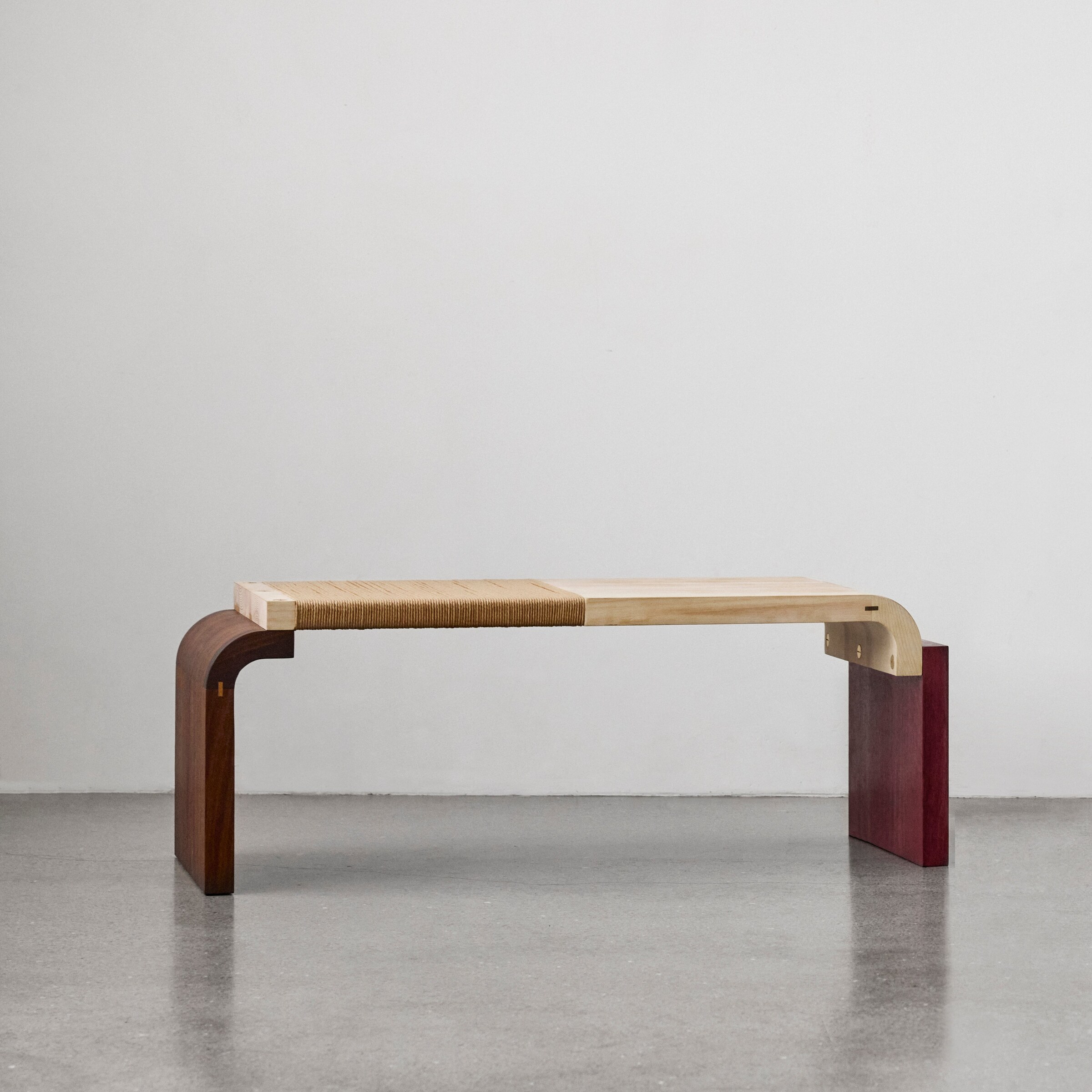
A bench with one leg in dark walnut and the other in purple heartwood, joined by a seat of pale ash and paper cord: Martin Kechayas builds his furniture from wood that other workshops leave behind. On 3 November the Danish furniture designer was named Designer of the Year at the BO BEDRE Design Awards 2026 in Copenhagen.
The jury praised the consistency of his practice and pointed to three pieces in particular: his Brico collection, a bench and the Børsen chair. Kechayas has a long career in furniture design behind him. With his own brand, Kechayas, he now focuses on furniture made from residual wood from furniture production.
Offcuts Become a Palette
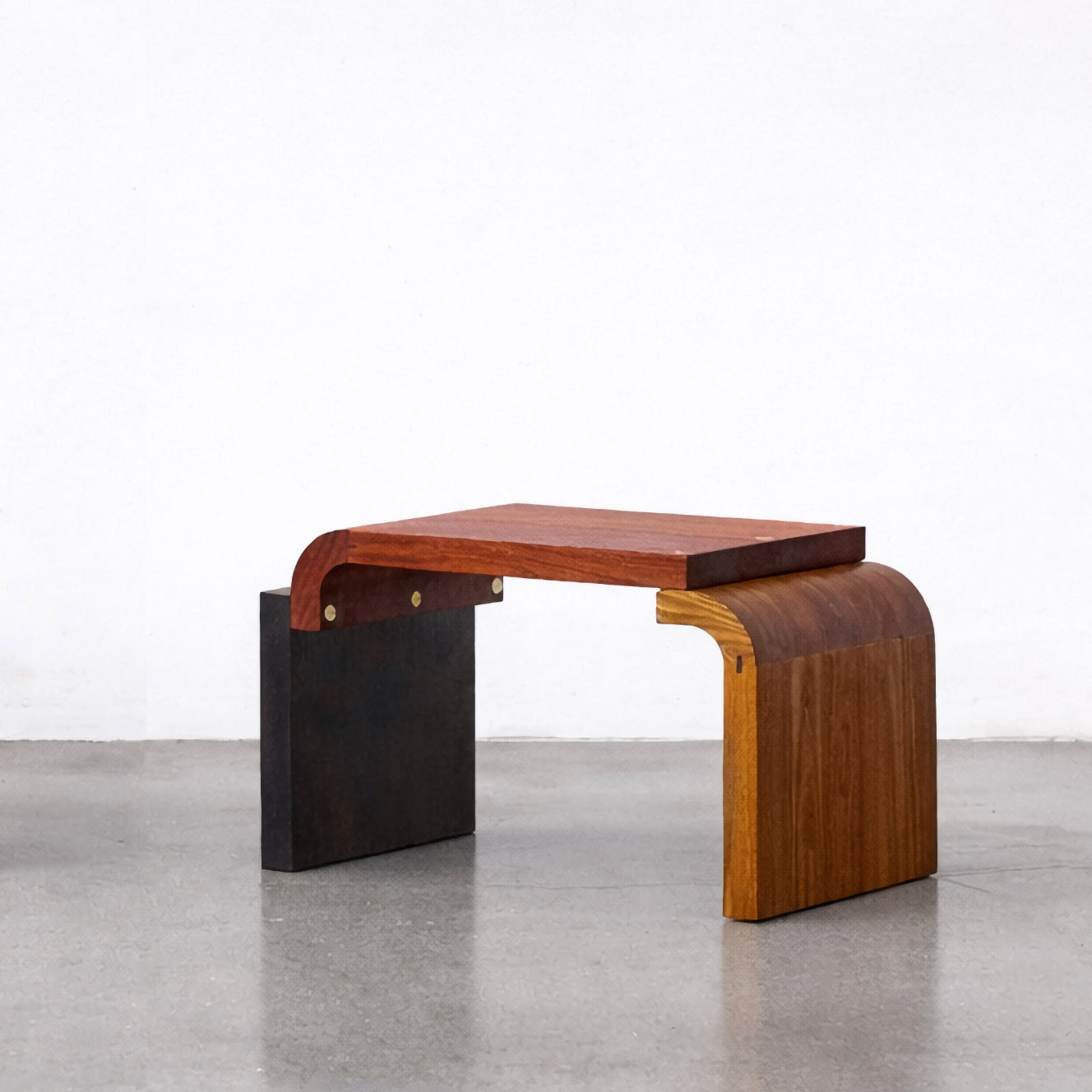
The pieces in the Brico series are made from up to 100 percent residual wood. Instead of hiding the mix of species, Kechayas makes it the point. The Brico Arc seating modules combine curved legs in walnut, mahogany or elm with flat slabs in contrasting timbers such as black oak, ash and purpleheart. The two-seater has a seat partly wrapped in paper cord.
The modules arrive flat-packed and are assembled with brass screws, which stay visible as small gold dots in the wood. Brico Duo, a stackable chair of pear and ash, weighs five kilograms. At the other end of the scale, Brico Play is a sculptural composition of thirteen wood species, from beech and cherry to teak and rosewood, two metres wide.
A Chair That Started With Pine From Børsen
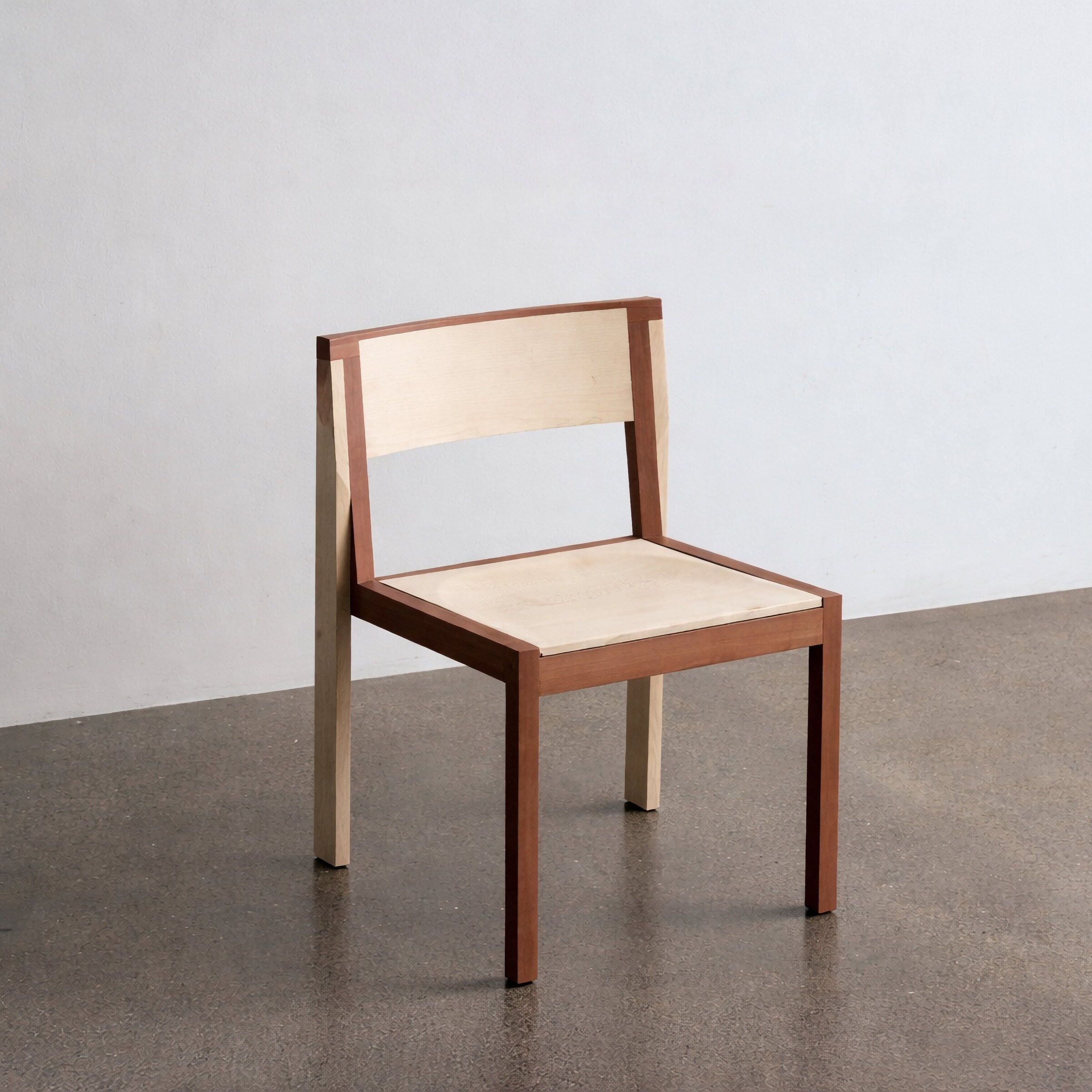
The Børsen chair was designed for Danmarks Næste Klassiker 2026, a competition for an everyday chair for Børsen in Copenhagen, where it took second place. The first prototypes were made from offcuts of Nordic Scots pine trunks felled during the reconstruction of Børsen.
The final chair is made of maple and pear, two woods that differ in colour and hardness. The joinery is left exposed. The chairs stack, and they link up in rows with an anchor-shaped bracket, a reference to the trade history of the building. Kechayas designed it for users of every age and body type, from formal events to daily use.
Craft Without Waste
For interior architects, the Brico pieces show how mixed offcuts can become a deliberate visual language, rather than a compromise: no two benches have the same combination of colours and grain. The collection is on sale through the Kechayas shop, with each piece designed in Copenhagen in 2026.
On MaterialDistrict, curved furniture parts pressed from short flax fibres and Christien Meindertsma’s Paul Deiters Prize show other designers turning overlooked material streams into furniture and products.
Source: Martin Kechayas, Kechayas, ScandinavianDesign.com (4 November 2026)