Search
34 results for “ceramics” in materials
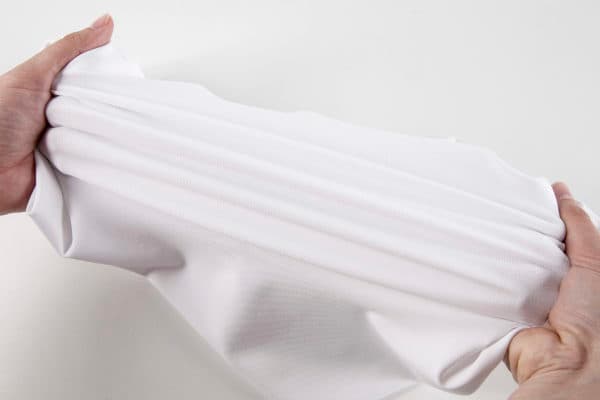
- Lycra with ceramicWhites used in garments may be transparent when wet. But when you double line the garment or use fabric with ceramic core technology this will not happen. This Lycra can be used in swimming wear and will stay unrevealing white.
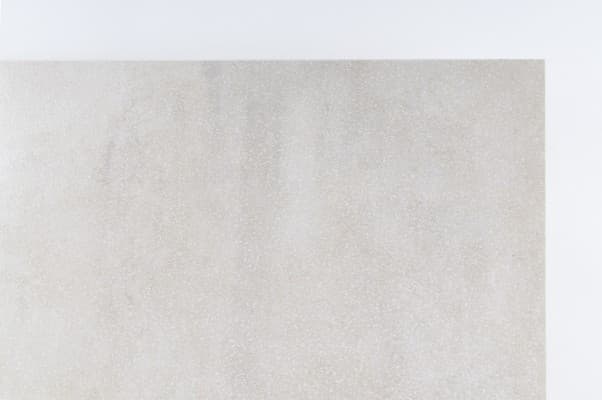
- HT coating for ceramic tilesThe HT coating for ceramic tiles is based on the photocatalytic properties of titanium dioxide as a catalyst, which effects a reaction between light, oxy-gen and air humidity. The coating is baked onto the glaze at high temperature in-plant.
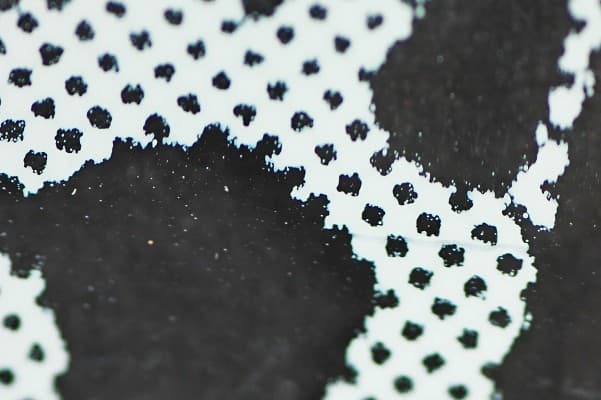
- Ceramic PrintThis ceramic printed glass panel is made by an industrial direct-on-glass digital printer. Special ink compositions are used for long lasting glass printing, which include micro- particles of glass. The fixation of the printed image is made by firing the printed glass in a furnace. The exposure of the ink to high temperatures causes the glass micro particles to melt, thus affixing the ink pigments into the printed glass surface.
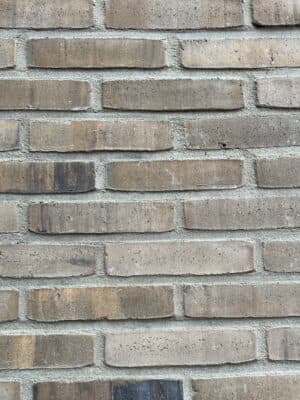
- Ceramic Facing BricksRodruza ceramic facing bricks are high-quality façade bricks manufactured in the Netherlands. The bricks are produced from carefully selected natural clays and mineral raw materials and are kiln-fired to achieve durable, colour-stable performance. Depending on the chosen range and finish, the bricks are available in a variety of textures, colours, and dimensional formats. Shown here are Maas and Maas Rockface.
- Clean Air City Ceramics – waste glazesFrom 2017 SCJ started looking into the possibilities of integrating waste materials in the glaze recipes, besides the already known custom of reusing leftover material from the production process. The glaze of Clean Air City Ceramics is composed with captured particulate matter from industrial working environments.
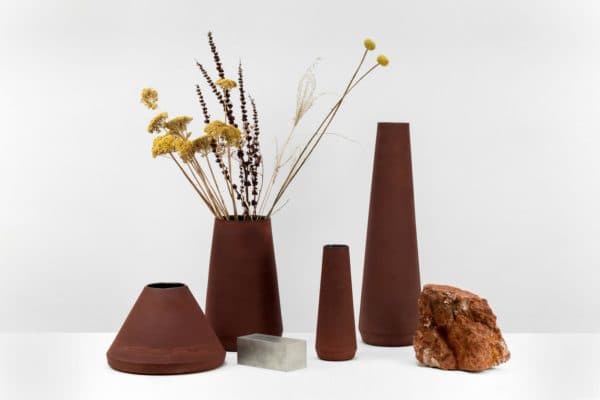
- Bauxite Residue ceramicsRed Mud, a.k.a. bauxite residue, is a waste of the alumina industry. For every part of aluminium made, two and half times more red mud is also produced. Working with factories and research labs, the industrial residue is transformed into ceramic bodies and glazes fit for architectural use.
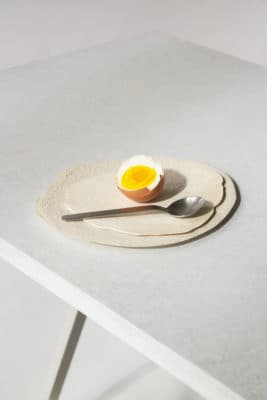
- Eggshell CeramicAtelier LVDW developed a biodegradable but strong material out of the eggshells which can be a sustainable replacement for single use plates. The material can easily be recycled into calcium water, which can be used as a nutrient for lime-loving plants. This project creates an extra “dot” in this materials lifecycle. The studio designs decorative art objects and planters with this material.
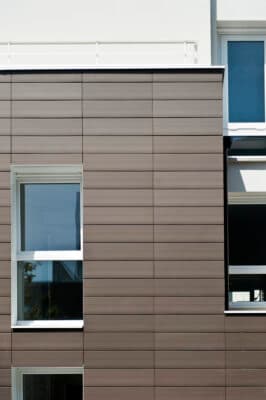
- Ceramic Wall CladdingThe Zephir is a single-skin cladding product whose lightness makes it relatively easy and economical to install. The open joints ensure that the facade remains well ventilated. Borreal is the double skin impact-resistant variety.
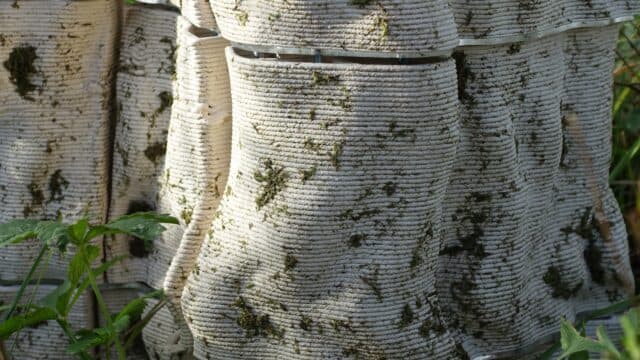
- Bio-receptive 3D printed ceramicsThis material merges traditional craftsmanship with advanced technology, using natural, recyclable clay and living moss to create sustainable, functional, and visually captivating surfaces. The process begins with 3D printing, powered by parametric design, which enables the creation of intricate, customized geometries that would be impossible to produce through traditional methods.
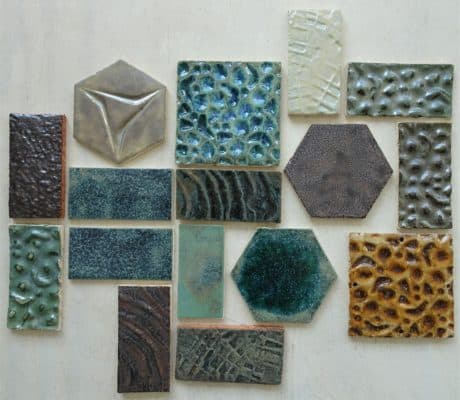
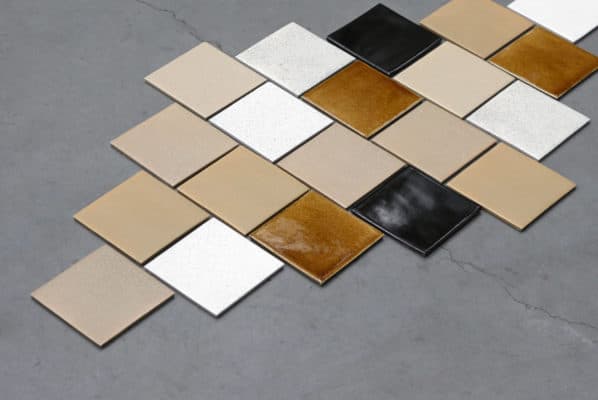
- Ignorance is Bliss ceramic tilesIGNORANCE IS BLISS is an ongoing project about reincorporating the value of metal waste by applying it as a pigment from industries such as drinking water supply and soil remediation into new valuable products and methods. As a result of broad-scale material research and prototyping, one outcome is ceramic tiles, which are coloured purely using 100% industrial metal waste.