Search
47 results for “concrete” in materials
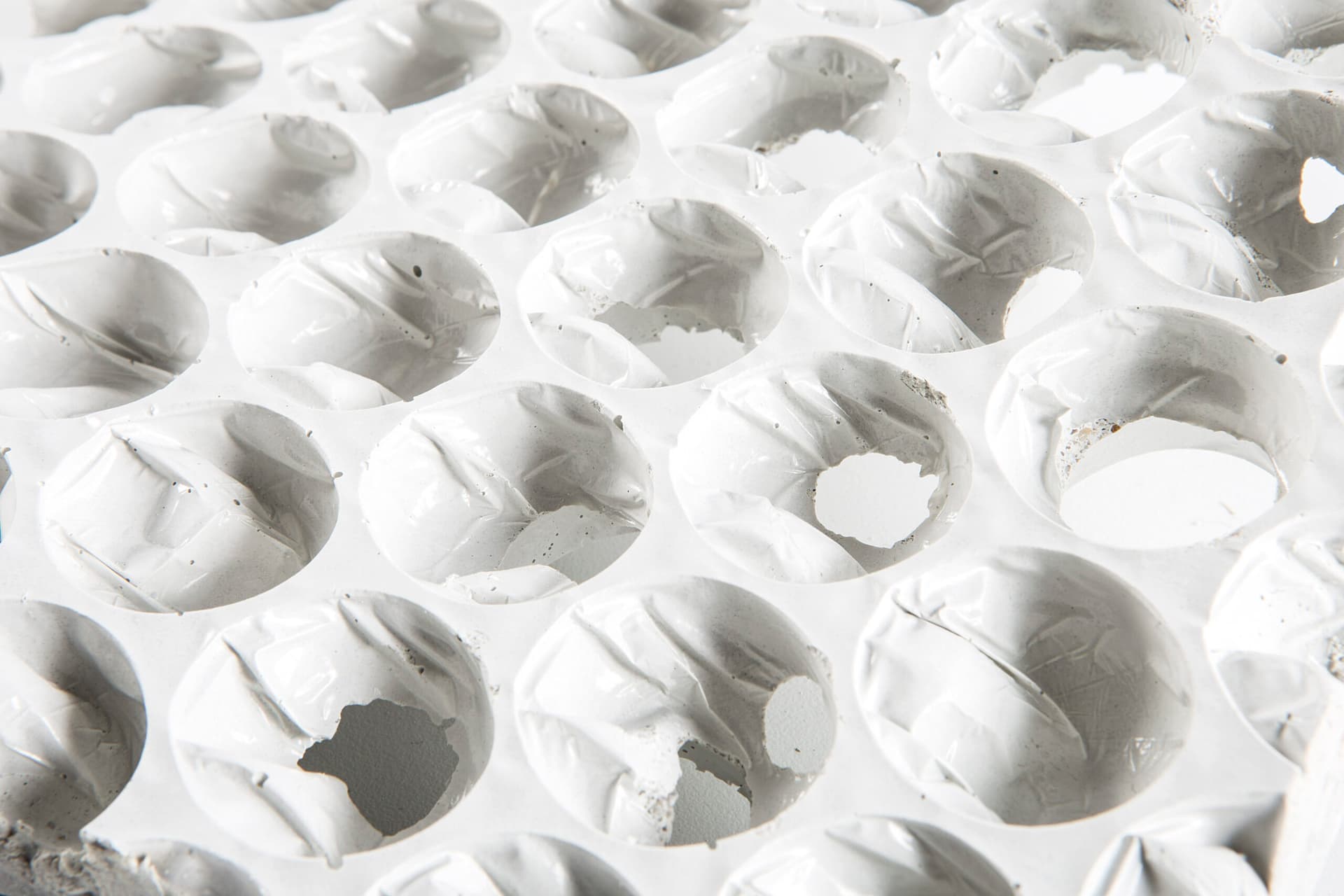
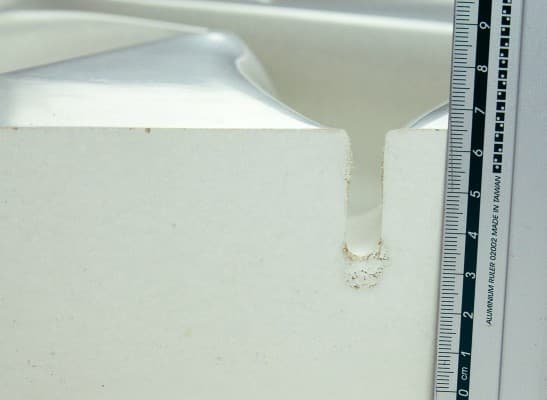
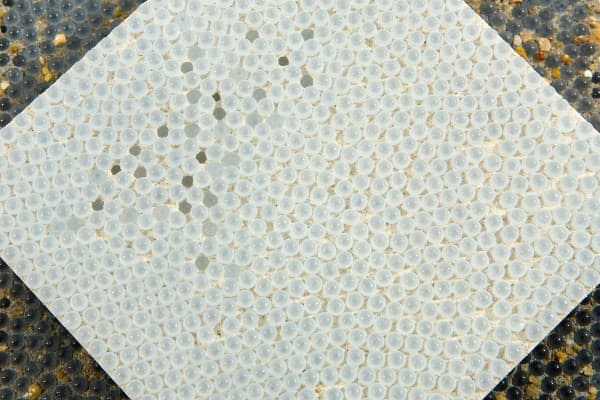
- Butong bubble concreteButong bubble concrete panels are made by pressing two form matrices together. How these matrices join inside the panel determine the filter effect of the panel. The panels have holes from both sides of the panel in a hexagonal pattern. Due to that the cells of the two sides of the matrix are joined, the panel will keep its uniform thickness. In its semi-hard condition, panels can easily be cut to desirable shape.
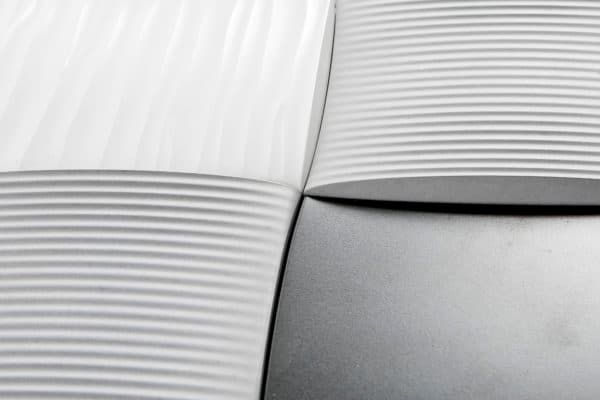
- WEAVE concrete tilesWEAVE is a series of concrete tiles, inspired by the rhythmic imagery created by sand dunes and traditional weaving techniques. The surface is made from special concrete known as liquid stone, giving the tiles a smooth finish.
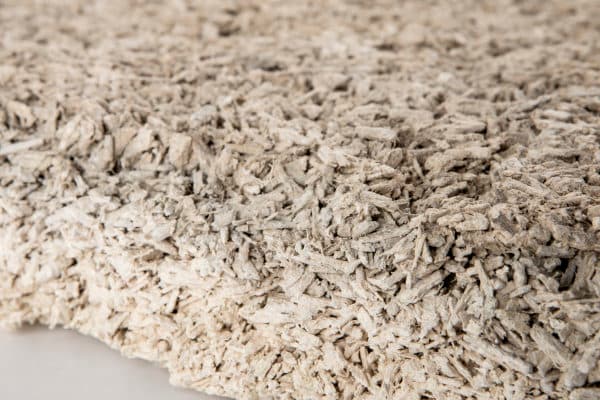
- Hemp concreteHemp concrete is a mixture of hemp fibres, natural glue, and water. Hemp is a natural material that has been used for centuries. Building with hemp has many advantages, as it has great acoustic and thermic insulation properties. The material is CO2 negative, removing more CO2 from the atmosphere than it adds. Hemp concrete is vapour permeable, and fire-retardant thanks to the glue.
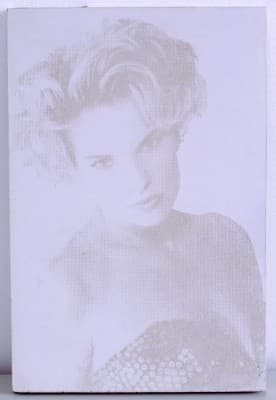
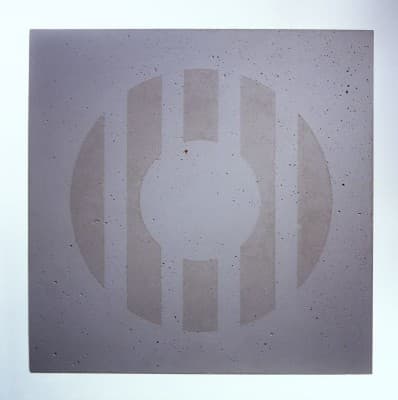
- Printed concreteThese concrete slabs were designed by Studio Baukje Trenning. They constist of standard concrete with a print on it. Depending on the print, several effects can be achieved, such as waves and perspective distortion.
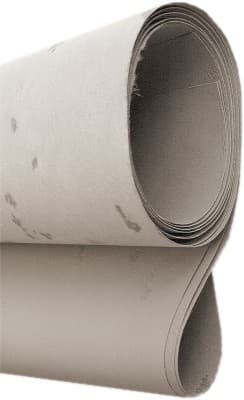
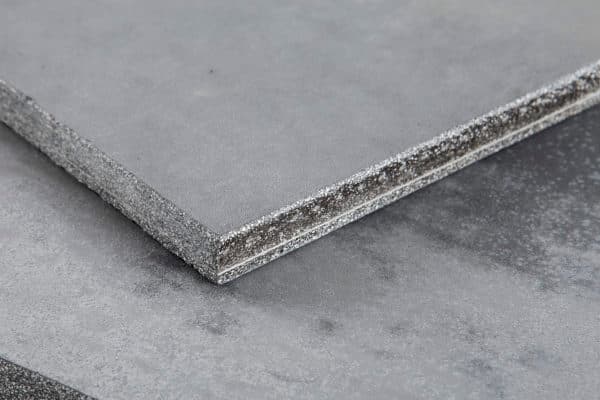
- Tendermark Concrete VeneerThe material is a concrete veneer on a glass fiber carrier. Available as rolled veneer or ready assembled on the base material of customers choice. Easy to saw and mill. Solvent-free, colour fast, mechanically & thermally loadable. Fire protection class no 1.
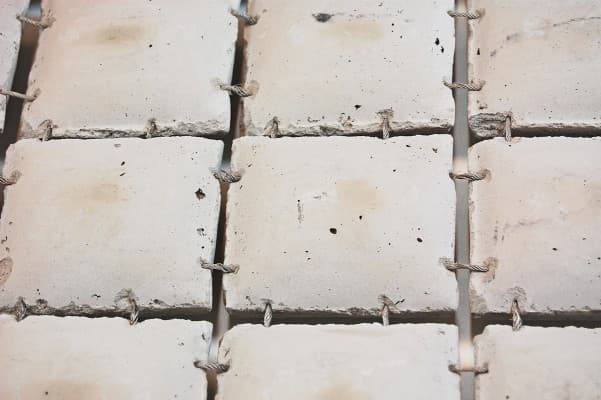
- Concrete CurtainThis material is made out of flexible steel cable mesh and soft looking concrete cushions. Concrete curtain as it is called may be installed both in- and outdoor. It server as a sunscreen, windscreen, privacy screen, facade element or heat accumulating room partition.
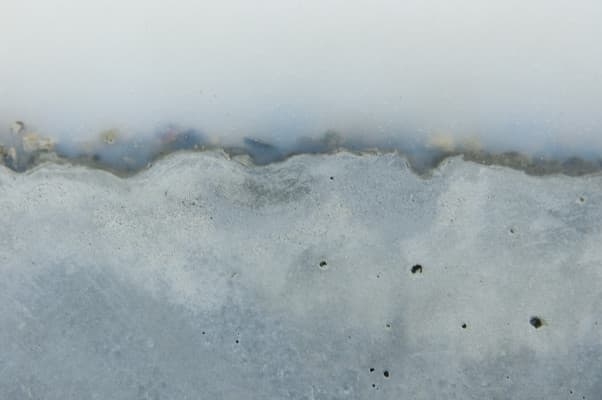
- Concrete-SiliconeA combination of concrete with silicone rubber, creating a material of opposites: heavy and light, translucent and opaque. The rough meeting of the two materials fuses soft and hard. The effect is enhanced by placing a light source behind the material.
- MBI Concrete facing bricksMBI makes a distinction between stones for single-sided brick facing and bricks and blocks for double-sided brick facing. Single-sided brick facing is generally applied as an outer skin to cavity walls, but can also be used for interior walls.
- DRT Modish ConcreteModish Concrete is a sustainable (BREEAM/WELL), cement-based surface solution that merges durability with understated elegance. Formulated with carefully selected natural gravel aggregates, Modish Concrete…
- Mother of pearl concrete tilesDesigned by Studio Baukje Trenning, these concrete surfaces have a special addition: mother of pearl. This addition creates a special contrast between the matt surface of the standard concrete and the shiny mother of pearl surface.
- Natural stone and concrete texturesIn architecture, materials like stone and concrete are the starting point for creating spaces for living and working. DecoLegno's love for these natural materials…
- Vertigo – concreteThese hand-made tiles are designed and manufactured using a proprietary technique. The tiles are made of concrete and are sculpted into the wavy shapes seen in the images. Various colours are available and dimensions are all custom.
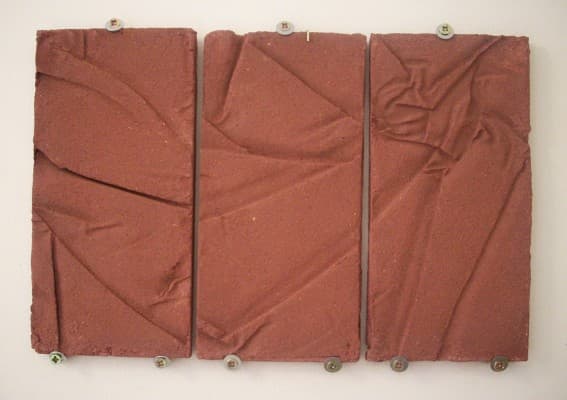
- Folded ConcreteTiles of red photo catalytic concrete with a textured finishing.
- BlingCrete light reflecting concreteBlingCrete is a textile-reinforced concrete with a light-reflecting surface whose specific properties and smart manufacturing processes offer a wide variety of applications. In addition to being light-reflecting, this material non-flammable.
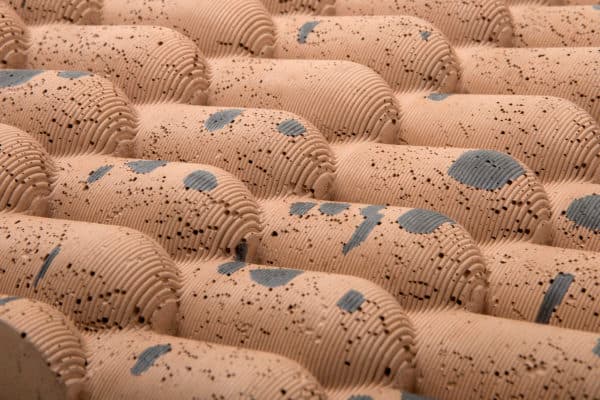
- FUR concrete wall tileFUR is a concrete wall tile that is designed to invite to be touched. Inspired by the fur of animals, it can create a soft looking and seamless surface both indoors and outdoors. The material is available in standard single colours white, black, pink, beige, dark blue and grey, but can also be custom coloured. The tiles are also available in double colour, decorated with playful splashes of a second colour.
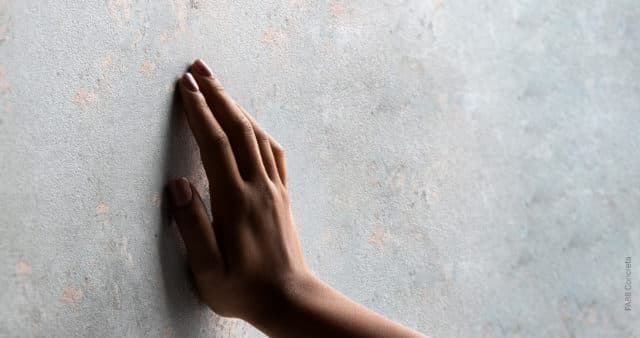
- Concrete skin vintageInspired by the Japanese aesthetic concept of wabi-sabi a surface was developed that reflects the true nature of the materials based on the concept of “refined nature”. The lively surface of the panels' characteristic of concrete is restored using an interplay of shades and cloud effects. The natural imperfection and visual irregularity gives the façade a unique appearance, as no slab is like another.
- Phosphorus in ConcreteBy mixing phosphorus particles with the cement during the production process of concrete, a very special effect can be created. Once hardened and lit by enough daylight during the day, the phosphorus particles give light during the night.
- Eco X extreme concreteExtremeconcrete is the physical embodiment of years of passion and research. Fiber-reinforced for strength, and mixed from the finest materials, extremeconcrete reveals the versatility and beauty of concrete.
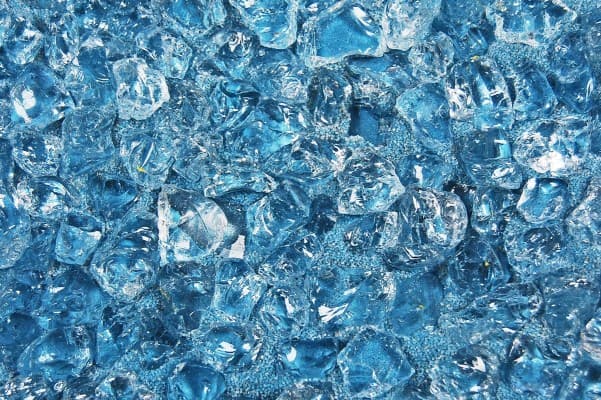
- Concrete & GlassThis material is a polyester concrete with a surface of glass grains. Size of the grain is between 8 and 15mm. The use of glass makes the material extremely shiny. Because of the rather big grains, the surface is very rough and might be very brutal for your skin!
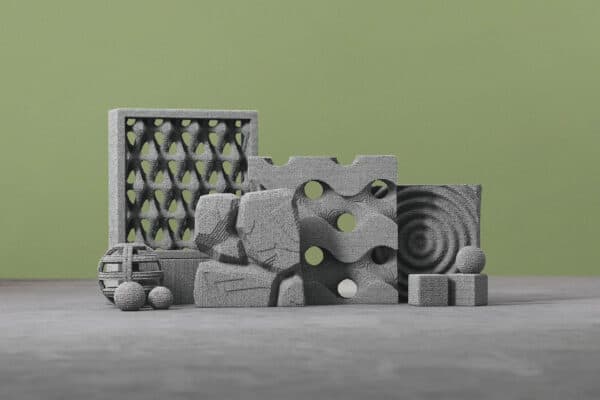
- 3D Printed ConcreteThis innovative 3D concrete printing technology is a digitally driven construction system that merges advanced material science with innovative fabrication to produce high-performance, low-waste architectural components and landscape products and furniture. The material is formulated to meet strict rheological requirements for layer-by-layer printing.
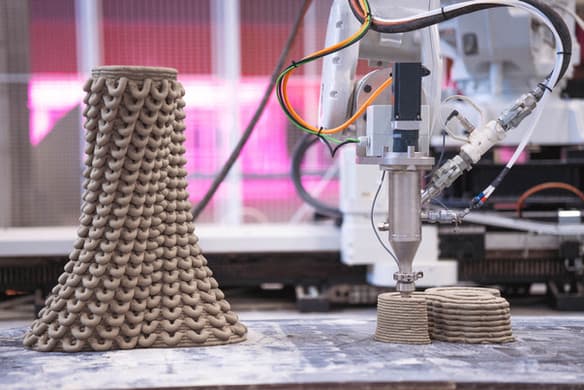
- 3D printed concreteVertico develops full concrete printing solutions, both with and without accelerated mix at the nozzle. They can provide quotes and details for these setups on request. Different robot configurations are possible - from the smallest EVA to the full track BETA solution.
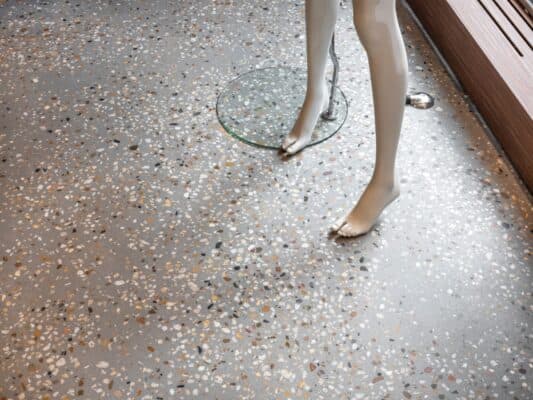
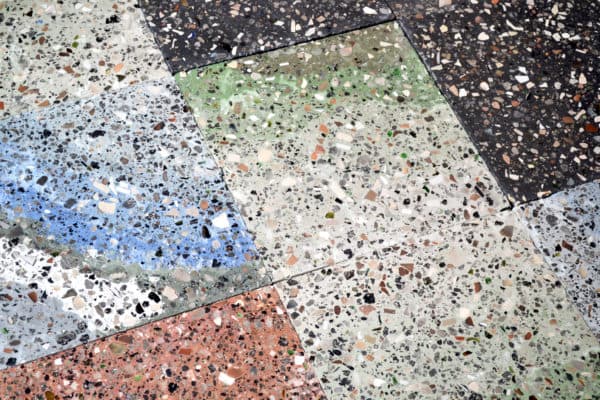
- 850°C Ash concreteWaste is burned in incinerators at 850 degrees Celsius (1560 degrees Fahrenheit). What remains at the bottom of the incinerator are chunks of unburned material and ashes, called bottom ash. Dutch designer Carmen Reus discovered this ash can be added in terrazzo. The surfaces give an impression of the things that we throw away and show the remnants of our throw-away society.
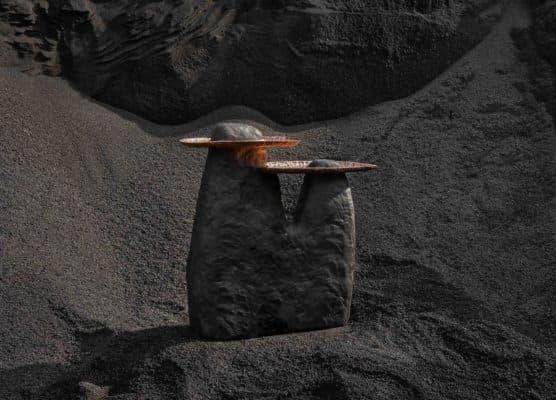
- Copper Slag GeopolymerSlag is a byproduct of producing most metals, including copper. Given the thermal process it has undergone, slag benefits from unique properties, and can be used as an alternative to cement—a ‘geopolymer’ – with up to 80% lower CO2 footprint. The slag-geopolymer benefits from high thermal resistance, high durability and strength, corrosion resistance, partial recyclability, all the while being made from a waste.