Search
48 results for “fungi”
- Exploring Mycelium Materials for Architecture and DesignMycelium materials are finding applications in packaging, product design and architectural research. A book edited by architect and design researcher Dilan Ozkan examines how…
- NASA Grows the Future: Mycelium-Based Habitats for Earth and BeyondNASA is exploring how fungi can help build the homes of the future—both in space and on Earth. The Mycotecture Off Planet project, led…
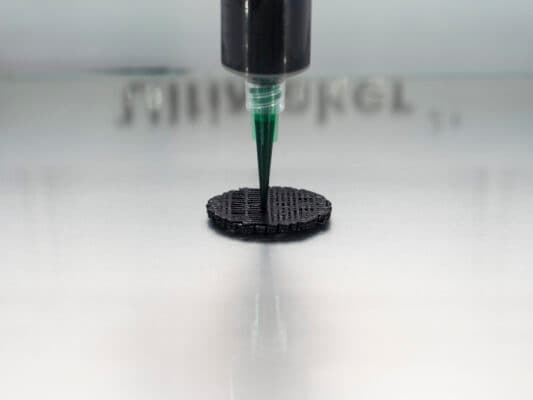
- Biodegradable Fungal Battery Developed with 3D PrintingResearchers at Empa, the Swiss Federal Laboratories for Materials Science and Technology, have unveiled a biodegradable fungal battery that is both functional and eco-friendly.…
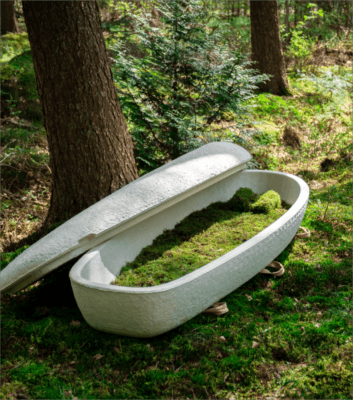
- Mycelium Coffin Marks Australian FirstA coffin grown from mycelium and upcycled hemp fibres has been used for the first time in Australia. The Loop Living Cocoon, developed by…
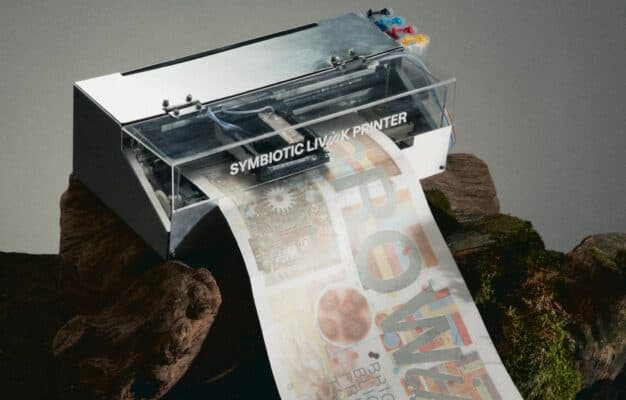
- GROWinK: Living Ink that RegeneratesGROWinK is a material research project developed by Peerasin Punxh Hutaphaet during the MA Material Futures programme at Central Saint Martins. The project explores…
- What not to miss at Dutch Design Week 2022 part 1Dutch Design Week 2022 takes place from 22 to 30 October in Eindhoven, the Netherlands. MaterialDistrict lists some of the most innovative material projects…
- Designing living productsAssociate professor Elvin Karana and her team at the faculty of Industrial Design Engineering at TU Delft in the Netherlands are exploring the potential…
- Breaking the boundaries between biology, design, and technology19-21 September, London-based Open Cell hosts an exhibition called #Biodesign HereNow, during London Design Festival. The expo will show all sorts of emerging ideas…
- 5 examples of English material designThis year, the graduate work by the Royal College of Art’s School of Design places emphasis on tackling real-world issues in a responsible and…
- Clear woodClear wood is the facade material of today. Its use, however, asks much more of the architect’s knowledge of materials. Modern preservation and production…
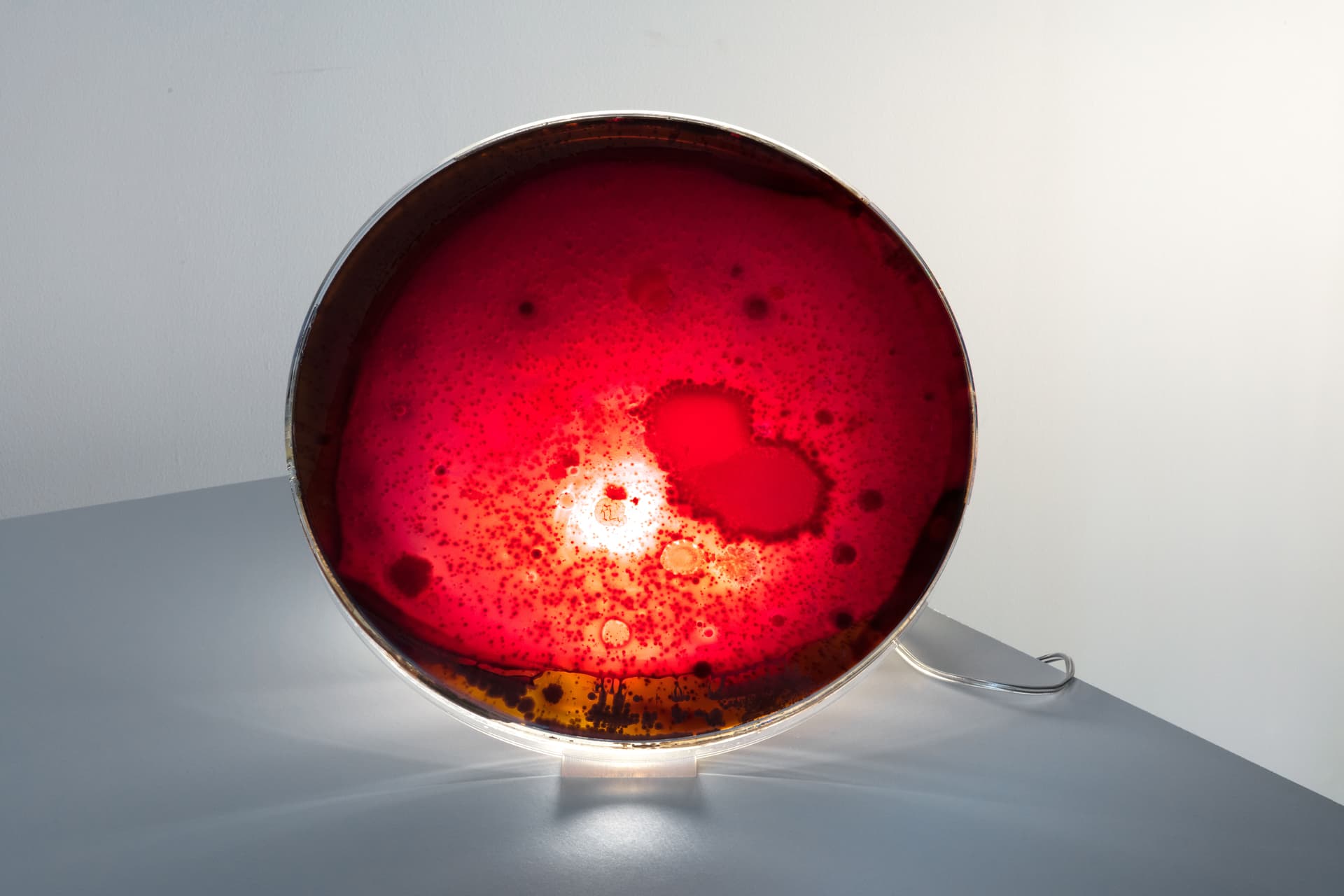
- Lights with patterns created by bacteriaSwedish designer Jan Klingler created lights coloured by the growing patterns of bacteria, yeast and fungi. Through the help of microbiologist M.D. Ph.D. Volkan…
- Today’s materials for tomorrow’s architecture!Insulation material made from Typha, communicating façades, printed roof tiles, walls made from fungi… During MaterialDistrict Rotterdam 2019 (12-14 March in Rotterdam Ahoy, the…
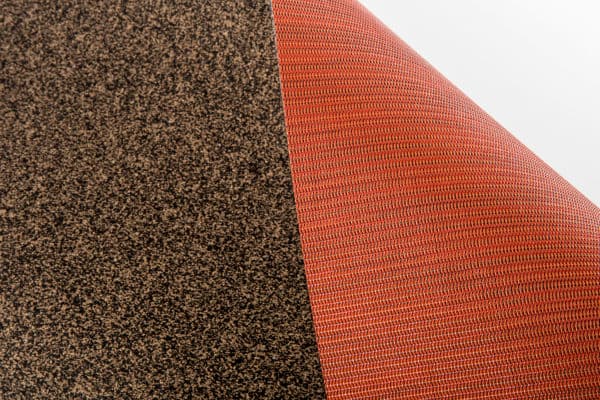
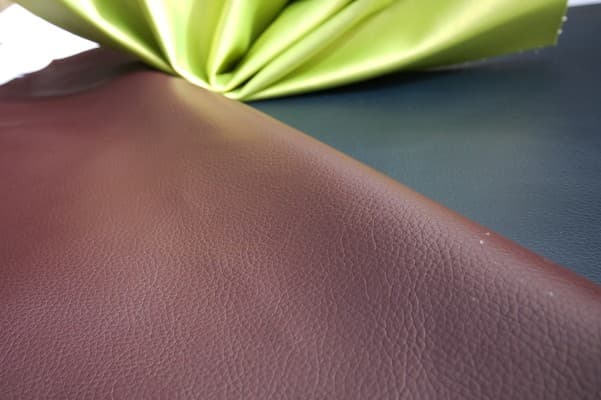
- CorktexCorktex is a product for lining floors, walls and ceilings. The whole range is designed with fabrics that have an anti-bacterial and anti-fungi treatment. These fabrics are fixed to a support material, comprising of a thick and compact agglomerate of recycled cork and rubber granules. It is also non-slip. Corktex can be used in public places, hotels, offices, trades, etc.
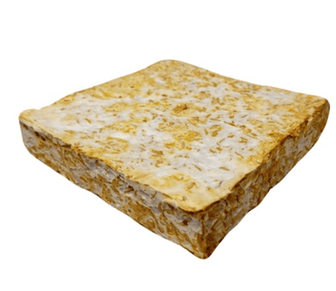
- New building material is made from fungus, rice and glassAustralian researchers developed a new, lightweight fungi composite material for construction, made with waste rice husks and glass fines. If you paid attention to…
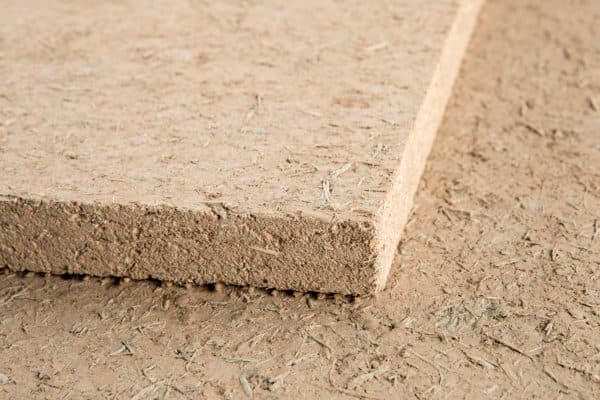
- Loam construction panelThese Lemix loam construction panels can be used as an alternative to plasterboard. The loam panels provide thermal insulation in both summer and winter, adding to an ideal room temperature. Loam regulates moisture, protecting against fungi, neutralises air pollutants, absorbs odours, and is inflammable. Combined with the proper finish, the loam construction panels can be used in wet rooms.
- SmartHeatSmartheat is a wood modification process characterized by a eduction of oxygen by the maintenance of a vacuum, efficient and homogeneous heat transfer by contact heat and pressing the wood so that the heat transfer is efficient and the wood does not deform. The durability (resistance to attack by fungi) and the dimensional stability are improved by thermal modification.
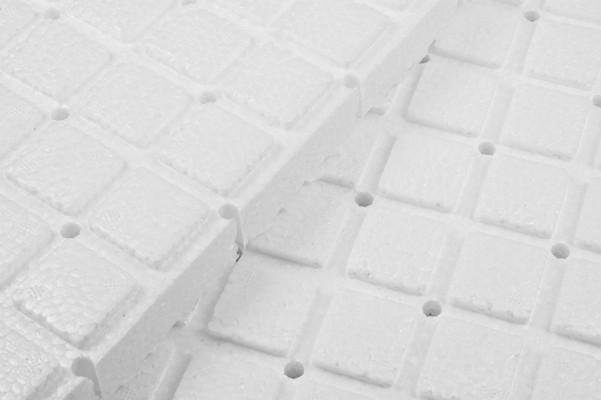
- Brock PowerBasePowerbase is a rigid, load spreading panel, manufactured from 100% ARPRO Expanded Polypropylene. The material is completely non toxic, and fully recyclable and re-usable. Powerbase is resistant to fungi, bacteria, chemical liquids, and oxidation. The shock absorbing and drainage base system has achieved the Cradle to Cradle Certification.
- AgUARDIANThe AgUARDIAN material is an antimicrobial polyurethane fabric. It eliminates odours caused by bacteria and kills 99.99% of all harmful micro-organisms which come in contact with the surface of the material. The silver ions are encapsulated within the .001 polyurethane skin. 75 colours are available, 137cm in width and per 10 yards.
- ARPRO P-EPPARPRO P-EPP is a expanded polypropylene foam. It is non-fibrous, structurally rigid, water resistant, non-abrasive surface, fire retardant, impact resistant, tackable surface, bacteria and fungi resistant. The panels are resilient, durable and resistant to oils, grease, most chemicals and water and are washable, such as with power washing equipment and detergents.
- Microbes Harvest Metals From Meteorites In SpaceMicroorganisms may play an unexpected yet crucial role in the future of sustainable material sourcing—both in space and on Earth. A recent experiment conducted…
- Mycelium And Cellulose Nanofibrils Form Plastic-Free Food PackagingResearchers at the University of Maine have developed a fully bio-based food packaging material made from mycelium and cellulose nanofibrils (CNFs). The material offers…
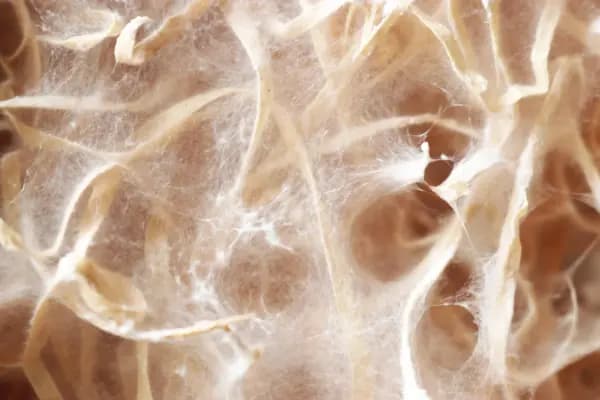
- Mycelium FoamThe foam is made from 100% mycelium, cultivated from aerial mycelium – the filamentous hyphae of fungi. It grows on an organic substrate primarily composed of straw-derived biofibres. The resulting material is a lightweight foam with natural structural stability and cushioning performance.
- Harnessing Fungal Filament Structures to Create Stronger, Sustainable MaterialsEngineers at Binghamton University (SUNY) have discovered a way to make biodegradable materials stronger—by studying mushrooms. Their research shows that the internal structure of…
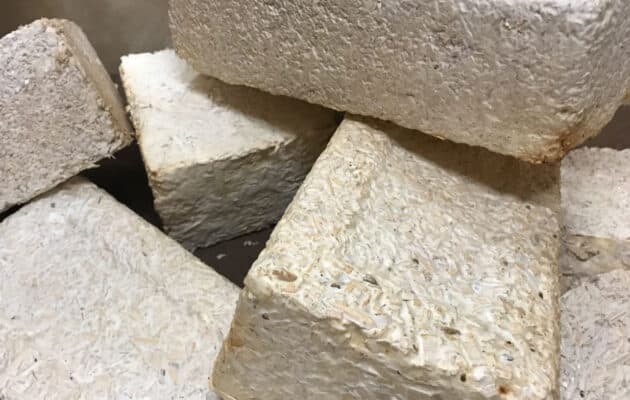
- MyceenMyceen creates biodegradable, carbon-negative materials using mycelium, the root system of fungi, to bind organic waste into durable, non-flammable, and sound-absorbing products. These materials offer a sustainable alternative to plastics and composites, promoting a circular economy.