Search
15 results for “fungi”
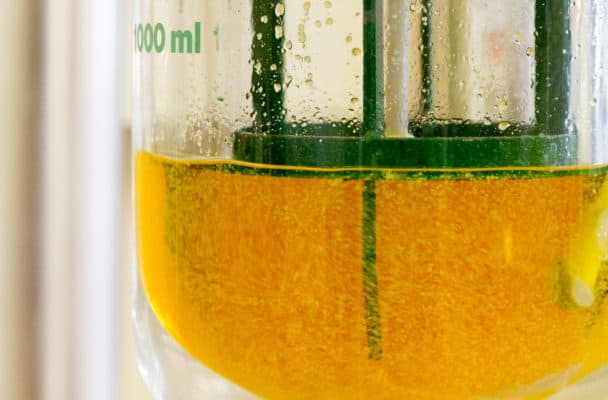
- Fabulous FungiFabulous Fungi formulates a solution to the problems in of textile dye by using fungi for a sustainable textile dye. Fungi use biochemical processes…
- Fungi Force
- Fungi ForceFungi Force is the first 100% natural transparent black stain or biostain. It gives wood a beautiful natural matte black colour and offers your garden wood durable protection. Fungi Force is safe for people and nature and is the environmentally friendly alternative to impregnating, simply staining or painting exterior wood.
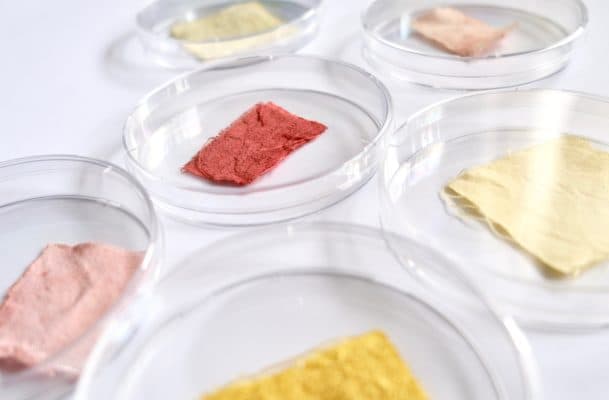
- Fabulous Fungi dyeFabulous Fungi employs fungi in order to create sustainable and safe textile dye, without the use of harmful chemicals. The biochemical processes of these fungi produce pigments. These pigments, which form the basis of the textile dye, are biodegradable. The panel shows textile (50% lyocell/50% organic wool) dyed with natural dye based on red and yellow fungal pigments. Washable, preferable cold. Slightly light sensible.
- Using fungi to produce everyday productsResearchers at the Fraunhofer Institute for Interfacial Engineering and Biotechnology are developing techniques to produce fungi that can replace petroleum in everyday products on…
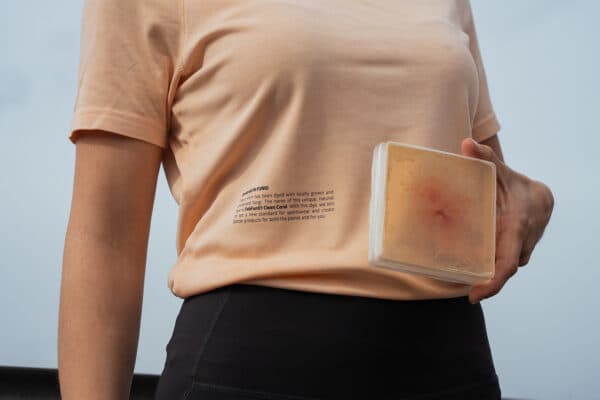
- Sportswear dyed with fungiDutch sustainable sportswear company Iron Roots collaborated with Fabulous Fungi and Bio-aNAlytiX van Biezen to launch a T-shirt dyed with fungi. Nearly all fabric…
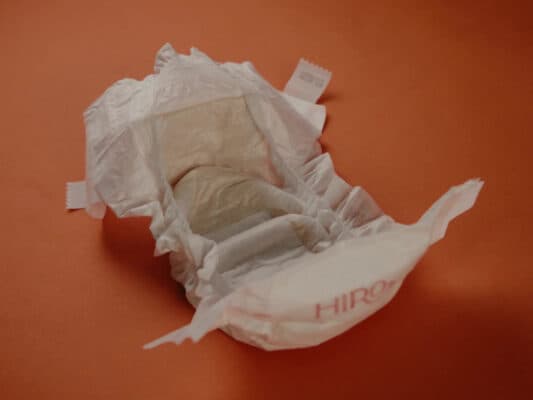
- From Plastic to Nature: The HIRO Diaper Harnesses Fungi for Biodegradable InnovationHIRO Technologies, a North American start-up, has developed a disposable baby diaper that utilises fungi to accelerate decomposition. Branded as the world’s first "Mycodigestible"…
- New solar cells could make use of fungi-produced pigmentResearchers at Oregon State University are working with a highly durable organic pigment called xylidein derived from wood-eating fungi, as an alternative to silicon…
- Protecting cellulose-based leather with a fungi coatingDutch designer Emma van der Leest developed a fungi-based coating that can be used to make plant-based leather water-repellent and more durable. Plant-based leather…
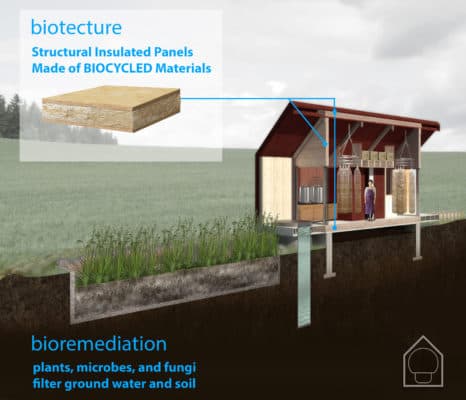
- Making new building materials out of demolition waste and fungiArchitectural firm Redhouse Studio designed the Biocycler, a building recycler that uses living organisms like microbes and fungi to make new building material out…
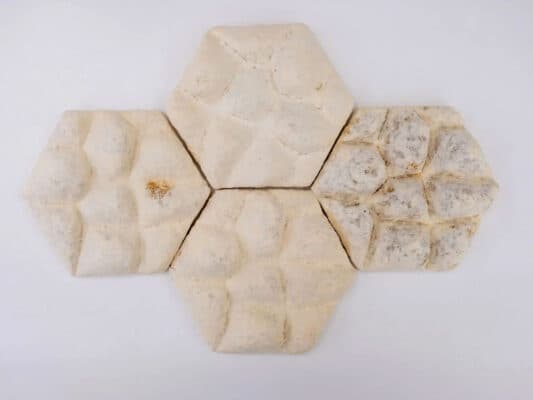
- Elephant-Inspired Fungi Tiles Offer Passive Cooling for Sustainable ArchitectureScientists from Nanyang Technological University (NTU) Singapore, in collaboration with local ecology and biomimicry design firm bioSEA, have developed an innovative building material that…
- Fungi Transform End-Of-Life Mattresses Into Lightweight Fire-Resistant InsulationResearchers at Swinburne University of Technology have developed a bio-composite insulation material made from shredded mattress foam and mycelium. By combining discarded polyurethane foam…
- Grown, Not Built: MycoMuseum Explores the Future of Architecture with FungiAt the 2025 Venice Architecture Biennale, the MycoMuseum project introduces a bold approach to sustainable design. Presented by Indian studio Anomalia in collaboration with…
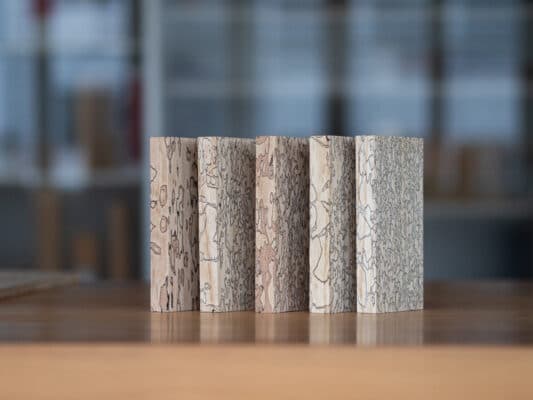
- Signed By Fungi: Controlled Spalted Wood Elevates Local HardwoodSpalted wood, known for its fine black veining, was once a rare and unpredictable forest find. Today, Swiss company Koster AG Holzwelten and research…
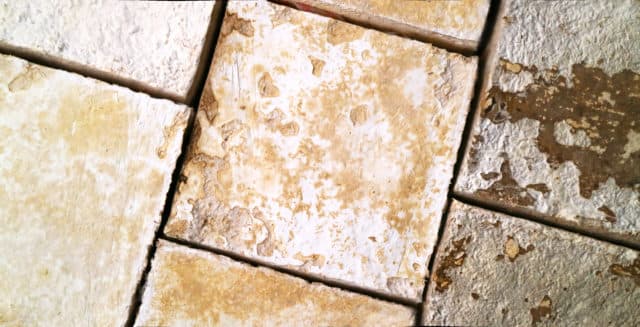
- Mycelium (root structure of fungi)Biohm works with over 300 different strains of mycelium to create sustainable alternatives to some of the construction industry’s most damaging materials. Biohm harnesses the power of mycelium - the vegetative filament root structure of mushrooms - to produce materials by growing it through organic and synthetic substrates such as the by-products and waste from other industries.