Search
72 results for “earth”
- Microbes Harvest Metals From Meteorites In SpaceMicroorganisms may play an unexpected yet crucial role in the future of sustainable material sourcing—both in space and on Earth. A recent experiment conducted…
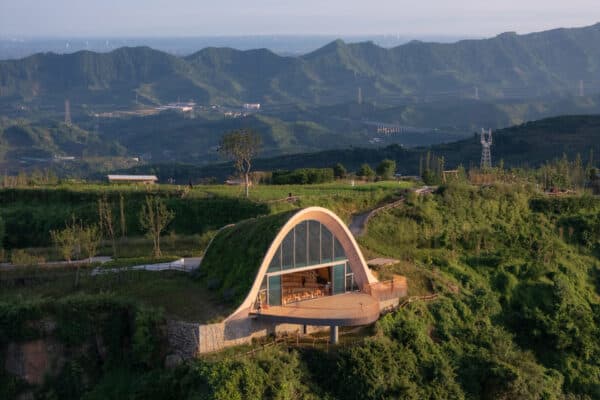
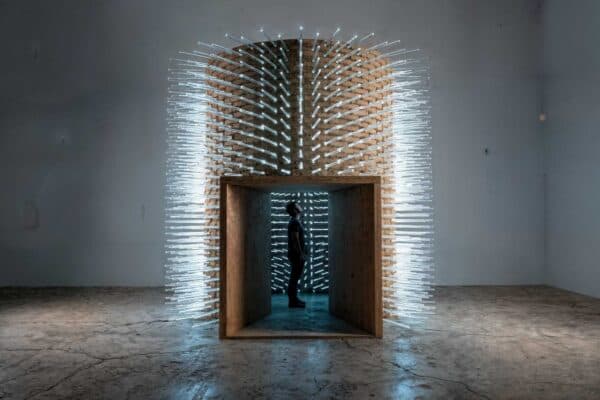
- Pujiang Platform: A Timber Pavilion That Merges Architecture, Landscape and SustainabilityDesigned by MVRDV, the Pujiang Platform is a timber pavilion and public viewpoint in the hills east of Pujiang, near Chengdu in central China.…
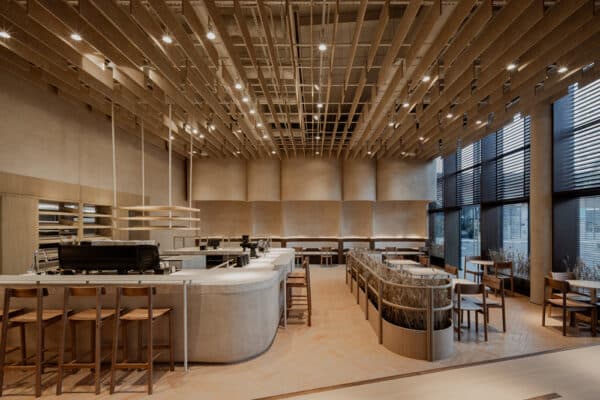
- Sustainable Bakery Interior Melds Local Materials and Circular Design in PanamaIn Costa del Este, Panama City, architecture firm Mallol designed Krume Bäcker, a 193 m² bakery that combines Austrian baking heritage with local craftsmanship…
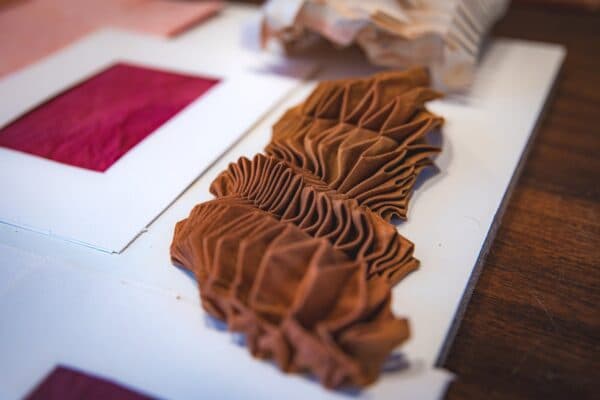
- Traditional Indian natural dyesParmeet Tesson’s project explores the adaptability of traditional Indian dye plants in the Cognac region of France to examine their climate resilience and ecological benefits. It focuses on utilizing both native and traditional materials in new, sustainable ways. Parmeet uses dyes made from oak tree byproducts, indigi, mulberry leaves, madder root, and grape leaves.
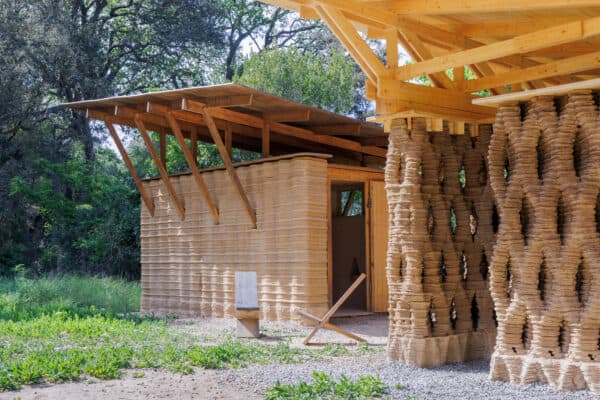
- An experimental 3D printed building made of local soilThe Institute for Advanced Architecture of Catalonia (IAAC) completed the 3D printing of a 100 m2 low carbon emissions building prototype using local soil…
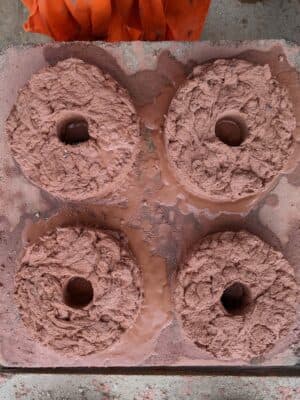
- BrickWoolBRICKWOOL is a modular brick, made of natural wool with light earth method (LEM), which results in a light-weighted high-density material. Its annular-cylinder shape functions as part of an acoustic barrier strategy developed to mitigate specific sound frequencies.
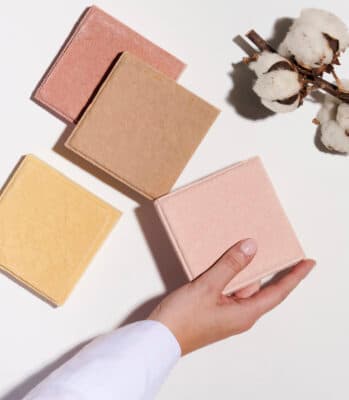
- ARCHISONIC® CottonCottonTex represents a unique approach to the sustainable use of materials. The first type features a standard ARCHISONIC® Cotton layer, offering a refined finish. The second type presents a rawer aesthetic. Both varieties are united by their composition, a blend of 60% cellulose and 40% recycled textiles. A product of the Impact Lab, Impact Acoustics' in-house experimental materials research.
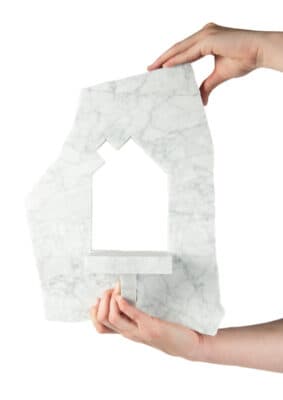
- Re-ValueThe essence of Re-value is the revaluation of residual materials in the production of natural stone. Each piece of stone has its own unique shapes, colours and patterns. This is because natural stone originates from the earth’s crust that varies around the world. Re-value aims to give back the lost value to leftover stone. Some cultural and aesthetical value can be reclaimed by creating a contemporary and functional design.
- 4 examples of Ukrainian material designIn an exhibition called Affair with Earth, displayed at Dutch Design Week 2019, 4 Ukrainian designers showcased their sustainable material design. Hosted by Art-East…
- Diaphanous materialsMaterials that are light-permeable are usually called ‘transparent’ or ‘translucent’, although it might be more accurate to call them ‘diaphanous’ – of such fine…
- The future of Products: an interview with Anouk GroenMost of the time, you can find Anouk Groen at trade fairs for the automotive, motorcycle, textile, yacht, products or technology industries. As a…
- ‘Living’ wallpaper has integrated printed solar panelSolar panels come in all shapes and sizes, whether they are printed, sprayable, flexible, or integrated in the pavement, roof tiles or windows. Generally,…
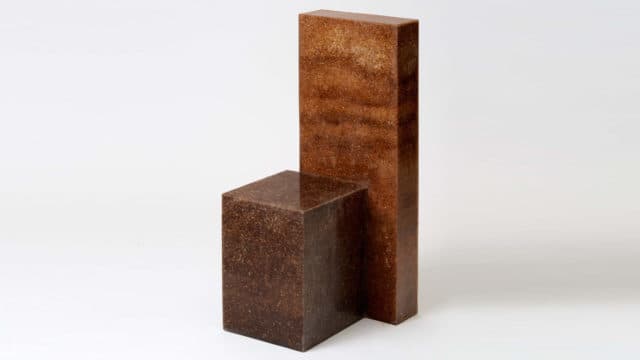
- Chair made from waste sawdust and resinSawdust is a very useful material. It can be turned into particleboard, paper, or it can be used as mulch, for your pets, or…
- Future Materials and ‘Being Good’Striving for certification of carbon neutral and sustainable materials that minimise our ecological impact is leading to a lack of innovation and ignorance about…
- Rael San Fratello Retrospective Centres on a Structure 3D Printed From Soil, Straw and WaterYerba Buena Center for the Arts in San Francisco presents a mid-career survey of Oakland studio Rael San Fratello. Its centrepiece, Sanctuary, was 3D printed on site using only soil, straw and water.
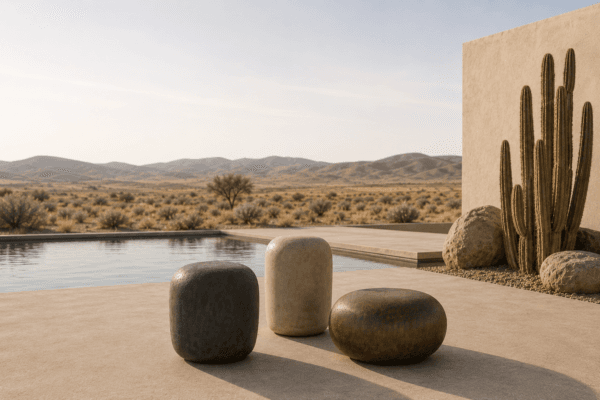
- Soil Stones Combine Recycled Cork and Mineral FinishesDutch artist and designer Natasja van der Meer has introduced Soil Stones, a collection of sculptural objects positioned between art, design and functional furniture.…
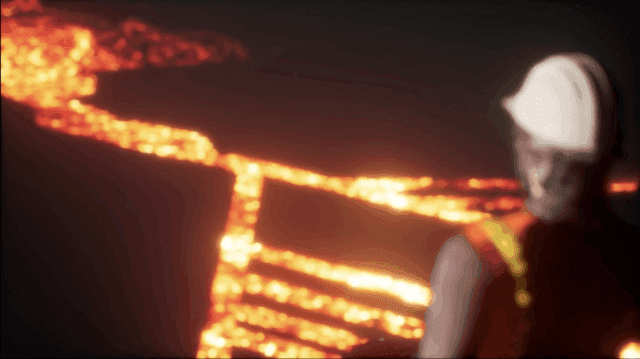
- Lavaforming Pavilion: Iceland’s Vision for Architecture Shaped by VolcanoesAt the 2025 Venice Architecture Biennale, Iceland’s national pavilion introduces a provocative proposal from s.ap architects. The studio, led by Arnhildur Pálmadóttir and Arnar…
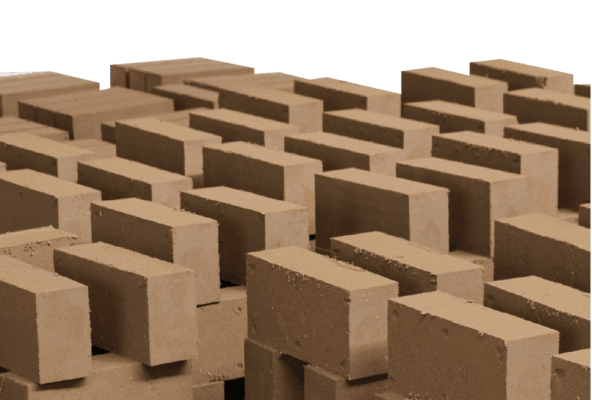
- Cow dung bricks: stronger, cheaper and more sustainableThe worldwide demand for affordable homes increases, increasingly relying on extremely polluting building methods like fired bricks and cement. Dutch start-up Coolbricks offers an…
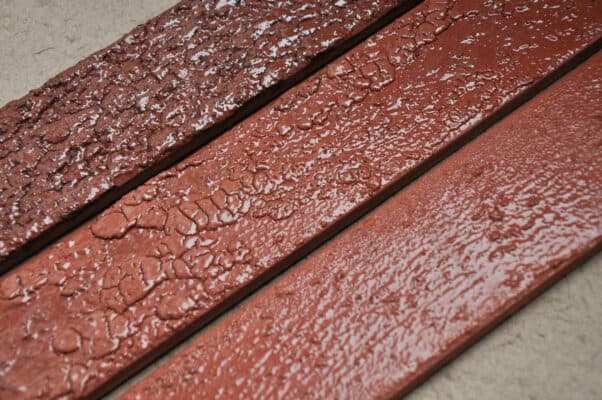
- SoilySoily is an earth-like textured tile. The main components are an old, unused terracotta tiles from the Soviet era in Lithuania and local soil applied to the latter in a specific way, creating a varying rough texture. Depending on the soil’s location, such qualities as shade and roughness of the tile surface differ, bringing a unique character to the tile.
- Light transmitting materialsMaterials that are light-permeable are usually called ‘transparent’ or translucent’, although it might be more accurate to call them ‘diaphanous’ – of such fine…
- Studio Lisa OrtsenStudio Lisa Ortsen is a design studio for material and textile design. The studio was founded by Lisa Ortsen, born (1991) in 's- Hertogenbosch,…
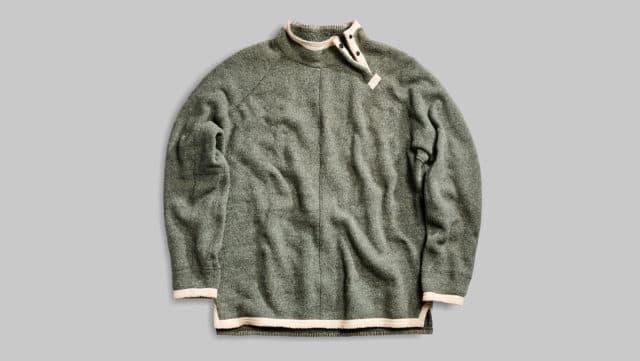
- A sweater made from recycled bullet proof vests and firefighter suitsTechnical clothing company Vollebak designed a men’s sweater made from recycled ballistic vests and firefighter suits. Annually, around 100 billion pieces of clothing are…
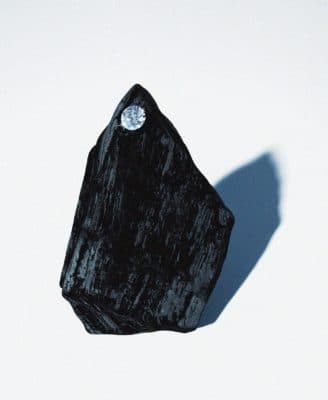
- ‘Carbon negative’ diamonds made from airJewellery brand Aether uses their own technology to transform carbon dioxide air pollution into diamonds. Diamond is a solid form of the element carbon…
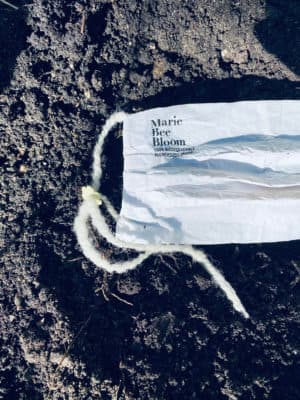
- Blooming biodegradable face masksIn response to the growing plastic pollution by single-use face masks, Dutch brand Marie Bee Bloom designed biodegradable face masks made of rice paper,…