Search
145 results for “biobased”
- FlaxcompositesThese lightweight composites are made of flax and biobased resin. It is partly biobased polyester and full biobased PLA (Polylactic Acid). Flaxcomposites blends PLA natural resin with natural linen (flax) yarns to obtain a meltable flexible thick sheet that can be moulded into various shapes. You simply need a source of heat to put in shape the textile (few minutes with a powerful hair dryer!).
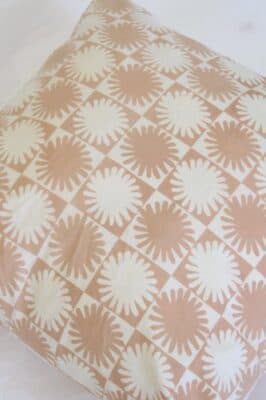
- Avocado Seed Bio-InkThis textile showcases a biobased ink developed from discarded avocado seeds and applied through screen printing on organic cotton fabric. It highlights the potential of waste-derived inks within textile design and production. The colour is extracted from avocado seeds (Persea americana) and combined with biobased binding agents to produce a printable ink.
- MaterialDistrict Utrecht 2026 presents NextNow: the latest material innovations for a future-proof built environmentFrom 4 to 6 March 2026, the 19th edition of MaterialDistrict Utrecht will take place at the Werkspoorkathedraal in Utrecht. This year’s edition centres…
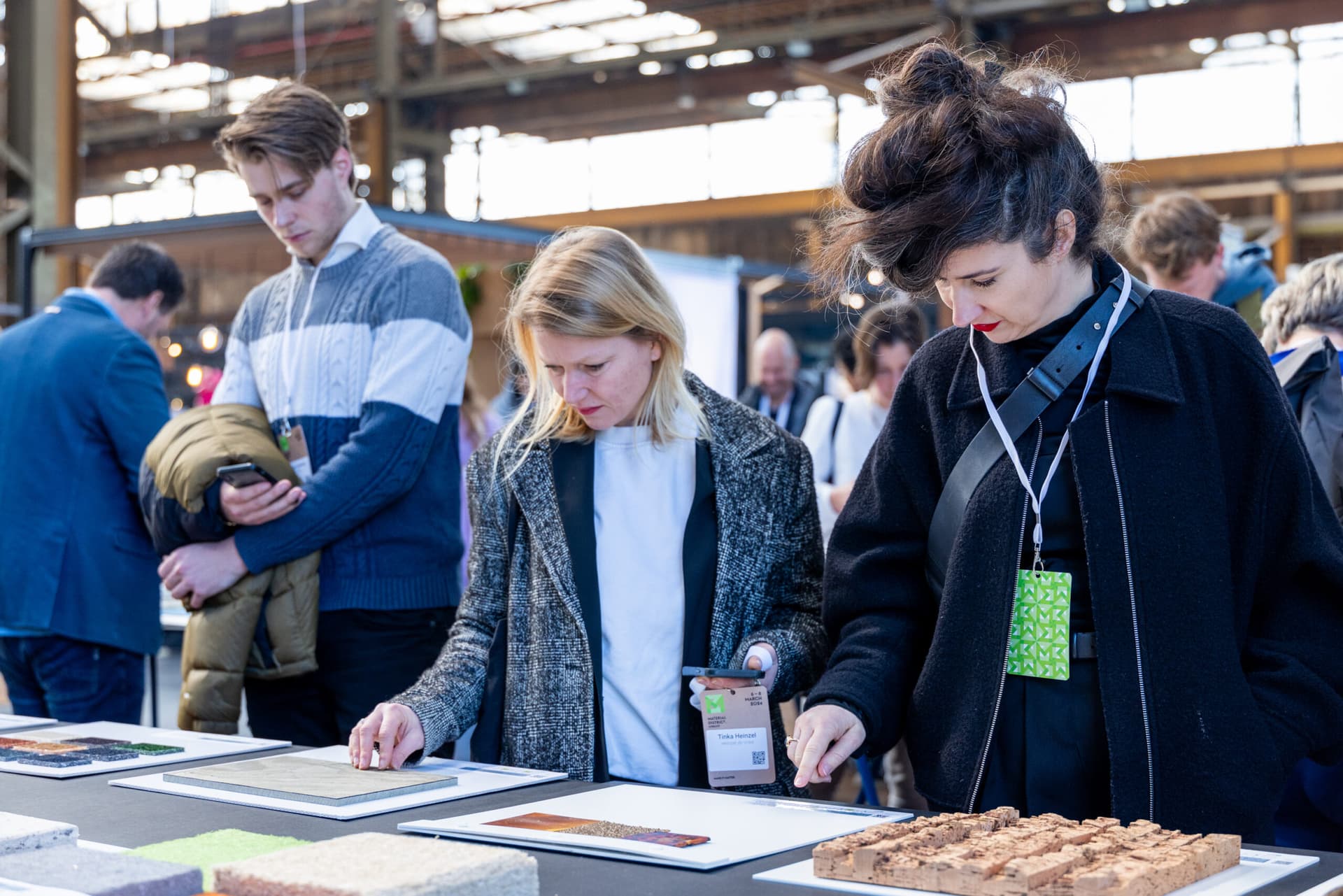
- Exploring the Future of Materials: A Review of MaterialDistrict Utrecht 2024From 6-8 March, MaterialDistrict Utrecht took centre stage at the atmospheric industrial Werkspoorkathedraal in Utrecht. This year's event placed extra emphasis on biobased, circular,…
- CPCs – Cork Polymer CompoundsCork polymer compounds - CPCs are classified as particle-reinforced composites and are an example of the combination of the properties of thermoplastic polymers with the unique advantages of cork. Developed by Amorim Cork Composites’ I.cork factory, CPCs are a range of cork bio composites offering the mouldability of plastics and the lightness and sustainability of cork.
- PomasticThis is a bio-based plastic material is made by using olive pomace and other fully bio-based ingredients. The material design is still in progress. The project team is still working towards improving the functional and mechanical properties of the material as well as its aesthetic qualities such as glossiness, texture and colour. The samples in this exhibition are produced by molding mainly towards generating different patterns.
- From bicycle bridge to fertiliserThe province of Friesland in the Netherlands is currently building the world’s first movable bicycle bridge made of biocomposite. If everything goes according to…
- MaterialDistrict Expo: The NaturalsMaterialDistrict will be present in The Hub with the exhibition “The Naturals”. The theme of this exhibition is sustainable, circular, and biobased materials. 100…
- The future of packaging: an interview with Caroli BuitenhuisWhat will packaging material look like in the future? Caroli Buitenhuis, Chain innovator in Bioplastics, Biobased Packaging & Bio-economy projects at Green Serendipity, and ambassador of the sector…
- Micromoulded biocompositesDesigner Bas Froon developed a micromoulding machine that makes it possible to locally change material qualities from a soft material into a strong and lightweight plastic. By doing this, he can keep the tactile qualities of the raw material, while giving it more strength to be used in furniture, fashion and textile applications. The material consists of natural fibres or recycled textiles and biobased plastic like PLA.
- Material Xperience On Tour at Building HollandWe are pleased to announce that we will be present for the first time at Building Holland (March 22 - 24) with our travelling…
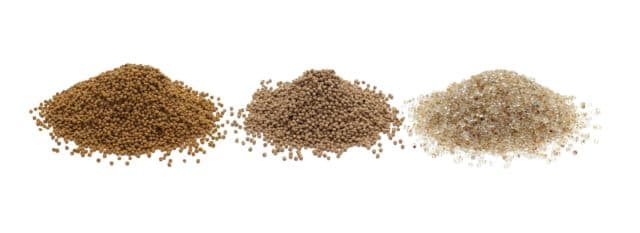
- Touch of NatureTouch of Nature Flooring Systems are seamless flooring solutions for private and institutional projects. They are composed from biobased resins with substantial addition of specific natural fillers. These natural fillers are up-cycled side streams of the agro-industry and EU-sourced. They are responsible for the unique colours, patterns and touch of Touch of Nature Flooring Systems.
- NabascoNabasco 8010 is an environmentally friendly, biobased and circular composite. By using natural fibres and a bio-resin, instead of petroleum-based resin, a biobased composite is created with a very low CO2 footprint. Little energy is used for production. The raw materials also come from Europe, but the production is also European.
- Fibres, Fabrication and New Textile Structures at Dutch Design Week 2026Explore DDW 2026 textile innovation, from human hair fibres and local wool to welded textiles and digital fabrication.
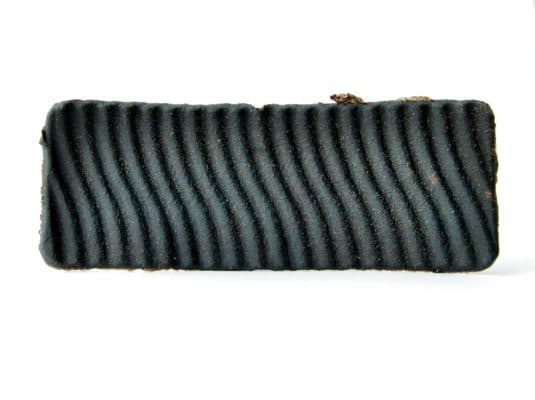
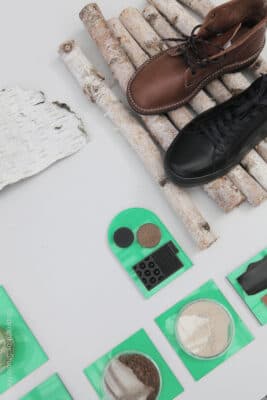
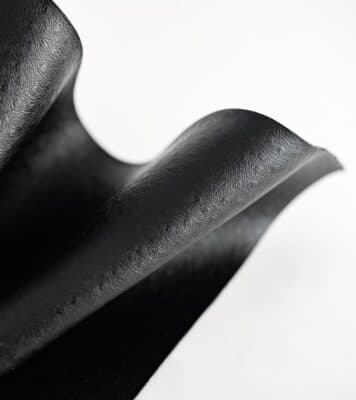
- Reselo RubberReselo Rubber is a patented biobased rubber polymer made entirely from birch bark. Developed in Sweden, the material uses birch bark residues from the pulp, paper and plywood industries, where this side stream is commonly used as fuel.
- Mod-U Explores Biodegradable Materials Through Modular Lighting DesignThe lighting system Mod-U combines an eggshell composite, PLA-coated Unryu paper and plywood in a modular lighting design by Melbourne-based designer Joanne Odisho. The…
- Yeast-Based 3D Printed Material Opens New Possibilities for Circular ArchitectureResearchers at Chalmers University of Technology in Sweden have created a fully biobased material using an unexpected ingredient: baker’s yeast. They designed the material…
- Electric Waste Collection Vehicle Demonstrates Circular ManufacturingMercedes-Benz Trucks has introduced the reECONIC, a battery-electric waste collection concept vehicle developed with 32 partners to demonstrate how circular materials can be integrated…
- Shai van Vlijmen – Biophilic Passive Timber HomeShai van Vlijmen is a biophilic architect and founder of NarrativA Architects, a leading practice in ecological and biobased design. With over twenty years…
- New Grain: Plastic-Free Leather Alternative Made From Brewers’ Spent GrainBrewers and whisky distillers extract sugars from barley during fermentation. After this process, a protein-rich by-product remains: brewers’ spent grain (BSG), also known as…
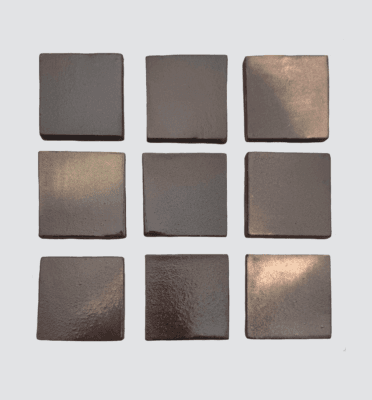
- TERRA_TORY IOBCUnfired Nijmegen river clay tiles coated with a waterproof, biobased coating with pigments from recycled iron oxides. The tiles are only coated on the top and sides, leaving the bottom bare. Once the tiles are at the end of their life, they can be submerged in water, allowing to reclaim the clay and removing the biodegradeable coating.
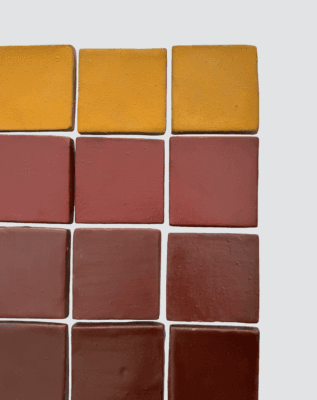
- TERRA_TORY PMBCUnfired Nijmegen river clay tiles coloured with various plant pigments and chalk from freshwater mussel shells, finished with a waterproof, biobased coating. The tiles are only coated on the top and sides, leaving the bottom bare. Once the tiles are at the end of their life, they can be submerged in water, allowing to reclaim the clay and removing the biodegradeable coating.
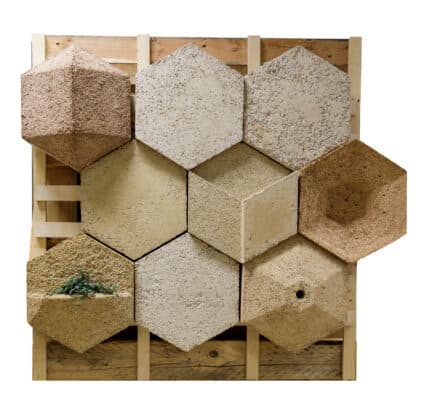
- Hempcrete façade elementThese façade elements are manufactured from hempcrete, a biobased composite material composed of hemp shiv and a lime-based binder. The system is designed to combine building performance with ecological considerations, integrating thermal efficiency and moisture regulation with features that support urban biodiversity.
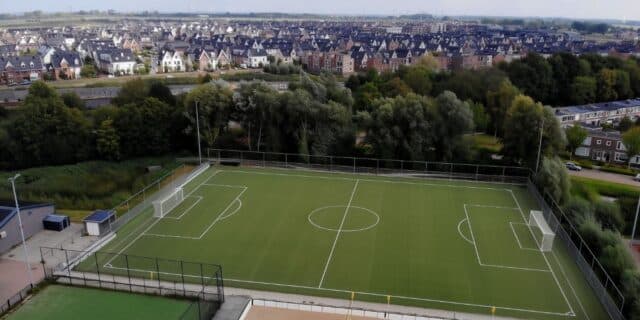
- Netherlands Installs First Synthetic Turf Pitch Made With Recycled MaterialsA new synthetic turf football pitch using recycled and biobased materials has been installed at amateur football club FC Weesp in the Netherlands. The…