Search
18 results for “leaves” in materials
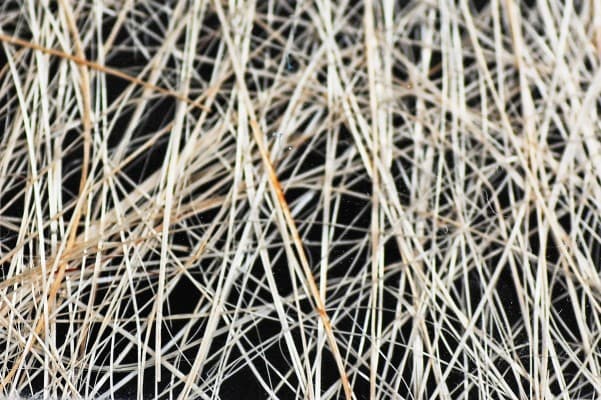
- Grass & LeavesGlass in multiple colours and shapes with Grass or handmade leaves laminated in between
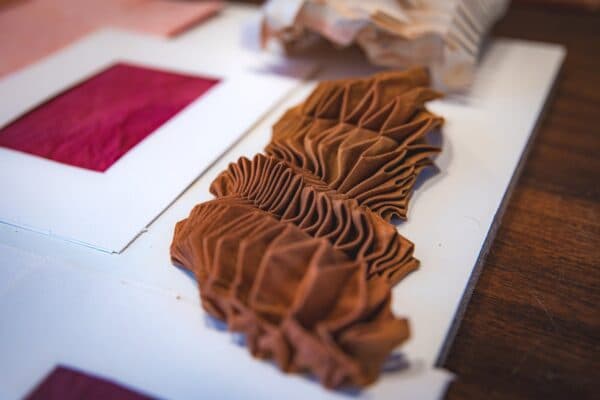
- Traditional Indian natural dyesParmeet Tesson’s project explores the adaptability of traditional Indian dye plants in the Cognac region of France to examine their climate resilience and ecological benefits. It focuses on utilizing both native and traditional materials in new, sustainable ways. Parmeet uses dyes made from oak tree byproducts, indigi, mulberry leaves, madder root, and grape leaves.
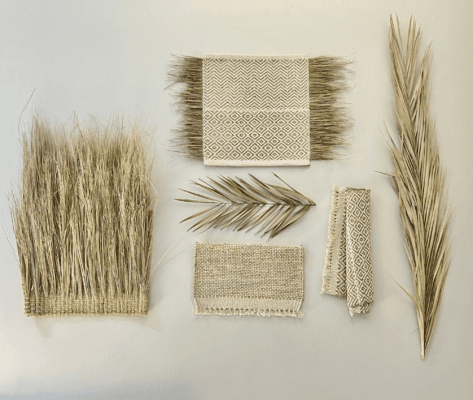
- Wall Date – Textile from Date Palm Leaf WasteWall Date is a textile project that transforms agricultural waste from date palm cultivation into a biodegradable and compostable material. The textile combines processed date palm leaves with post-industrial surplus yarn. The woven body features graduated pink tones, while untreated palm leaves form the fringes, preserving their natural texture.
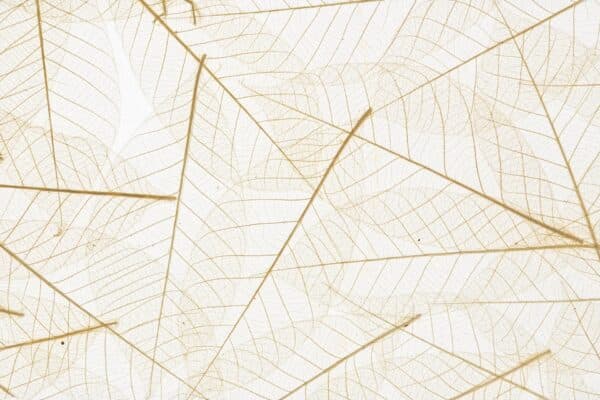
- Organoid® SKELETTBLÄTTERThe Organoid® SKELETTBLÄTTER features hand-picked, skeletonized rubber tree leaves on a translucent self-adhesive film. This natural, lightweight surface creates unique lighting effects, bringing a sense of harmony and lightness to interior design. Its delicate leaf structure serves as an exquisite statement piece when applied to glass or light sources.
- PalmleatherPalmleather is a material innovation by Dutch designer Tjeerd Veenhoven that makes use of leaves from the Areca Betel Nut Palm. Offering a viable alternative to animal-based leathers, palmleather can be produced with far less pollution than other leathers. Products developed by the studio include bags, shoes, book covers and Palmetti, a fully biodegradable slipper for the hospitality industry.
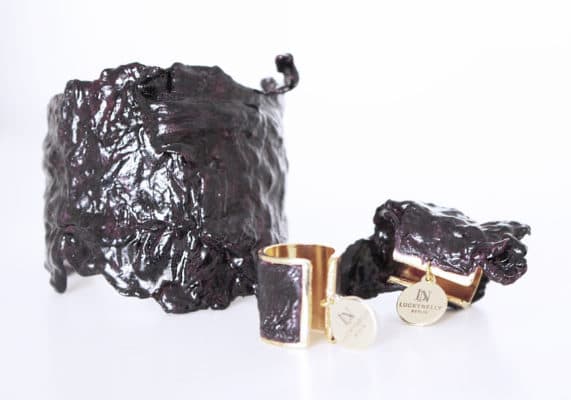
- Cabbtex – Made from cabbageBerlin based designer Christine Rochlitz and founder of the vegan and sustainable luxury designer handbags and accessories brand LUCKYNELLY - BERLIN, has developed an innovative vegan material made from cabbage, which offers a new alternative to (exotic) leathers.
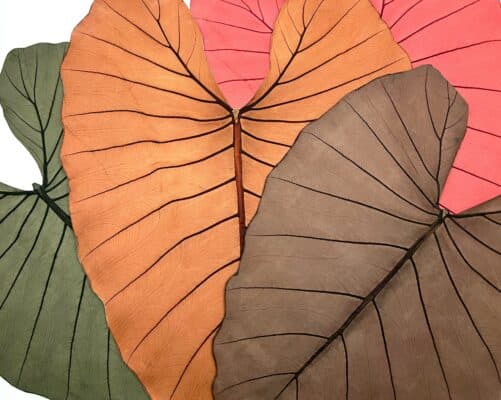
- BELEAFbeLEAF™ is a biobased material produced from the leaves of the Elephant Ear plant (Alocasia macrorrhiza). Developed by Nova Kaeru in Brazil, the material utilises the natural structure of the leaf to create a flexible sheet material suitable for a range of design and product applications. The material is intended as an alternative to conventional leather and synthetic sheet materials.
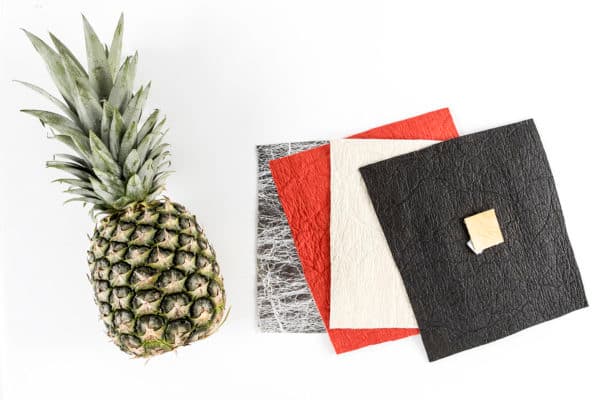
- PiñatexPiñatex is an innovative natural textile made from pineapple leaf fibre. The leaves are a by-product of the pineapple harvest, so no extra land, water, fertiliser or pesticides are required to produce the raw material. The pineapple leaves are gathered, decorticated to remove the fibre and processed into a non-woven textile in the Philippines and then sent to Spain for specialised finishing.
- BoracayBoracay is a collection of natural and handmade wall coverings. The use of natural plant fibres, such as water hyacinth leaves and banana leaves in combination with hand-woven abaca-fibres on a non-woven backing, gives this material a very earthy look and feel. Boracay is available in withs of 90 cm. It is available cut to size and has a fire retardant class standard of B S1, d0.
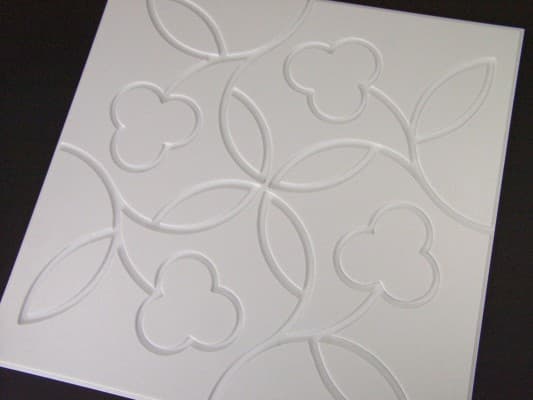
- Swart TilesRemco Swart started trying to cut and mill standard tiles. To his surprise this worked quite well, except for the splinters of glace coming of the tiles. He searched for another technique and found this at Formit, specialised in plastic casings for machines. They helped developing tiles with their technique.
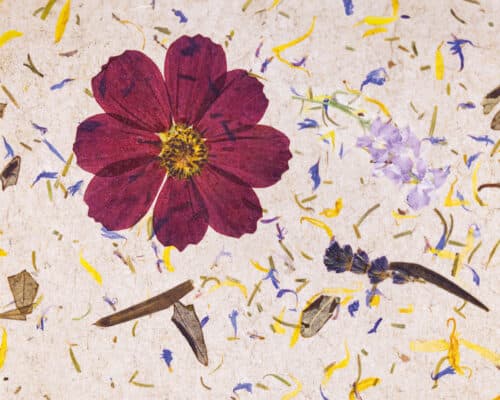
- Organoid® CARPE DIEMThe Organoid® Natural Surface Carpe Diem features a Mediterranean blend of herbs, olive leaves, lavender, and colorful flowers on a natural flax backing. This breathable surface brings the sensory pleasures of the Mediterranean indoors, creating a calming and cozy atmosphere with a harmonizing fragrance and vibrant colors for any interior application.
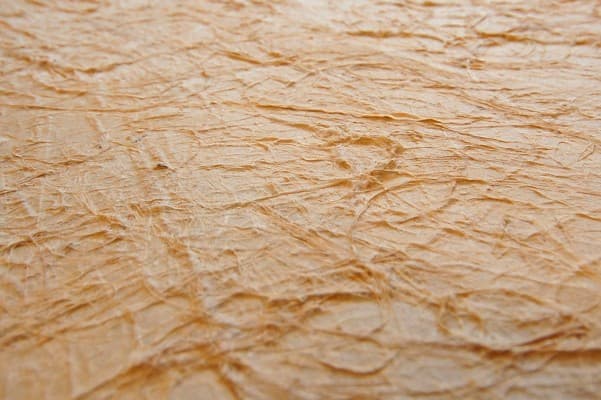
- Bamboo Groove & Star CanopyWashi is made from fibers of a variety of plants, including mulberry plants, shrubs and hemp. Bamboo Groove produces the effect of a grove and Star Canopy have a starry night effect.
- Activ selfcleaning glassActiv™ Self-Cleaning Glass uses the forces of nature to maintain its clear appearance without leaving unsightly streaks. Dirt is broken down by daylight and is then washed away by rain, thus making it environmentally friendly and very easy to maintain.
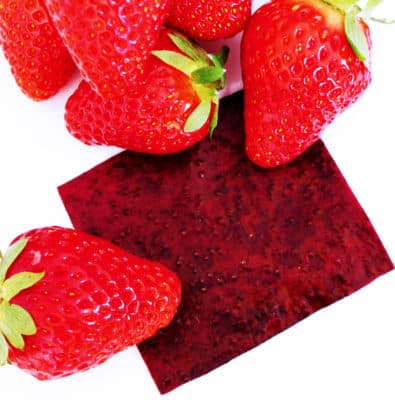
- Berriestex – Made from strawberriesBerlin based designer Christine Rochlitz and founder of the vegan and sustainable luxury designer handbags and accessories brand LUCKYNELLY – BERLIN has developed an innovative vegan material made from overripe strawberries waste, which offers a new alternative to (exotic) leathers.
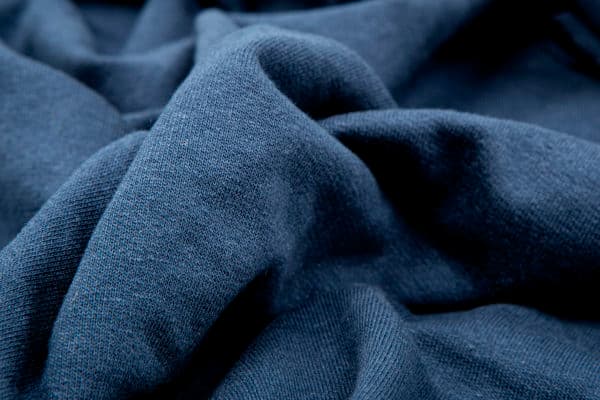
- Flocus kapok fleeceFlocus is a textile brand producing yarn blends and filling made with kapok. Kapok is a sustainable fibre, leaving nearly no carbon footprint. Nature has given kapok numerous properties like its silky soft and dry touch of the fiber itself, antimoth and antimite properties as well as insulation properties comparable to down, and many others. Utilising kapok, Flocus offers products which can reduce the presence of animal and synthetic products in the market, utilizing a completely natural alternative without abandoning functionality.
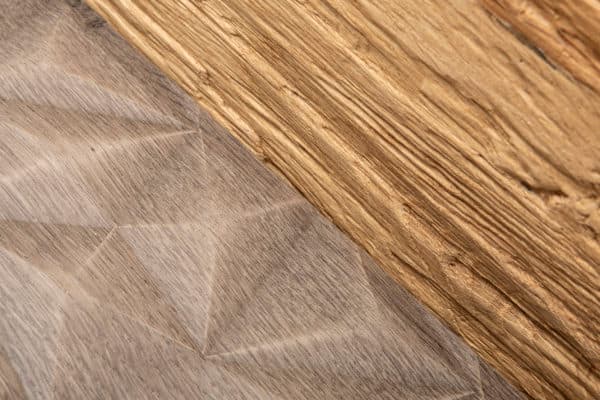
- Holz in Form relief panelHolz in Form boards are embossed panels with special developed veneer and/or melamine resins with a plywood, particle, or MDF core. The collection consists of various embossed patterns, like lines, triangles, and waves. Additionally, there are also wood structures with relief available, including charred wood, which has not actually been burned. The material is odourless and does not leave stains.
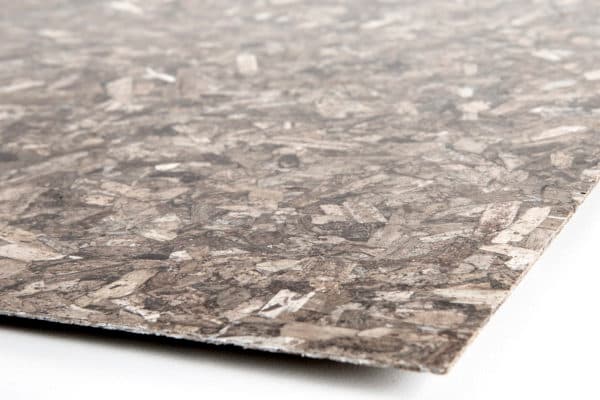
- Phee seagrass boardPhee board is a flat panel made from the leaves of seagrass Posidonia Oceanica and biological resins. To make the board, the seagrass is collected, cleaned and dried. The seagrass is then compressed with bioresin into a board material.
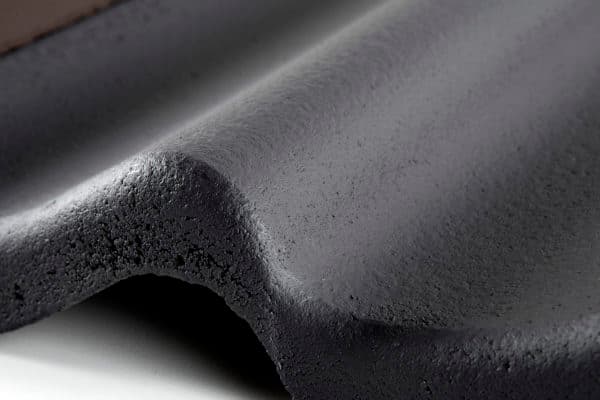
- ClimaLifeClimaLife are concrete roof tiles that clean the air, using titanium dioxide. Using light, surfaces coated in this material neutralise harmful particles such as NOx and particulate matter. 100 m2 of surface with titanium dioxide has the same air cleaning effect as 6 adult broad-leaved trees! The surface is very hydrophobic, antibacterial, and prevents algal growth.