Search
15 results for “lignin” in materials
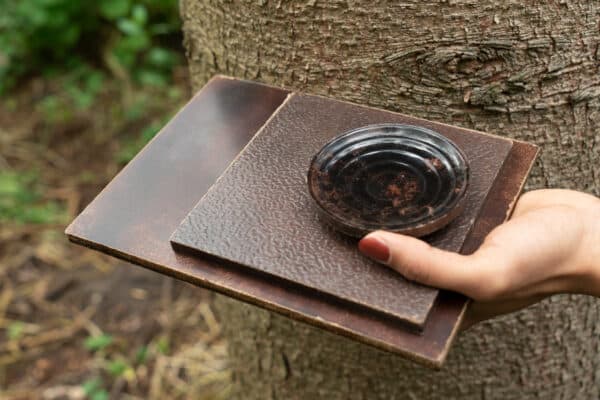
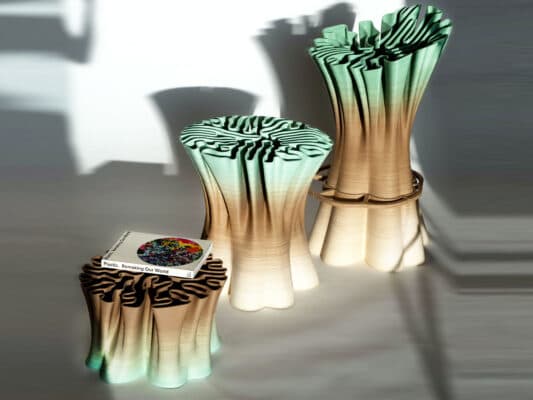
- Tree of CultureCalled Tree of Culture, Basse Stittgen's project traces the journey that the two polymers of wood take, back to the moment when the cellulose fibre was held together by the lignin in a tree. Shown here is a thermoformed biocomposite consisting of lignin and cellulose. The two components are mixed together and are then filled into a metal mould and heat pressed at 180° C with around 10 tons of pressure.
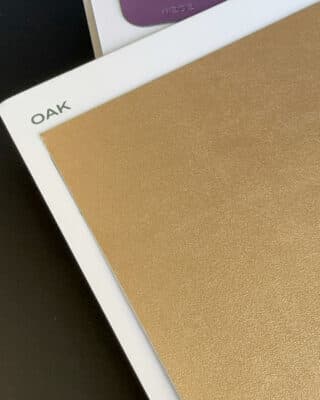
- FENIX NTM BLOOM & ARPA HPL BLOOMArpa products are made of paper and thermosetting resins based on phenol. With Bloom, lignin technology has been introduced to significantly reduce the amount of phenol by 50%. Lignin is a natural polymer defined as the glue that holds wood fibres togehter. With this innovation most of the key ingredients originate form responsably managed forests. The impact: 46% CO2 reduction, 38% less energy demand and a 28% lower water footprint.
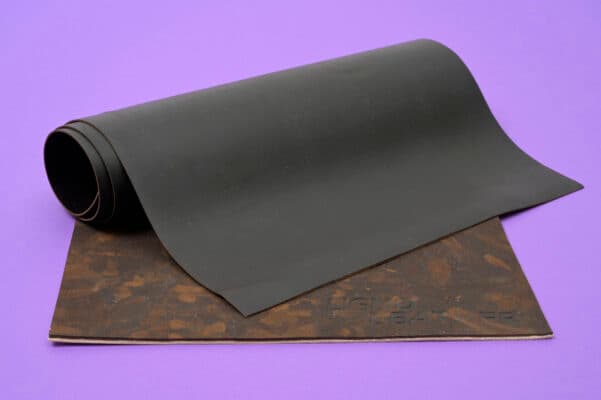
- LigNo LeatherLigNo Leather is a biobased leather alternative, which mostly consists of lignin. LigNo Leather is a material consisting of 70% lignin, a byproduct of the cellulose and paper industries, as well as biorefinery processes. This innovative material is developed by Lignopure as part of the LignoLight research project, funded by the Federal Ministry for Economic Affairs and Climate Action, Germany.
- LiquidwoodLiquidwood is biopolymer, consisting of the same ingredients as natural wood, lignin and cellulose. It also has similar properties. The material combines the properties of renewable resources and natural wood with the processing capabilities of common thermoplastics.
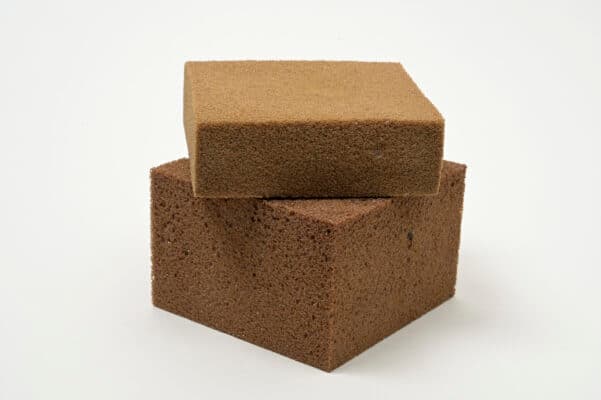
- Ligno Foam MaterialLigno Foam is a lightweight material consisting of 40% lignin, a byproduct of the cellulose and paper industries, as well as from biorefinery processes. This innovative material is produced by the Fraunhofer Institute WKI, and its development is part of the research project LignoLight, funded by the Federal Ministry for Economic Affairs and Climate Action, Germany.
- FENIX NTM BLOOMFENIX materials are highly resistant to scratches, abrasion, dry heat, acid-based solvents and household reagents. Thermal healing of superficial micro-scratches is also possible. FENIX…
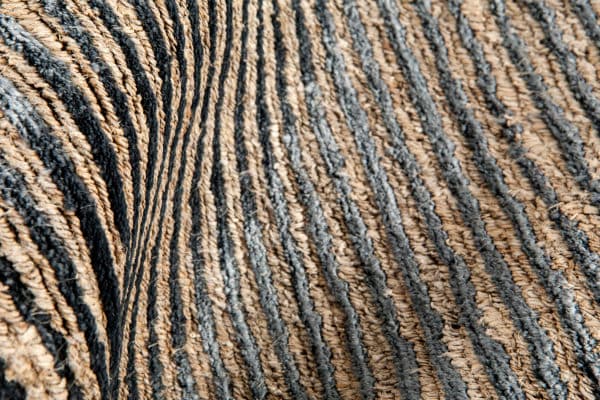
- Banana fibre, hemp & jute carpetThese carpets are made from jute, hemp and banana fibres. The appearance of banana fibre is similar to that of bamboo fibre and ramie fibre, but its fineness and spinnability is better than the two. The chemical composition of banana fibre is cellulose, hemicellulose, and lignin. The fibre is very strong and has a somewhat shiny appearance depending upon the extraction and spinning process.
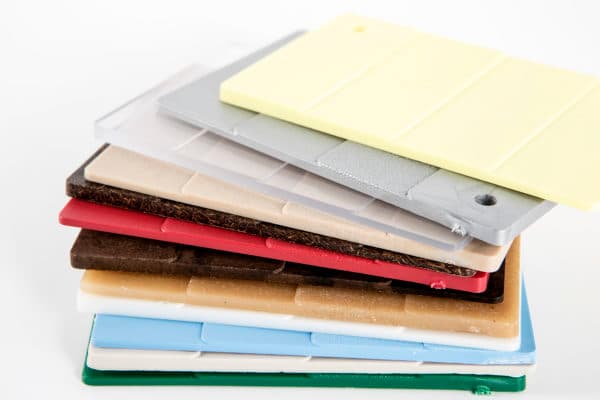
- Plant CultureThis product is a lignin-cellulose based thermoplastic panels. The panels are manufactured by Gehr plastics, and were successfully thermoformed according to a special custom-design by architectural students within the (Do-It-Yourself) Architectural Seminar work at itke- University of Stuttgart. The product can be mainly applied in interior applications including cladding systems, interior space-dividers, partitions, in furniture and exhibitions. The panels are recyclable, bio-degradable and have no VOC contents.
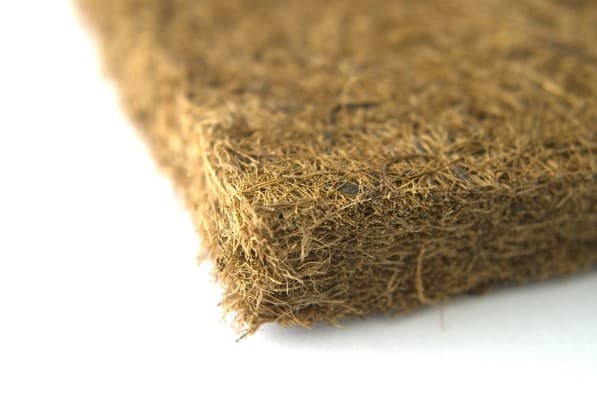
- Cocos InsulationThe cocos insulation material is made from the natural coco fibres and can be used directly below a floating floor. The fibres have a high lignin content and thus a low cellulose content, therefore it is resilient, strong and highly durable. The material provides great acoustic damping and has a levelling effect.
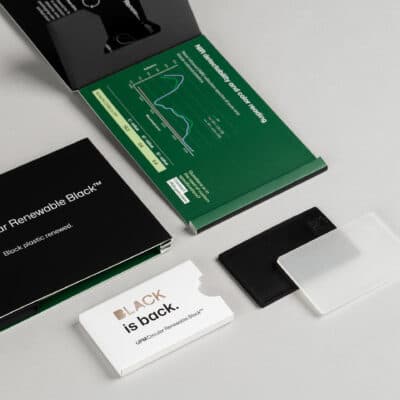
- UPM Circular Renewable Black™UPM Circular Renewable Black™ is a biobased black pigment developed by UPM Biochemicals for applications in plastics and rubber, particularly in packaging. The material is derived from lignin, a natural polymer found in wood, and is sourced from FSC™ and PEFC-certified forests.
- 3io3io is a material system developed from renewable resources, merging biological matter with robotic precision, to create expressive, high-performance objects. The blends combine a wide spectrum of biobased materials including: PHA, PCL, PLA, bio-PE, bio-PA, lignin, cellulose, natural resins, waxes, oils, and plant fibres, resulting in thermoplastic composites consisting of up to 100% renewable content.
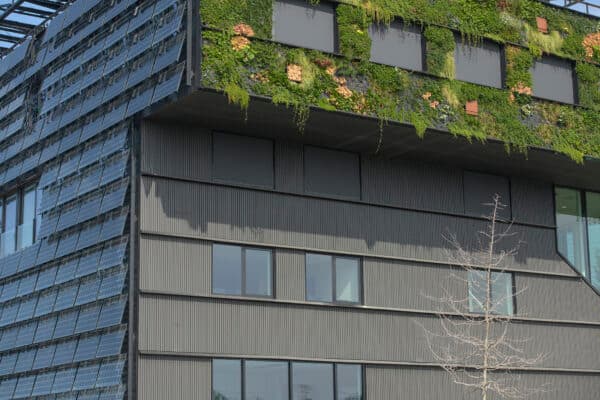
- NeolifeThe Neolife facade systems are made from VESTA®, a circular, biobased material. Neolife combines a very high content of wood fibres, natural mineral salts and pigments, with lignin as a natural thermal binder. The products are fully upcyclable: after use, they are 100% reused as raw material for new Neolife facade or decking panels.
- LIGNIFYLignify is a patented, plant/bio-based leather alternative made from lignin; a waste material and byproduct of the paper industry. This innovative material offers exceptional performance with features such as flame-retardancy, antibacterial properties, UV absorbency, and durability, serving industries such as fashion, automotive, marine, aviation, toy, packaging and architecture.
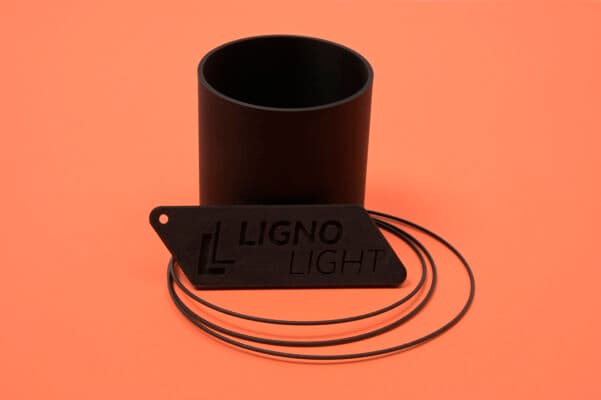
- LigNo PlasticLigno Plastic is an innovative material developed by TECNARO as part of the LignoLight research project, funded by the Federal Ministry for Economic Affairs and Climate Action in Germany. Composed of lignin, a byproduct derived from the cellulose and paper industries, as well as biorefinery processes, this material is 100% home compostable. While still in the research phase, it is available in different compositions, with bio-based content ranging from 30% to 50%, with the remainder being fossil-based.
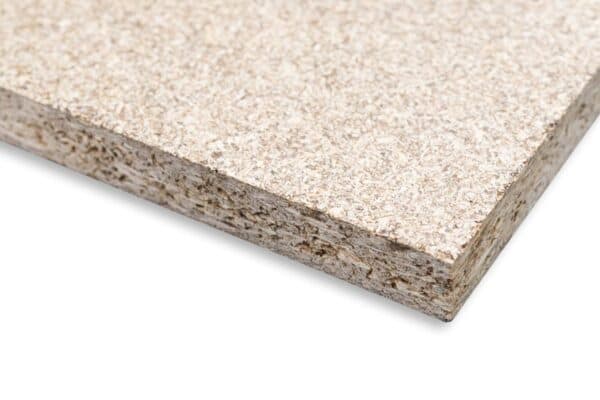
- Zero furniture panelZero furniture board is a new type of interior board in which the fossil binder has been replaced with a renewable wood-based binder, lignin. The wood raw materials for Zero board come from the side streams of Koskisen’s manufacturing processes.