Search
10 results for “microorganisms” in materials
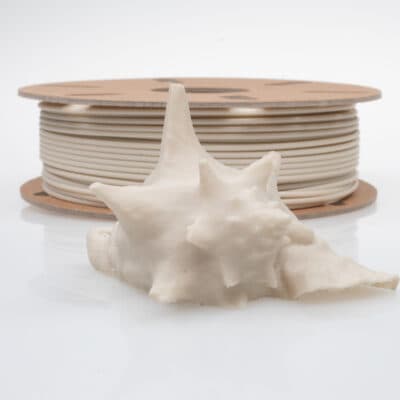
- Biodolomer® TBiodolomer® T is a biodegradable and industrially compostable bioplastic for sheet extrusion and thermoforming. GAIA has achieved great success by adding minerals to its patented method. Biodolomer® T bioplastics can be broken down by microorganisms. In the process, the microorganisms emit enzymes which break down the polymer chains of the material into smaller molecular components.
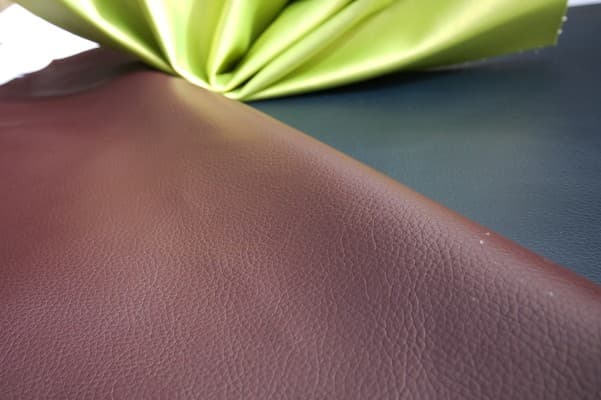
- PHAmicroorganisms convert the carbon sources into PHA, which can then be extracted and purified for various applications. PHA has similar versatility to traditional plastics, allowing for a wide range of applications. However, what sets PHA apart is its ability to biodegrade completely, leaving no trace of harmful microplastics in the environment.
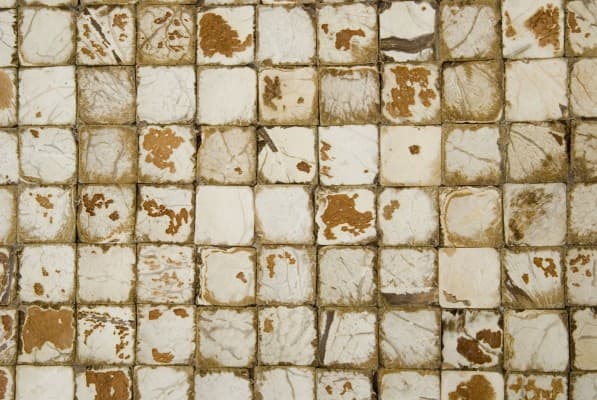
- Coconut TilesEkobe coconut tiles are made from Bahia coconut endocarp (hard coconut shell) using a patented process. It is a natural product which has no environmental impact. The fact that the coconut shell is made of approximately 50% lignin (natural resin), gives it great resistance to decomposition by micro-organisms and insect attack.
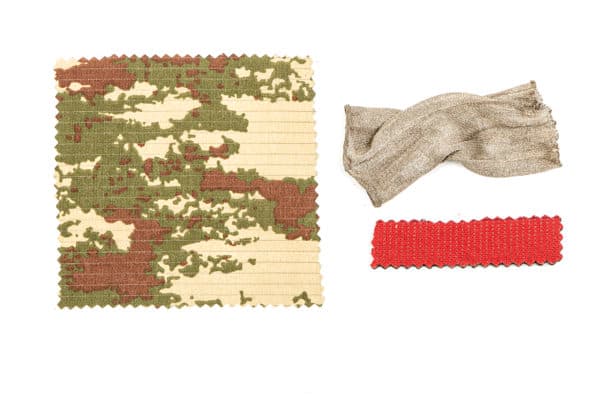
- Bio-AmiCoFitexThe Bio-AmiCoFitex coating provides a bio-based anti-bacterial and anti-fungal protection for textile, complying with the criteria of the new biocide regulation that urges manufacturers to apply non-hazardous alternative biocides. The biobased antimicrobials were applied by padding. During padding, a textile is impregnated with additives and a binder via immersion in a solution (often water-based).
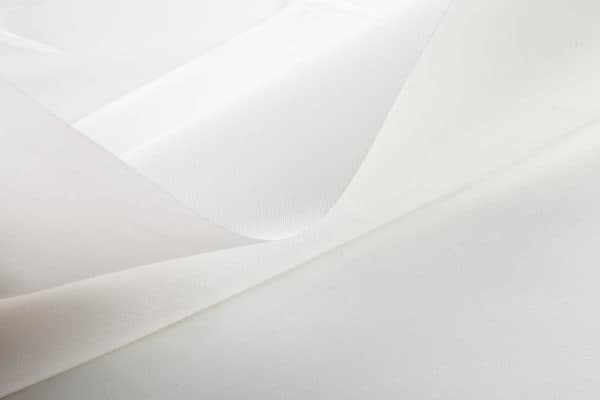
- AgUARDIANThe AgUARDIAN material is an antimicrobial polyurethane fabric. It eliminates odours caused by bacteria and kills 99.99% of all harmful micro-organisms which come in contact with the surface of the material. The silver ions are encapsulated within the .001 polyurethane skin. 75 colours are available, 137cm in width and per 10 yards.
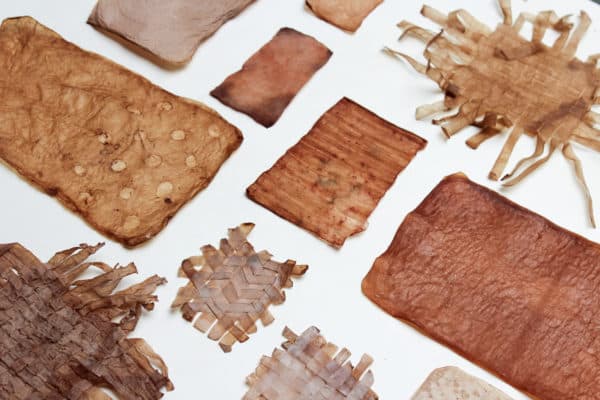
- Biological grown materialStudio Lionne van Deursen developed a collection of biological fabrics dyed with natural pigments. During this ongoing material research the possibilities of a biologically grown material are investigated. Microbes are used to grow this biological material which is made of bacterial cellulose.
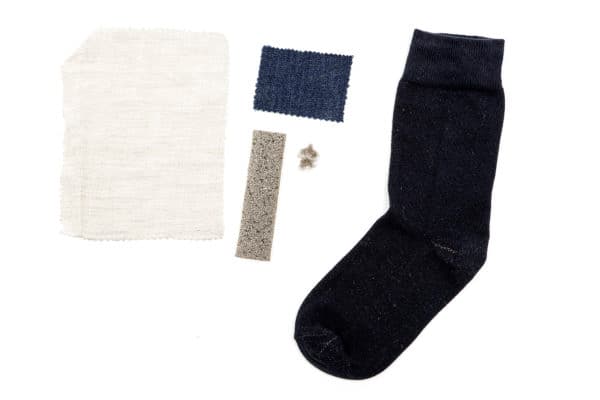
- suprlabs ++VESUPRLABS ++VE is a permanent coating of 99.9% pure silver on a textile substrate or other formats (foam, fabric, etc.). It retains all the characteristics of the substrate and hence can be used in any textile-related application with ease. Silver is irreversibly bound to the substrate and becomes a physical part of the base material.
- suprlabs +VESUPRLABS +VE is a permanent coating of 99.9% pure silver on a textile substrate or other formats (foam, fabric, etc). It retains all the characteristics of the substrate, hence it can be used in any textile-related application with ease. Silver is irreversibly bound to the substrate and becomes a physical part of the base material.
- NuatanNuatan is a 100% biobased, biocompatible and biodegradable plastic. The material is petroleum free, and consists of cornstarch, sugar and cooking oil. Essentially, it’s a blend of two biopolymers, Polyacid Acid (PLA) and Polyhydroxybutyrate (PHB). The material can be formed by injection moulding and 3D printing, biodegrades in 90 days in an industrial composter and is safe to eat.
- Coffee PanelsThese coffee panels are composite materials produced from coffee grounds and a biopolymer, polyactic acid or polylactide (PLA). Due to the characteristics of the materials used, these coffee composites have similar properties to MDF and may be machined by various techniques such as CNC, acquiring numerous forms and geometries reliefs. Coffee PLA composites are 100% biodegradable.