Bacteria-Grown Floor Tile and Recycled PVC Cladding Win Dezeen Awards
A floor tile whose binder is grown by bacteria and a facade tile made from old PVC window frames were among the winners of the Dezeen Awards 2026. Mimmik Tile by FRONT and Biomason won material innovation of the year. Basic Third by Dutch manufacturer Pretty Plastic won surface design of the year.
The winners were announced on 16 November at the Royal Opera House in London. Both products are already in production and can be specified. The shortlists were drawn from more than 4,300 entries from 91 countries.
A Binder That Grows Like Coral
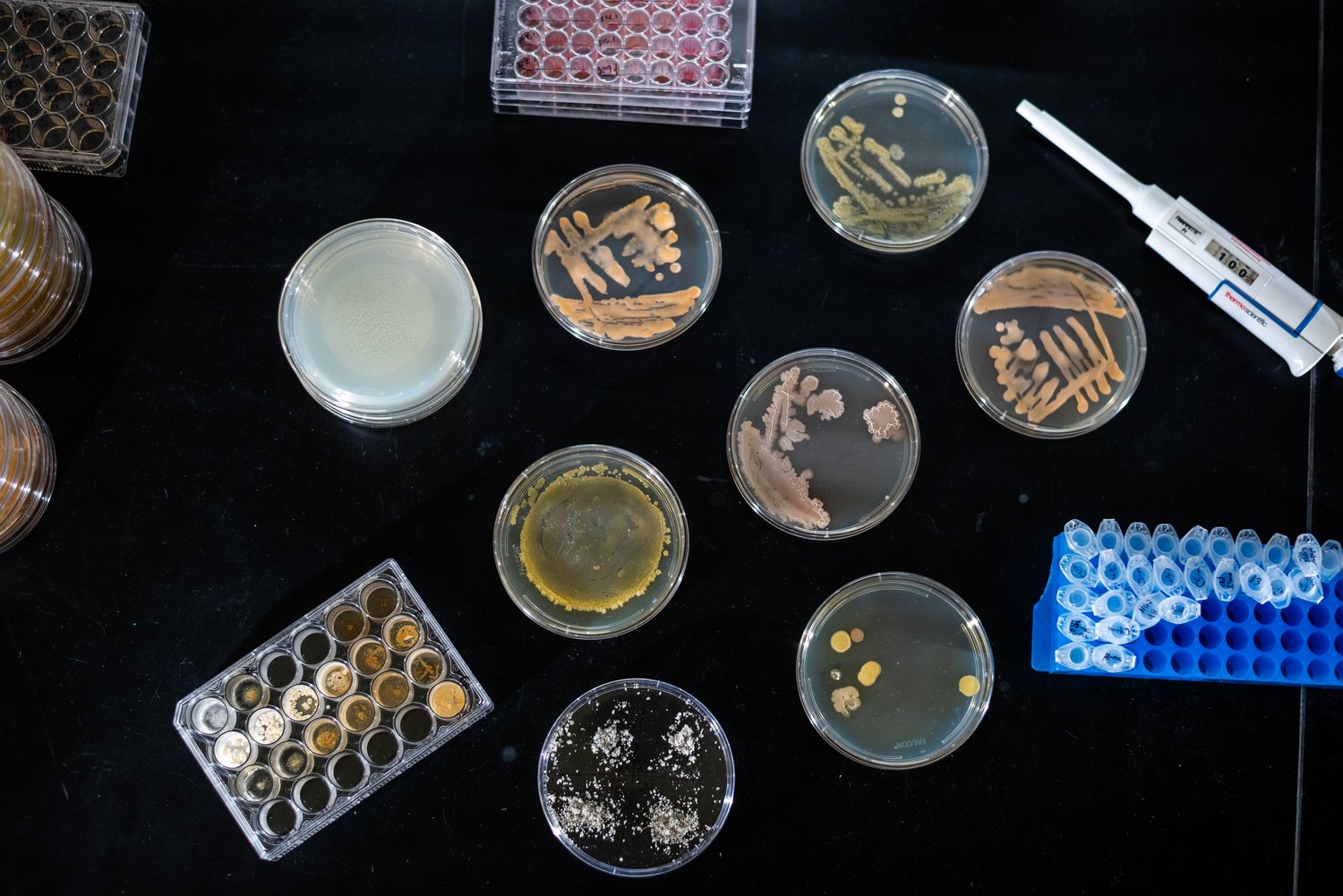
Mimmik Tile is produced on an industrial scale by Biomason in Ikast, Denmark. Its binder, Zymecrete, does not come out of a kiln. It forms in a controlled biological process called microbially induced carbonate precipitation: naturally occurring bacteria take a source of carbon and calcium and crystallise them into calcium carbonate, the mineral that makes a coral reef hard.
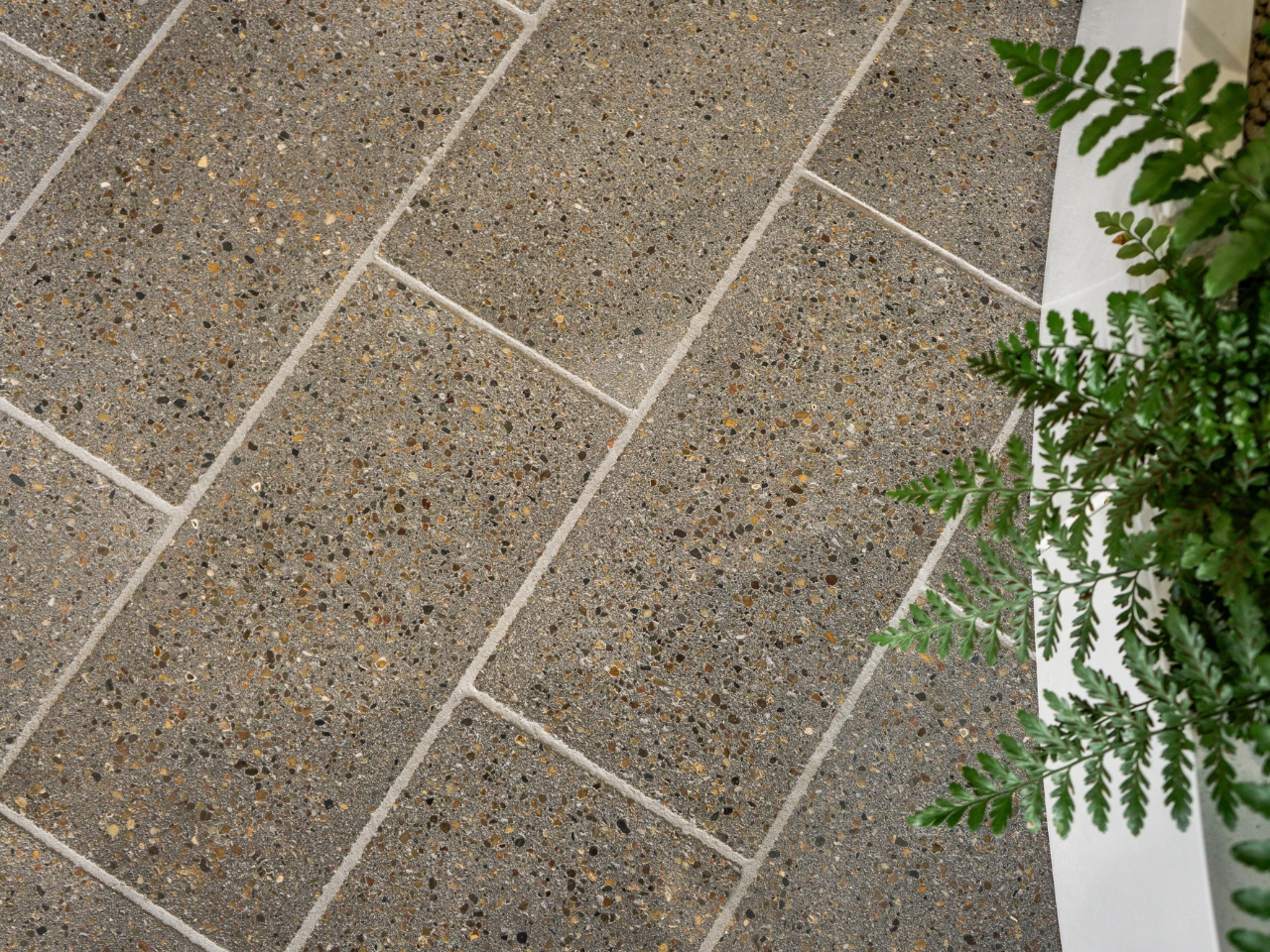
Because the crystals are clear rather than grey, the binder is effectively translucent. The colour of the finished tile comes from its sand and aggregate, which gives the speckled, stone-like surface. FRONT believes it is the first bacteria-grown tile to be made industrially. Preliminary modelling points to about 60% lower CO₂ emissions (GWP, A1–A3) than a comparable Portland cement tile; an independent LCA is being finalised and a verified EPD is to follow.
The Danish factory makes 20,000 m² a year, with room to grow to 500,000 m². The tile has been laid at Parel in de Polder in the Netherlands and Helix Lab in Denmark. Mimmik Tile is also on MaterialDistrict.
The Worst Plastic, Put to Use
“Pretty Plastics has chosen to work with the worst kind of plastic – PVC – and found a way to repurpose the material into tiles,” the judges said. Pretty Plastic was started by architecture studios Overtreders W and Bureau SLA. Its tiles are made from 100% recycled rigid PVC from construction waste, such as window frames, gutters and downpipes.
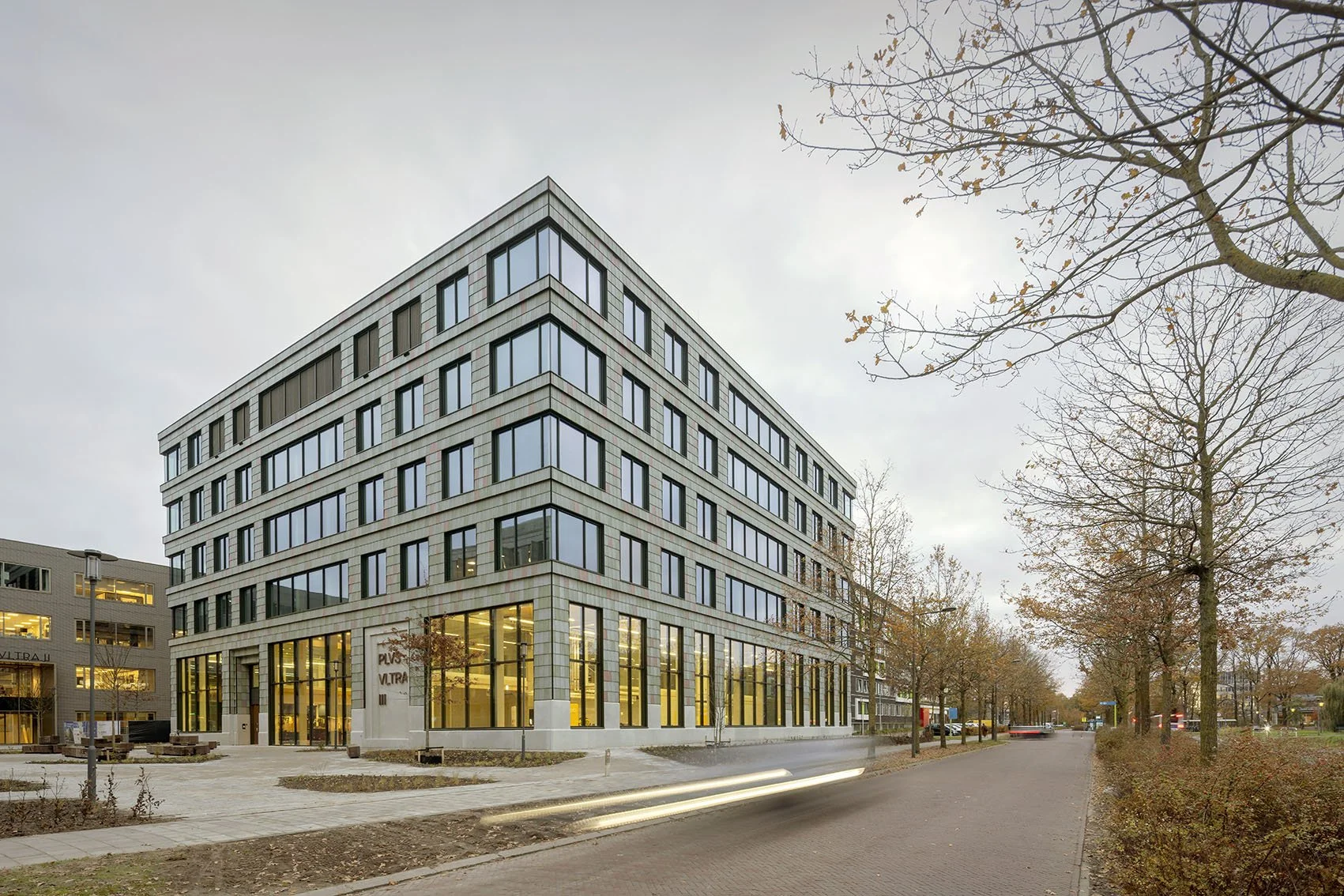
Basic Third is the company’s largest tile, at 569 × 329 × 30 mm, with a vertical relief and 6.7 tiles per square metre. It hangs on timber battens and overlapping tiles share screws, so the facade can be taken apart again. It comes in four colours, each in three shades, and is classified B-s3,d0 for reaction to fire. Its first application is Plus Ultra III, a timber laboratory building on the Wageningen campus by Proof of the Sum, clad with 1,850 m² of tiles. See all Pretty Plastic tiles on MaterialDistrict.
In the public vote, readers chose a third material: Datecrete, pavers made from date pits. Samples of Mimmik Tile and Basic Third can be requested from the makers.
Source: Dezeen Awards 2026, FRONT, Pretty Plastic