Search
48 results for “bacteria”
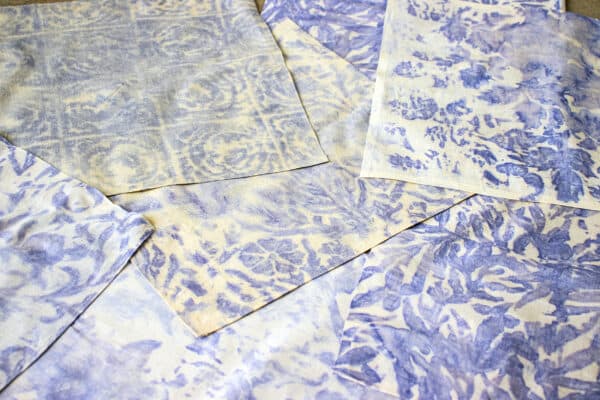
- Primordial PigmentsPrimordial Pigments is an exploration on how pigment-producing bacteria can be utilised in textile block printing. It was born out of an appreciation for the Arts and Crafts movement and a collaboration between living organism and designer.
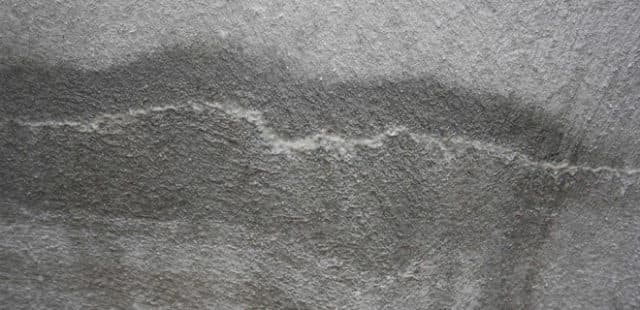
- Living self-healing concrete can repair itself in three weeksConcrete is the most used material in the building industry, because it is such a versatile material. But no matter how you tweak it,…
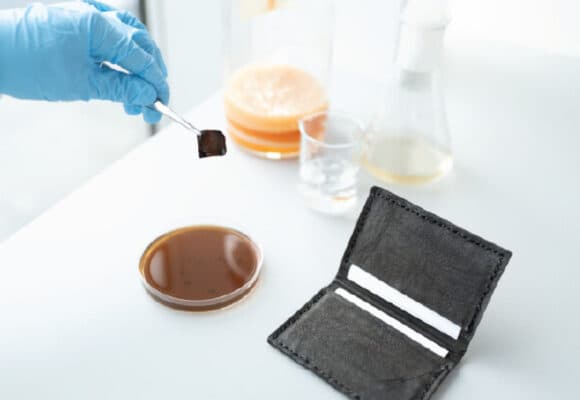
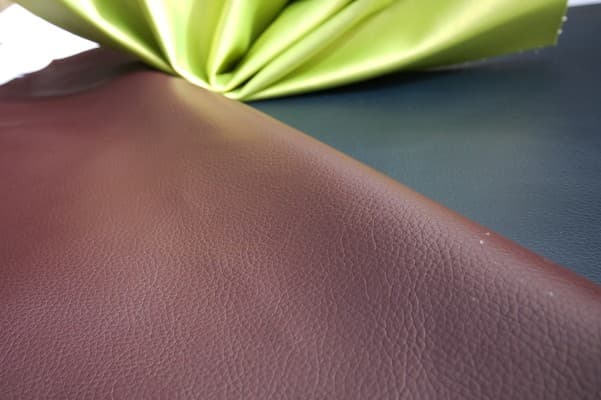
- Self-dyeing bacterial black leatherResearchers at Imperial College London have genetically engineered bacteria to grow animal- and plastic-free leather that dyes itself. Leather alternatives grown by bacteria is…
- Living materials inspired by kombucha teaEngineers at MIT and Imperial College London developed a new way to generate tough, functional materials, using a mixture of bacteria and yeast similar…
- 100% bacterial dye“LAB_MADE” illustrates the potential of grown pigments. These samples have been dyed with pigments obtained from bacteria. Bacteria can be grown instead of produced and their rapid production rate makes them an interesting resource to work with.
- VeroMetal® AntimicrobialVeroMetal® Antimicrobial is a metal coating with a stainless steel appearance, based on an alloy of copper. The coating does not oxidize and has a self-cleaning action. A surface coated with the finish achieves an impressive killing rate of 99% in less than 30 minutes in UV light, and under an hour in the dark.
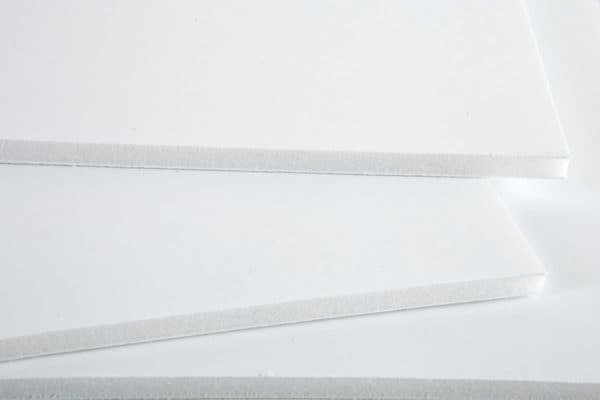
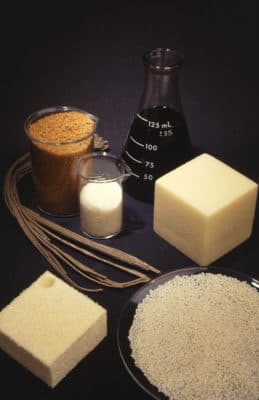
- BioLaminilThe BioLaminil panel does not contain glue and it is laminated by heat with Kraft paper, which is compostable. The foam inside the panel is polystyrene (XPS), which has been modified by adding a mix of bacteria during the extrusion process. Once the material has been disposed of in the landfill or accidentally lost in the environment, the bacteria inside is activated and begin to “digest” the foam.
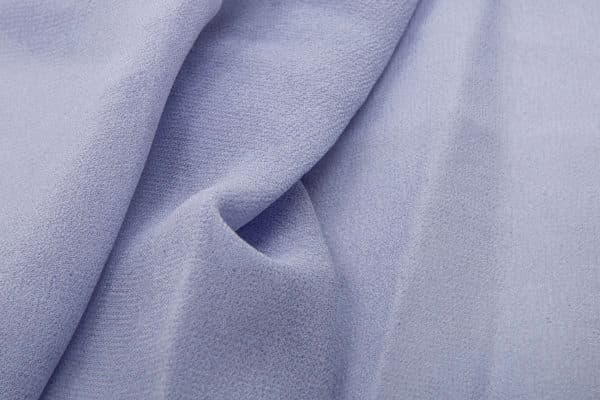
- Biodegradable polyester clothing made with wastewaterOne major problem with oil-based polyester clothing is that when washed, they shed microfibers, tiny particles of plastic that are washed into the ocean…
- Bio-AmiCoFitexThe Bio-AmiCoFitex coating provides a bio-based anti-bacterial and anti-fungal protection for textile, complying with the criteria of the new biocide regulation that urges manufacturers to apply non-hazardous alternative biocides. The biobased antimicrobials were applied by padding. During padding, a textile is impregnated with additives and a binder via immersion in a solution (often water-based).
- AgUARDIANThe AgUARDIAN material is an antimicrobial polyurethane fabric. It eliminates odours caused by bacteria and kills 99.99% of all harmful micro-organisms which come in contact with the surface of the material. The silver ions are encapsulated within the .001 polyurethane skin. 75 colours are available, 137cm in width and per 10 yards.
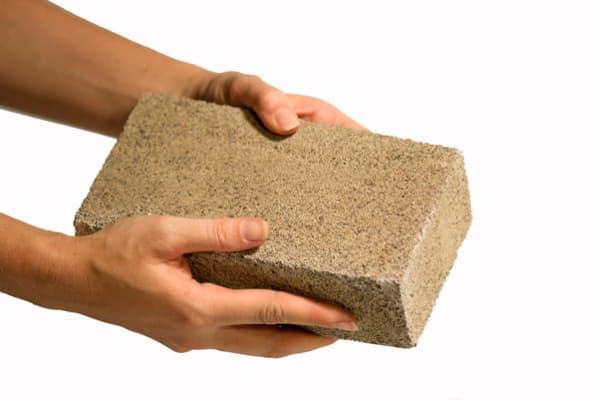
- Growing bricksImagine not having to stoke up a kiln to fire (non-renewable) clay into a brick. Now imagine being able to grow a brick. From…
- Grown Materials and Biological Making at Dutch Design Week 2026Explore DDW 2026 grown materials, from bacterial biopolymers and mycelium interiors to colour-changing wearables.
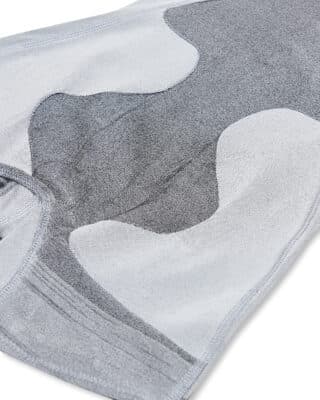
- SKIN SERIES Algae Knit (with Probiotic Finish)SKIN SERIES addresses the unsustainable problem of chemicals in the fashion industry and their effect on both the environment and the body. The textile and treatment add performance and function to clothing using a natural bio-tech approach. The Probiotic Textiles technology encapsulates healthy bacteria into the fibres of clothing.
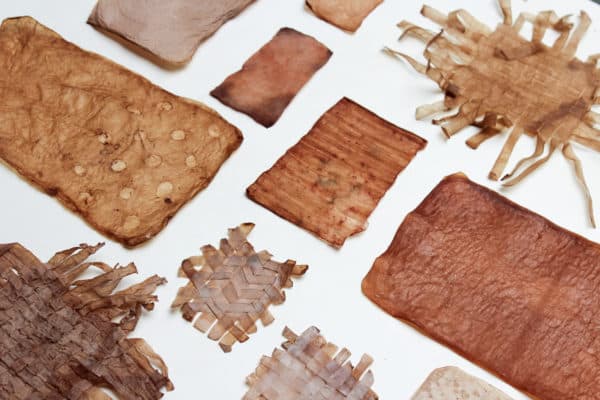
- Biological grown materialStudio Lionne van Deursen developed a collection of biological fabrics dyed with natural pigments. During this ongoing material research the possibilities of a biologically grown material are investigated. Microbes are used to grow this biological material which is made of bacterial cellulose.
- Microbes that can help degrade polyurethaneResearchers from the German Helmholtz Centre for Environmental Research-UFZ in Leipzig have identified a strain of bacteria capable of degrading some of the chemical…
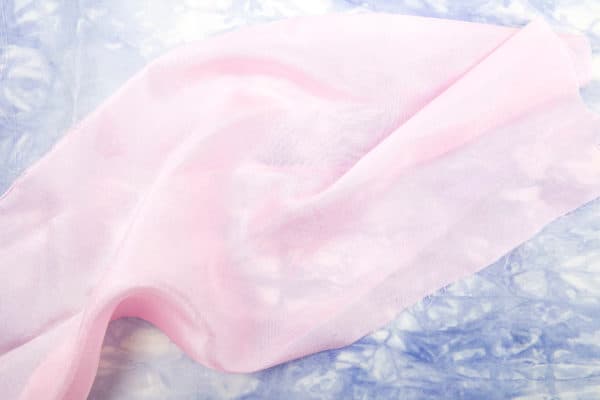
- Living ColourLiving Colour is a dyeing innovation by Dutch designers Laura Luchtman of studio Kukka and Ilfa Siebenhaar that uses pigment-producing bacteria to colour textiles and other materials. Living Colour offers a viable alternative to synthetic dyes; the biodegradable dyes can be produced with far less water and energy and without hazardous chemicals or pollution.
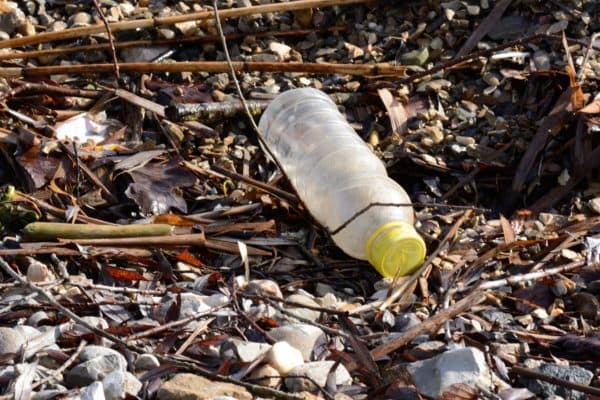
- PET eating enzyme could help fight plastic pollutionPlastic pollution keeps getting worse, and if we want to clean it up before it’s too late, we’re going to need some help. Researchers…
- Polyrey SASFor 50 years, Polyrey has been manufacturing laminate and decorative boards for interior fitting and design use in the commercial and private sectors. Polyrey…
- Sharklet SafetouchSharklet is a non-toxic surface material used to control the growth of bacteria by 80%. It is comprised of millions of raised, microscopic features arranged in distinct diamond shapes to form a pattern. Inspired by the microbe-resistant properties of shark denticles and skin, it is purely the pattern that works to inhibit microorganism growth.
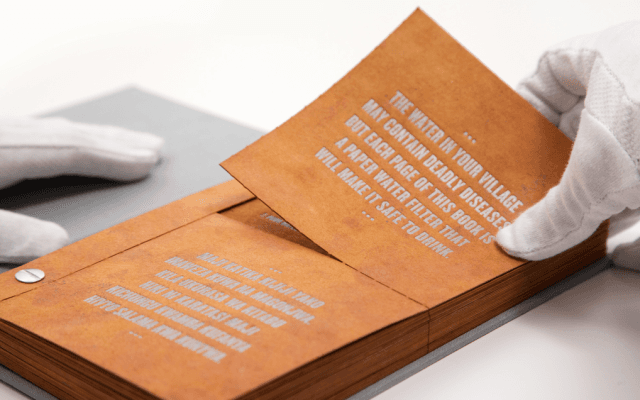
- Drinking a bookGreat design needs to be communicated well in order to be effective. How do you get a water filtration system out there for everyone…
- Antimicrobial Copper: BrassWhilst copper is a material familiar to all and essential to modern living, these new alloys are more resistant to bacteria, toxins and general dirt, improving the environmental quality of the building or space in which they are applied. Brass is an alloy of copper and zinc.
- Antimicrobial Copper: BronzeWhilst copper is a material familiar to all and essential to modern living, these new alloys are more resistant to bacteria, toxins and general dirt, improving the environmental quality of the building or space in which they are applied. Bronze is an alloy of copper and tin.
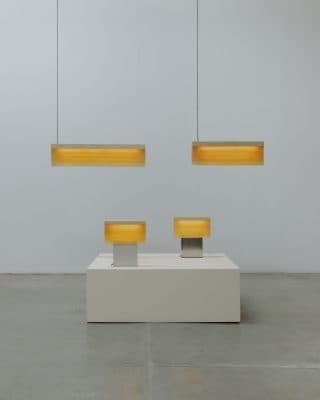
- Cenit Lighting Series Combines Cultivated Cellulose With Natural AshMexican biomaterials company Polybion and design studio Natural Urbano have launched Cenit. This made-to-order lighting collection combines natural ash with translucent Celium. Polybion grows…
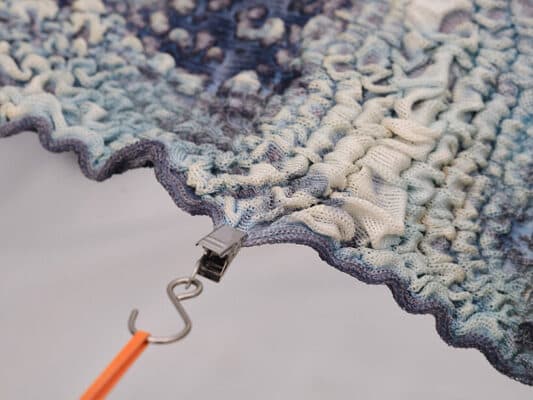
- Bacterial Pigmentation Offers A Biological Alternative To Textile DyeingThe textile industry is looking for ways to reduce the environmental impact of dyeing, one of the most resource-intensive stages of textile production. OXMAN's…