Search
78 results for “carbon fibres”
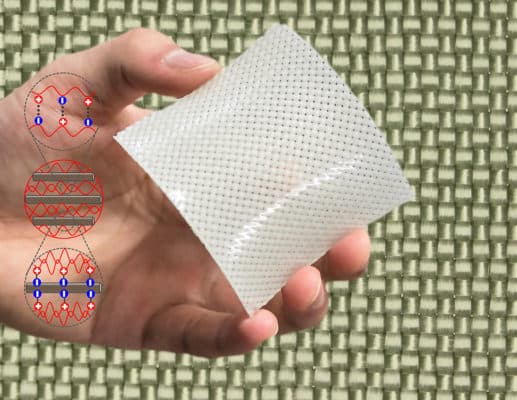
- New fibre-reinforced hydrogel is tougher than metalA hydrogel is a superabsorbent gel made of natural or synthetic polymers. They can absorb up to 99.5 per cent water in volume. Because…
- Bamboo fibresBamboo fibres have a high potential. Based on its density, its capacity to grow fast, its low carbon footprint and its mechanical properties, there are interesting business cases to grow bamboo locally and use it at a larger scale.This triggered Bambooder and its business partners to explore market opportunities for bamboo, especially for paint, composites, bioplastics, and 3D printing.
- Recycled cotton fibres is turned into viscose-like fabricWhile cotton fabric is a biobased and biodegradable material, growing the plant takes up a lot of land, water, and if not organically produced,…
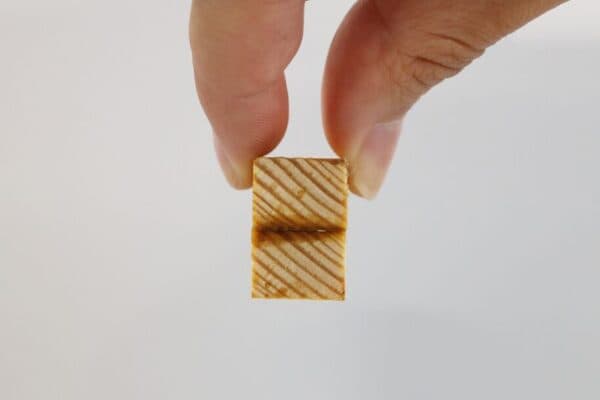
- Finnish Pulp Fibres Enable Stronger and More Sustainable Wood BondingResearchers at Aalto University in Finland have developed a new method for bonding wood using pulp fibres from Finnish forests. The resulting bond is…
- Hemp Waste Shows Promise For Lower-Carbon Bioplastic FilmsResearchers in South Korea have tested biocomposite films made with hemp hurd, the woody inner part of the hemp stem. This part of the…
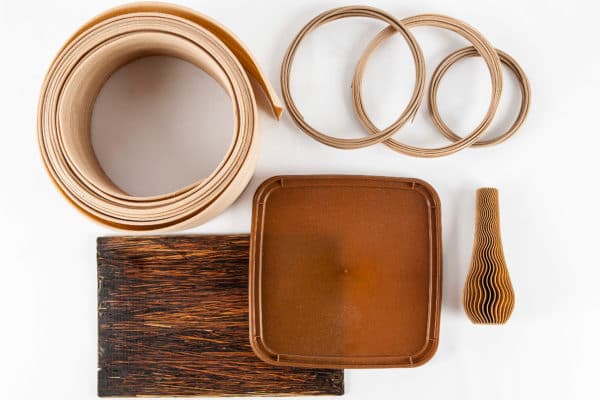
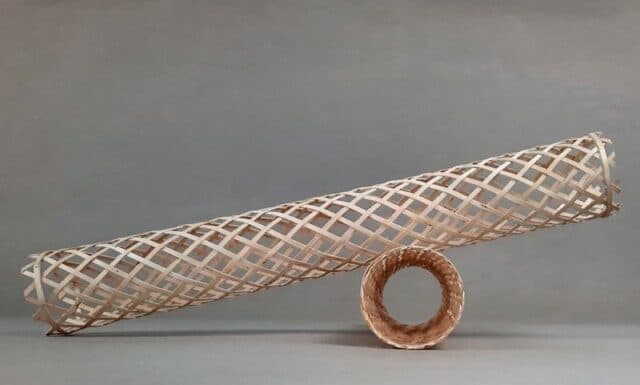
- Strong, Lightweight, and Carbon-Storing: Hollow Wooden Profiles for IndustryA series of German research projects is opening new opportunities for wood in industrial applications. These range from construction and interiors to automotive and…
- A plant-based fibre fill insulation materialUK-based start-up Saltyco developed a plant-based fibre fill insulation material which was used in a capsule collection by fashion label YOOX. Saltyco is a…
- Turning Asbestos into Safe, Carbon-Negative Architectural MaterialsAt the 2025 Lisbon Architecture Triennale, Besley & Spresser present 09.ED.15 Redux, an installation that explores a radical transformation: converting asbestos—once a ubiquitous but…
- Zero House has a zero carbon footprint, zero toxins and zero net energyCreating a building that has a zero carbon footprint, uses zero toxins or uses zero net energy can be a challenge each on their…
- New Design Approach Could Make Ultra-High-Performance Concrete More AffordableUltra-high-performance concrete (UHPC) is widely used in projects that demand exceptional strength and durability. Designers and engineers specify it for bridges, high-rise buildings and…
- Prickly Pear Cactus Waste Reinforces Biobased Composite MaterialsAgricultural waste from prickly pear cactus could provide a renewable source of reinforcement for biobased composite materials, according to researchers at the University of…
- Duranova™Duranova™ is a wood fibre-based material developed by Finnish materials innovation company Fiberdom. The material is produced using a patented process that functionalises sustainably sourced wood fibres to create a high-performance alternative to conventional plastic and coated fibre products.
- Going up?A super-strong carbon fibre rope means a single lift shaft could soon extend more than a kilometer, effectively doubling the height of today’s tallest…
- Future Materials and ‘Being Good’Striving for certification of carbon neutral and sustainable materials that minimise our ecological impact is leading to a lack of innovation and ignorance about…
- Waste Wool Becomes Biobased Cladding and Insulation for Building RetrofitsHarvard researchers turn waste wool into biobased cladding and insulation panels for building retrofits, using keratin and citric acid.
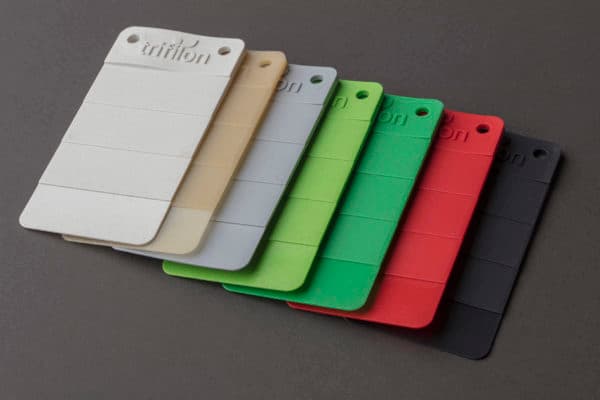
- Trifilon BTrifilon B is a biocomposite material combining food-safe polypropylene (PP) with up to 35% natural fibres. Developed by Swedish material company Trifilon, it is designed as a lower-impact alternative to conventional polypropylene for injection-moulded products, including applications involving food contact and products for children.
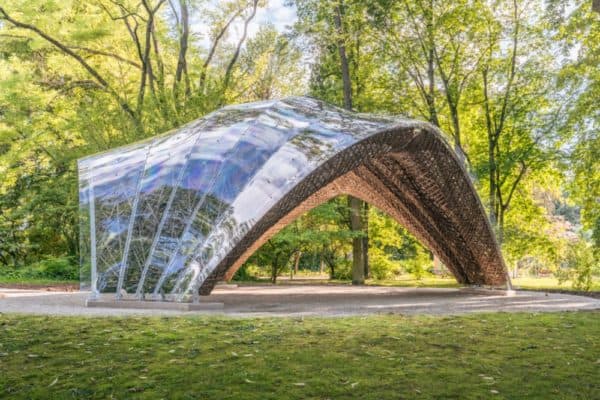
- A pavilion based on moth webs made by drones and robotsGlass and carbon fibre reinforced composites are lightweight and have high tensile strength. This is why they are widely used in automotive and aerospace…
- The Sustainable Composite Car Racing TeamThe CQS Group Racing Team is a student project by Industrial Engineering students from the University of Leuven. The goal of the project is…
- A robotically wound flax pavilionResearchers and students from the Universities of Freiburg and Stuttgart designed a lightweight pavilion made from robotically wound flax fibres. The construction industry is…
- Building a cleaner world: CO2 based cement and concreteSince its invention some 150 years ago, concrete has become the most used construction material in the world. Unfortunately, the production of one of…
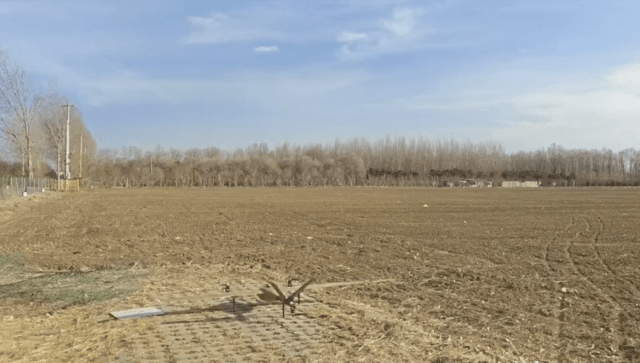
- Bamboo-Based Composite Drone Demonstrates Potential of High-Performance Bio-Based MaterialsA research team in Tianjin, China, has successfully flown a drone built partly from bamboo-based composite materials. The aircraft represents what researchers describe as…
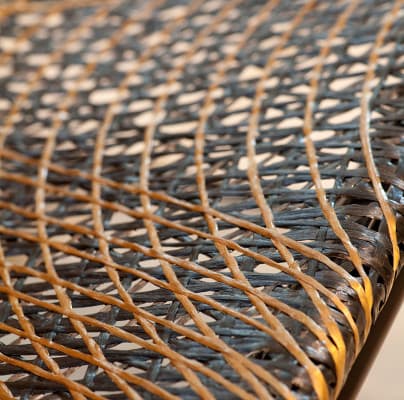
- Woven UltrafabricThere is a lot to be said for looking very closely at materials. They often disclose fascinating secrets, such as this waterproof material, or…
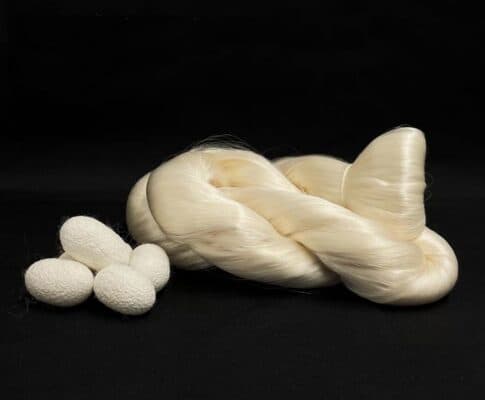
- From Silkworm to Super Material: Fused Silk Rivals Kevlar in StrengthResearchers from Tufts University, Imperial College London and the University of Michigan have developed a new way to transform silk into a high-performance solid…
- Flax Reinforcements Made More Accessible with BIOFIBIX HypermatFlax fibres are gaining interest in composite design because they are bio-based, lightweight, and have a lower environmental impact than many synthetic alternatives. Yet…