Search
48 results for “lignin”
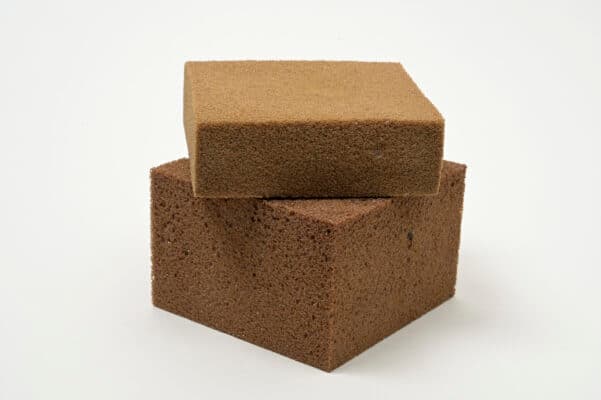
- Ligno Foam MaterialLigno Foam is a lightweight material consisting of 40% lignin, a byproduct of the cellulose and paper industries, as well as from biorefinery processes. This innovative material is produced by the Fraunhofer Institute WKI, and its development is part of the research project LignoLight, funded by the Federal Ministry for Economic Affairs and Climate Action, Germany.
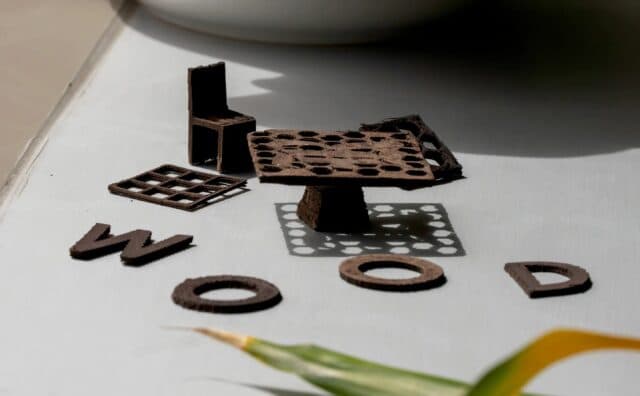
- A 3D print filament made out of wood components onlyResearchers from Rice University in the US developed a 3D print filament made up of only wood’s natural components, allowing to print ‘truly’ wooden…
- Organic solar cells made of woodResearchers at Linköping University and the Royal Institute of Technology (KTH) have now shown that lignin can be used to make solar cells even…
- FENIX NTM BLOOMFENIX materials are highly resistant to scratches, abrasion, dry heat, acid-based solvents and household reagents. Thermal healing of superficial micro-scratches is also possible. FENIX…
- An ode to the coconut on World Coconut DayThe humble coconut, while not a nut, is far more than an ingredient in your curries or a humorous plot device in cartoons. Today, on…
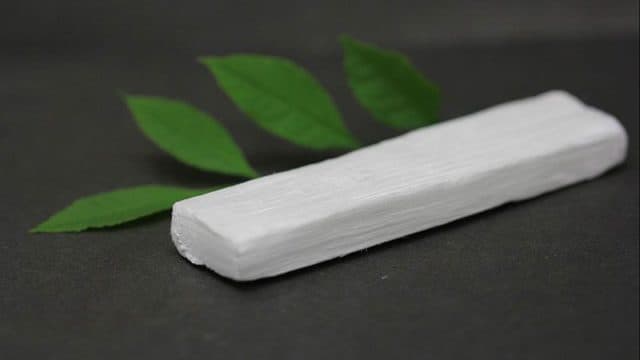
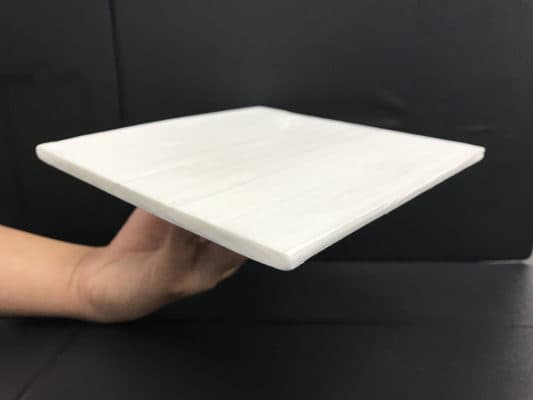
- Nanowood material insulates as well as StyrofoamResearchers at the University of Maryland created a new, sustainable and lightweight nanowood material that is as insulating as Styrofoam, but stronger and more…
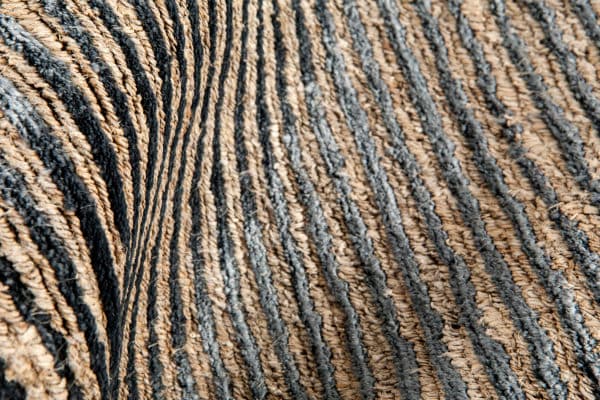
- Banana fibre, hemp & jute carpetThese carpets are made from jute, hemp and banana fibres. The appearance of banana fibre is similar to that of bamboo fibre and ramie fibre, but its fineness and spinnability is better than the two. The chemical composition of banana fibre is cellulose, hemicellulose, and lignin. The fibre is very strong and has a somewhat shiny appearance depending upon the extraction and spinning process.
- Plant CultureThis product is a lignin-cellulose based thermoplastic panels. The panels are manufactured by Gehr plastics, and were successfully thermoformed according to a special custom-design by architectural students within the (Do-It-Yourself) Architectural Seminar work at itke- University of Stuttgart. The product can be mainly applied in interior applications including cladding systems, interior space-dividers, partitions, in furniture and exhibitions. The panels are recyclable, bio-degradable and have no VOC contents.
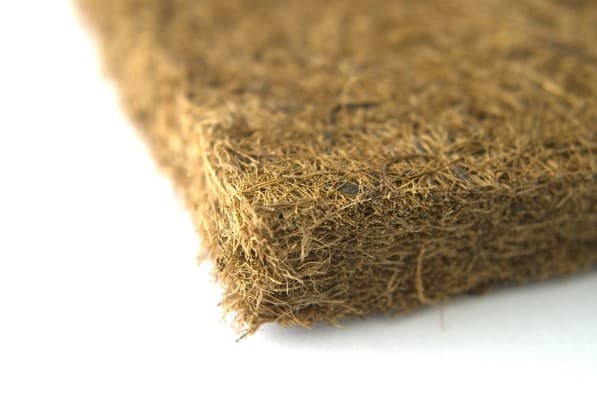
- Cocos InsulationThe cocos insulation material is made from the natural coco fibres and can be used directly below a floating floor. The fibres have a high lignin content and thus a low cellulose content, therefore it is resilient, strong and highly durable. The material provides great acoustic damping and has a levelling effect.
- Electric Waste Collection Vehicle Demonstrates Circular ManufacturingMercedes-Benz Trucks has introduced the reECONIC, a battery-electric waste collection concept vehicle developed with 32 partners to demonstrate how circular materials can be integrated…
- UPM Circular Renewable Black™UPM Circular Renewable Black™ is a biobased black pigment developed by UPM Biochemicals for applications in plastics and rubber, particularly in packaging. The material is derived from lignin, a natural polymer found in wood, and is sourced from FSC™ and PEFC-certified forests.
- 3io3io is a material system developed from renewable resources, merging biological matter with robotic precision, to create expressive, high-performance objects. The blends combine a wide spectrum of biobased materials including: PHA, PCL, PLA, bio-PE, bio-PA, lignin, cellulose, natural resins, waxes, oils, and plant fibres, resulting in thermoplastic composites consisting of up to 100% renewable content.
- NeolifeThe Neolife facade systems are made from VESTA®, a circular, biobased material. Neolife combines a very high content of wood fibres, natural mineral salts and pigments, with lignin as a natural thermal binder. The products are fully upcyclable: after use, they are 100% reused as raw material for new Neolife facade or decking panels.
- Scaling Up Fibre-Based Bio-Materials for the Built EnvironmentAchieving carbon-neutral construction by 2050 will require a major shift in the materials architects and designers specify. While timber is currently the most familiar…
- From Petroleum to Plants: Biodegradable Circuit Boards from WoodResearchers at the Swiss Federal Laboratories for Materials Science and Technology (Empa) have created a biodegradable printed circuit board (PCB) made from wood-based materials.…
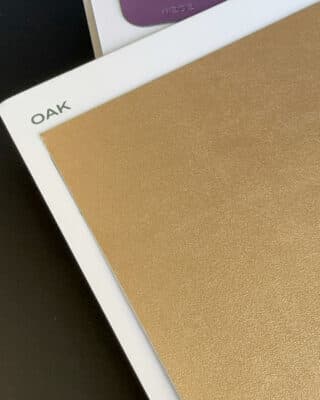
- LIGNIFYLignify is a patented, plant/bio-based leather alternative made from lignin; a waste material and byproduct of the paper industry. This innovative material offers exceptional performance with features such as flame-retardancy, antibacterial properties, UV absorbency, and durability, serving industries such as fashion, automotive, marine, aviation, toy, packaging and architecture.
- LigNo PlasticLigno Plastic is an innovative material developed by TECNARO as part of the LignoLight research project, funded by the Federal Ministry for Economic Affairs and Climate Action in Germany. Composed of lignin, a byproduct derived from the cellulose and paper industries, as well as biorefinery processes, this material is 100% home compostable. While still in the research phase, it is available in different compositions, with bio-based content ranging from 30% to 50%, with the remainder being fossil-based.
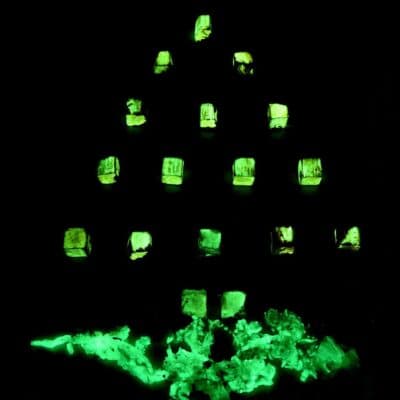
- Glow-in-the-Dark Wood Offers Sustainable Lighting SolutionsImagine a wooden deck, fence, or even an interior feature that lights up automatically at dusk, without relying on traditional energy sources. Thanks to…
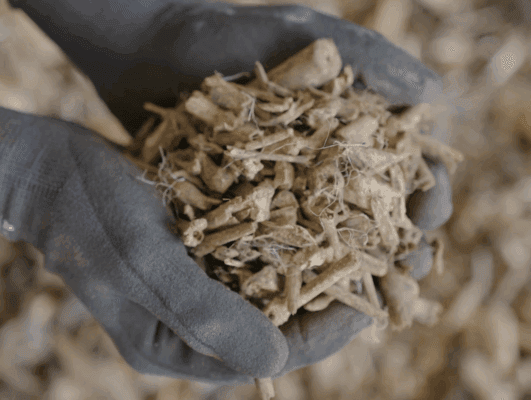
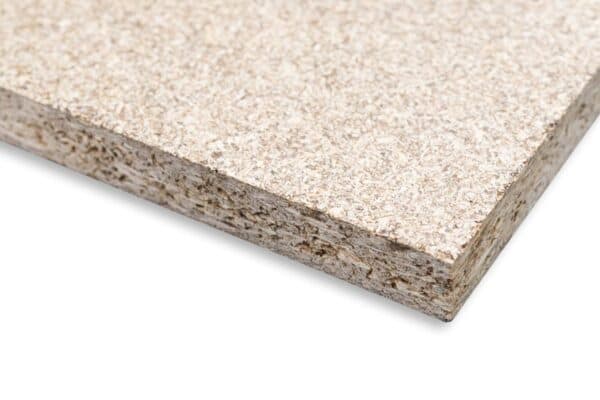
- Zero furniture panelZero furniture board is a new type of interior board in which the fossil binder has been replaced with a renewable wood-based binder, lignin. The wood raw materials for Zero board come from the side streams of Koskisen’s manufacturing processes.
- 3D printing wood that looks like the real dealUS-based start-up Forust developed a method to 3D print sawdust into objects which look and feel as if they were cut from the actual…
- 100% renewable transparent woodResearchers at the Swedish KTH Royal Institute of Technology developed the first transparent wood without the need for fossil-based materials that is 100% renewable.…
- Passively cool your house with woodResearchers at the University of Maryland and the University of Colorado in de US harnessed nature’s nanotechnology to create a type of engineered wood…
- The world’s first microbe-grown headsetExperimental science collaboration Korvaa developed a headset made exclusively from microbially grown materials. Synthetic biology (synbio) is a rapidly developing that enables the design…
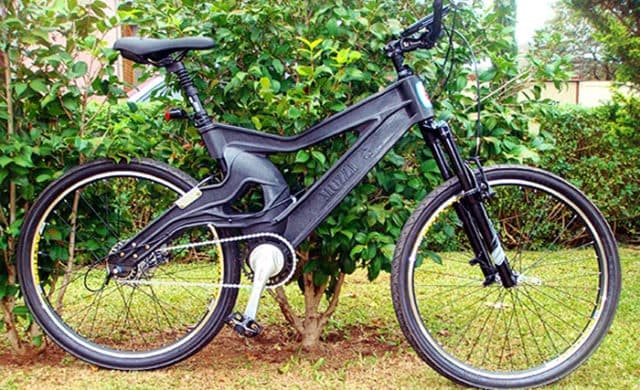
- Sustainable bikes made of recycled plastic, bamboo and woodWhile bicycles made of steel are still the norm, bike using alternative and more sustainable materials are up and coming. We listed a few…