Search
82 results for “textiles” in materials
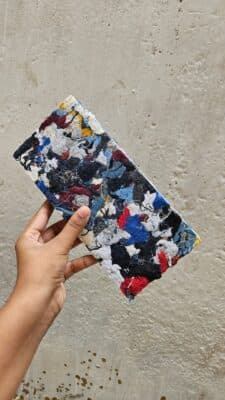
- Circular Textile BoardStelapop textile board is textile chopped into particles and pressed into boards. The material is considered as a high to density material that can be constructed into lifestyle and office furnitures, tops and decorative interior. The material surface has coated to serve surface durability and wearability functions.
- Textile brickThe textile brick is a sustainable and eco-friendly building material made from recycled textile waste and natural binders. It offers thermal insulation, sound reduction, and good mechanical strength, making it ideal for indoor applications. By utilising waste textiles, this project helps reduce landfills and contributes to a more eco-friendly environment.
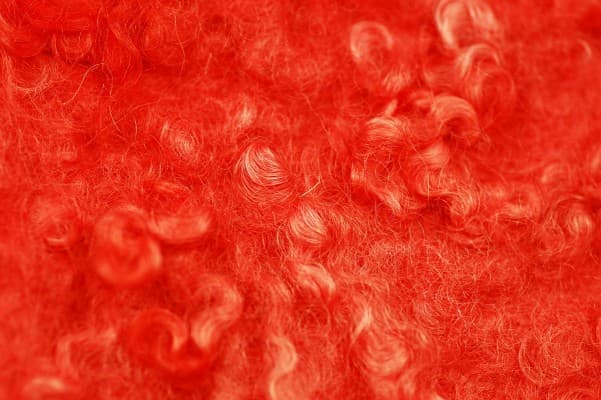
- Felt textilesThe wool for Claudy Jongstra’s felt textiles comes from her own flock of rare native sheep. She has succeeded in developing an industrial technique for the felting process. Her textiles are unique and highly varied. The raw materials may include wool, linen, cashmere, camelhair and silk.
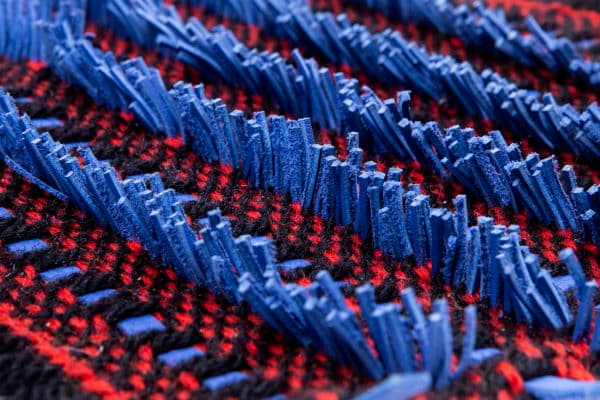
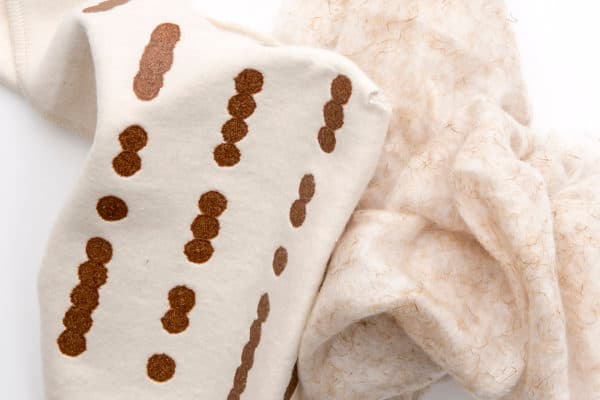
- Compose handwoven textileCompose is a material research in hand weaving. Designer Lio de Bruin explored this traditional technique to design contemporary materials for the interior. This series of materials include a textile in which leather fringed stripes are combined with a woven wool colour melange. The tangible textiles can be translated into exclusive rugs or wall hangings.
- Standing textilesThe strong and sturdy structure gives the suggestion of a solid volume, but the lack of support and hollowness make them seem on the edge of breaking. The volumes are built up, thread by thread, on a custom-made weaving loom.
- Paper textiles handmadePaper Textiles Handmade are designed and handicraft by Dutch designer Marian de Graaff. They are made with natural paper yarns, creating a collection structures by using different hand techniques and finishes. Inspired by the natural light and stillness of Northern landscapes. The Handmade Paper Textiles can be used for interiors, wall covering, clothes, bags and decorative use.
- Pine needle textileTurning the pine needle into a useful form for the textile industry harbours huge potential. Pine is the second most common type of tree in Germany, after the spruce, so there is no shortage of pine needles. The use of pine needles has another significant benefit, namely the essential oils in pine needles that keep insects such as moths at bay.
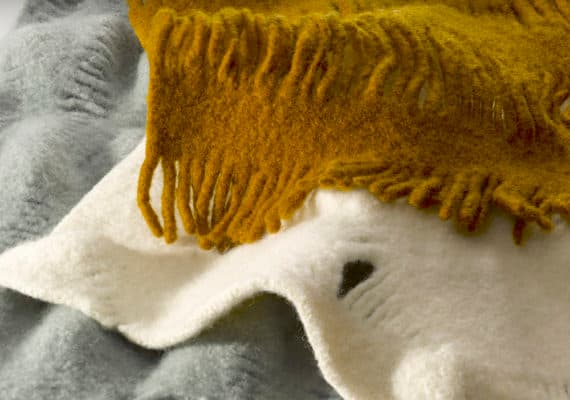
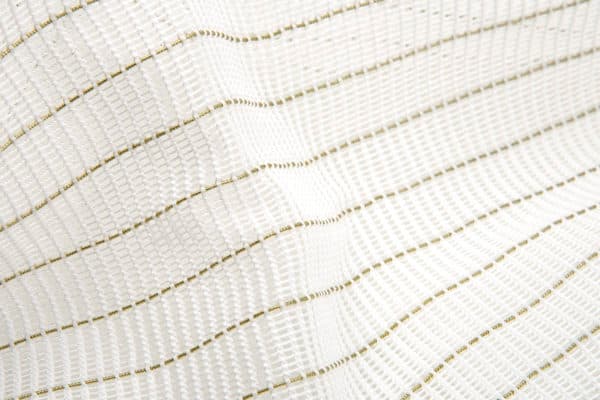
- Acoustic TextileMade of 100% wool, this acoustic textile is not only sound absorbing, but also brings tactility, colour and visual separation to spaces. Typical applications include its use on interior walls, ceilings, room dividers and floors. Naturally fire resistant, this textile is available in Ecru, Mint and Gold colours with the possibility for custom colours also.
- Wood Fibre TextilesTextiles made of wood include Tencel, Viscose, Lenzing FR and Lenzing Modal. Tencel is more absorbent than cotton, softer than silk and cooler than linen. Viscose is naturally botanic, absorbs moisture well and is pleasant on the skin. Lenzing FR offers protection from different kinds of heat: fire, radiant heat, electric arcs, molten metals and flash fires. Lenzing Modal is extracted from beech wood.
- Bcomp TextileThe most viable structural fibres used in these architectural textiles typically derive from specifically grown textile plants and fruit trees. Natural fibres are subdivided into bast fibres (flax, hemp and kenaf) and leaf fibres (sisal, pineapples and henequen), grass fibres (miscanthus), straw fibres (corn and wheat), seed fibres (cotton and capok), wood fibres (pinewood) and fruit fibres (coconut).
- Upcycled Rice Straw TextilesThe project addresses the environmental impact of parali—rice straw residue left after harvesting. Rather than being incinerated, the rice straw is upcycled into biodegradable and compostable textiles. Parali by Aarushi works directly with farms to reduce transport-related carbon emissions and follows a circular production system in which manufacturing offcuts are reused to produce tags, paper and packaging materials.
- Industrial TextilesThis company has the capabilities to produce composite textiles such as glass fabric for RTM and closed mould activity, knitted fabrics and 3D spacer fabrics for the automotive industry and woven nylon engineered for timing belt reinforcement.
- Mushroom TextileMushroom-based textiles are thin, foam-like fabrics that offer a wide range of application opportunities. The innovative material permits light to pass through, making it an ideal solution for lighting applications and creating a one-of-a-kind experience. These textiles can provide a unique naturalistic finish to wall surfaces, serve as a sustainable packaging solution in place of PE foams, and even find applications in the fields of fashion and clothing accessories.
- Electrical Heating TextileEmploying Litex's own Conductive Metal Yarn (CMY) into textile, they created the Electrical Heating Textile. It is designed to be a mobile heating solution using DC power. With the specialised production technology, Litex can manufacture flexible and durable electric conductive yarns for various applications.
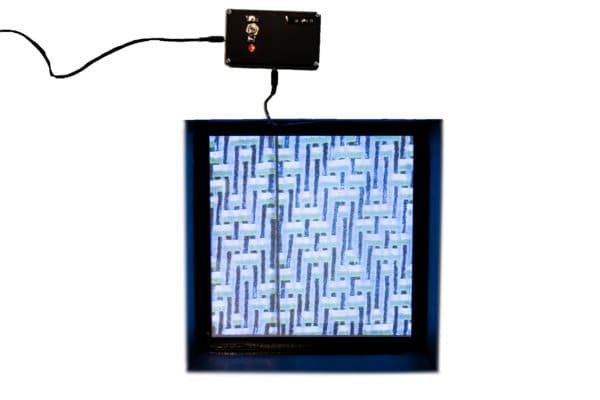
- Electroluminescent textilesIn this research, the aim was to explore the materiality of light through a textile design perspective. These electroluminescent prints consist of a transparent electrode, printed first in pattern with a phosphor paste, then a ceramic dielectric layer, and finally a second electrode. When alternating current is applied through the electrodes, the phosphor illuminates.
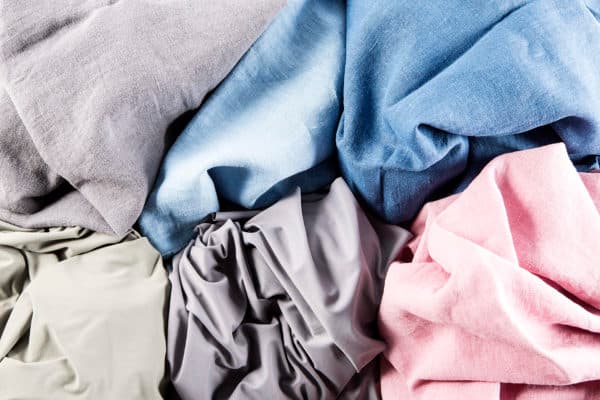
- Natural textile dyeNatural textile dye uses dyestuff extracted from plants and animals like trees, flowers, etc. The dyes are won from exclusively natural non-edible materials like stems, skins and roots of plants. The plants include Natural Indigo, Gallnuts, Madder Root, Lac, Pomegranates, Himalayan Rhubarb, Myrobalan and Catechu. Not all fabrics are suitable for natural dyeing.
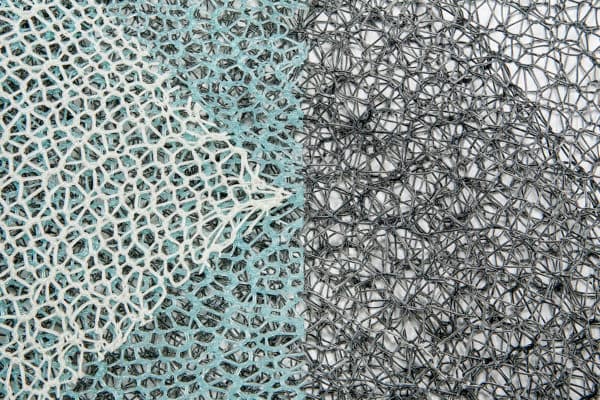
- Textiles ‘INSECTED’This textile by designer Barbara Medo is inspired by skeletal structure of dragonfly wings. The material consists of a thermoplastic polyurethane (TPU) with a core of polyester. This yarn is knitted by hand or by machine. The whole is placed under tension and then pressed with heat, giving the material is given its final shape.
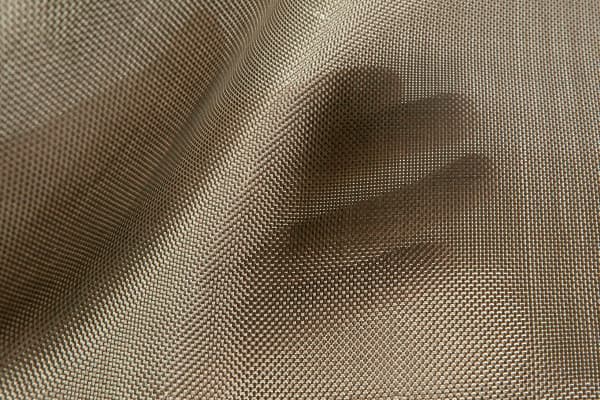
- Basalt Woven TextileTextile made of natural stone? Yes, it is possible! The basalt is melted at a temperature of 1,400 °C. The molten rock is then extruded into filaments of basalt fibers. The tensile strength is more than twice the tensile strength of steel. Basalt Woven Textile has high corrosive and chemical resistance to the influence of a corrosive media: salt solutions, acid solutions and alkali liquids.
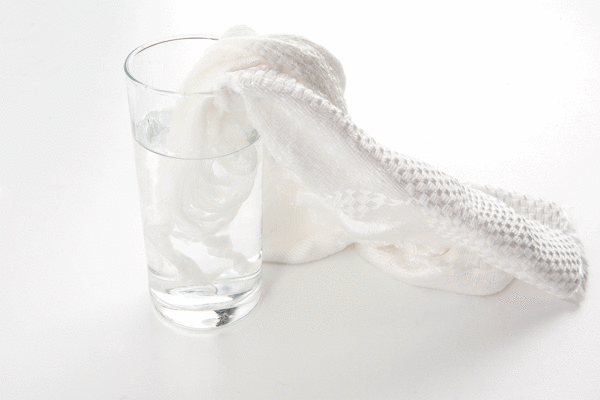
- Soluble TextileThis soluble textile was specially developed by Dutch fashion designer Jef Montes as a spectacular opening piece on the runway. The model threw a drenched cloth around her shoulders, at which point the dress she was wearing began to dissolve and melt down her body, revealing a dark dress beneath. The melting of the first layer appears like an abstract oil slick.
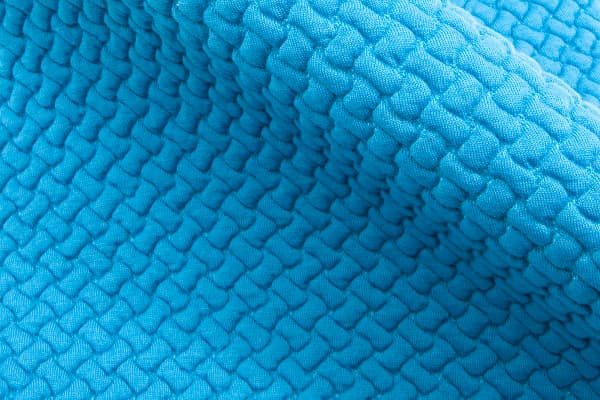
- Stretch 3D textileStretch 3D Textiles is a collection of knitted fabrics made of wool. Knitting gives the fabrics three dimensional and tactual structures. Using wool as a natural and durable fiber means it meets the specific requirements for both home and contract markets. All fabrics are on stock and available in lengths from 1 m. Stretch Textiles are distinctive because of their knitted construction, which results in a natural stretch.
- Modular TextilesAmsterdam-based artist Iris Nijenhuis creates innovative modular artworks using textile as her main material. Through a self-developed technique, she transforms fabrics into laser-cut modular forms that are carefully assembled by hand, without stitches or glue. This unique construction system combines craftsmanship and innovation, allowing each piece to move, adapt, be repaired, and change into countless variations.
- PSYCHEDELIC TEXTILESPsychedelic Textiles is a bio-based material collection designed for sustainable applications in interior and architectural spaces. It is intended for use in high-end architectural projects, including luxury hotels, museums, and large-scale installations, where both aesthetics and environmental considerations are essential. Psychedelic Textiles is an ongoing material research project exploring the intersection of natural materials and design innovation.
- Root TextileRootfull unites design with biology and reconnects humanity with Nature. It’s a pioneering venture that grows wheatgrass into templates carved from beeswax to create lamps and acoustic wall hangings from root. The textile is grown simply with wheatgrass seed and water to create a material that is woven entirely by Nature.
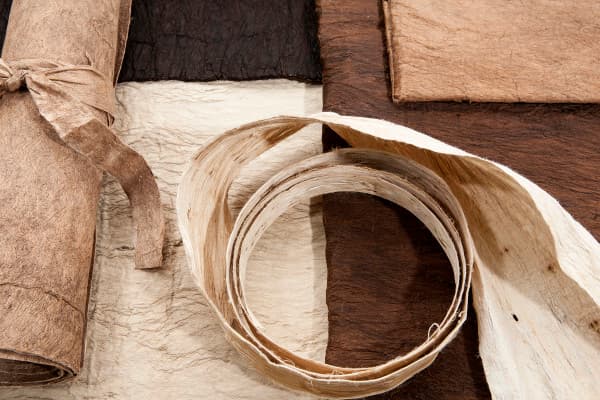
- Wooden TextileThe basic material for “wooden textiles” is taken from the mulberry tree, the cambium. A tapa is a soft and flexible wooden cloth that Tongans use for rituals like weddings and funerals. The basis for the ancient craft of tapa-making is the cambium of the paper mulberry tree, a thin layer of fibers between the bark and the wood of the tree.