Search
76 results for “ceramic” in materials
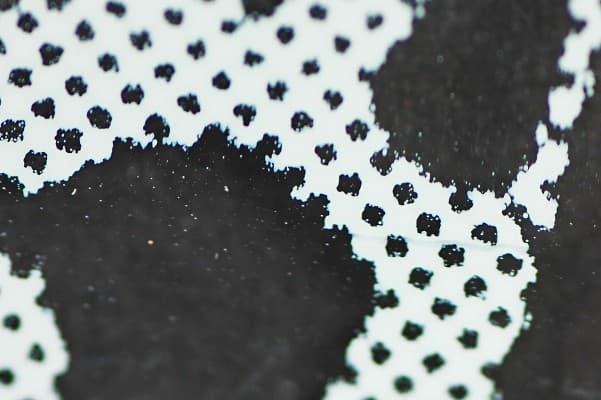
- Ceramic PrintThis ceramic printed glass panel is made by an industrial direct-on-glass digital printer. Special ink compositions are used for long lasting glass printing, which include micro- particles of glass. The fixation of the printed image is made by firing the printed glass in a furnace. The exposure of the ink to high temperatures causes the glass micro particles to melt, thus affixing the ink pigments into the printed glass surface.
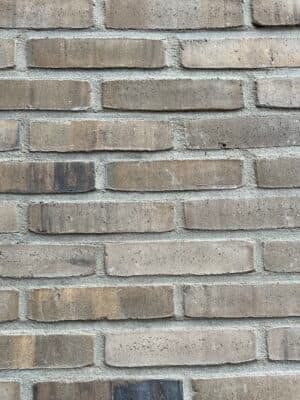
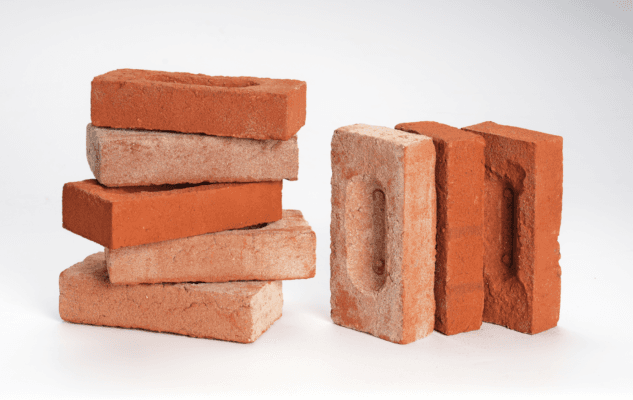
- Ceramic Facing BricksRodruza ceramic facing bricks are high-quality façade bricks manufactured in the Netherlands. The bricks are produced from carefully selected natural clays and mineral raw materials and are kiln-fired to achieve durable, colour-stable performance. Depending on the chosen range and finish, the bricks are available in a variety of textures, colours, and dimensional formats. Shown here are Maas and Maas Rockface.
- Clean Air City Ceramics – waste glazesFrom 2017 SCJ started looking into the possibilities of integrating waste materials in the glaze recipes, besides the already known custom of reusing leftover material from the production process. The glaze of Clean Air City Ceramics is composed with captured particulate matter from industrial working environments.
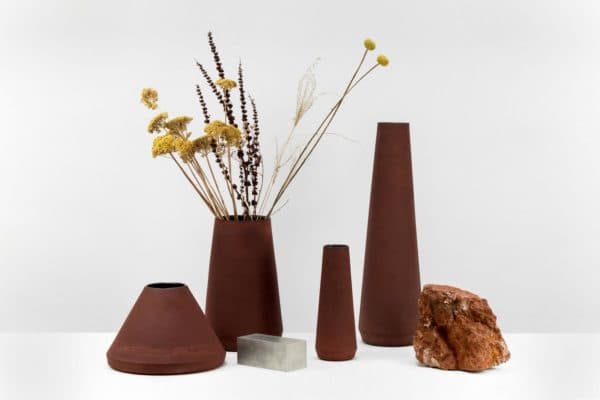
- Bauxite Residue ceramicsRed Mud, a.k.a. bauxite residue, is a waste of the alumina industry. For every part of aluminium made, two and half times more red mud is also produced. Working with factories and research labs, the industrial residue is transformed into ceramic bodies and glazes fit for architectural use.
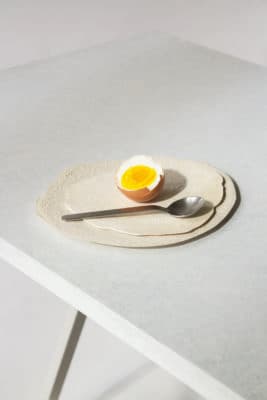
- Eggshell CeramicAtelier LVDW developed a biodegradable but strong material out of the eggshells which can be a sustainable replacement for single use plates. The material can easily be recycled into calcium water, which can be used as a nutrient for lime-loving plants. This project creates an extra “dot” in this materials lifecycle. The studio designs decorative art objects and planters with this material.
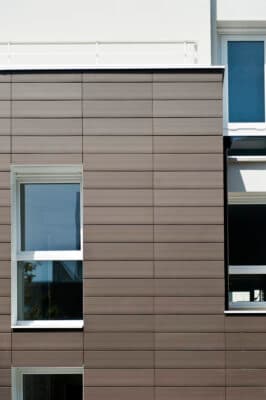
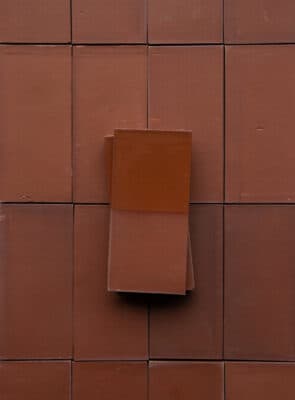
- Ceramic Wall CladdingThe Zephir is a single-skin cladding product whose lightness makes it relatively easy and economical to install. The open joints ensure that the facade remains well ventilated. Borreal is the double skin impact-resistant variety.
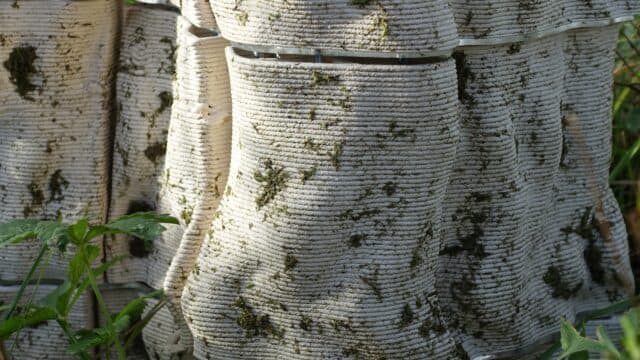
- Bio-receptive 3D printed ceramicsThis material merges traditional craftsmanship with advanced technology, using natural, recyclable clay and living moss to create sustainable, functional, and visually captivating surfaces. The process begins with 3D printing, powered by parametric design, which enables the creation of intricate, customized geometries that would be impossible to produce through traditional methods.
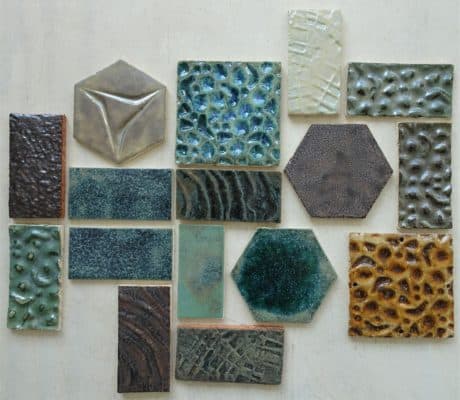
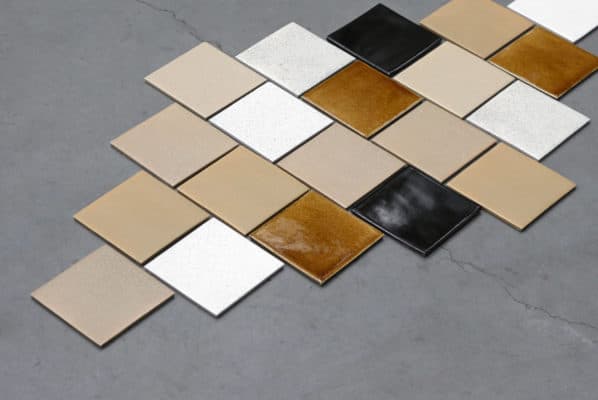
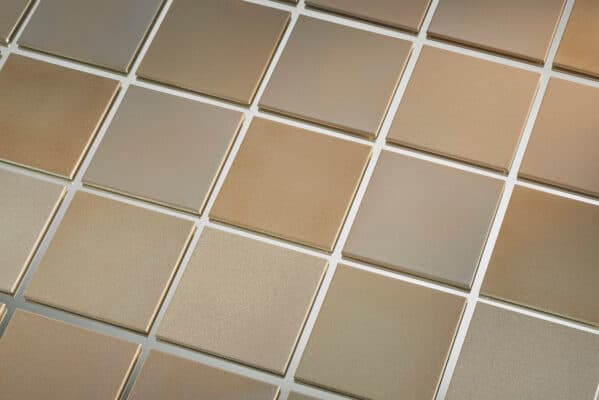
- Ignorance is Bliss ceramic tilesIGNORANCE IS BLISS is an ongoing project about reincorporating the value of metal waste by applying it as a pigment from industries such as drinking water supply and soil remediation into new valuable products and methods. As a result of broad-scale material research and prototyping, one outcome is ceramic tiles, which are coloured purely using 100% industrial metal waste.
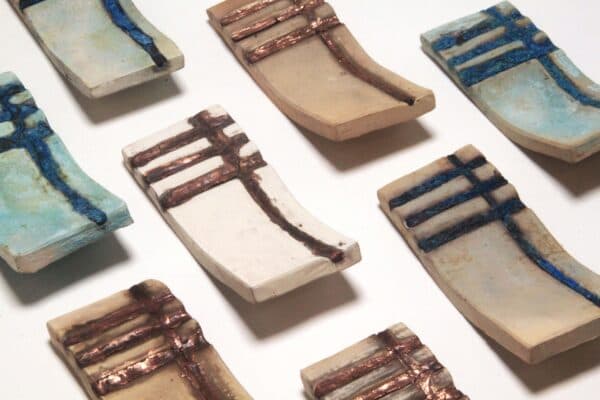
- Terra alchemyTerra Alchemy is an ongoing material research examining the inherent relationship between clay and metal and the unexpected possibilities it holds. Shown here is a ceramic tile utilising discarded oxidised metal and a ceramic tile combined with copper integrated into them by using ‘metal clay’ metal powder combined with an organic binder that disintegrates in the firing and leaves a fully sintered metal that can be used for conducting heat or electricity through ceramic bodies.
- Biofuel Waste is BlissThe Biofuel Waste is Bliss project redefines the use of ashes from bioenergy waste streams, creating new environmentally-friendly materials and architectural products, such as ceramic glazing for tiles and bricks. By incorporating up to 55% ash content in ceramic glazes and clay bodies, the project aims to replace the need for newly extracted materials while reducing the industry's CO2 footprint.
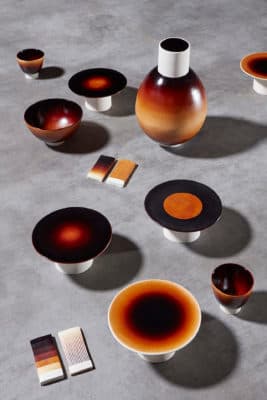
- Ott (natural resin, lacquer) porcelainGlazed ceramic pieces are not recyclable for their re-production and they mostly end up in a landfill. Seok-hyeon Yoon searched for alternative glazings and found out “Ott” known as Korean traditional lacquering material. It’s a natural resin from the Ott tree and was widely used as glazing for woodenware in the past. To glaze Ott on the ceramic surface, it doesn’t need to be baked as it just drys out.
- Multiple Reading Glazes – complexityDefining elements of modern international architecture, of which a few examples are shown here, focusing on the effect of multiple layers in glaze application. The possibilities are infinite.
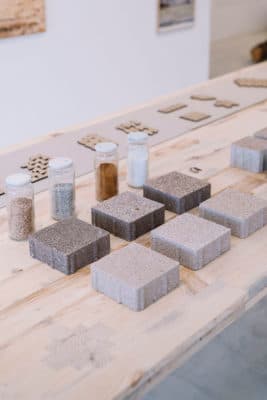
- Hygroscopic MortarThe great hygroscopic and draining properties of this material allows a high level of water filtration and lets water to naturally seep into the ground, or be captured and retained in lower layers for subsequent reuse or controlled drainage. The material consists of 85% recycled ceramics and stone, bonded with white cement, all sourced locally in Mallorca.
- Magoxid-coatThe MAGOXID-COAT® layer is a crystalline oxide ceramic with a high content of extremely resistant compounds such as spinels, e.g. MgAl204. The plasma-chemical process produces oxide ceramic layers, which, in addition to providing a high level of protection against wear and corrosion, also meets other requirements such as hardness, uniform layer formation, fatigue strength, dimensional accuracy and temperature load capacity.
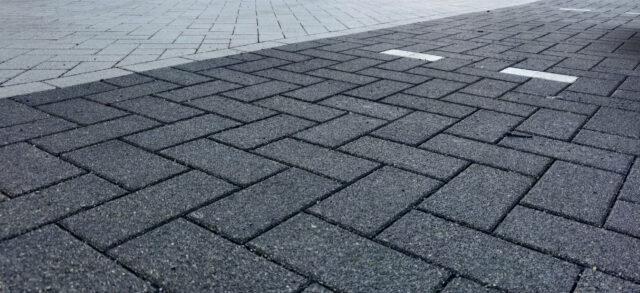
- ZOAKWater-permeable ceramic pavers and pavement tiles made from waste from ceramic tile production.
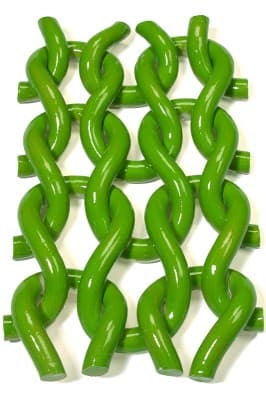
- Knitted WallsCeramic wall finishes are generally known for providing a hard sealed surface: what Gonette Smits (Studio Muurbloem) was looking for was ways of using ceramics to give a wall tactile value. She therefore produced twelve prototypes of knitted material on the theme ‘Knitted walls’.
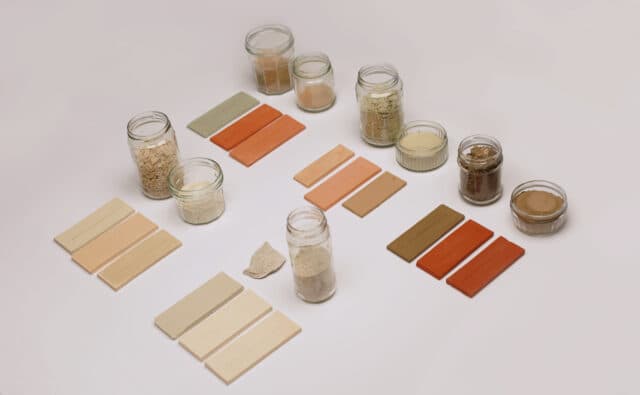
- Terres émailléesThis project transforms this excavated soil and demolition waste into glazed ceramic tiles. These excavated materials, such as clay, marl, sand, limestone, as well as demolition debris like bricks, granite, and glass, find a new purpose. Glaze recipes have been formulated by mixing finely ground waste materials in specific proportions. Clay body recipes have been developed using excavated clays and marls.
- CicloBrickFor the sustainable production of the CicloBrick, the renewable raw material clay is used in combination with ceramic residual material, which is 'harvested' by New Horizon from donor buildings to be demolished, and manufactured by Wienerberger. This special method contributes to the reduction of ceramic demolition waste and the prevention of waste. New Horizon uses sustainably sourced Dutch river clay as the basic raw material.
- KerAionUsed worldwide for decades, the KerAion facade system offers – besides low weight and special fastening technique – alternatives to the otherwise quite usual…
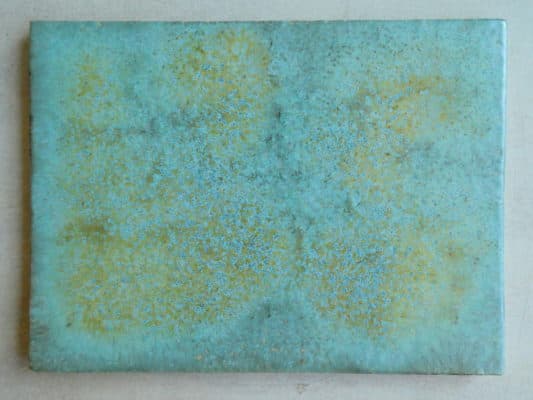
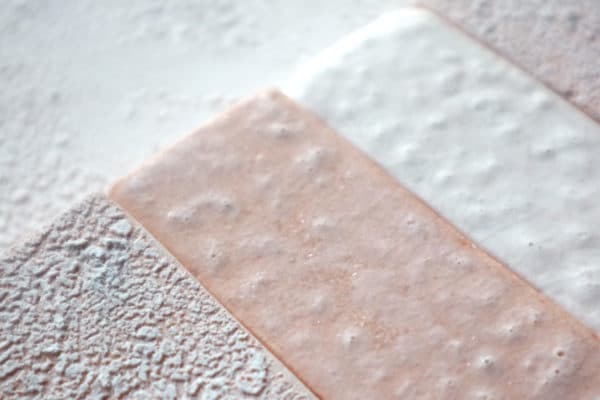
- Sky blue 3D TilesThe white to sky-blue glaze is made from a layer of glass. The glass is composed of a mixture of non-organic minerals: metal oxides and silicates. This is mixed with water to form a liquid, which is then poured over the moulded ceramics. Alternatively, products can be immersed or sprayed with the glaze.
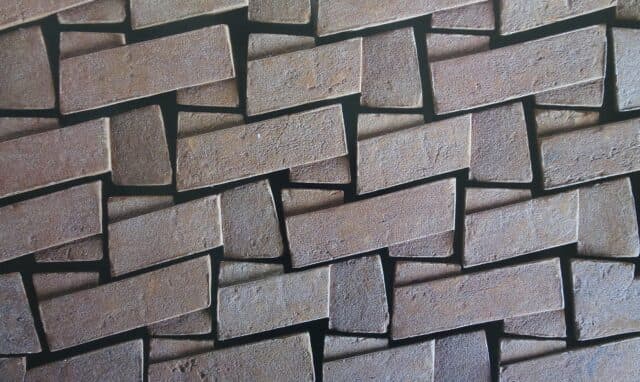
- JEWEL BRICK – Knit brickSix basic shapes that, in varying compositions, lead to infinite combinations, creating walls with a surprising relief that dazzles the eyes. Playful observations stimulate perception. The application of glazes can add an extra layer to this. This way of designing is not about an individual stone. It is about the many combinations that contain the possible compositions to create walls that resemble a warm sweater that makes you feel cherished.
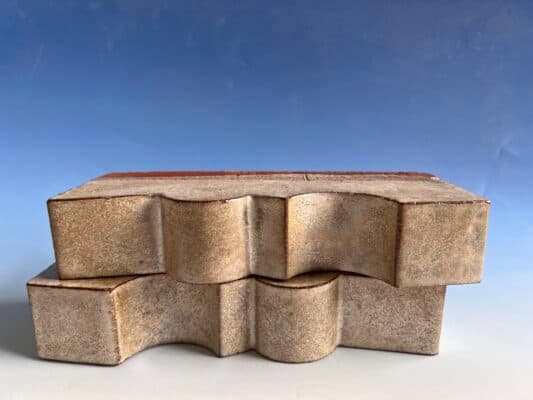
- JEWEL BRICK – StormThese relief bricks create an undulating surface that can be ordered from calm to dramatic. In the shift, relative to each other, a movement is created that is associated with heavy waves. The playful stacking of relief stones creates changing views from different angles and thus different experiences. In doing so the emphasis is on the use of our senses.
- Oer TilesIn this project, designers Kirstie van Noort and Lotte de Raadt developed new ideas for the use of iron sludge in ceramics and tiles. Iron sludge is a residual waste product from water production in the Netherlands. The designers ended up in developing a line of wall tiles in different shades that can be used in sustainable architecture.
- Urine-GlazeSinae Kim, as a researcher-practitioner, investigates the potential of the inorganic components in urine-minerals - as an alternative resource to glaze in the ceramic industry, which normally uses metal oxide glazes that have the potential to cause metal poisoning. Her first work was presented as a ceramic collection called Urine Ware, that featured a series of vessels inspired by the shape of the human bladder and laboratory flasks.