Search
174 results for “ceramic”
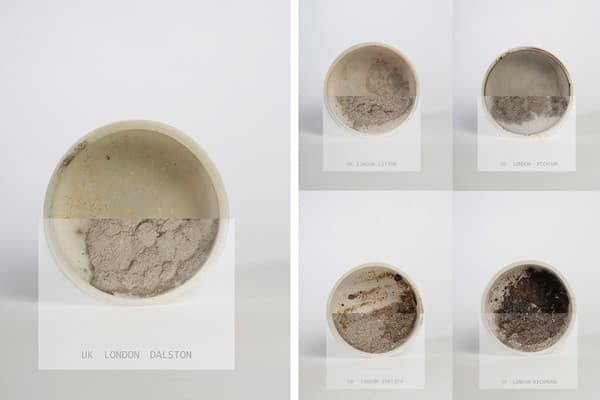
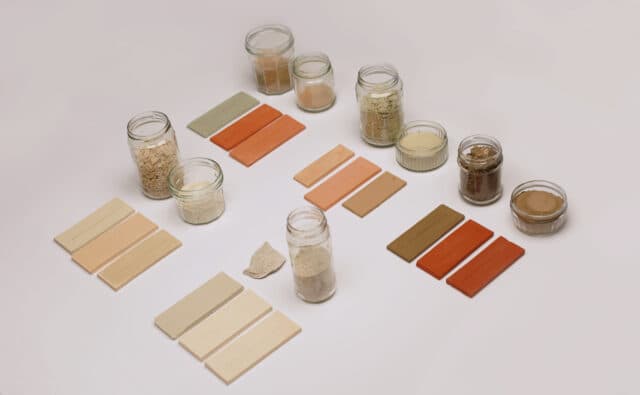
- DUST MATTER(s)DUST MATTER(s) is a case study by Lucie Libotte that examines a common discarded matter - domestic dust - to innovate a new type…
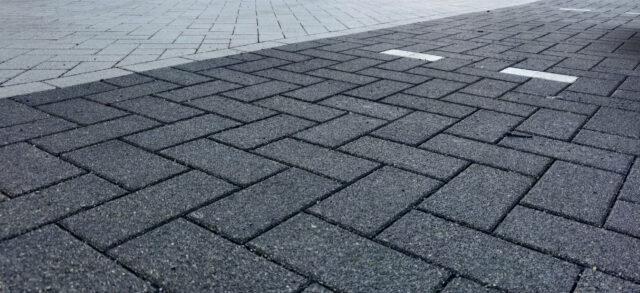
- ZOAKWater-permeable ceramic pavers and pavement tiles made from waste from ceramic tile production.
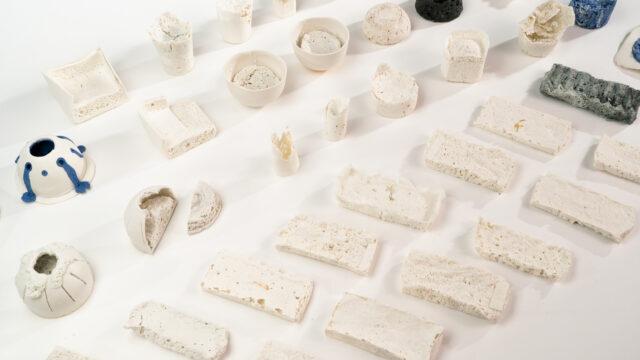
- Directly Foamed Porcelain Becomes Water Filter and Acoustic PanelCharlotte Becker and Eva Conci foam porcelain slip directly, without a plastic template, and test the lightweight, porous result as a water filter and a moisture-resistant acoustic panel.
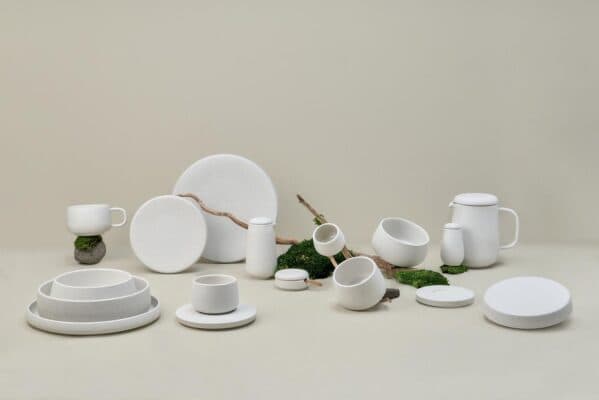
- Transforming Bali’s River Waste into Design ObjectsDesigner and material researcher Sara Howard, together with Kevala Ceramics, has launched two projects that turn Bali’s river waste into sustainable design objects. With…
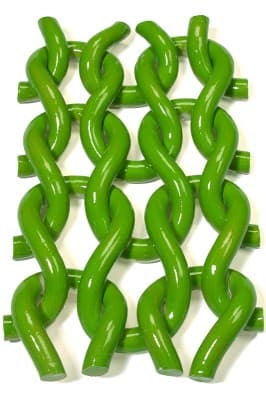
- Knitted WallsCeramic wall finishes are generally known for providing a hard sealed surface: what Gonette Smits (Studio Muurbloem) was looking for was ways of using ceramics to give a wall tactile value. She therefore produced twelve prototypes of knitted material on the theme ‘Knitted walls’.
- Terres émailléesThis project transforms this excavated soil and demolition waste into glazed ceramic tiles. These excavated materials, such as clay, marl, sand, limestone, as well as demolition debris like bricks, granite, and glass, find a new purpose. Glaze recipes have been formulated by mixing finely ground waste materials in specific proportions. Clay body recipes have been developed using excavated clays and marls.
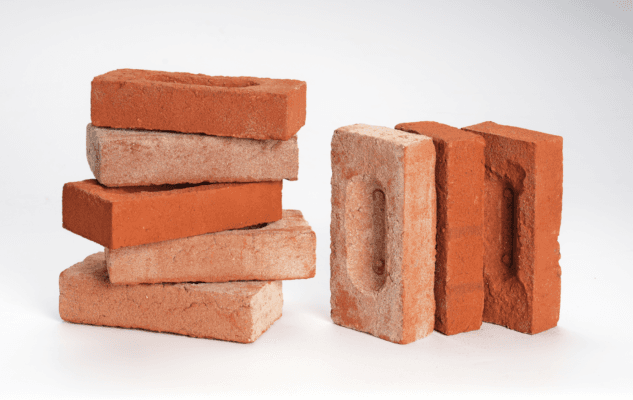
- CicloBrickFor the sustainable production of the CicloBrick, the renewable raw material clay is used in combination with ceramic residual material, which is 'harvested' by New Horizon from donor buildings to be demolished, and manufactured by Wienerberger. This special method contributes to the reduction of ceramic demolition waste and the prevention of waste. New Horizon uses sustainably sourced Dutch river clay as the basic raw material.
- Agrob BuchtalThe history of Agrob Buchtal dates back into the 18th century. Today, it is a global player firmly rooted in the traditional market of…
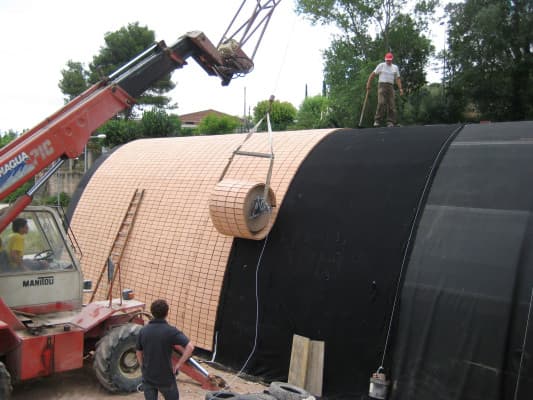
- Flexible Brick?Flexible brick? Apparently it is possible! Known as 'Flexbrick,' this concept is the materialization of an idea of architect Vicente Sarrablo, director of the…
- KerAionUsed worldwide for decades, the KerAion facade system offers – besides low weight and special fastening technique – alternatives to the otherwise quite usual…
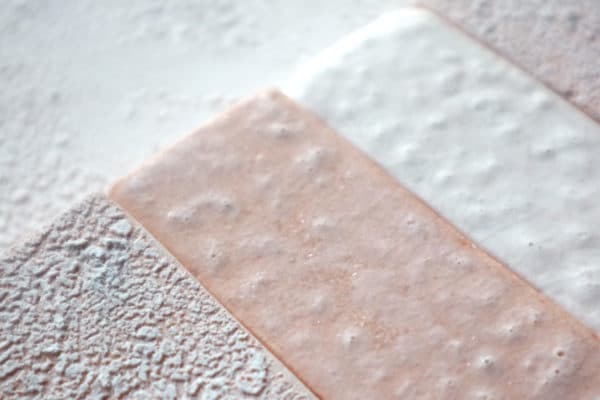
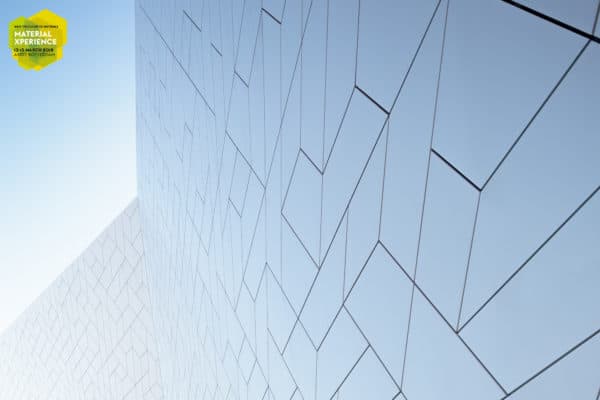
- Sky blue 3D TilesThe white to sky-blue glaze is made from a layer of glass. The glass is composed of a mixture of non-organic minerals: metal oxides and silicates. This is mixed with water to form a liquid, which is then poured over the moulded ceramics. Alternatively, products can be immersed or sprayed with the glaze.
- The fabric of architectureWe associate textile mainly with fashions. The textile industry does however have numerous other applications. The book Technotextiles reviews the most recent developments in…
- Re-Tile System by Mosa and Ardex: Circular Tiles for a Sustainable Built EnvironmentMosa and Ardex have joined forces to develop the Re-Tile System, an innovative circular tile solution that allows ceramic tiles to be removed and…
- Daon: Giving Waste Pottery a Second LifeA design team from Kyung Hee University’s Living Product Design class in Seoul, consisting of Jungeun Kim, Chaeyeon Yoo, and Mingi Cho, has created…
- JEWEL BRICK – Knit brickSix basic shapes that, in varying compositions, lead to infinite combinations, creating walls with a surprising relief that dazzles the eyes. Playful observations stimulate perception. The application of glazes can add an extra layer to this. This way of designing is not about an individual stone. It is about the many combinations that contain the possible compositions to create walls that resemble a warm sweater that makes you feel cherished.
- JEWEL BRICK – StormThese relief bricks create an undulating surface that can be ordered from calm to dramatic. In the shift, relative to each other, a movement is created that is associated with heavy waves. The playful stacking of relief stones creates changing views from different angles and thus different experiences. In doing so the emphasis is on the use of our senses.
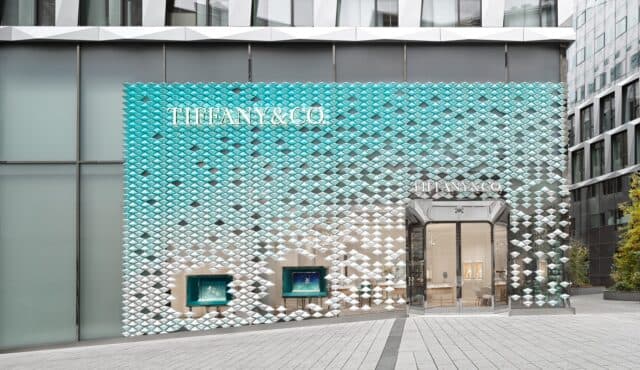
- Tiffany Façade Stuttgart: A Showcase of Craftsmanship and Material InnovationThe Tiffany façade in Stuttgart represents an ambitious and intricate collaboration between architecture, material innovation, and the legacy of Tiffany & Co. Designed by…
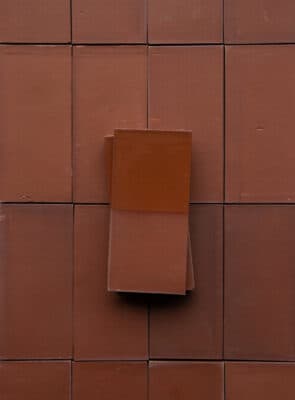
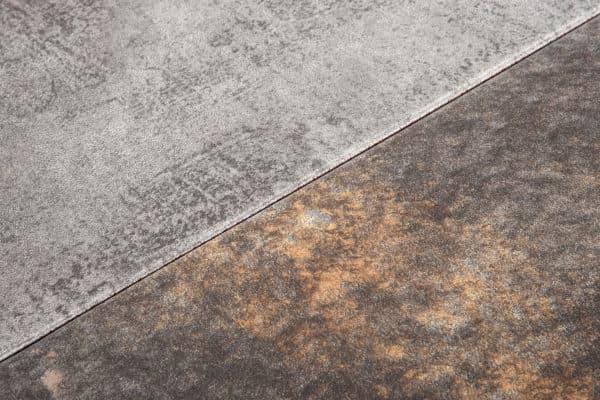
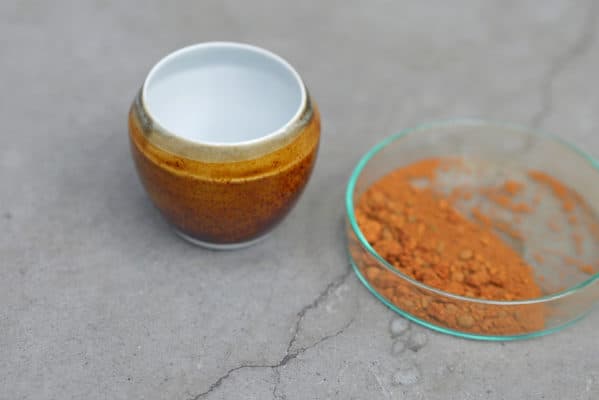
- Oer TilesIn this project, designers Kirstie van Noort and Lotte de Raadt developed new ideas for the use of iron sludge in ceramics and tiles. Iron sludge is a residual waste product from water production in the Netherlands. The designers ended up in developing a line of wall tiles in different shades that can be used in sustainable architecture.
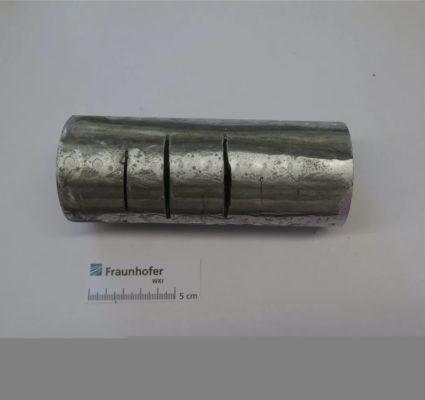
- Non-cuttable material inspired by grapefruits and seashellsResearchers at Durham University and the Fraunhofer Institute developed what they say is the first manufactured non-cuttable material. The engineers were inspired by the…
- Urine-GlazeSinae Kim, as a researcher-practitioner, investigates the potential of the inorganic components in urine-minerals - as an alternative resource to glaze in the ceramic industry, which normally uses metal oxide glazes that have the potential to cause metal poisoning. Her first work was presented as a ceramic collection called Urine Ware, that featured a series of vessels inspired by the shape of the human bladder and laboratory flasks.
- BorjaJet roof tilesBorjaJet roof tiles combine traditional ceramic roof tiles with inkjet printing. Using this technology, a wide variety of finishes is possible such as slates, woods, stones, marbles and oxides. The technology, used for the first time on roof tiles, allows the advantages of classic ceramic roof tiles with the look of another material, without the need, for instance, to cut down trees or quarry stone.
- Fascinating 3D printing filaments3D printing is the future of manufacturing, whether it’s in construction or for products. This production method deposits only the amount of material needed…
- Ignorance is Bliss project repurposes waste metal as pigmentsWith her ongoing Ignorance is Bliss project, designer Agne Kucerenkaite repurposes metal waste from industries as pigments to make new valuable products, including ceramic…
- Material Xperience part 1: Meet the future of architecture!Only six more weeks and Material Xperience 2018 will take place in Rotterdam Ahoy, the Netherlands! This year, we show you materials and special…