Search
16 results for “bioplastic” in materials
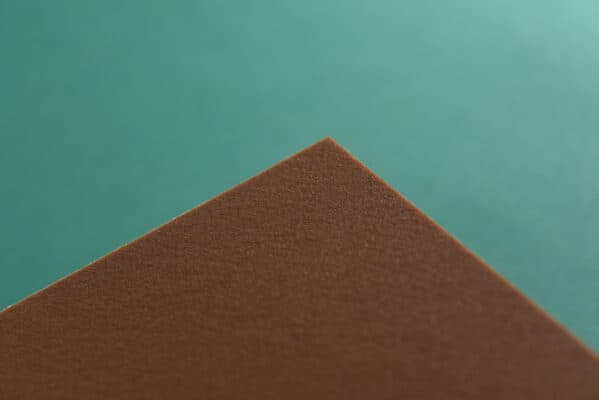
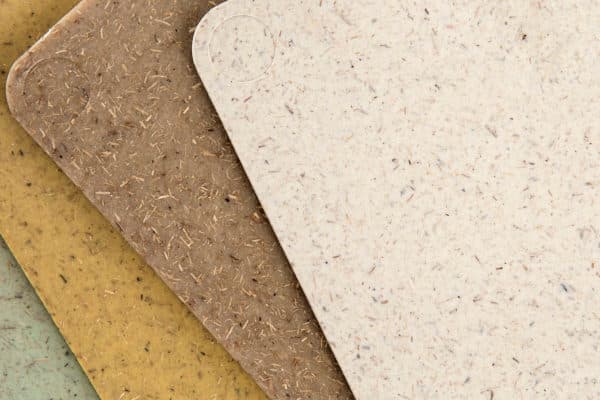
- StellanylStellanyl sheets are made from industrial hemp and PLA. Stellanyl is available in naturel, white and black. Stellanyl sheets are rigid and strong. The sheets can be printed, bonded with glue, cut, milled and lasered.
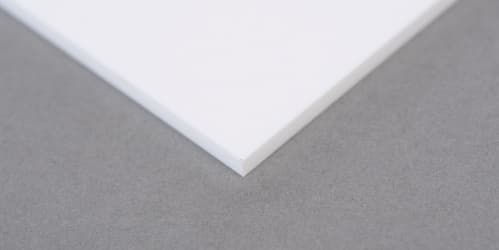
- MellanylMellanyl sheets are made from 100% PLA (poly-lactic acid/polylactic acid), a plant-based bioplastic derived from corn or sugarcane. Mellanyl sheets closely resemble polystyrene sheets and share some of the same properties. The sheets are easily printable. They can also be cut, drilled, bent, milled and laser-cut.
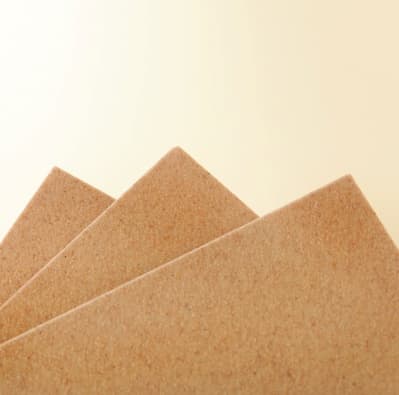
- FibernylFibernyl sheets are made from elephant grass fibers, starch, and PLA (poly-lactic cid/polyactic acid), a plant-based bioplastic derived from corn or sugarcane. Elephant grass is an extremely sustainable crop grown in the Netherlands. It captures four times more CO2 than trees, and no fertilizers or pesticides are used in its cultivation.
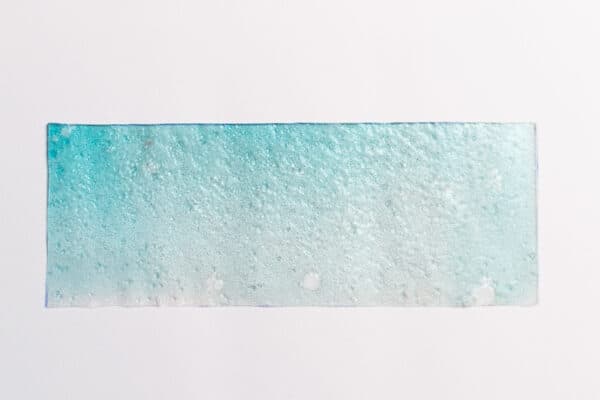
- Gelatine BioplasticThe gelatine bioplastic is light and flexible. The natural and original colour is yellow with transparency. When fabricated with tea, the yellow colour from gelatine will blend with the tea colour. It can assume different colours when pigments are combined with the yellowish base.
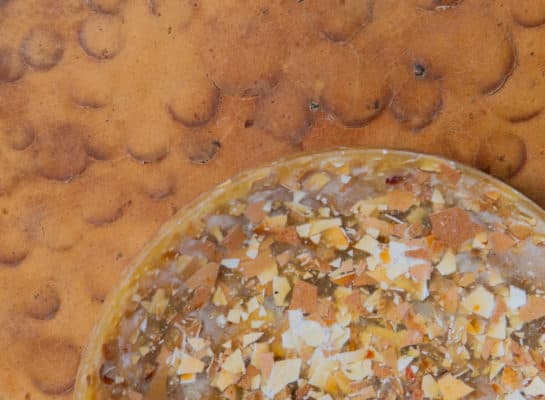
- Eggshell-based ceramics and bioplasticsEggshells, a globally abundant food waste, are increasingly recognized as a sustainable feedstock for innovative materials such as ceramics and bioplastics. Eggshell-derived calcium carbonate serves as a low-carbon alternative to mined limestone in ceramic production. Eggshells are also revolutionizing bioplastics as a biobased filler and biodegradability enhancer.
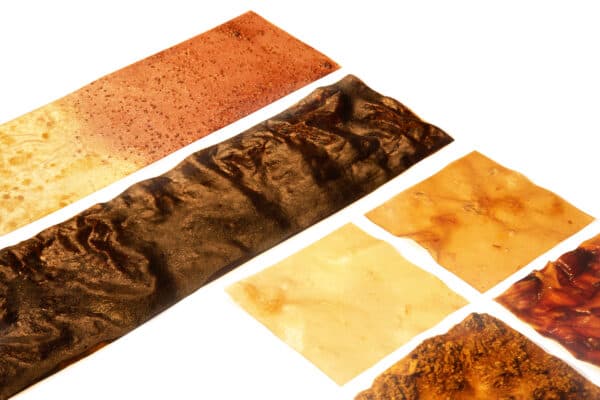
- Bioplastics from Organic WasteRotterdam based architect and designer, Anna Vershinina, has developed an extensive series of bioplastics made from organic waste. Depending on the ingredients, their concentration and preparation methods, one can create bioplastics with specific characteristics and sizes.
- Fantastic BioplasticFantastic Bioplastic is a product range produced from GMO-Free potato starch. The raw materials and environmentally friendly additives used are 100% compostable, biodegradable, recyclable and reusable. This product breaks into pieces under certain conditions of light, heat and humidity, ultimately disappearing without leaving toxic particles in the environments.
- Egg bioplasticTo address this shift of value and to generate awareness for the waste of eggs on an many scales but also for the consumption habits of the individual, in the project ‘How do you like your eggs’ expired egg whites and shells are thermoformed into bioplastic cups with zero additives. The b-stock and damaged eggs used for this project come from the organic farming project Geluksvogel.
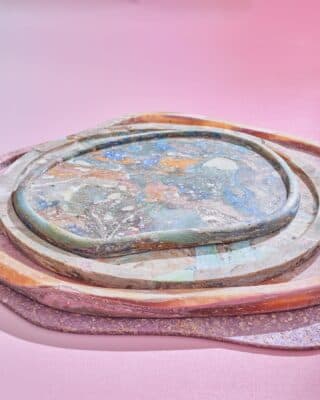
- Shell Homage bioplasticShell Homage transforms discarded egg & nut shells into biodegradable materials. The creative opportunities are endless, as Shell Homage can appear to look like glass, marble, rubber, or natural stones, but instead, the material is made from food waste. It is 100% compostable when no longer in use.
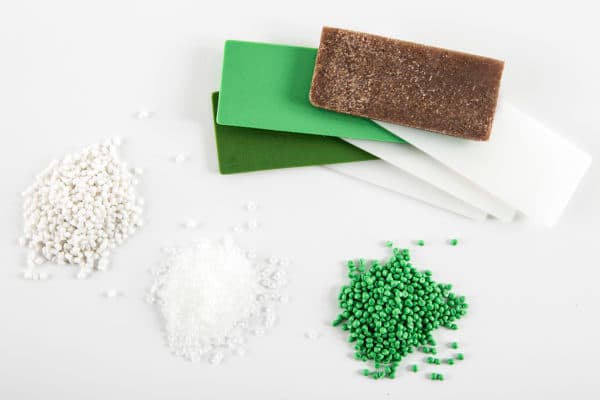
- ArboSkinA thermoformable bio-plastic. The free-formable material is made from renewable sources. It also contains minerals for UV-protection. It is produced as bio-plastic granules, which are extruded into sheets for exterior use.
- Biodolomer® TBiodolomer® T is a biodegradable and industrially compostable bioplastic for sheet extrusion and thermoforming. GAIA has achieved great success by adding minerals to its patented method. Biodolomer® T bioplastics can be broken down by microorganisms. In the process, the microorganisms emit enzymes which break down the polymer chains of the material into smaller molecular components.
- LOWIMPACTThe base matrix is a bioplastic of renewable origin, selected for its compostability, printability, and mechanical stability. This matrix is reinforced and characterized through the integration of different organic fillers, such as spent coffee grounds, orange peels, and grape skins, each contributing unique textures, colors, and material behaviors.
- VibersVibers is a 100% biodegradable starch-based biopolymer made from locally produced materials and reinforced with sustainably cultivated Miscanthus. The Miscanthus, a fast-growing plant that absorbs 4 times more CO2 than trees, is cultivated right next to the factory producing the bioplastic, while the starch is made from potato waste.
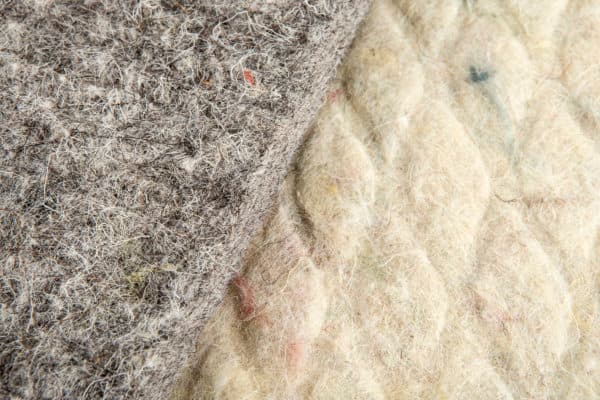
- Wool & biobased plastic CarpetDesigner Christien Meindertsma and natural fibre specialist Enkev have teamed up to create a material that combines the natural fibres of recycled wool with strong bioplastic fibres, making a new material that can be heat-pressed into various shapes. The Wool and Biobased carpet is a sustainable carpet.
- Bio-Thermoplastic elastomerDryflex Green is a family of thermoplastic elastomer (TPE) compounds containing raw materials from renewable resources such as plant and vegetable crops. The series consists of various types of bioplastic, with amounts of renewable content to over 90% (ASTM D 6866) with hardnesses from 20 Shore A to 50 Shore D. The material has properties comparable to TPE from fossil based raw materials.
- Bamboo fibresBamboo fibres have a high potential. Based on its density, its capacity to grow fast, its low carbon footprint and its mechanical properties, there are interesting business cases to grow bamboo locally and use it at a larger scale.This triggered Bambooder and its business partners to explore market opportunities for bamboo, especially for paint, composites, bioplastics, and 3D printing.