Search
16 results for “cardboard” in materials
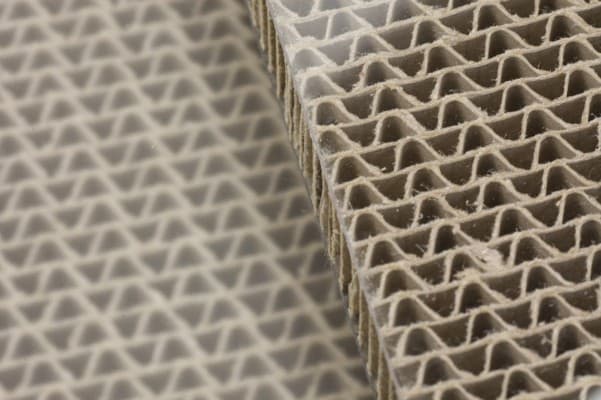
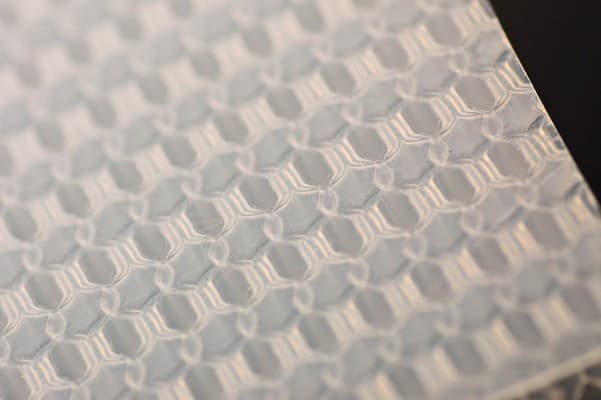
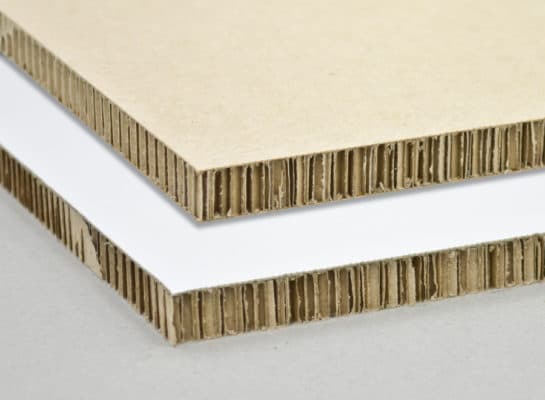
- EcobenThe honeycomb core of the Ecoben composite panel is made of recycled cardboard. Corrugated layers are laminated on both sides with co-polyester or acrylic resin, in clear or satin finish. Acrylic edges can be applied to finish the stiff and lightweight panels. Ecoben is suitable for indoor use.
- Sculptural MyceliumMycelium-based composite (MBC), composed of hemp shiv, shredded cardboard, wheat bran and reishi (Ganoderma Lucidum) millet grain spawn. The sample has been grown for 14 days before being released from its mould and allowed to grow further on the previously unexposed faces for 4 days. This creates a uniquely varied surface quality and texture; once dried, the front surface is more leathery, with orange and brown colouration and varied surface texture, while the edges and underside are white and soft like suede.
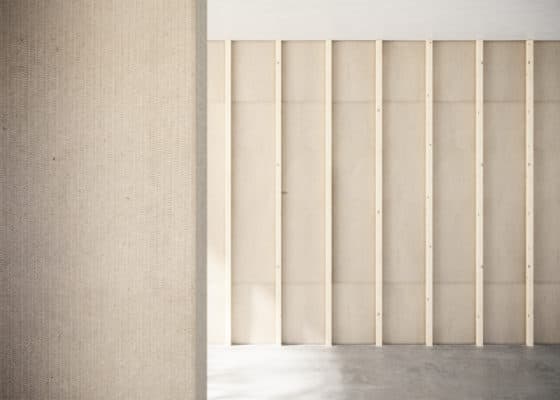
- ARCHISONIC® CottonCottonTex represents a unique approach to the sustainable use of materials. The first type features a standard ARCHISONIC® Cotton layer, offering a refined finish. The second type presents a rawer aesthetic. Both varieties are united by their composition, a blend of 60% cellulose and 40% recycled textiles. A product of the Impact Lab, Impact Acoustics' in-house experimental materials research.
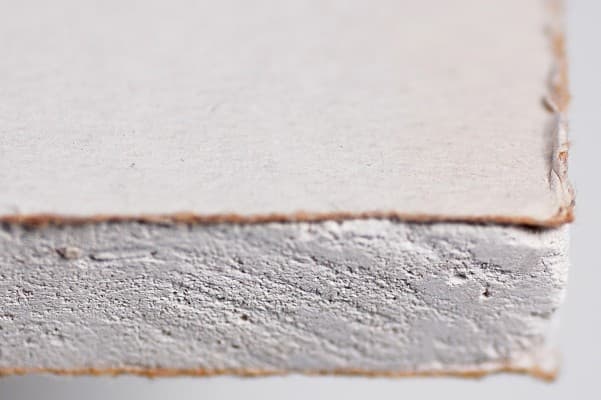
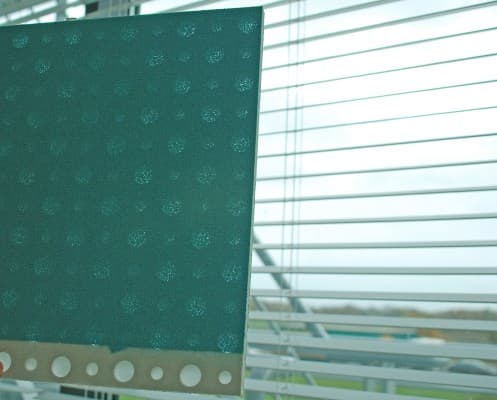
- CoatacousticCoatacoustic is made from perforated gypsum-cardboard panels on which an acoustic foil is mounted. The perforations serve as a passageway for letting sound waves through (absorbtion effect) and it forms the basis for the acoustic spray coating with which Coatacoustic is finished.
- Subli TechPhoto print on metal sheet with sublimation technology. This is a process that uses heat to transfer dye to a medium such as aluminum, metal, glass, cardboard or MDF. This technology is based on the transition of a substance between the solid and gas state, which solidifies the print into a resistant durable layer, without going through a liquid stage.
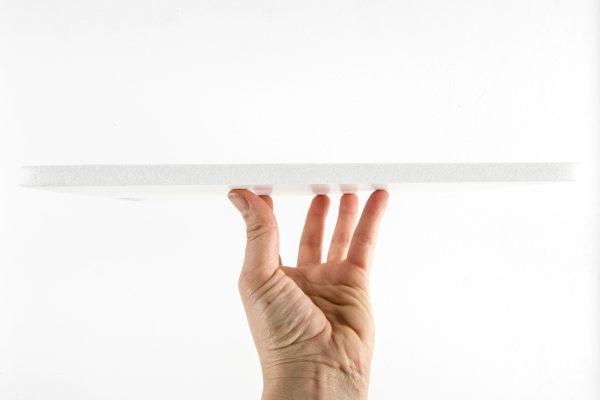
- LaminilLaminil is a versatile material consisting of extruded expanded polystyrene foam and two sheets of paper, cardboard or other materials. It is available in thicknesses of 2, 3, 5, 7 and 10 mm and can be produced in different formats.
- Hot Stamping FoilsHot stamping involves the transfer of a lacquer package onto a substrate by means of pressure and temperature. In the process a hot-melt adhesive already located on the foil is activated and produces the bond to the part being stamped.
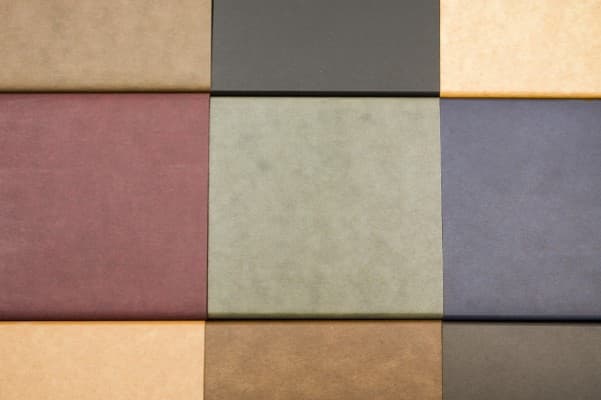
- Richlite NorthwestRichlite Northwest are pressed panels, consisting of FSC certified or post-consumer recycled paper, or quickly renewable vegetable fibres. Several series also contain recycled cardboard. Richlite is manufactured in a highly sustainable way. Over time and with use, the product will appear softer and deeper in colour and pattern material with stable dimensions.
- EconCore HoneycombEconCore Honeycomb ThermHex are hexagonal honecomb cores from a range of thermoplastic polymers.
- Sleeve KNTBekaert sleeves typically used in the automotive glass production as a covering for transport rollers in high temperature areas in and out of furnace.
- Ri-acousticRi-acoustic is a fire-resistant perforated plaster cardboard that is clad with a glass-fibre fabric on the visible side. In combination with an acoustic coating sound absorption is obtained, with no perforations being visible on the surface.
- YST (You See Through)You See Through designed by Rudolf Peter Ammer is a translucent sandwich sheet which can be made in various curved or flat forms. A cardboard honeycomb panel is layered between two polyester sheets.
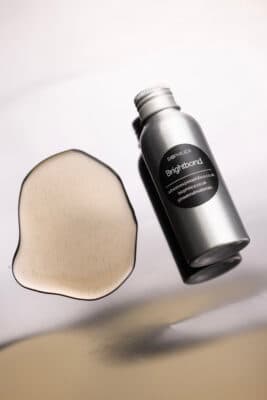
- Brightbond®Brightbond® is a 100% biobased adhesive with excellent bonding results but without the environmental impact. Offering the same bonding performance that you would expect from a traditional PVA glue, Brightbond® is suitable for gluing Treekind®, conventional leather, paper, cardboard, textiles and wood.
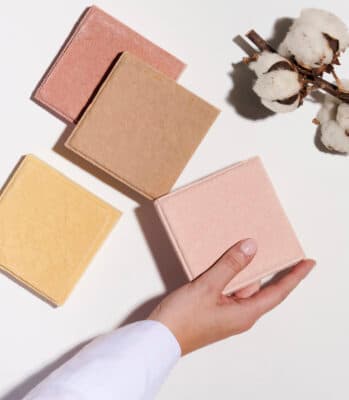
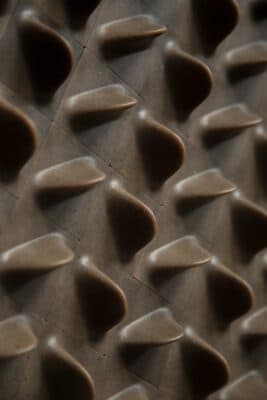
- Eco RangeGiles Miller Studio has collaborated with material design studio HighSociety to offer Giles Miller Studio's signature tile designs in a new eco-friendly material range. The collection is crafted with by-products of wine, hemp, coffee, tobacco, garlic and vodka (charcoal) production. These by-products are collected from small local businesses and then formed into Giles Miller Studio's signature ‘Fin’ and ‘Penny’ tiles.
- HONEXT® PanelHonext boards are made of unusable paper sludge and cardboard waste, leveraging a unique mix of enzymes, non-toxic additives, as well as heat and pressure. Unlike similar materials, it does not emit any harmful particles. The boards can be used for interior partitioning or cladding. The material is lighter, more flexible and has greater sound absorption capabilities than similar materials like drywall or MDF.
- XanitaXanita board is highly sustainable engineered fibre-board. Manufactured with the use of fibres recovered from recycled paper products such as cardboard boxes, Xanita board…