Search
7 results for “clay” in materials
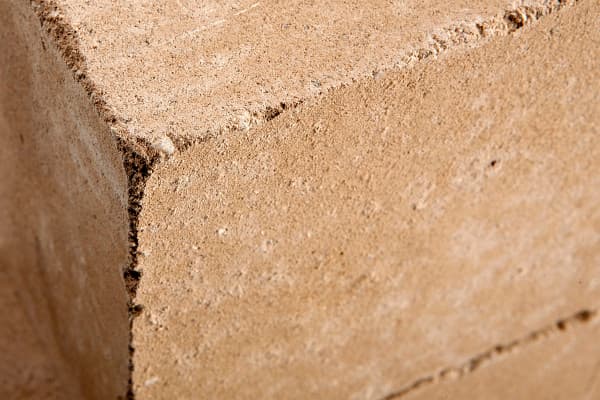
- Leemsteen (Dutch clay bricks)Dutch clay bricks are made of unbaked clay soil pressed into uniform building blocks. Because these clay bricks are not fired, their unique moisturizing and heat-accumulating properties are maintained. Due to the high mass of limestone, a mud wall can retain and give off heat well so that temperature fluctuations are effectively minimized. Furthermore, clay has a neutralizing effect on odors.
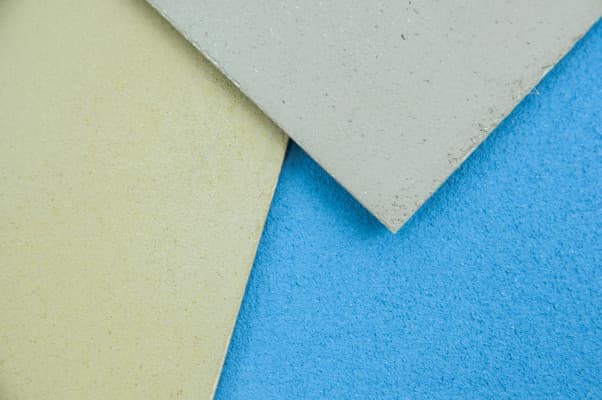
- Clay PlasterAmerican Clay plasters are an environmentally friendly interior finish. The clay base means that the material absorbs dirt and toxins, as well as moisture from the air. It releases this as the ambient conditions dry, so the plaster helps balance the room. It is available in many different variations.
- Tea ClayAfter research and repeated testing, Zhou created a new and 100% biodegradable material which is synthesised from recycled tea residues and bioadhesives, named tea clay. Tea clay perfectly retains the loose and porous structure of tea leaves, which makes it conducive to the absorption of odours and the release of fragrance.
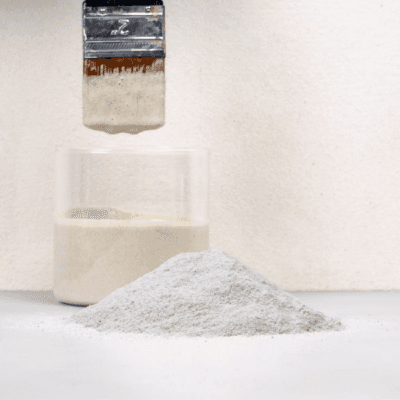
- Léém clay plaster & paintA natural blend of clay, loam, sand and potentially fibres, clay plasters & paint provide a healthy, breathable finish for internal walls and ceilings. They can be defined as natural because it has undergone minimal processing and contains no synthetic ingredients. Made from non-polluted, undisturbed soil from urban sites with a wide variety of textures and visual aspects possible, depending on the chosen colour, granulometry and finishing technique.
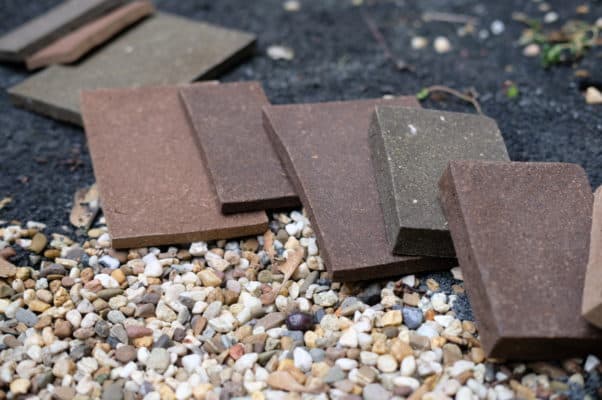
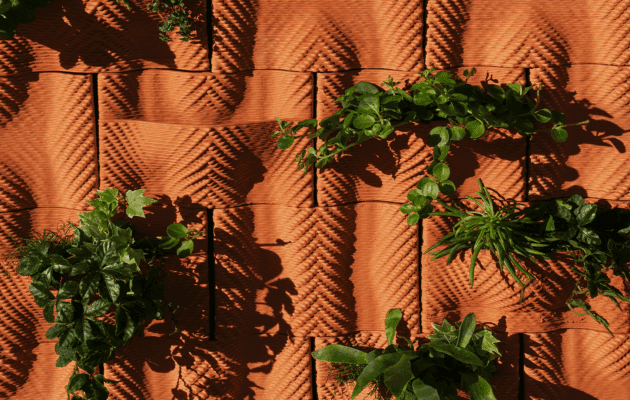
- 3D Printing Clay facade bricksThe 3D printed facade bricks were developed using a custom clay mix composed of iron-rich clay, water, recycled ceramics, and filler materials. Designed with integrated pockets to host greenery and redirect rainwater, the bricks contribute to passive cooling and promote urban biodiversity.
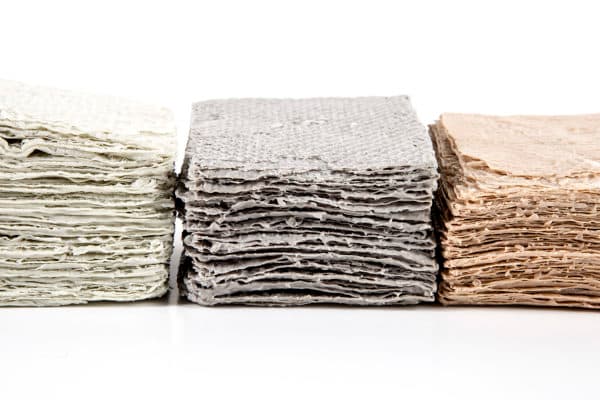
- Tissue paper & clay ceramicsThese ceramics are made from tissue paper and clay slips, creating a stacked material that looks like stratum. Designer Jongjin Park explores the abilities of ceramics, playing with the perception of what's real.
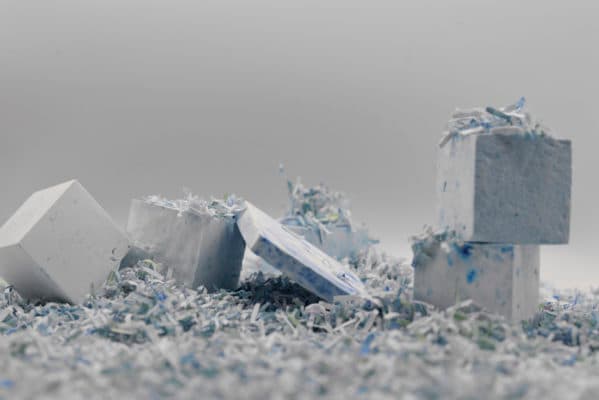
- Paper ClayPaper waste has been a serious problem in many industries and offices for years. Paper may account for 70% of a company’s total waste. Design An Mor works with local partners to classify, shred, and manufacture waste paper into new fibre materials. The entire production process is designed as a cycle. The aesthetics and properties of paper material allow it to be integrated into product designs.