Search
9 results for “denim” in materials
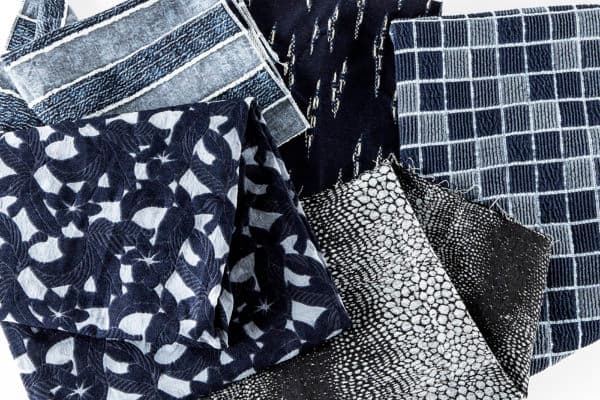
- Jacquard DenimWith their Jacquard weaving background, 496 Fabric Lab develops new denim designs. The fabrics are made from cotton, Modal, Lycra and/or polypropylene (PP), and are available in stretch and non-stretch. Using a variety of designs and quilt techniques, the company offers a wide range of denim fabrics in blue and black colours.
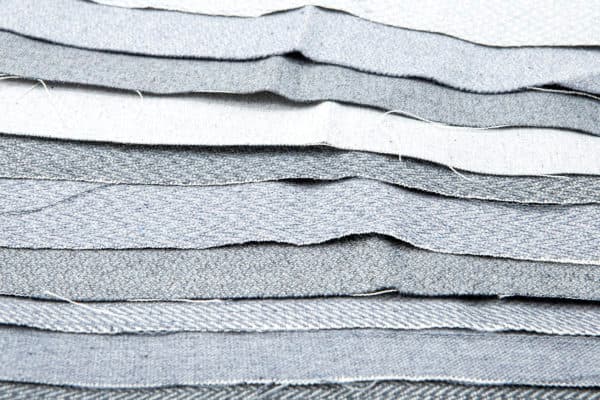
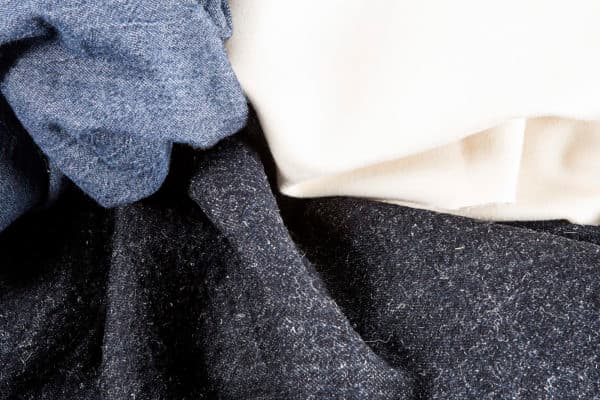
- Post-consumer recycled denimPerhaps even your old jeans. Discarded jeans are sorted carefully, then shredded into small strips while a big magnet takes out all the metal parts. To make the yarn strong enough for weaving purposes the recycled jeans fibres are mixed with another material, in this case organic cotton (light and medium blue) and recycled PET bottles (the darkest grey tone). On display are a twill fabric and two Enschede Textielstad X SOETEKOUW weaving patterns: the Base and Forza pattern from the ‘Surprise!’ upholstery collection.
- DenimoliteDenimolite is an engineered composite material derived from repurposed denim waste, including manufacturing off-cuts, discarded garments, and non-recyclable stretch denim. By incorporating these materials, Denimolite transforms textile waste into a durable material suitable for interior designers, home renovators, commercial designers, and architects.
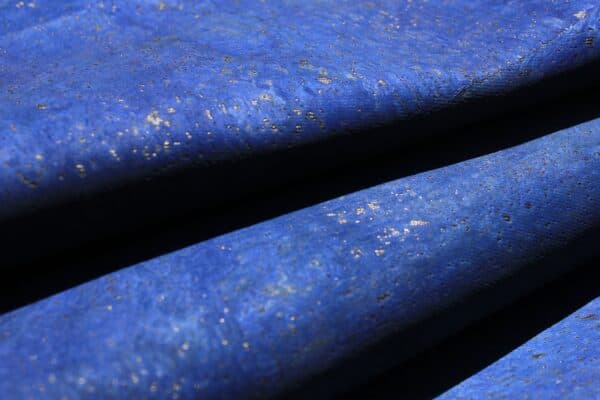
- Cork leatherA sandwich of thin layer of cork oak bark and a backing of choice (organic cotton, bamboo, hemp, wool, denim). It a has a soft velvety touch, flexible, cleanable. Cork leather can be used everywhere where standard leather is used.
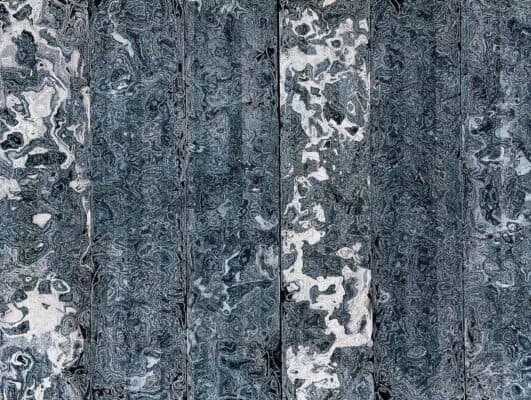
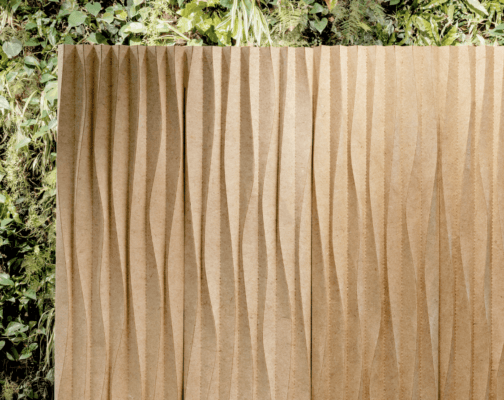
- Biofold acoustic panelBioFold is inspired by the abundance of wasted natural fibers derived from plants, primarily jute and cotton. It upcycles discarded textile streams of jute burlap coffee bags and denim products. Biofold combines these wastestreams with a biobased non-mineral oil plastic (PLA) that is compostable. Combining origami and digital production techniques transforms BioFold into a sensory architectural product that plays with light, shadow and perception.
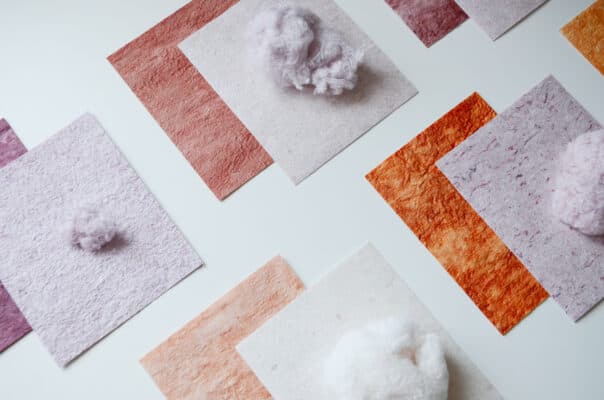
- (Un)woven(Un)woven is a biotextile made of inferior textile fibres, created as an alternative to the flawed traditional textile recycling process. A unique production method turns inferior mixed blends into a lightweight biotextile suitable for interior, furniture and product design applications. Emphasizing recyclability over longevity, the sturdy material can be recycled at the end of its life and repurposed for new production cycles over and over again.
- Nettle & cypress fabricCompany Grado Zero Espace developed blended fabrics containing stinging nettle and cypress fibre. The cypress yarn is turned in a mixed fabric containing 50% cotton, which has the same anti-bacterial, anti-mould, relaxing, deodorising properties of the cypress yarn. The nettle fibres have a special feature: thanks to their hollow structure, they are natural thermal insulators.
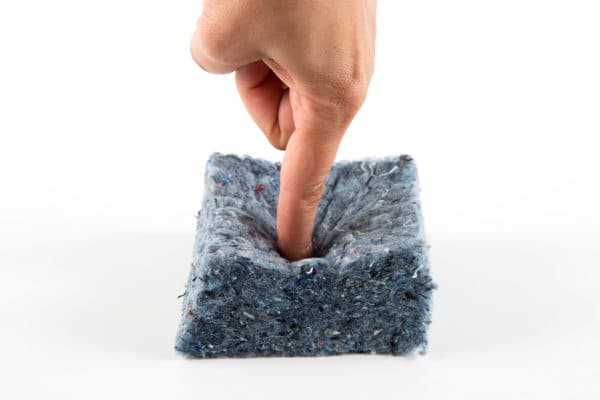
- Métisse recycled textile insulationMétisse insulation consists of leftover jeans and sweaters, a sustainable material that scores 3 out of 3 on the three pillars of sustainability. The clothing isn't burned but reused (Environment), the production of the material helps people with a disadvantage on the labour market (Society), and the material lowers the energy bill (Economy).
- SAM PanelsSAM (Sustainable Advanced Materials) is a completely sustainable fibre panel produced in the Netherlands. It is made entirely from recycled organic residual material. SAM is completely free of toxins such as formaldehyde and volatile aromatic hydrocarbons. SAM panels can be easily used for furniture, displays, walls, signs, and a wide range of products where fibre boards are used.