Search
10 results for “earth” in materials
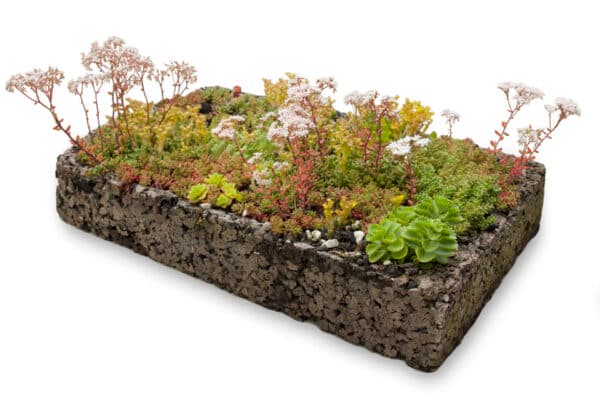
- Cork green roofA composite buildup for a circulair and optionally biobased geen roof based on expanded cork. The expanded cork gives the green roof drainage and provides extra insulation. On top of the cork is a layer of cloth made from recycled synthetic clothing fibers and a substrate from recycled roof tiles.
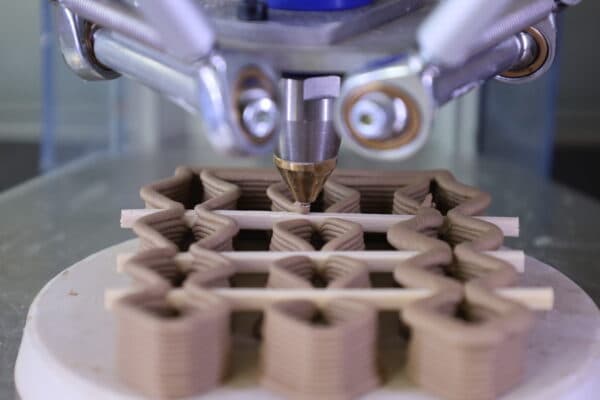
- 3D printed EarthIn this research project, the material is enhanced by the digital fabrication of 3D printing, giving earth an unprecedented freedom of form. Settings, processes, and properties are explored in numerous experiments. Unlike many other printed clay materials, this one remains unfired, allowing it to stay transformable.
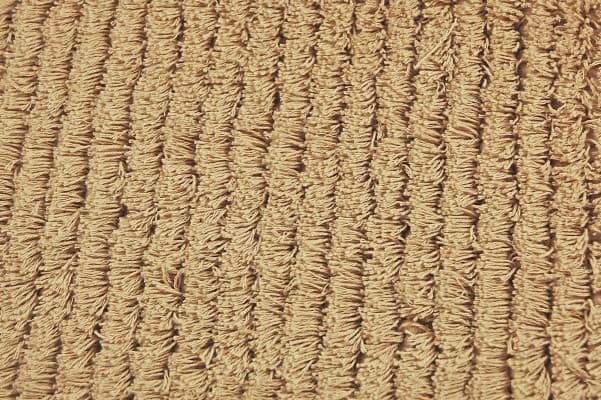
- Mysterious EarthCarpets made by B.I.C. Carpets are made by means of the traditional Wilton procedure. This procedure allows to manufacture carpets with both a top pile or a cut pile or a combination of both.
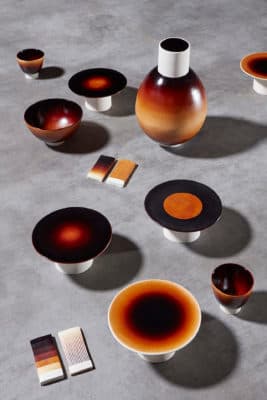
- Ott (natural resin, lacquer) porcelainGlazed ceramic pieces are not recyclable for their re-production and they mostly end up in a landfill. Seok-hyeon Yoon searched for alternative glazings and found out “Ott” known as Korean traditional lacquering material. It’s a natural resin from the Ott tree and was widely used as glazing for woodenware in the past. To glaze Ott on the ceramic surface, it doesn’t need to be baked as it just drys out.
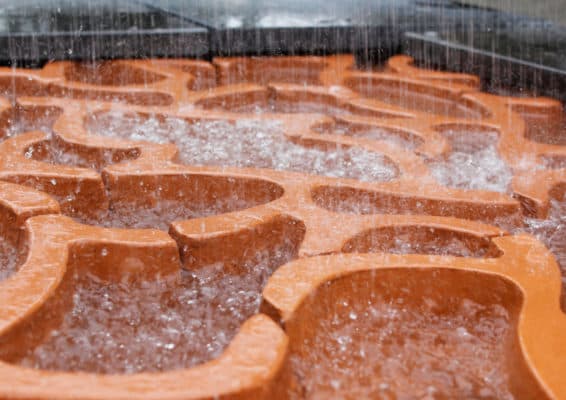
- FloodThese tiles are intended for water filtration and storage. The Flood Open tile collects water within its curved walls, filtering the runoff back into the earth via holes along the four perimeter edges. The Flood ‘Doorlatend’ Tile has a semi-permeable base, allowing water to seep slowly back into the earth.
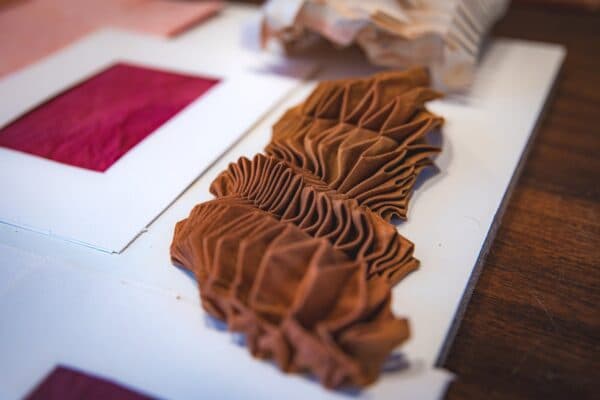
- Traditional Indian natural dyesParmeet Tesson’s project explores the adaptability of traditional Indian dye plants in the Cognac region of France to examine their climate resilience and ecological benefits. It focuses on utilizing both native and traditional materials in new, sustainable ways. Parmeet uses dyes made from oak tree byproducts, indigi, mulberry leaves, madder root, and grape leaves.
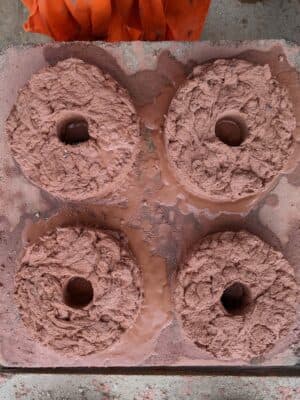
- BrickWoolBRICKWOOL is a modular brick, made of natural wool with light earth method (LEM), which results in a light-weighted high-density material. Its annular-cylinder shape functions as part of an acoustic barrier strategy developed to mitigate specific sound frequencies.
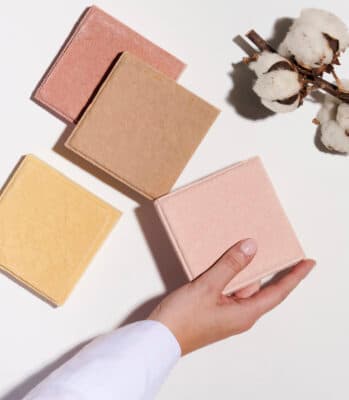
- ARCHISONIC® CottonCottonTex represents a unique approach to the sustainable use of materials. The first type features a standard ARCHISONIC® Cotton layer, offering a refined finish. The second type presents a rawer aesthetic. Both varieties are united by their composition, a blend of 60% cellulose and 40% recycled textiles. A product of the Impact Lab, Impact Acoustics' in-house experimental materials research.
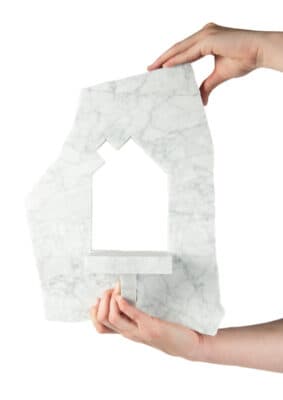
- Re-ValueThe essence of Re-value is the revaluation of residual materials in the production of natural stone. Each piece of stone has its own unique shapes, colours and patterns. This is because natural stone originates from the earth’s crust that varies around the world. Re-value aims to give back the lost value to leftover stone. Some cultural and aesthetical value can be reclaimed by creating a contemporary and functional design.
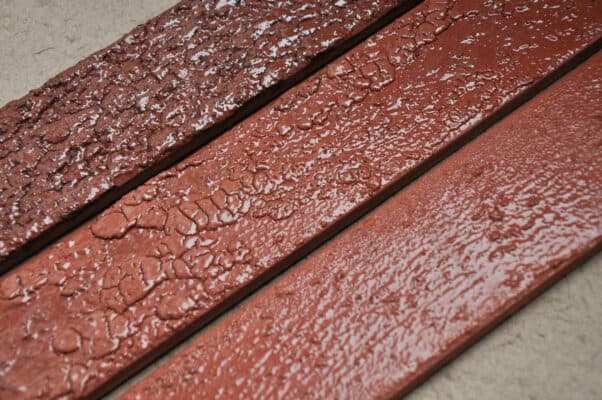
- SoilySoily is an earth-like textured tile. The main components are an old, unused terracotta tiles from the Soviet era in Lithuania and local soil applied to the latter in a specific way, creating a varying rough texture. Depending on the soil’s location, such qualities as shade and roughness of the tile surface differ, bringing a unique character to the tile.