Search
48 results for “ink”
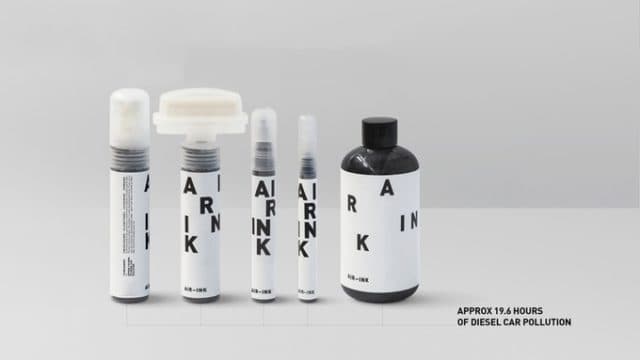
- Air-Ink: writing with pollutionThroughout history, soot has been an important ingredient in ink, to make it black. Following this tradition, the company Graviky has developed an ink…
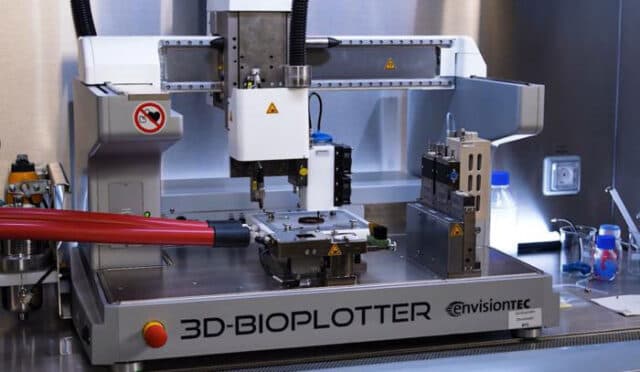
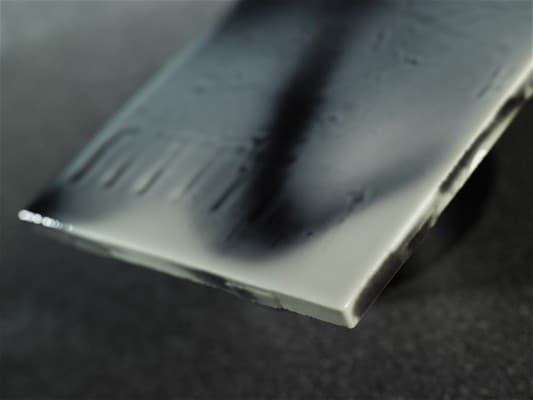
- Recyclable Lignin-Based Ink Enables Circular 3D PrintingResearchers at Helmholtz-Zentrum Hereon have developed a fully recyclable, water-based ink for 3D printing. The team makes the ink largely from lignin, a by-product…
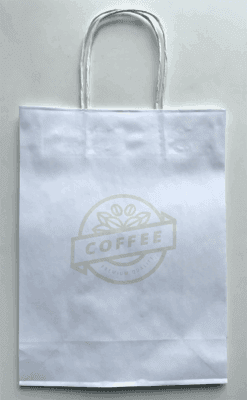
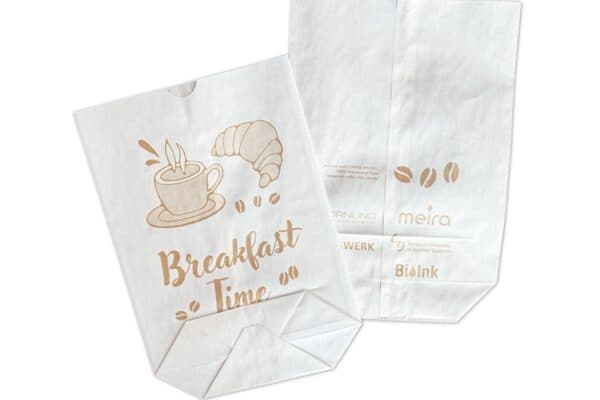
- Coffee Waste Transformed into Sustainable Ink for PackagingA Finnish collaboration has pioneered a new material innovation that could transform the packaging industry. Natural Indigo Finland, Tampere University of Applied Sciences (TAMK),…
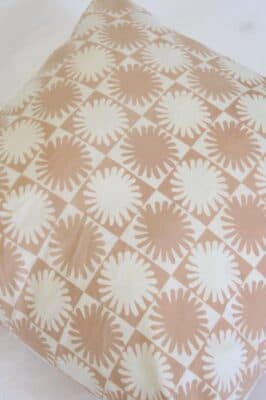
- Avocado Seed Bio-InkThis textile showcases a biobased ink developed from discarded avocado seeds and applied through screen printing on organic cotton fabric. It highlights the potential of waste-derived inks within textile design and production. The colour is extracted from avocado seeds (Persea americana) and combined with biobased binding agents to produce a printable ink.
- Coffee-Roasting Side Streams Provide Colour For Packaging InkA Finnish research and industry collaboration has developed a water-based printing ink using colourants obtained from coffee-roasting side streams. In August 2026, the partners…
- Indigo & Buckthorn Bio-InkThis textile features a sap green biobased ink formulated from two botanical pigment sources and applied through screen printing on linen fabric. It demonstrates the potential of plant-derived colorants as sustainable alternatives to synthetic textile inks. The ink combines pigment extracted from Japanese Indigo leaves (Persicaria tinctoria) and Buckthorn seeds (Rhamnus petiolaris).
- Ink calenderSpanish designer Oscar Diaz, based in London, has designed a calendar that uses the capillary action of ink spreading across paper to display the…
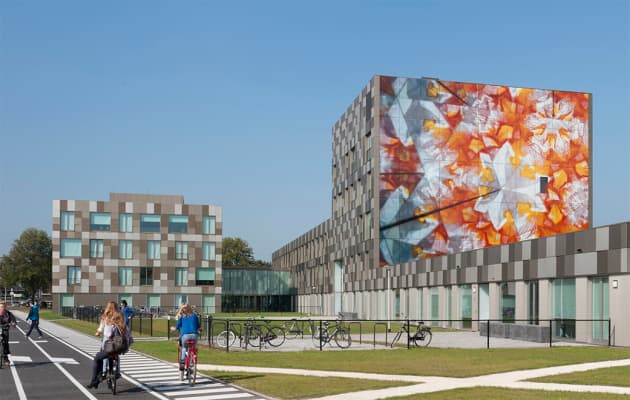
- Ink Printed GlasshouseFor the education park at Ezinge, designed by Atelier PRO architecten, Driessen + Van Deijne created a landmark design with their creative use of…
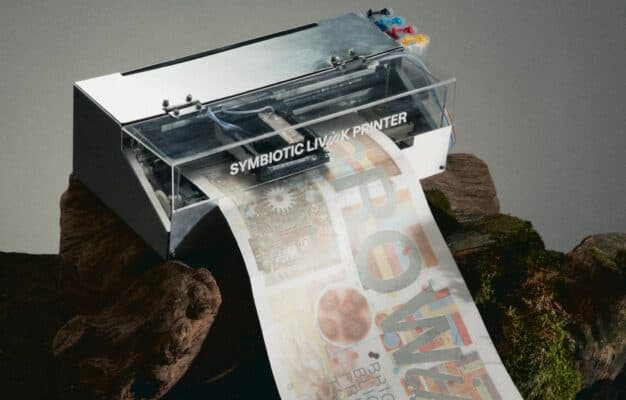
- GROWinK: Living Ink that RegeneratesGROWinK is a material research project developed by Peerasin Punxh Hutaphaet during the MA Material Futures programme at Central Saint Martins. The project explores…
- ‘Living’ shoes made with microalgae inkNew-York based designer Jessica Thies designed a speculative shoe concept made with biobased printing ink embedded with living microalgae. For her thesis, Thies looked…
- Thermochromic InkThis thermochromic ink of Alsa reacts to the heat generated by brisk rubbing over the printed area. It disappears when warm and reappears as it cools off.The ink can be applied to all kinds of surfaces, like metal, glass, ceramic, plastic etc.
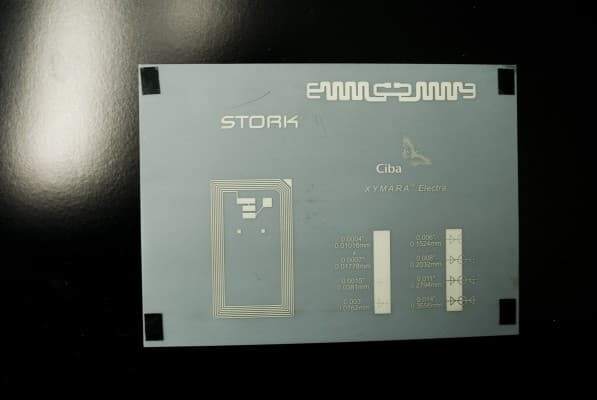
- Ciba XYMARA Electra inksCiba new range of printable, electrically conductive inks – the Ciba® XYMARA™ Electra range can be used to print electronic circuits. It can be printed on paper and the paper may be rolled or folded up without loss of performance
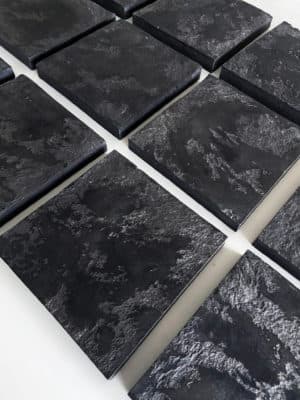
- ‘Deep recycled’ panels made of de-inking sludgeScenographer Inga Aleknavičiūtė, in collaboration with German company Zelfo Technology and paper company Leipa Paper, created panels made of de-inking sludge as a form…
- Non-iridescent structural colour inkResearchers at Kobe University in Japan developed non-fading structural colours that do not depend on the viewing angle and can be printed. An object…
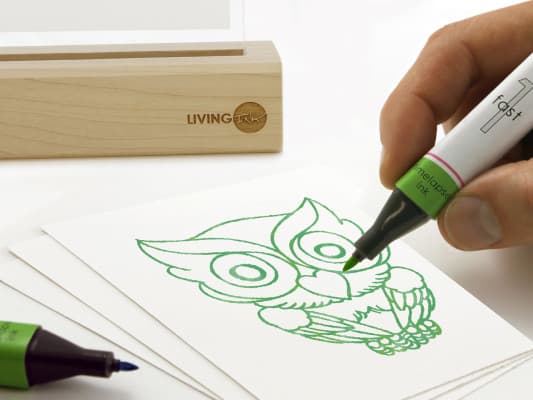
- Algae-based Time Lapse InkLiving Ink is an algae-based, environmentally friendly ink alternative you can use to write or sketch a story or image that transforms over time…
- Photopia AQ InkOrganic photochromic colourant that changes colour reversibly and repeatedly. Available in three reversible colours: yellow, purple and blue. The colours are activated when exposed to the sun or other ultraviolet light sources and then change from clear to colour and change back when the ultraviolet light source is removed.
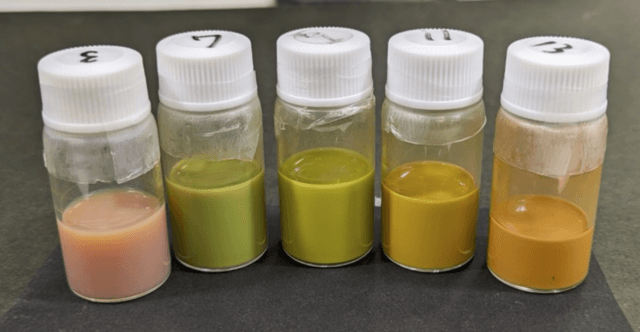
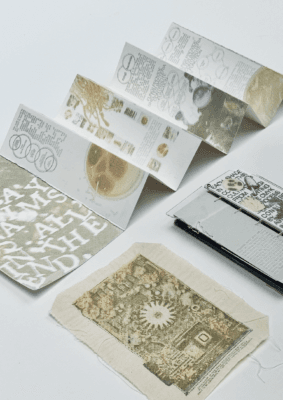
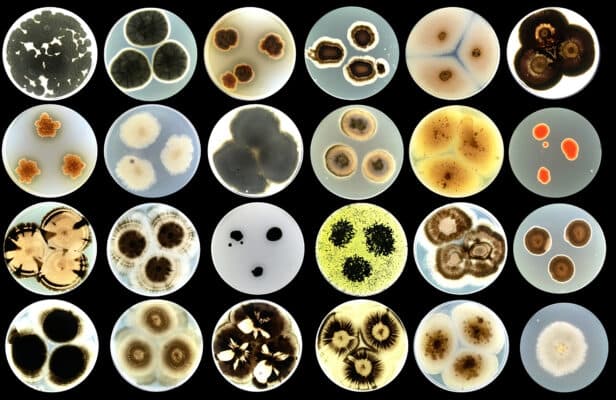
- MYCO colorsystemMYCO Color is a biologically derived pigment system developed through fungal cultivation, transforming living organisms into a functional, biodegradable printing ink. The material is presented through three interconnected components: a petri dish containing active fungal growth, an ink cartridge filled with extracted pigment, and printed paper samples demonstrating the ink’s visual behavior. Together, these elements reveal colour as a process rather than a fixed outcome.
- ChromazoneThermostar is a line of temperature sensitive (thermochromic) finished inks. Thermostar is formulated using ChromaZone pigments and utilises TMC's latest printing ink techniques. The ink colour on a printed item disappears as the temperature rises above the response temperature of the thermochromic ink and then it reverses back to its original colour as the temperature is reduced again.
- Printing with coffeeDutch start-up CaffeInk developed an environmentally friendly ink as an alternative to black ink made from fossil-based carbon black pigment. Worldwide, coffee is the…
- Monitor your health with a colour-changing tattooPeople get tattoos for a variety of reasons, such a s remembering a person or event, or just for aesthetic reasons. And thanks to…
- Special PrintsHelder Screen Printing specializes in special print applications of all types of inks, ranging from offset printed work to heat-sensitive to spot varnish to scratch and sniff and beyond. Customers can also ask for the printing of various materials that can not be printed in a typical way (i.e. screen printing). Some of these printed material surfaces include plastic, metal wood and more.
- AROMA AQAroma granule Aqualite Ink is a water-based microencapsulated scented ink. The coating is used for screen-printing and dye applications onto textiles. A proprietary microencapsulation process allows for long-lasting aromatic stability. Twenty fragrances are available.
- Ceramic PrintThis ceramic printed glass panel is made by an industrial direct-on-glass digital printer. Special ink compositions are used for long lasting glass printing, which include micro- particles of glass. The fixation of the printed image is made by firing the printed glass in a furnace. The exposure of the ink to high temperatures causes the glass micro particles to melt, thus affixing the ink pigments into the printed glass surface.
- Living Façades: Microbial Coatings for Sustainable ArchitectureA team of researchers and companies, including Graz University of Technology, is developing a groundbreaking way to make building façades come alive. The project,…