Search
14 results for “packaging” in materials
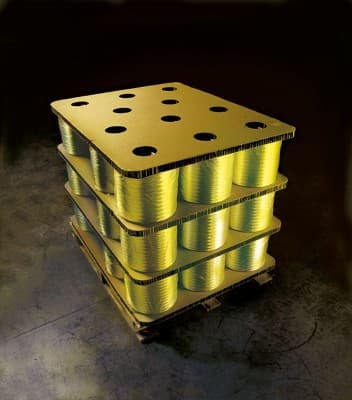
- BeeBoardBeeboard is the trade name for a sandwich construction of BeeCore laminated with facing materials. Properties: lightweight, High compression resistance, recyclable and biodegradable.
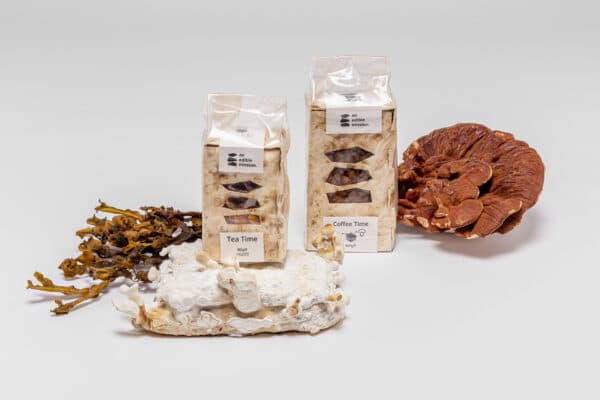
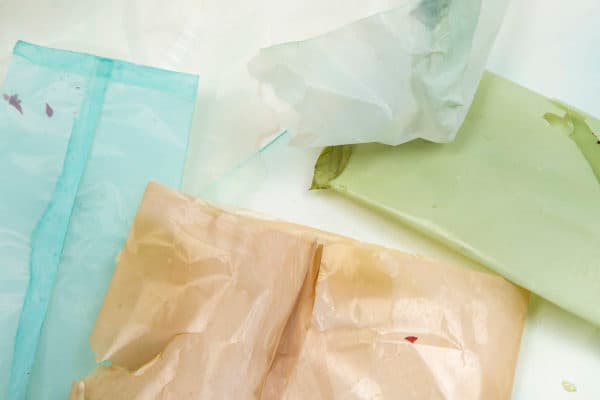
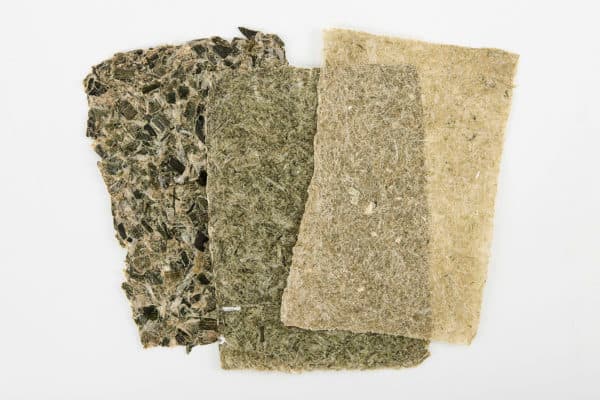
- An edible mission. More than Packaging_This project brings together two earlier material developments and integrates them within a broader concept of health and well-being. By combining mycelium sheets with algae films, a new material perspective emerges—one that balances stability with flexibility, and sustainability with nourishment.
- Papair paper packagingPapair develops paper-based packaging materials designed to replace plastic cushioning solutions such as bubble wrap. The products are fully recyclable, free from plastics and adhesives, and are presented as compliant with the EU Packaging and Packaging Waste Regulation (PPWR). The range is intended for protective packaging in logistics, e-commerce and industrial applications.
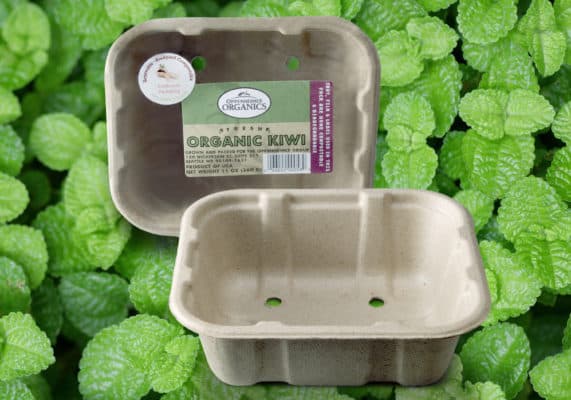
- Palm fibre packagingPalm fibre is a natural packaging material made of 75% recycled paper and 25% raw palm pulp
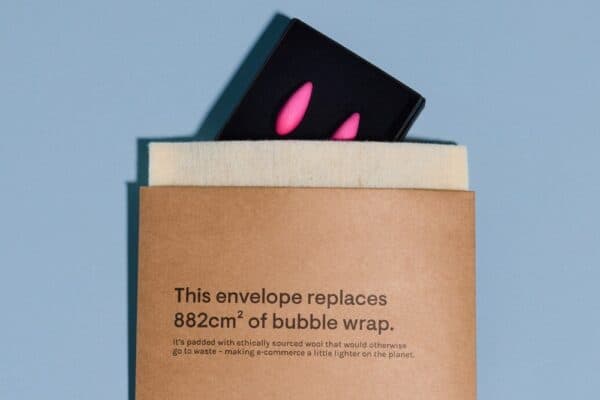
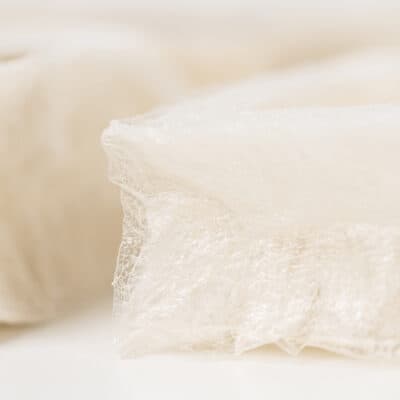
- Woola wool packagingWoola develops protective postal packaging made from waste sheep wool as an alternative to conventional plastic bubble wrap. The material is designed to protect fragile products during transport and is used by e-commerce and luxury retailers across sectors including cosmetics and skincare, eyewear, jewellery and watches, luxury goods, small electronics and supplements.
- Scoby packaging materialScoby packaging is a biological, fully edible, fully recyclable solution that can be grown by producers to wrap their products and bring them to market with zero waste. The basis of the material is scoby, the living home for bacteria and yeast used to make kombucha tea. The material is suitable to store dry or semi-dry foods, from nuts to salads.
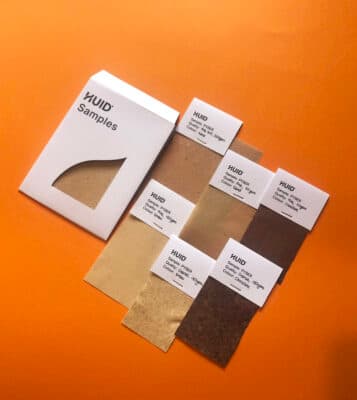
- PyberPyber is a fibre-based packaging material developed by HUID using onion skins as its primary raw material. The material is intended as an alternative to conventional paper and plastic-based packaging, making use of an agricultural by-product that is widely available within food processing streams.
- Seaweed FoamSEAWEED FOAM is a bio-foam material that can be used for a new type of home-compostable packaging products. The material is home compostable, because it's made of only seaweed and water. The SEAWEED FOAM material is created to function as a secondary packaging, cushioning or packing peanuts, but it can be used for backpack & helmet paddings or to replace other synthetic styrofoam products.
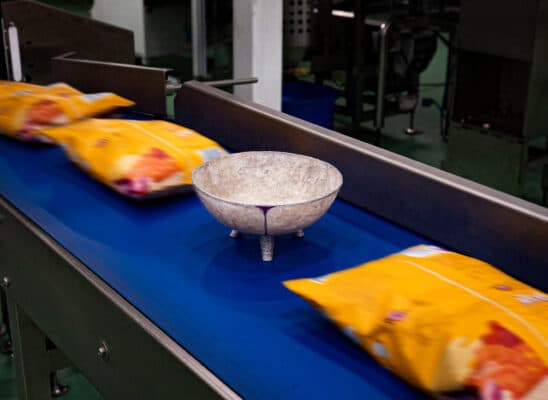
- CrispyCrispy is a collection of serving bowls crafted entirely from deconstructed post-consumer crisp packaging. By transforming non-recyclable crisp packets into serving bowls that hold crisps once again, Crispy showcases the potential of recycling complex plastics and circular design.
- Leek paperBecause it is possible to make paper from any organic material, leek waste can be used to do so as well. That paper can then be used to wrap vegetables in paper made from the waste streams of their own production. The packaging would also be the perfect medium to explain the story behind organic vegetables.
- Karta-pack BagasseThis packaging material is made from bagasse, fibrous matter that remains after sugarcane stalks are crushed to extract their juice, creating a biodegradable material. Karta-Pack provides an environmentally friendly alternative to plastic packaging and is also available from other biobased materials, such as a cotton/bagasse mix and bamboo.
- Karta-Pack bagasse-cotton mixKarta-Pack is an environmentally friendly alternative to toxic, dangerous and ubiquitous plastic packaging. The package is comprised of compostable and biodegradable material, cotton and bagasse (a waste material from sugar production). The salable article is nestled safely inside.
- PaperLiteFlextrus PaperLite has a real natural paper look and feel. The packaging material is based on Billerud FibreForm, a FSC certified thermoformable base web with real natural paper. It contains no iso-cyanates or solvents and is approved for food contact, which makes it a sustainable, renewable alternative for other fibre-based packaging.
- TECELLTecell is a reusable package material made of PP panels suitable for reusable packaging applications.