Search
35 results for “thermoplastic” in materials
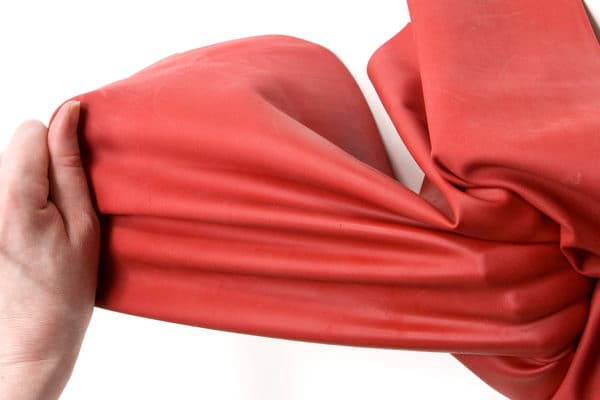
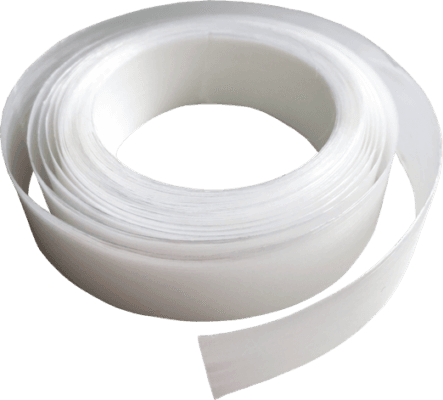
- Thermoplastic FilmThermoplastic Elastomers (TPEs) combine the properties of a thermoplastic with those of a synthetic rubber. Available as a film or in sheets, key attributes include a soft and flexible feel, elasticity, a latex and PVC-free composition and easy adhesion to a wide range of plastics.
- Thermoplastic ElastomersThermoplastic Elastomers, or TPEs, is an exceptional basic starting material, combining the properties of a thermoplastic with those of rubber.
- Thermoplastic FilmFor Thermoplastic Elastomers (TPE’s), the so-called styrene block copolymers are used. This is an exceptional basic starting material because a molecule of block copolymers combines the properties of a thermoplastic with those of rubber.
- NCell Natural Fibre reinforced ThermoplasticsNCell consists of a polypropylene (PP) or polyethylene (PE) matrix reinforced with up to 40% natural cellulosic microfibres. NCell compounds have mechanical properties that are able to replace glass-reinforced thermoplastics. NCell also offers increased performance from other commercially available biocomposites, such as those made from hemp, flax, wheat straw, and wood.
- Forj Thermoplastic Tape-RibbonForj is a high strength, lightweight thermoplastic tape-ribbon that molecularly fuses to itself in a matter of seconds. Simply heat, press and repeat to repair tools, create custom grips, fix broken sports equipment and more. Once cooled, the self-bonding plastic hardens, creating a bond as strong as steel.
- Powder coatings Abcite® & Plascoat®Thermoplastic Powder coatings Abcite® and Plascoat®. A proven reliable coating solution for the most demanding environments. Coatings for parts and components used in demanding…
- Bio-Thermoplastic elastomerDryflex Green is a family of thermoplastic elastomer (TPE) compounds containing raw materials from renewable resources such as plant and vegetable crops. The series consists of various types of bioplastic, with amounts of renewable content to over 90% (ASTM D 6866) with hardnesses from 20 Shore A to 50 Shore D. The material has properties comparable to TPE from fossil based raw materials.
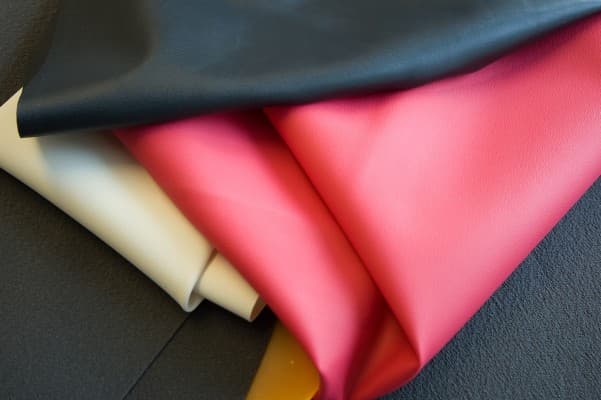
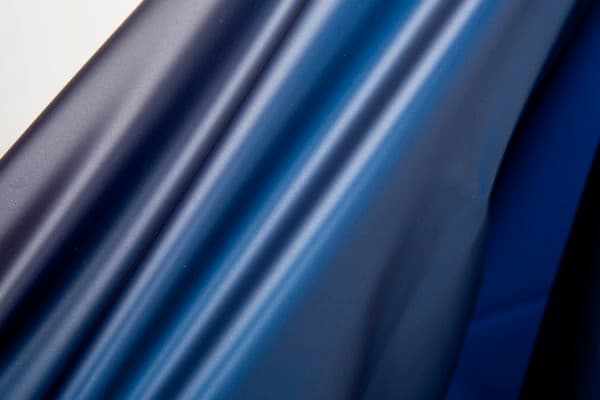
- Glossop & Girmo fabricThe Glossop CP consists of 100% TPU membrane, with one shining side and one matte side. Girmo CP is also made of 100% TPU membrane, both sides are matte. TPU (Thermoplastic Polyurethane) is a component of TPE (Thermoplastic Elastomer). TPU has a long list of excellent material properties.
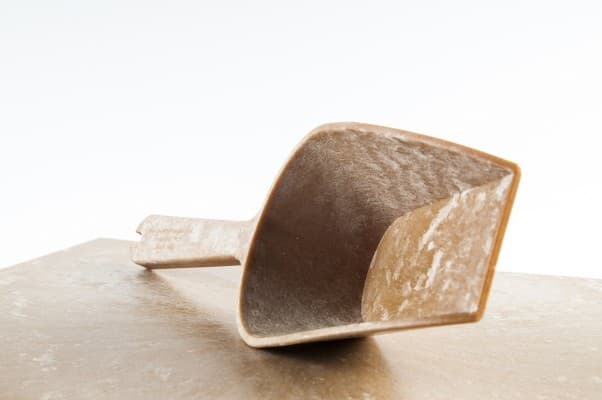
- LiquidwoodLiquidwood is biopolymer, consisting of the same ingredients as natural wood, lignin and cellulose. It also has similar properties. The material combines the properties of renewable resources and natural wood with the processing capabilities of common thermoplastics.
- Recycled PlasticAkwamat allows for natural ventilation of your mattresses and cushions, and prevents moist and mould. Enkev’s Akwamat can be used for boats, caravans, holiday homes and any other place where ventilation doesn’t occur naturally.
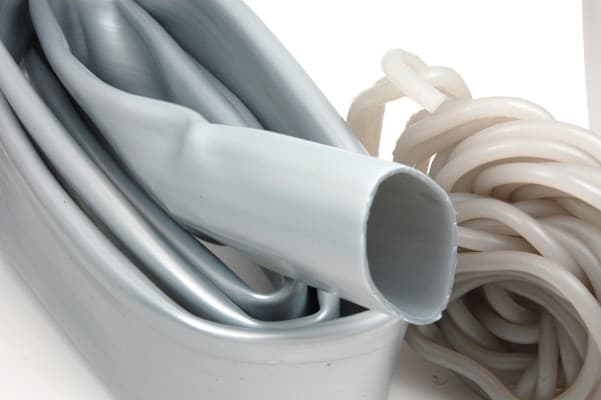
- TPE elastics, tube and cordThermoplastic Elastomers, or TPEs, are combining the properties of a thermoplastic with those of rubber. Use for medical applications or for food contact, Material can resist UV and Ozone, extreme heat, cold or chemicals. Wide range of colour options, including fluorescent, metallic and pearl effect, glow in the dark.
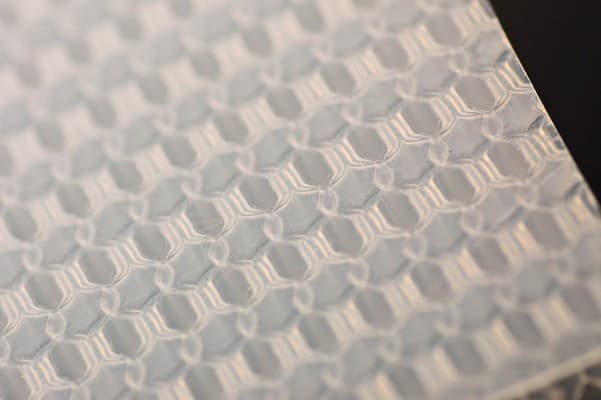
- EconCore HoneycombEconCore Honeycomb ThermHex are hexagonal honecomb cores from a range of thermoplastic polymers.
- PolymorphFeaturing a low fusing temperature of around 60˚C, Polymorph transforms into a material that can be moulded into almost any shape when submerged in hot water. Upon cooling, it becomes a tough, nylon-like polymer. As it is a thermoplastic, Polymorph can be re-heated and thermoformed numerous times.
- CPCs – Cork Polymer CompoundsCork polymer compounds - CPCs are classified as particle-reinforced composites and are an example of the combination of the properties of thermoplastic polymers with the unique advantages of cork. Developed by Amorim Cork Composites’ I.cork factory, CPCs are a range of cork bio composites offering the mouldability of plastics and the lightness and sustainability of cork.
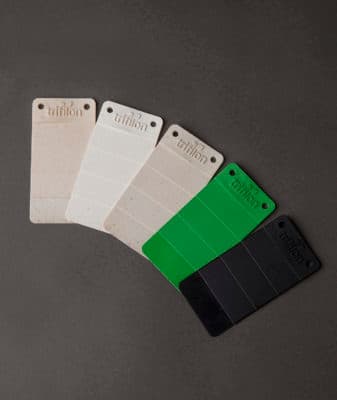
- Trifilon STrifilon S is a renewable thermoplastic biocomposite developed by Swedish material company Trifilon. Combining bio-based polyesters with natural fibres, the material is designed as a lower-impact alternative to conventional fossil-based plastics for injection-moulded products. Depending on the grade, Trifilon S can be up to 90% fossil-free.
- Stimulite HoneycombThis flexible honeycomb is an engineered material produced with the technology of fusion-bonding. It is a derivative of the aerospace industry which relies heavily on the structural integrity and optimum strength to weight advantages of rigid honeycomb composites.
- EssemplexEssemplex is a fully formable, thermoplastic shape memory polymer (SMP) resin. Once formed, the polymer exhibits shape memory properties. There are two versions of Essemplex, activation temperatures of 34°C and 43°C.
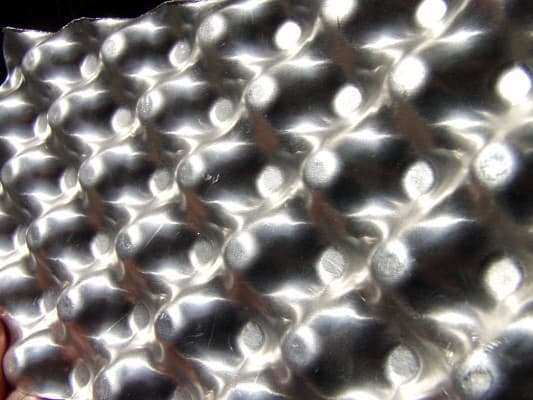
- PressLoad AluminiumPressload is a lightweight, high strength pressed aluminium panel which offers a high-tech solution within the interior design industry for applications such as exhibition stands, decorative panels and furniture. The material uses a specially designed geometry, similar to an egg box. Its arrangement of conical shells provides strength and the ability to deform in a predictable way.
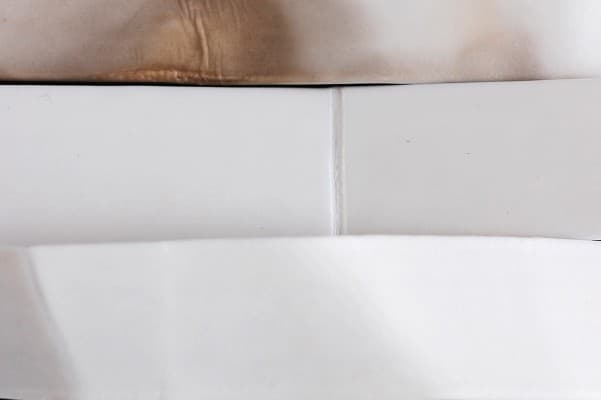
- CurvIn a process where fibres are melted together, Curv captures the mechanical properties of woven polypropylene fibres in a self-reinforced matrix. High stiffness, tensile strength and impact resistance enables the creation of high performance lightweight parts with in a totally recyclable thermoplastic.
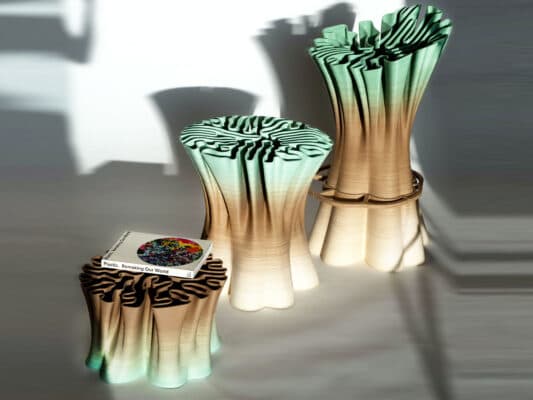
- 3io3io is a material system developed from renewable resources, merging biological matter with robotic precision, to create expressive, high-performance objects. The blends combine a wide spectrum of biobased materials including: PHA, PCL, PLA, bio-PE, bio-PA, lignin, cellulose, natural resins, waxes, oils, and plant fibres, resulting in thermoplastic composites consisting of up to 100% renewable content.
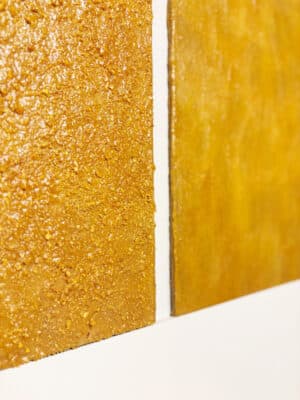
- Orange Peel Waste TilesOrange Peel Waste Tiles transform citrus peel residues into vivid, tactile biomaterials full of texture and visual warmth. Each piece embodies playful variations in colour and structure, balancing material experimentation with craftsmanship. The tiles can be pressed or cast to achieve a range of densities and surface finishes, from matte to glossy.
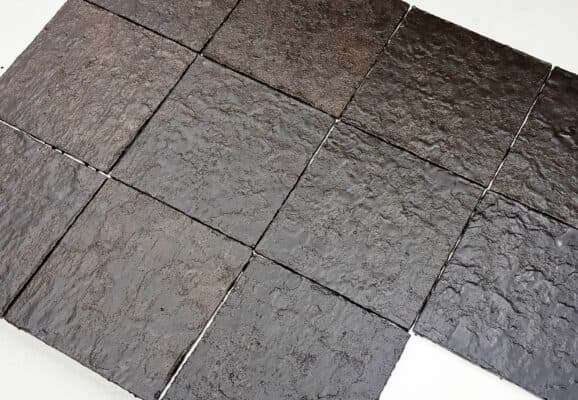
- Coffee Waste TilesCoffee Waste Tiles are made from locally collected coffee grounds bound with natural bio-resins. The material celebrates the tactile warmth and depth of roasted coffee, evoking sensory and visual connection to its origin. Each tile is handcrafted, with variations in tone and surface revealing the natural irregularities of the material.
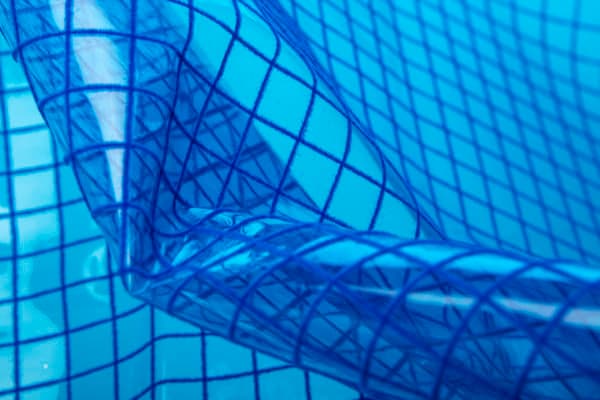
- Clear TPU flockThis clear thermoplastic polyurethane film roller is printed with a grid design with 100% nylon flock.
- Flaxco flax compositeFlaxco is a flax fibre reinforced thermoplastic prepreg for the composite industry. The materials are manufactured from woven flax fibre, pre-impregnated and consolidated with polypropylene or PLA resins. The materials can be delivered in rigid sheets or on rolls. The mechanical properties of these lightweight bio-based materials are high stiffness, strength, vibration and noise absorbing.