Cellulose Façade Panels Move Towards Built Pilot Projects
A façade panel made of cellulose fibres and a biogenic binder is about to leave the lab. Henning Larsen and Swedish biomaterials company PaperShell have entered a Pioneer Partnership to test where the material works in architecture, and to build it in selected pilot projects.
PaperShell is a material of cellulose fibres combined with a biogenic binder. It is designed to replace carbon-intensive materials across a range of uses. The partnership was announced by the Danish architecture practice on 18 November 2026. The material is still at prototype stage, and no pilot building has been named yet.
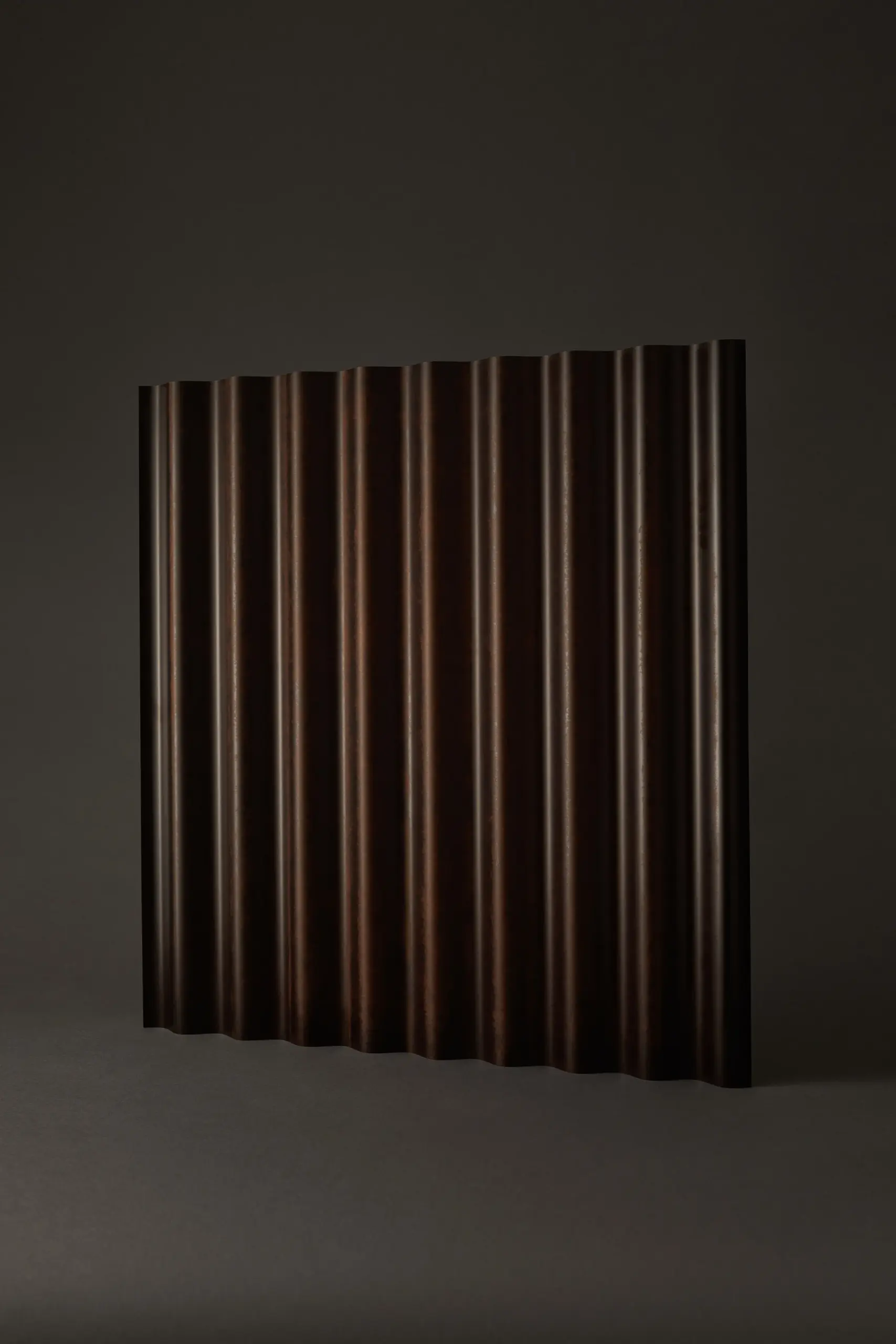
The dark, ribbed panel in the studio image gives a first impression of the material. It is shown as a deep brown, softly corrugated surface with a faintly mottled, matt finish. This is a view of one panel, not a statement about the full range of finishes.
Architects Bring Detailing And Aesthetics To The Material
Henning Larsen will contribute architectural design expertise to the work. That covers project-specific requirements for detailing, aesthetics and integration: how panels are fixed, how joints read, and how the surface looks on a building.
The practice describes the aim as moving PaperShell from a promising technology towards repeatable, scalable use. Katrine Juul, Lead Sustainability Architect at Henning Larsen, says the partnership can help translate material innovation into credible architectural applications and bring biogenic solutions closer to wider adoption.
For designers, the interest lies in an alternative to carbon-intensive cladding that is developed together with architects from the start, rather than adapted afterwards.
Façades Are The First Testing Ground
The partnership now moves into a first phase of development and testing. Together with PaperShell, Henning Larsen will explore façade solutions through selected pilot projects.
Façades come first because they expose a material to technical, environmental and aesthetic demands at once. Weather, fire requirements and appearance all have to be answered in the same panel.
The pilot projects are the next step. Specific buildings, performance data and availability have not been published yet, so the material cannot be specified for now.
Source: Henning Larsen · Images: PaperShell / Henning Larsen