Search
32 results for “glaze” in materials
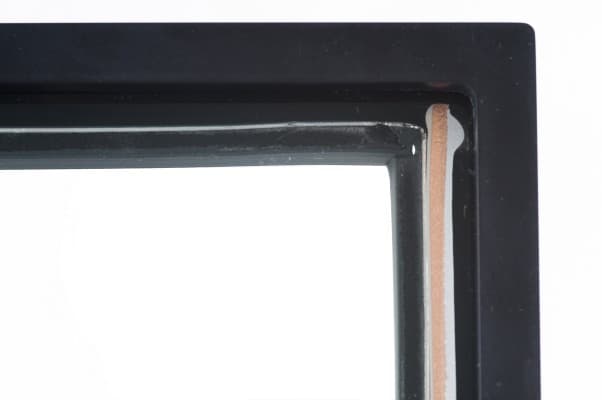
- E-GLASE-GLAS® is a glazing unit which emits electronically controlled radiant heat. E-GLAS® is an integrated and invisible heating solution. It allows for increased visual and thermal indoor comfort. At the same time, it resolves structural problems of maintenance and visibility linked to condensation or snow.
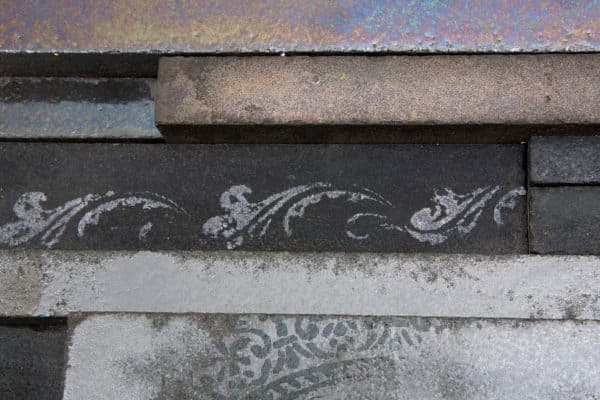
- Lava Tiles (Flower print)Cut lava stones tiles are hand glazed using a special painting technique and then fired at a high temperature. The result is a tile featuring vibrant colours along with the strength, moisture resistance and thermal insulation properties of natural stone. Lava Tiles are also available with a flower print that is created by combining a glazed and silk print on top of the lava stone.
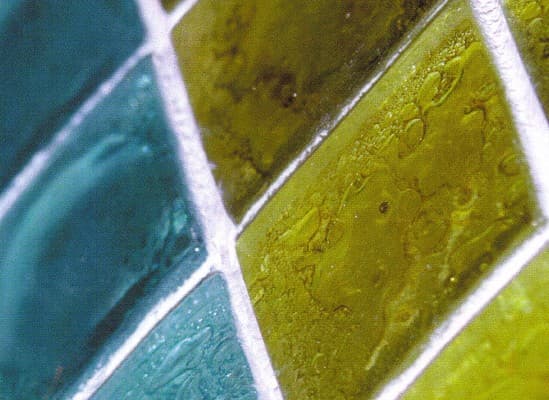
- PLAT DU JOURPLAT DU JOUR is an open-ended collection of glazed tiles made from post-consumer mineral waste and reclaimed clinker tiles from the Soviet era. Whichever mineral waste is locally available at a given moment has the potential to become a significant part of the glaze, upcycling the clinker tiles into vibrant surfaces.
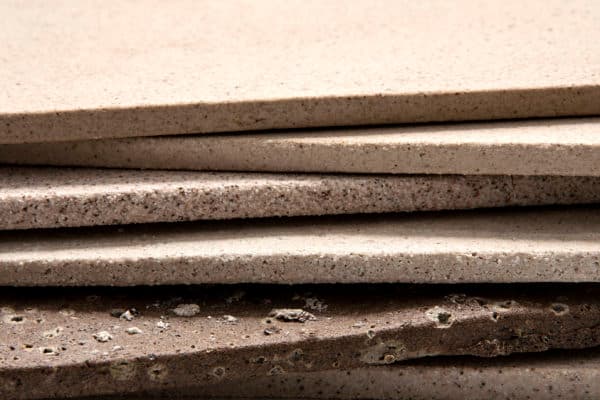
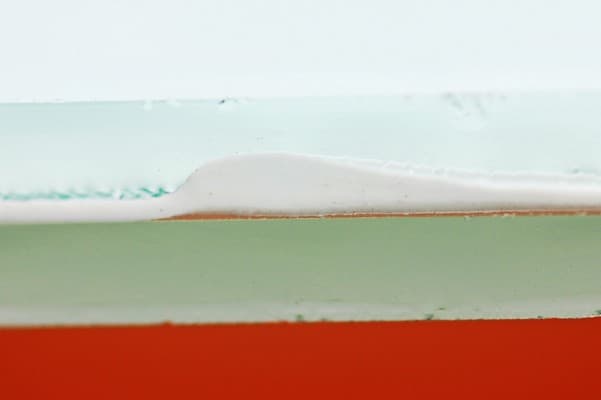
- Ceramic sandCeramic sand explores the question what the effect of sand is on the colour and structure of ceramic pieces. Using various kinds of sand from various places, designer Marin Jansen experimented with adding sand to clay. In addition, she also used sand to make glaze. The same sand added in a glaze but fired in different ways (oxidation, 1260 C, reduction and oxidation 1050 C) gives different results.
- ArtileWith the Artile process, photographic imagery can be applied to swimming pool and glazed wall tiles. After firing at very high temperatures the finished design is encapsulated within the glaze matrix giving the protection from light and weather. The Artile is colour, fade and UV resistant.
- ClassicoClassico glass is available in three versions. Handcrafted, this version bears a strong resemblance to the glass produces prior to 1920. Classic, glass that was produced between 1920 and 1960. Modern, glass produced after 1960.
- TrosifolTrosifol offers a wide range of products for different applications in architectural glazing. It's available as safety glass. Glass laminated with Trosifol has good properties in respect of safety, security, long term stability, noise reduction and uv protection.
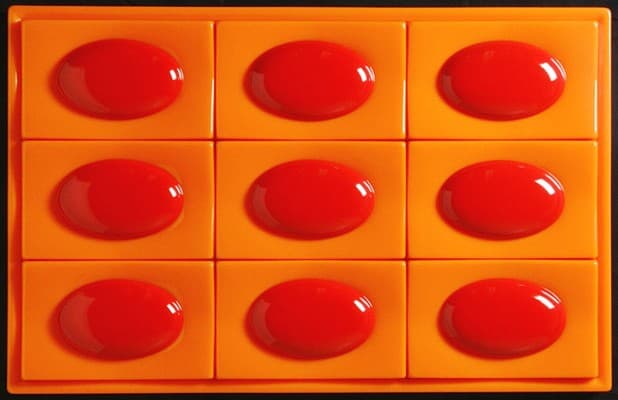
- Kerrigan Architectural TileThese high relief, large format ceramic architectural tiles are designed and manufactured by Bryan Kerrigan, using a high fired stoneware clay body and glazes from Mason Color Works. The hand sculpted ceramic tiles are oversized, glossy, super 3-d pieces that are more art than decor.